 REINFORM
Agree the rise and waistband shape to suit the rider’s movement. Consider how the waistband sits in and out of the saddle, the level of coverage, and the contour through the waist to prevent gaping or pressure points. We’ll align on the preferred rise — low, mid or high — and the waistband construction, including belt loops and closure, to match performance and style.
PRIVATE LABEL EQUESTRIAN APPARELA COLLECTION.
A COLLECTION.
WITH YOUR POINT OF VIEW.
Choose REINFORM as your equestrian clothing supplier for private label production across six categories: riding breeches, riding tights, base layers, show shirts, outerwear and polo shirts. Use 24 buying guides to compare materials, fit and sample requirements before requesting a bulk manufacturing quotation.
Explore all buying guidesTHE RANGE / IN CONTEXT
Fit in motion.
Rise, grip and leg shape. Build the range around the rider’s position.
Explore riding breechesREINFORM / COLLECTION STUDIES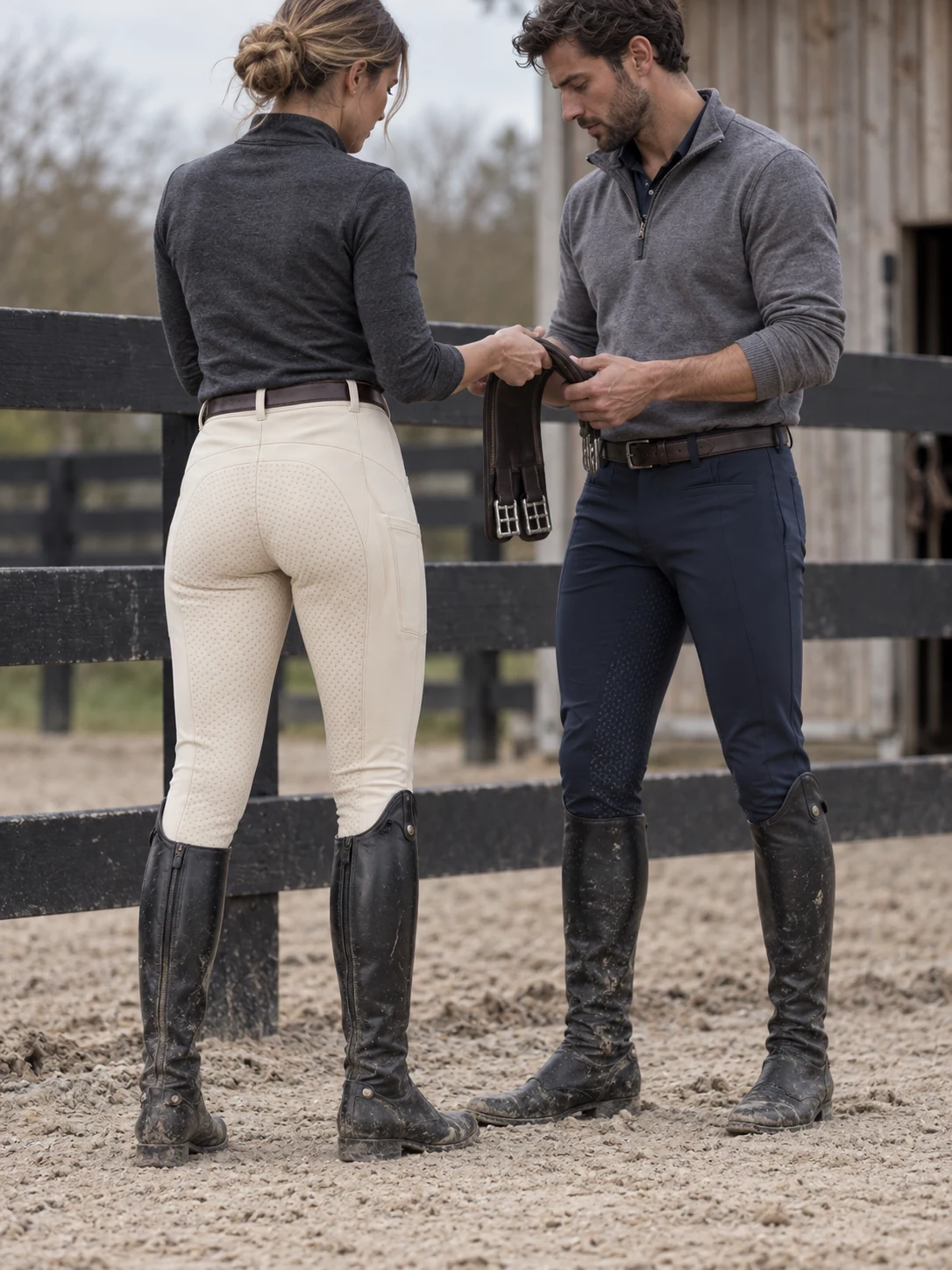
KNOW THE GARMENT
Explore the details before you write the brief.
CHOOSE A GARMENTSix categories. Explore every detail.
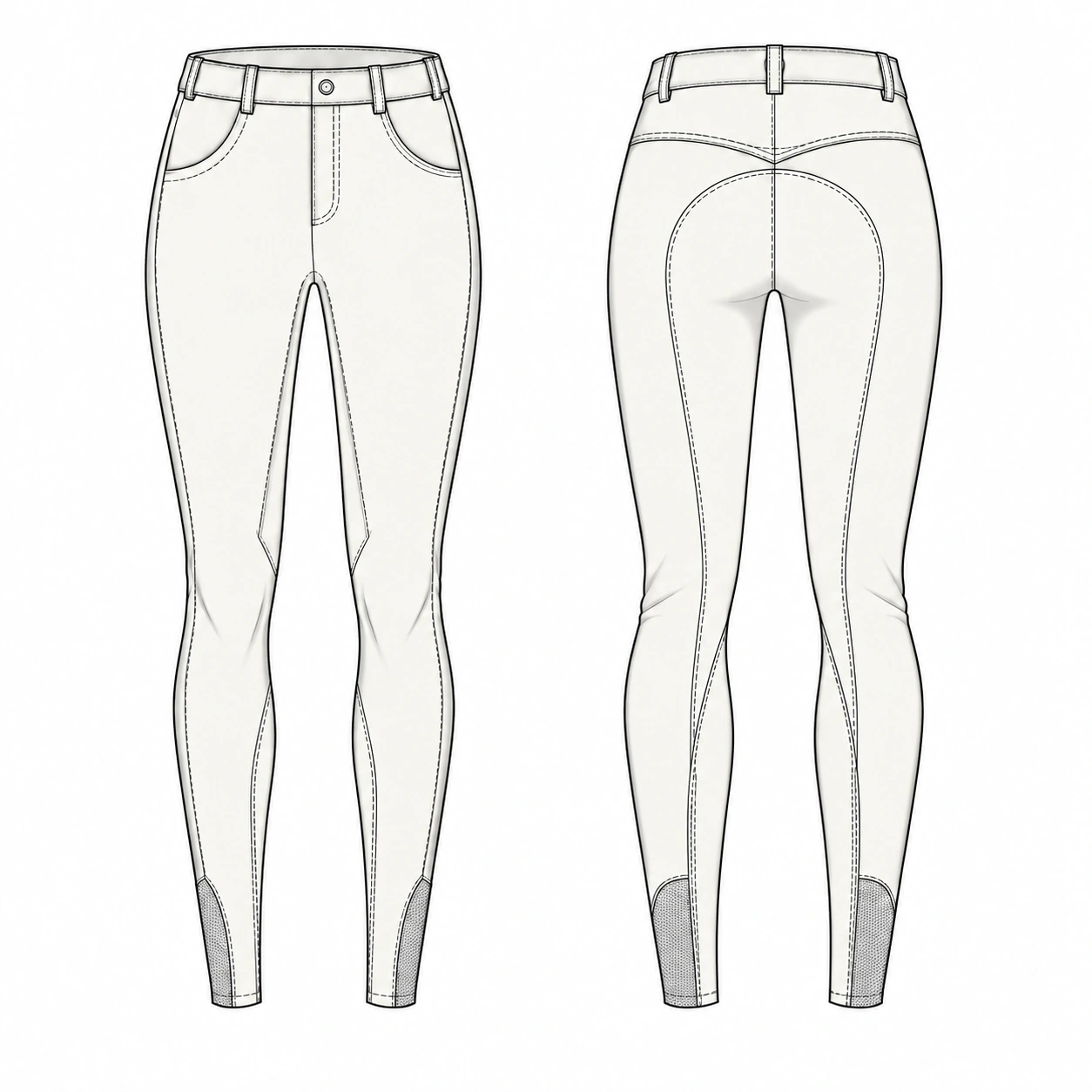
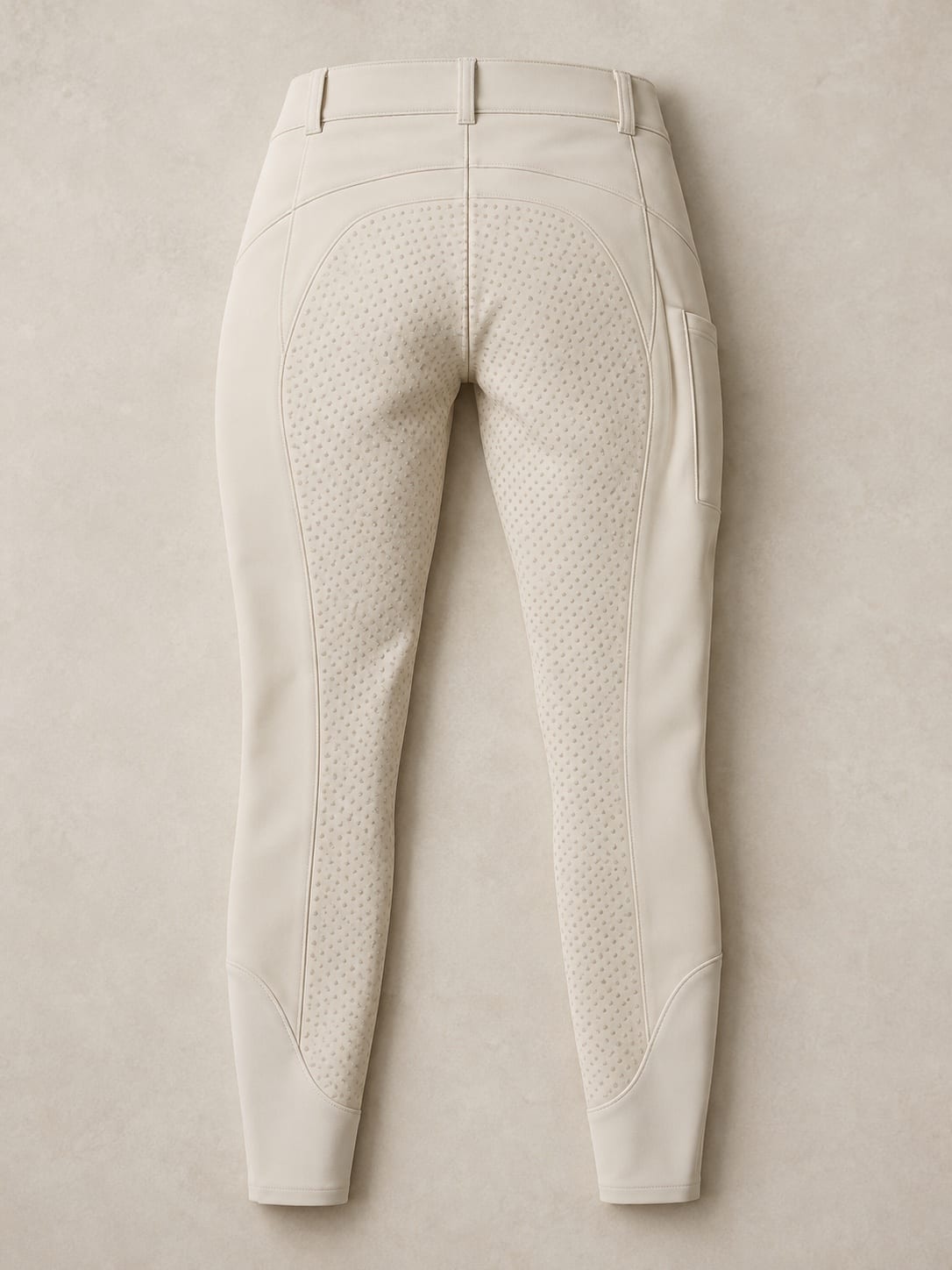
Choose the saddle-contact direction, then review the full-seat grip coverage and panel shape through the intended movement. This illustration is a location guide. Specify the grip artwork, application method and exact transition around the inner leg so contact feels deliberate rather than restrictive.
Place the pocket opening and bag around the hip crease, carried items and saddle edge. Check access and reinforcement on the complete garment. Confirm the carried item and pocket-bag depth, then reinforce the opening without adding a hard ridge at the hip.
Confirm the stretch ankle cuff with the intended boot. Review seam thickness, opening size and recovery while the leg is bent. Set the ankle opening, panel height and seam direction against the intended tall boot to avoid pressure and twisting.
Diagram shows review locations, not an approved specification.
BUILTFOR A MORE
DEMANDING
TOMORROW.
THE PRODUCT LIBRARYYOUR NEXT
YOUR NEXT
SIGNATURE PIECE.
Explore 24 product directions.
Build a more considered brief.
24 buying guides · Original development concepts
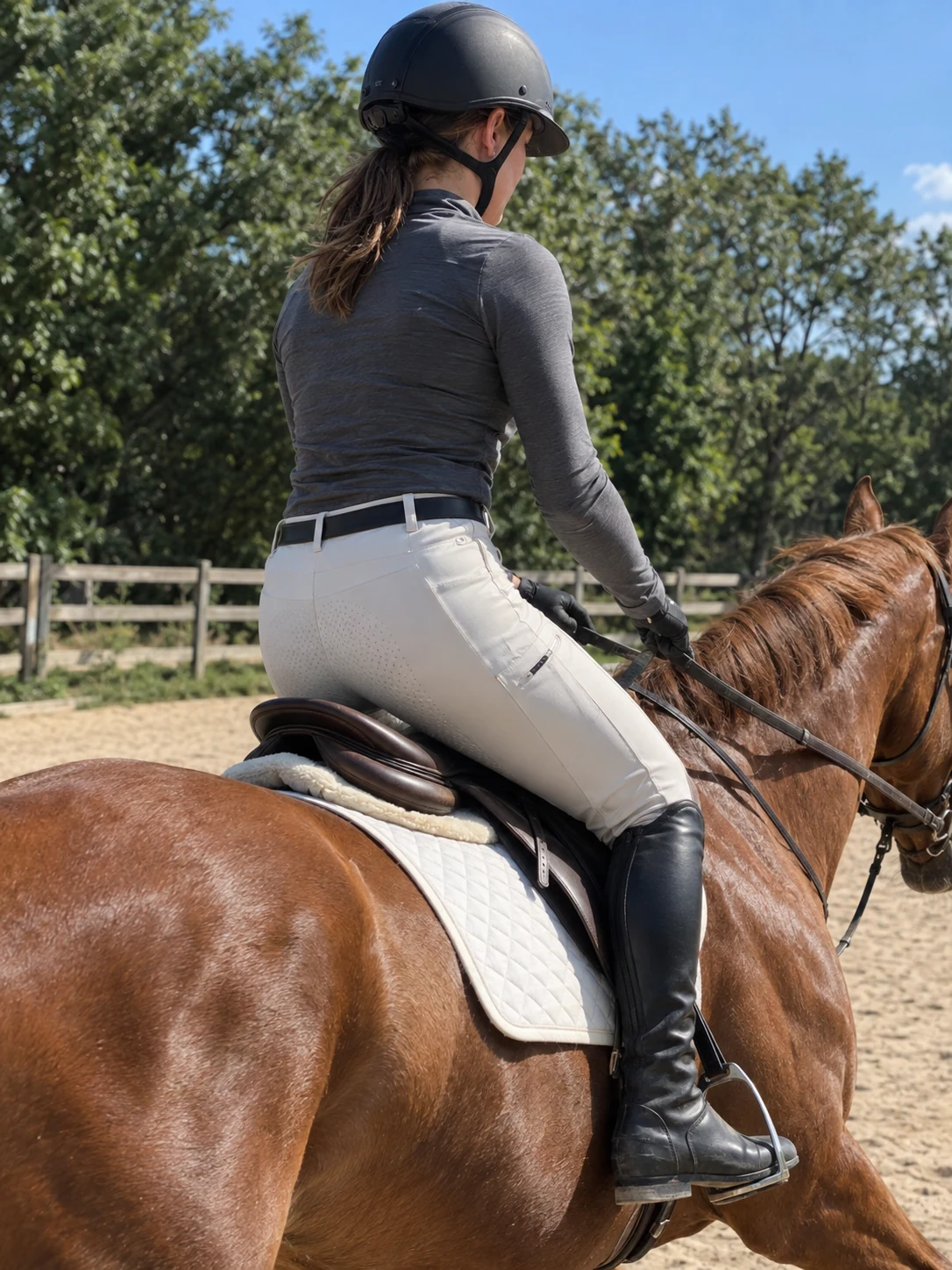
Women’s full-seat breeches
Private label women’s full-seat breeches for equestrian brands: silicone grip layout, stretch-woven fabric, saddle fit and graded samples. Request an OEM quote.
Read the buying guide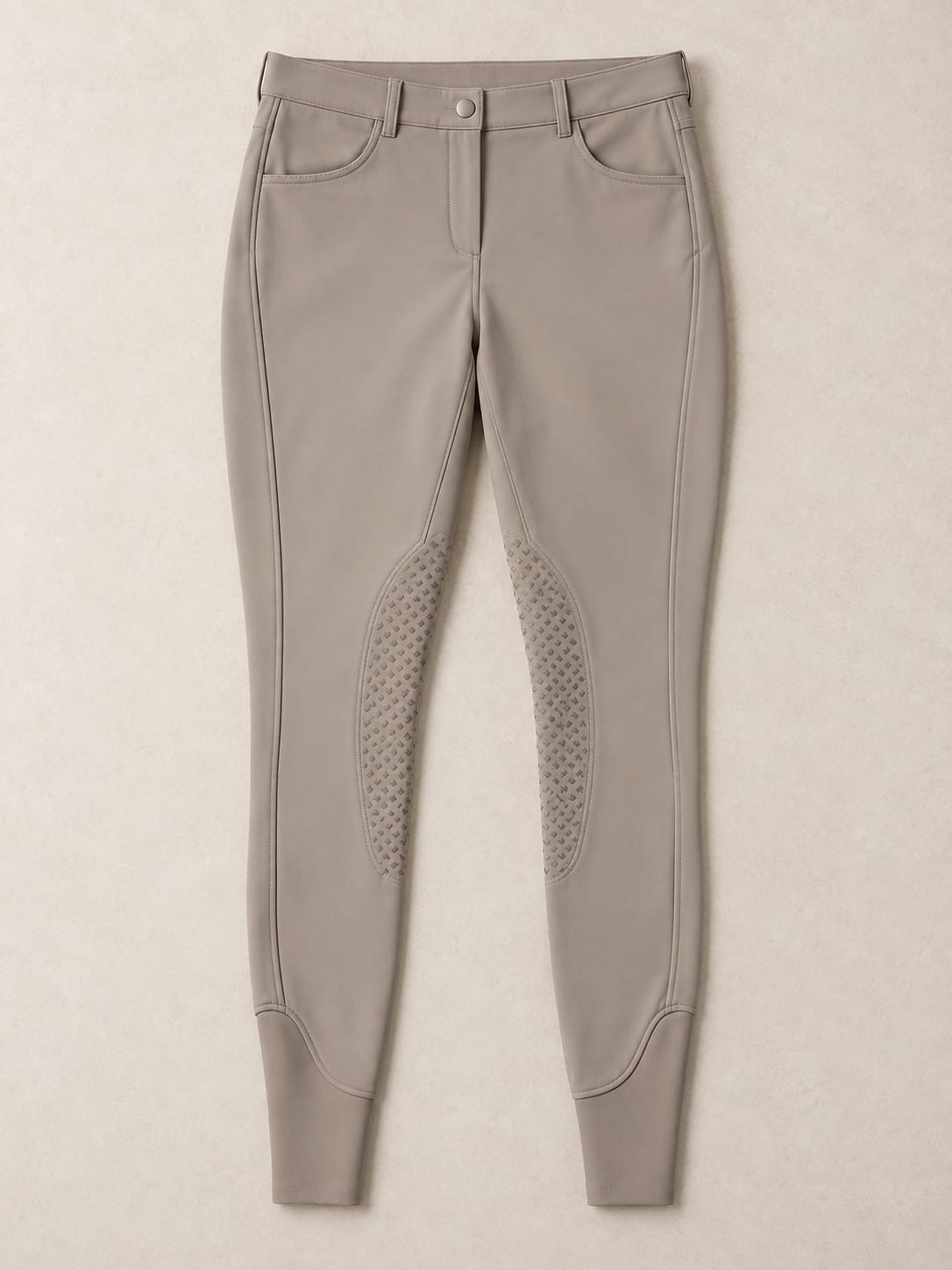
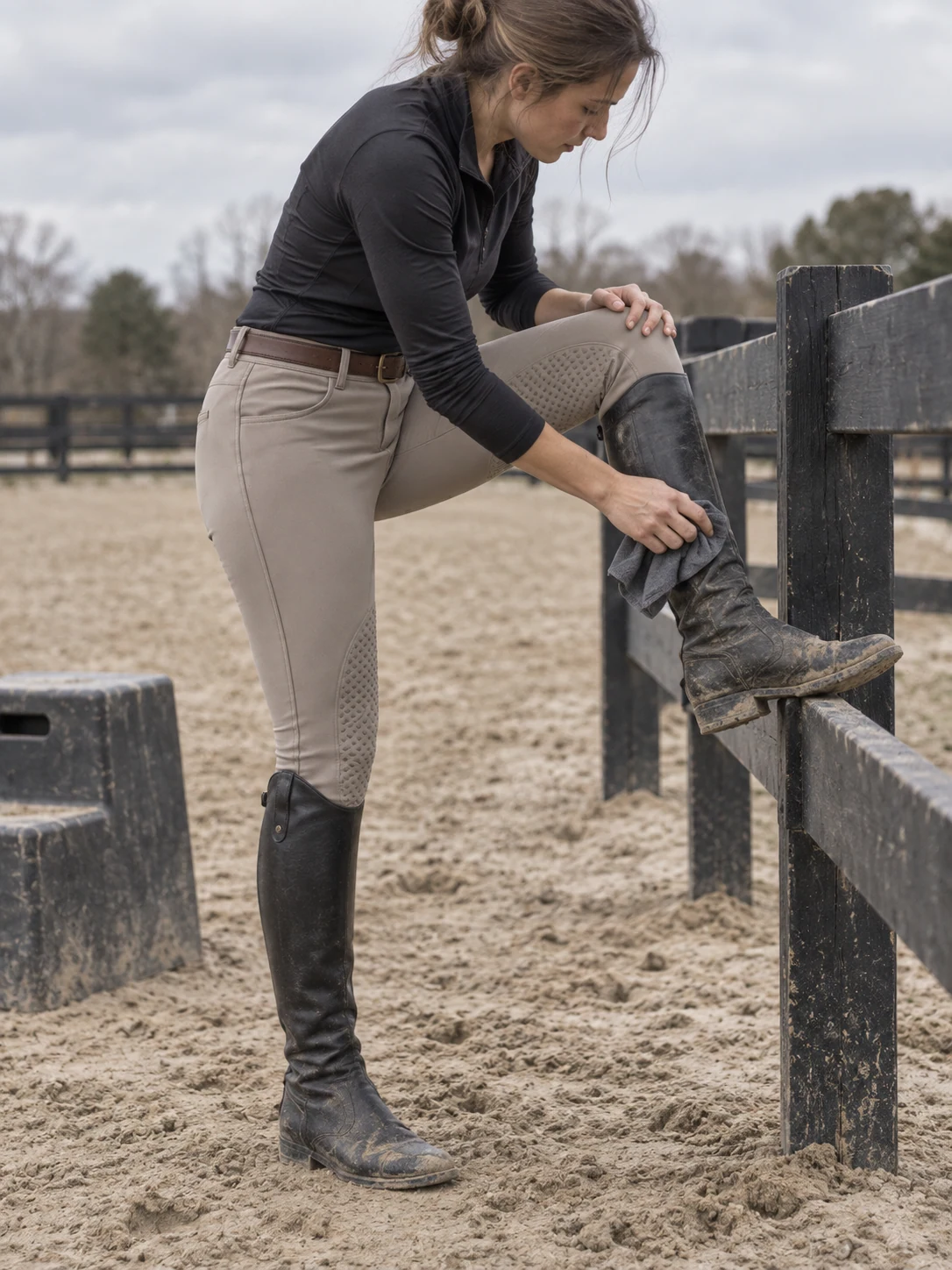
Women’s knee-grip breeches
Private label women’s knee-grip breeches for equestrian brands: knee patch placement, tailored fit, pocket access and sample approval. Request an OEM quote.
Read the buying guide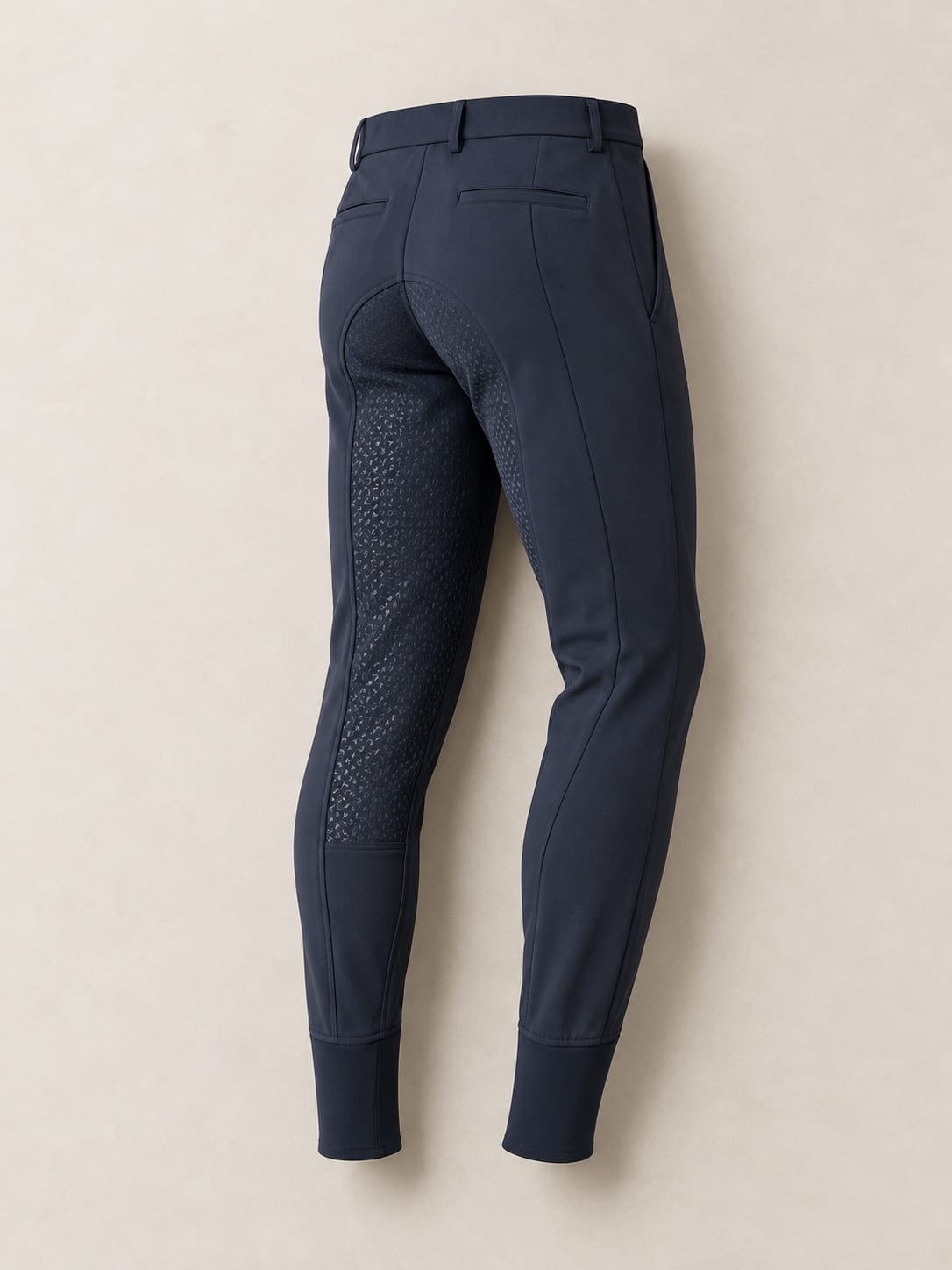
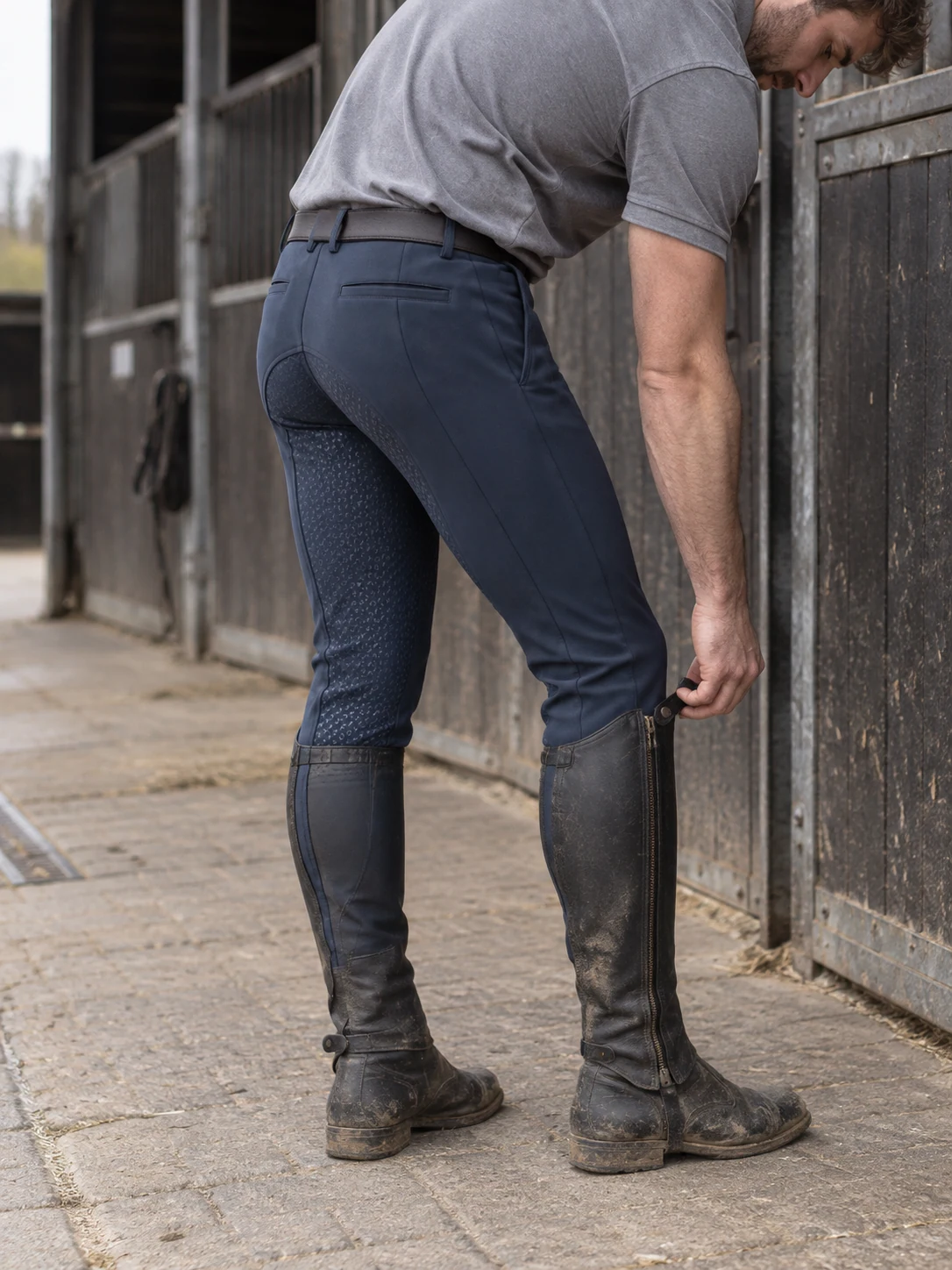
Men’s tailored breeches
Private label men’s tailored breeches for equestrian brands: rise, thigh room, seat fit, pockets and a production-ready size chart. Request an OEM quote.
Read the buying guide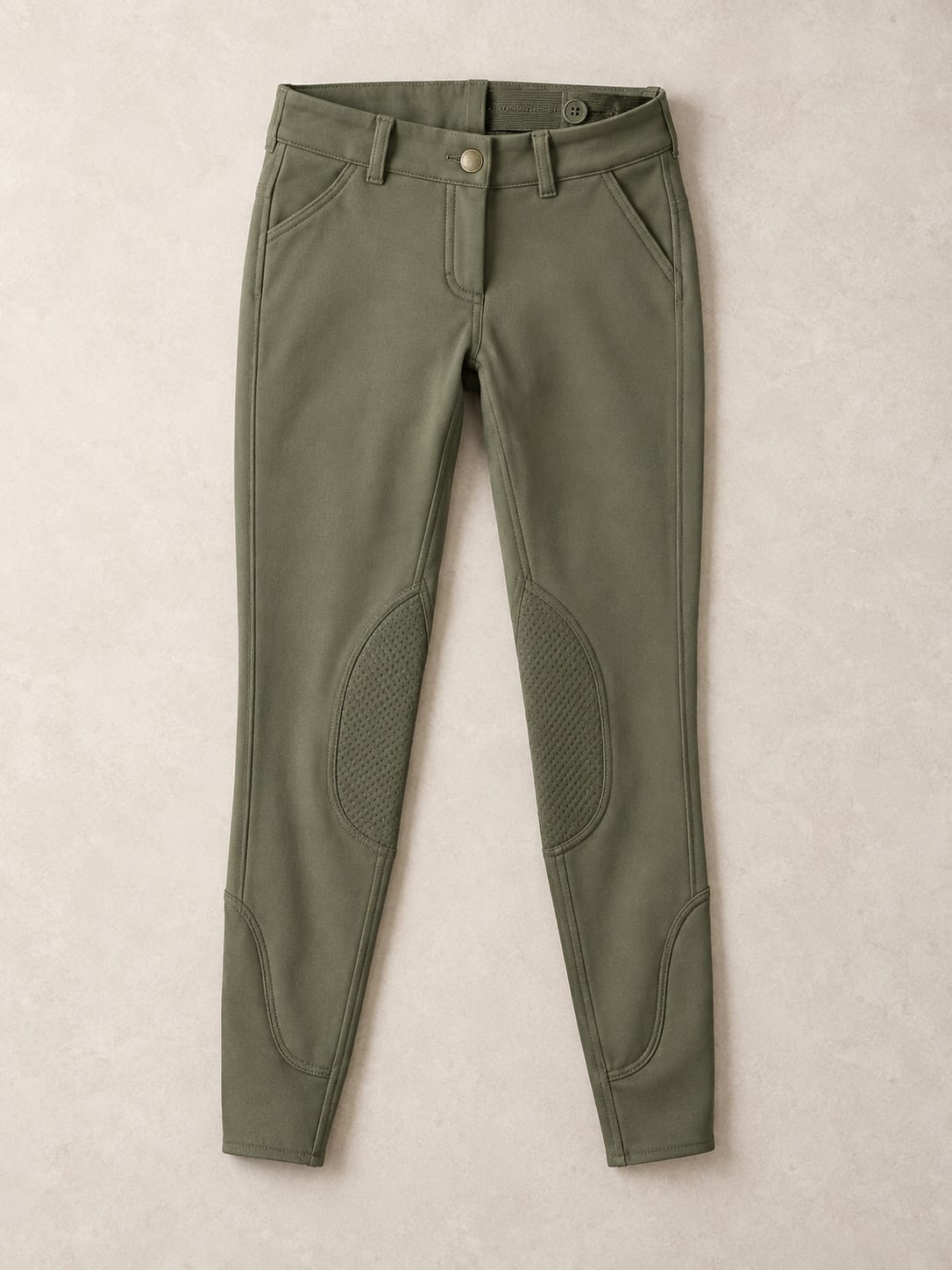
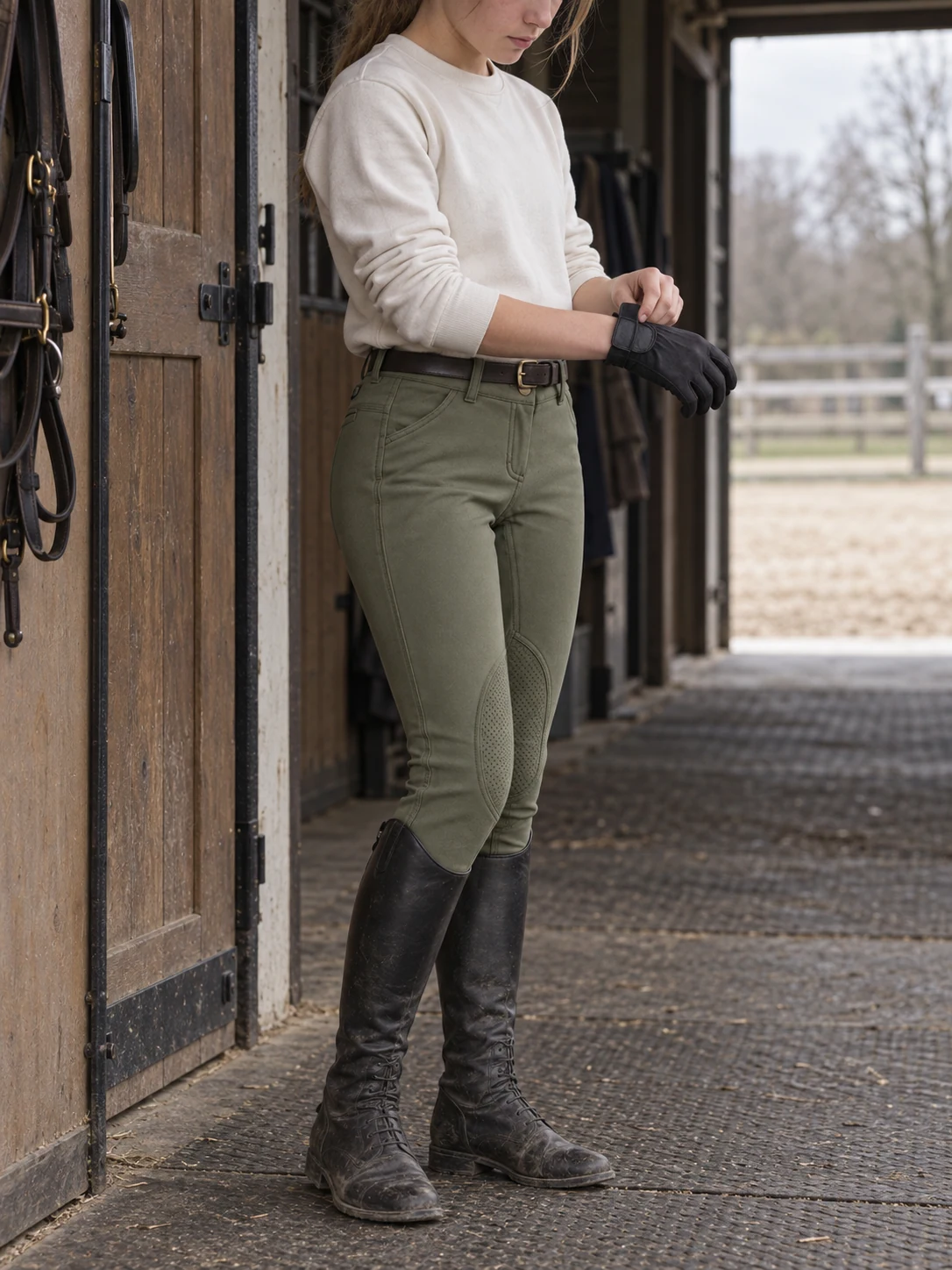
Youth adjustable-waist breeches
Private label youth adjustable-waist breeches for equestrian brands: waist adjustment, youth grading, grip placement and trim review. Request an OEM quote.
Read the buying guide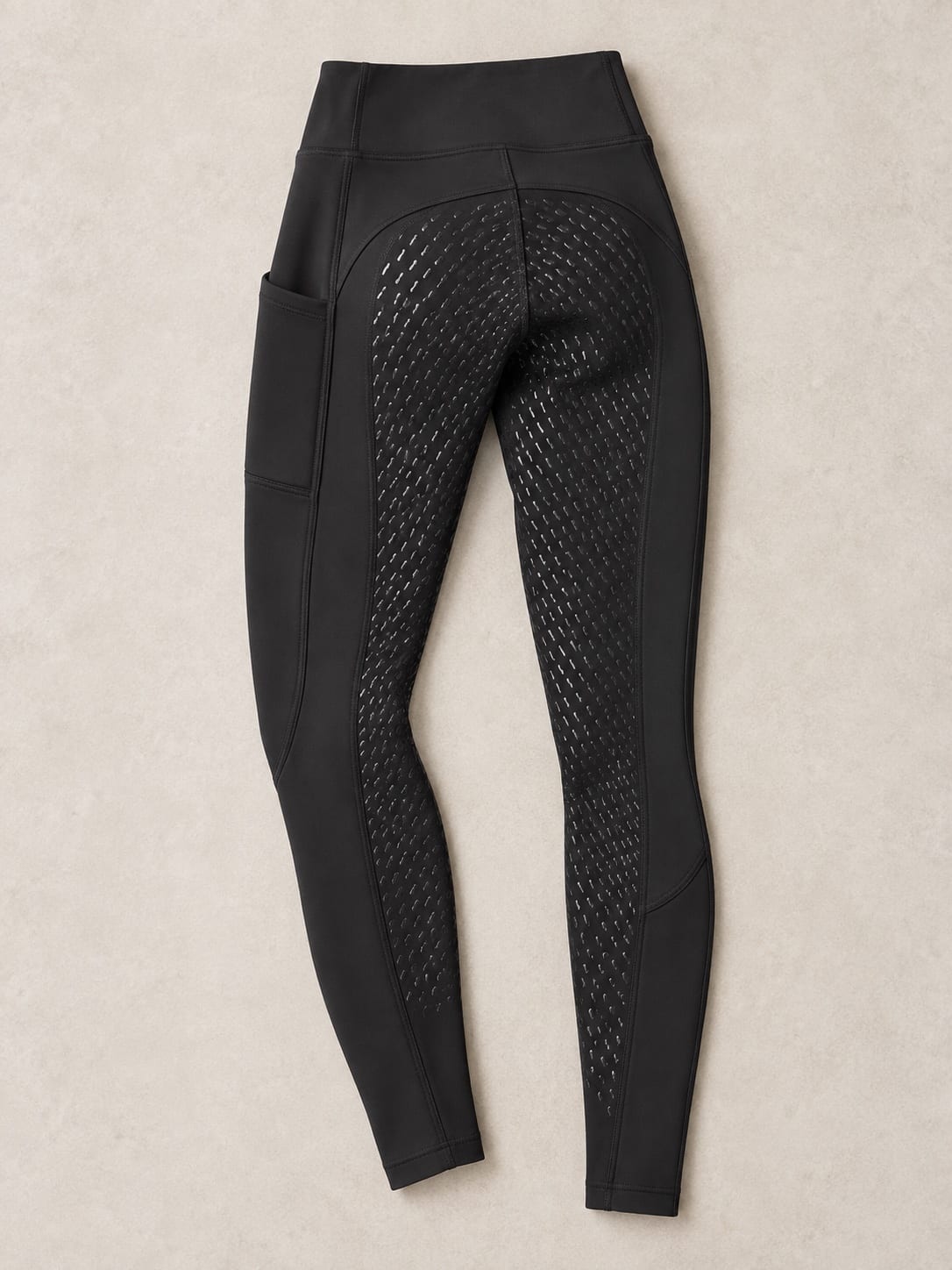
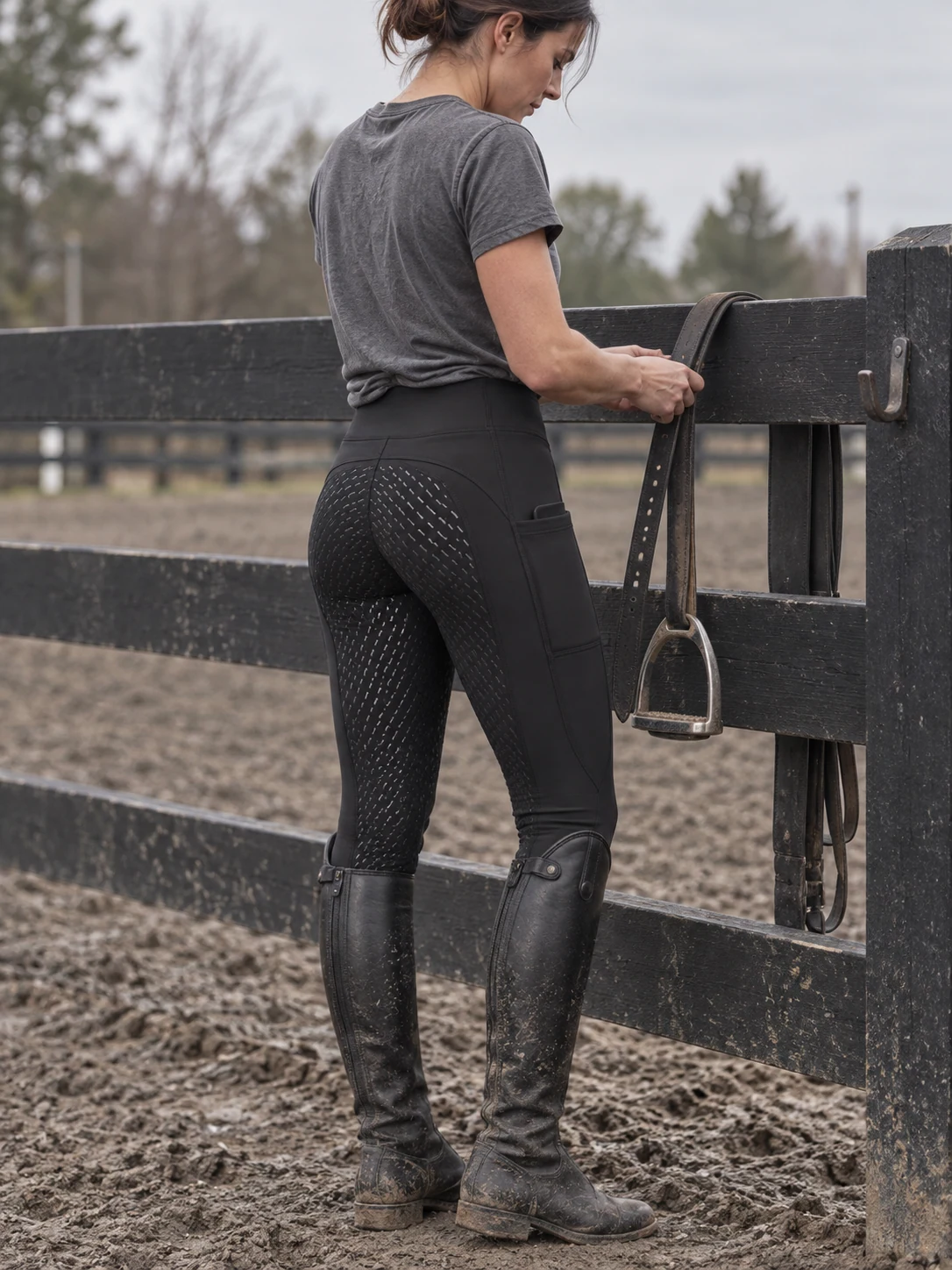
High-rise full-grip riding tights
Private label high-rise full-grip riding tights for equestrian brands: waist recovery, opacity, phone pockets and silicone grip sampling. Request an OEM quote.
Read the buying guide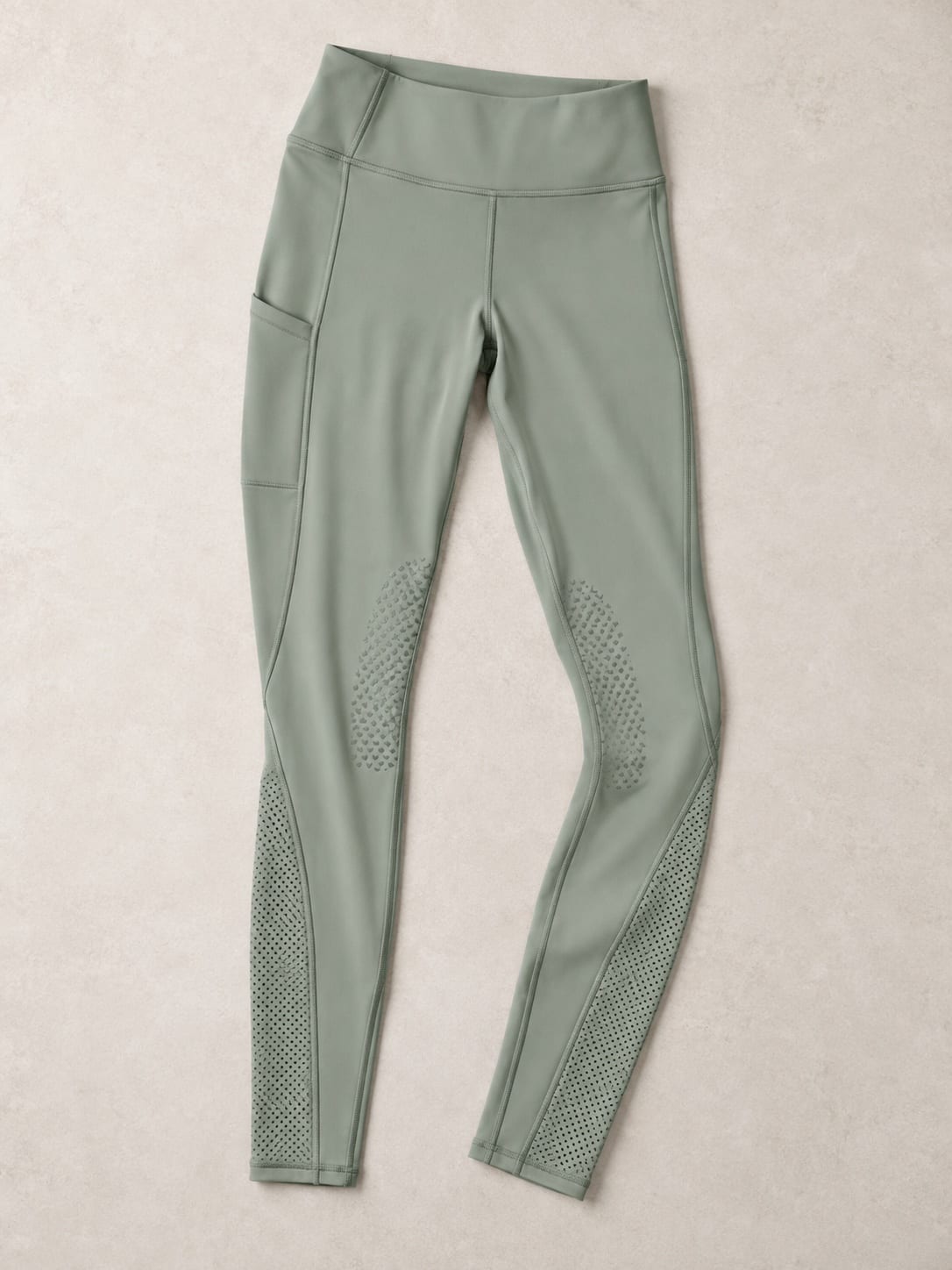
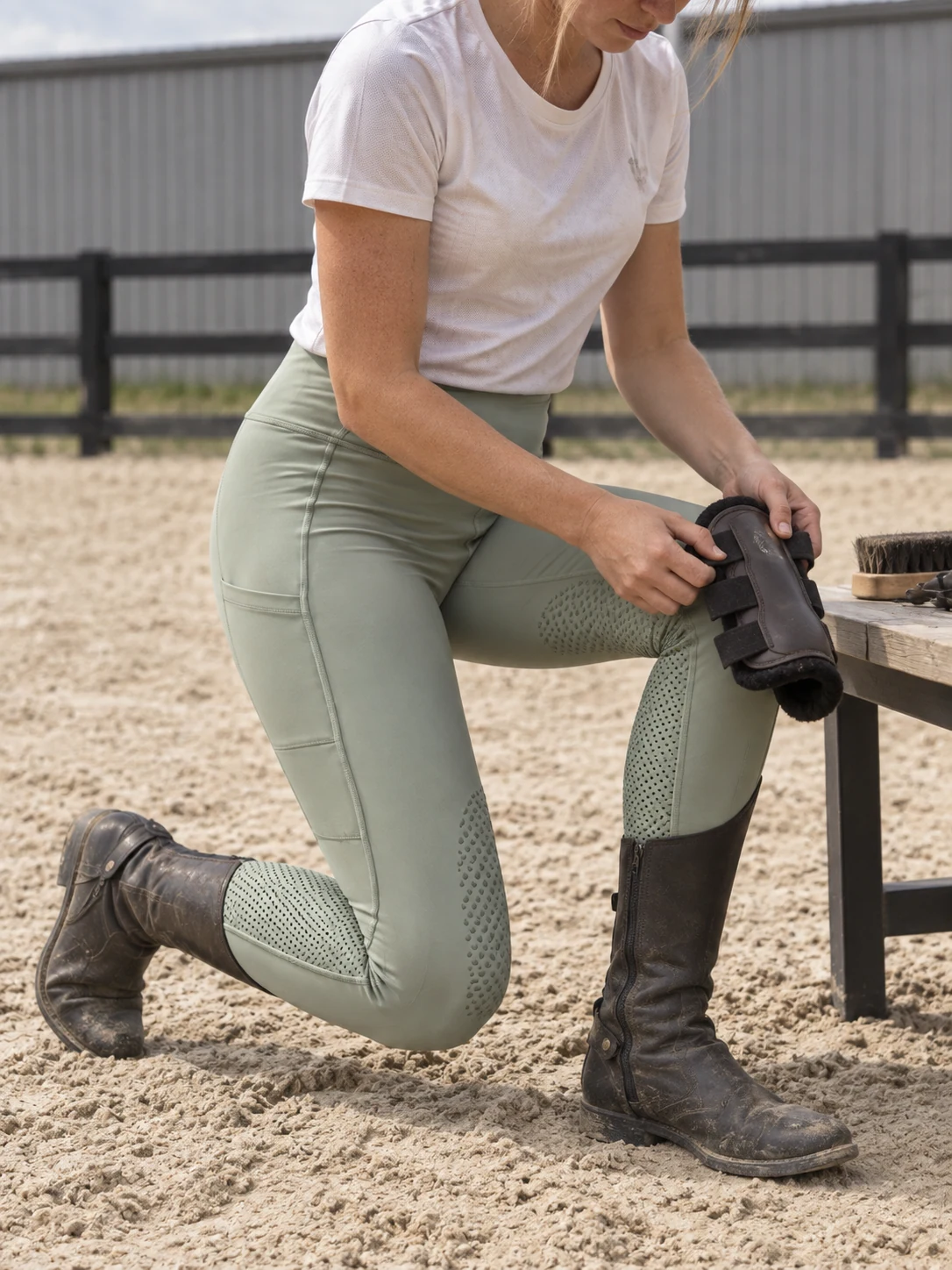
Summer mesh riding tights
Private label summer mesh riding tights for equestrian brands: ventilation panels, secure coverage, seams and bulk fabric approval. Request an OEM quote.
Read the buying guide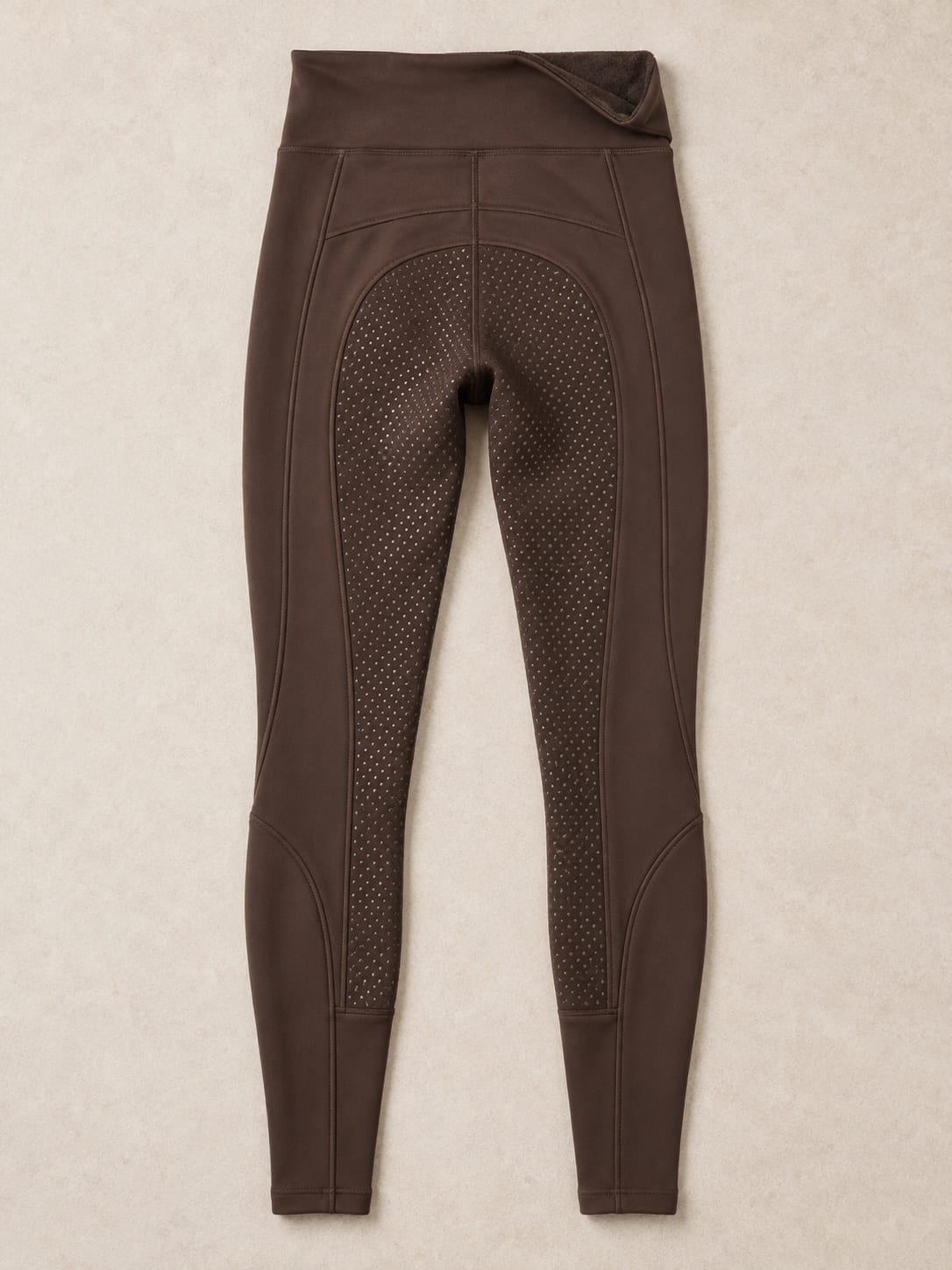
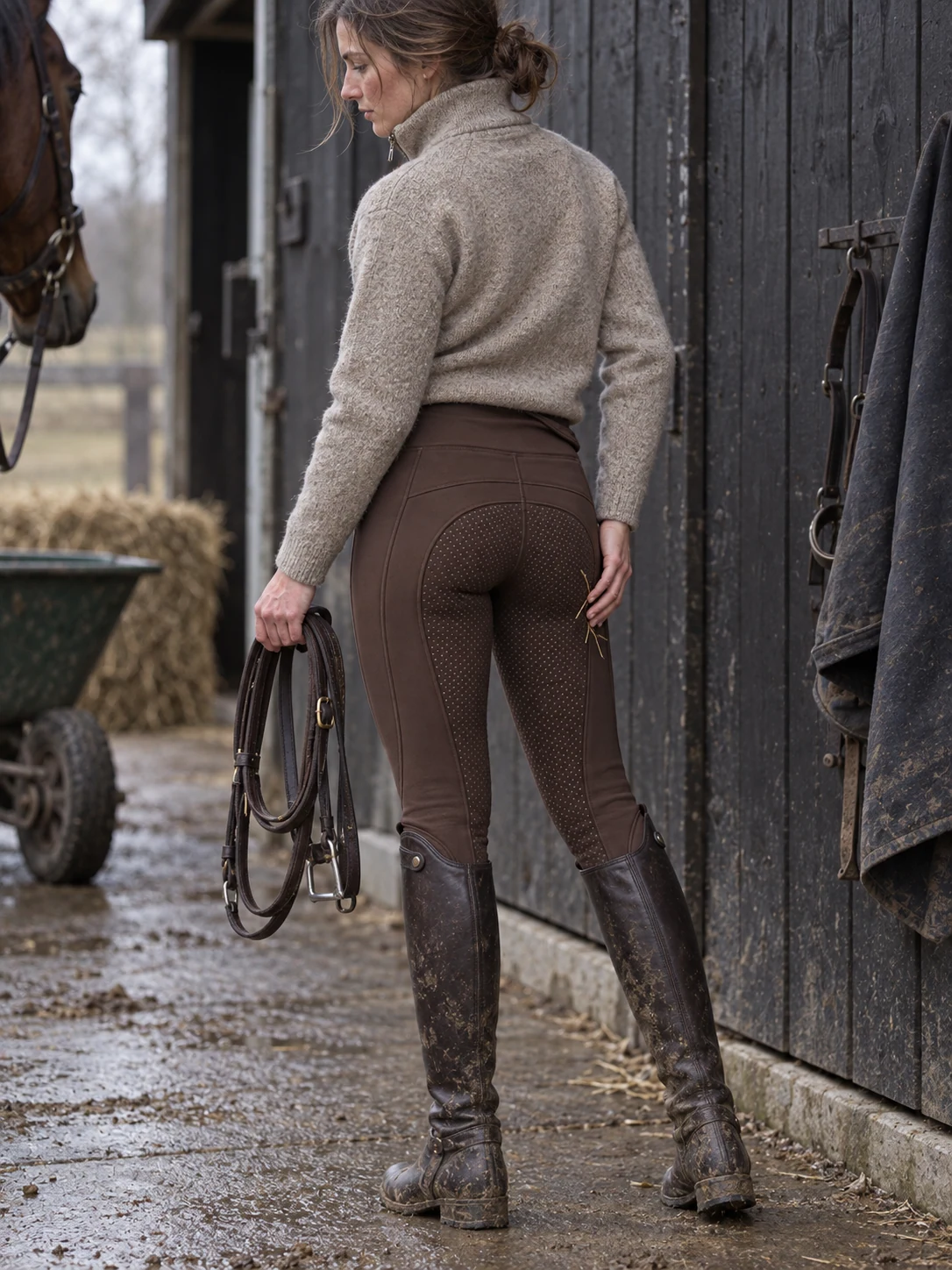
Winter brushed riding tights
Private label winter brushed riding tights for equestrian brands: brushed fabric, stretch recovery, grip and wash checks for bulk production. Request an OEM quote.
Read the buying guide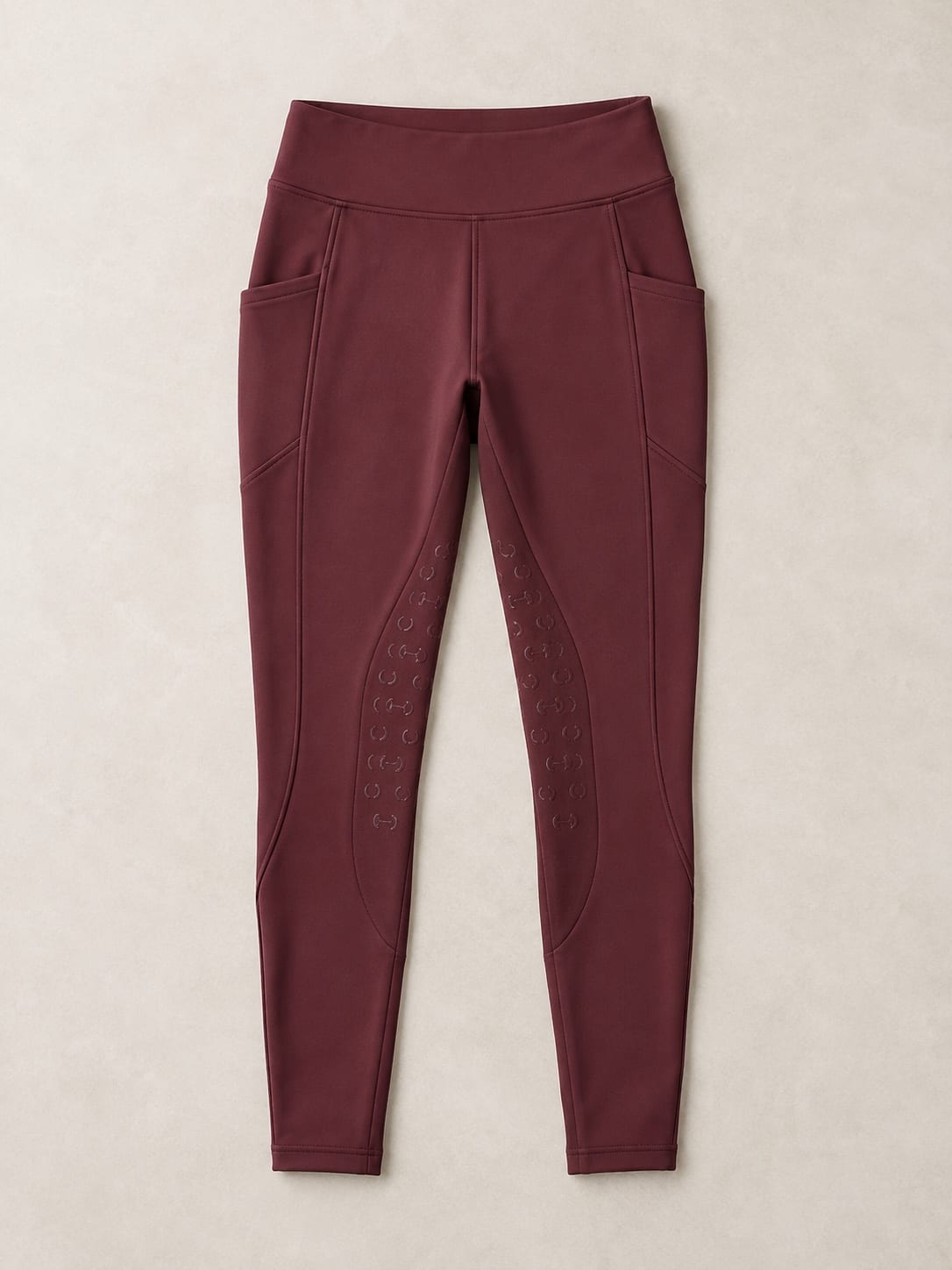
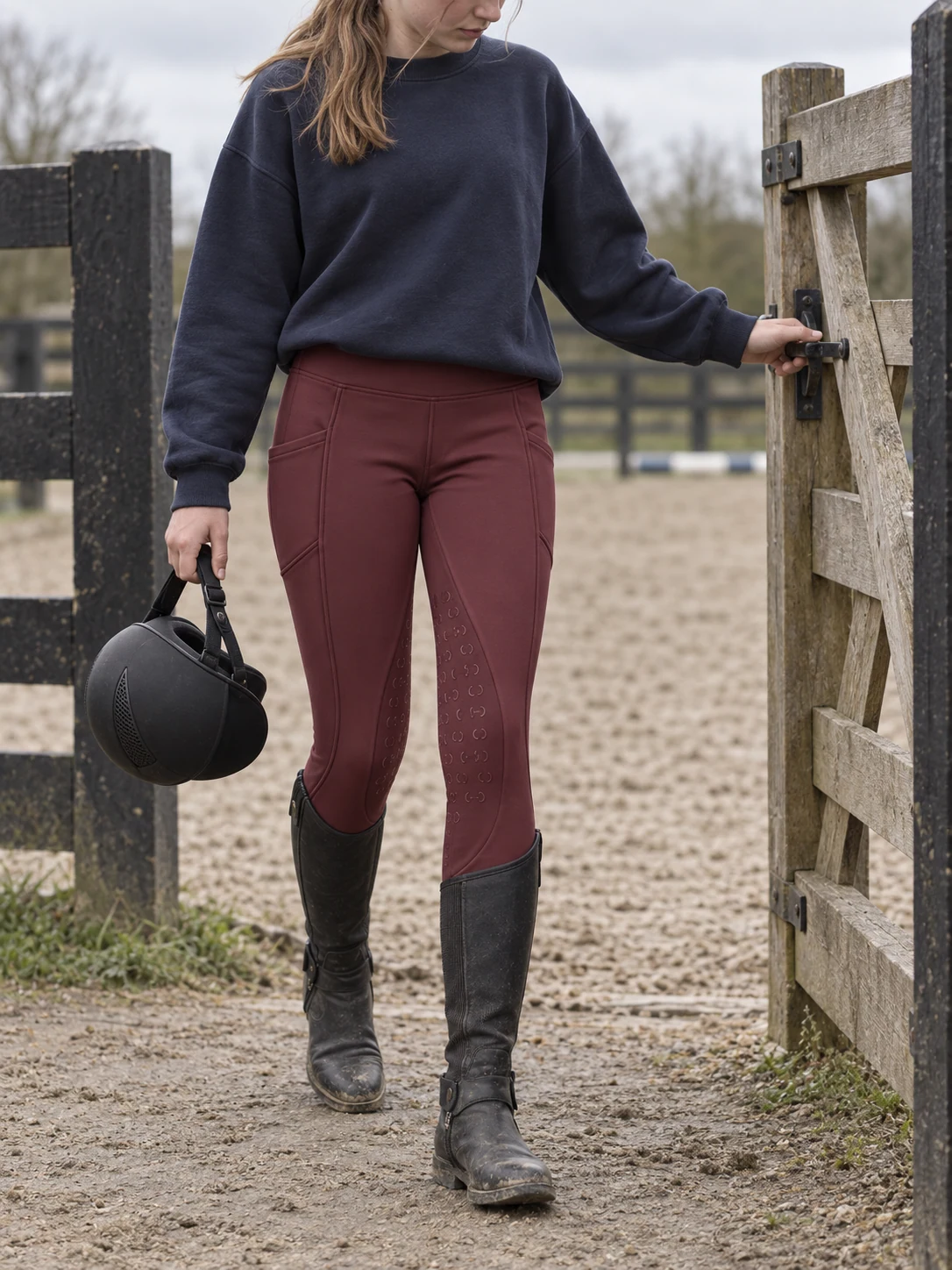
Youth training riding tights
Private label youth training riding tights for equestrian brands: youth proportions, waist fit, pocket sizing and production sample checks. Request an OEM quote.
Read the buying guide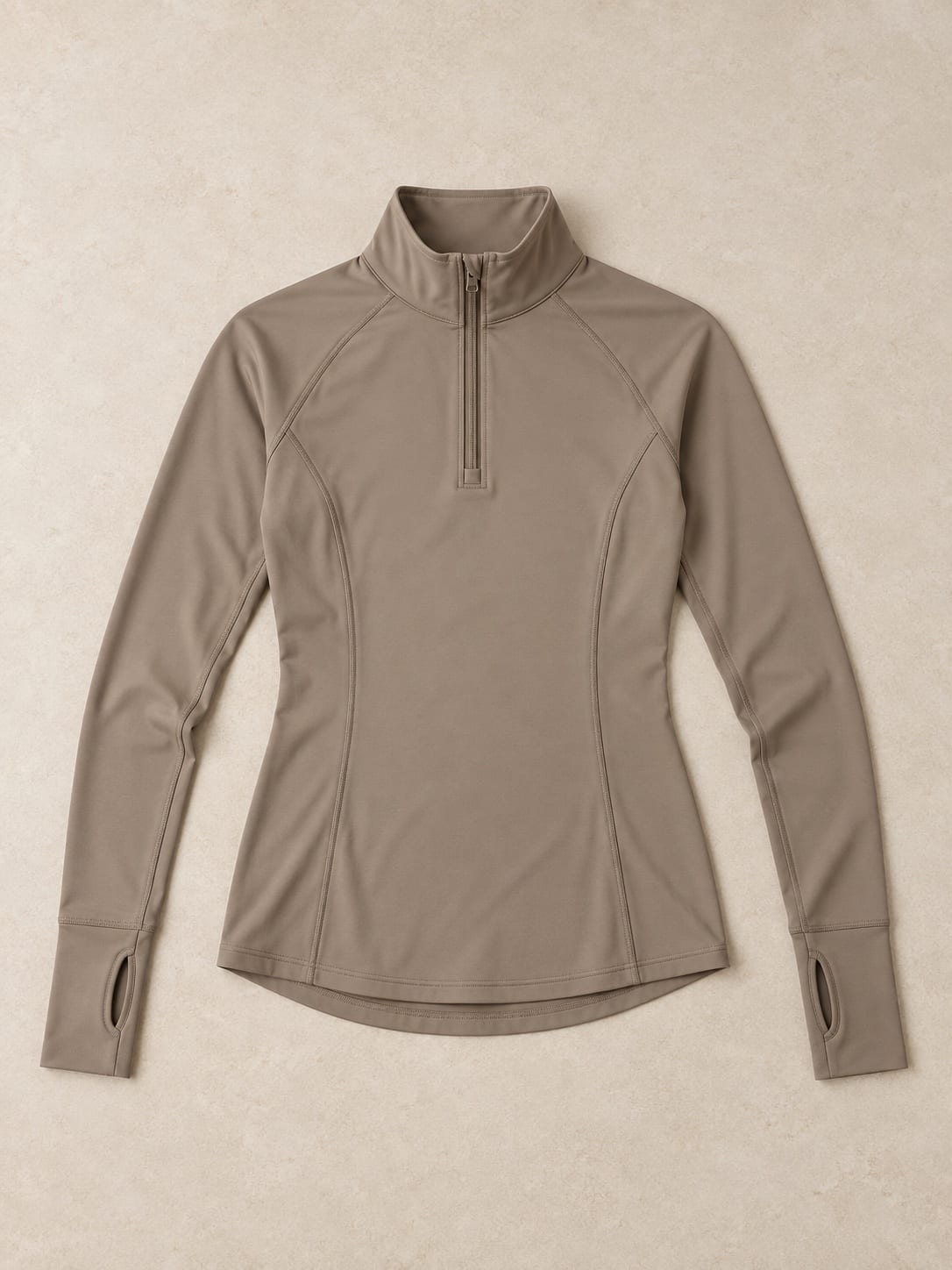
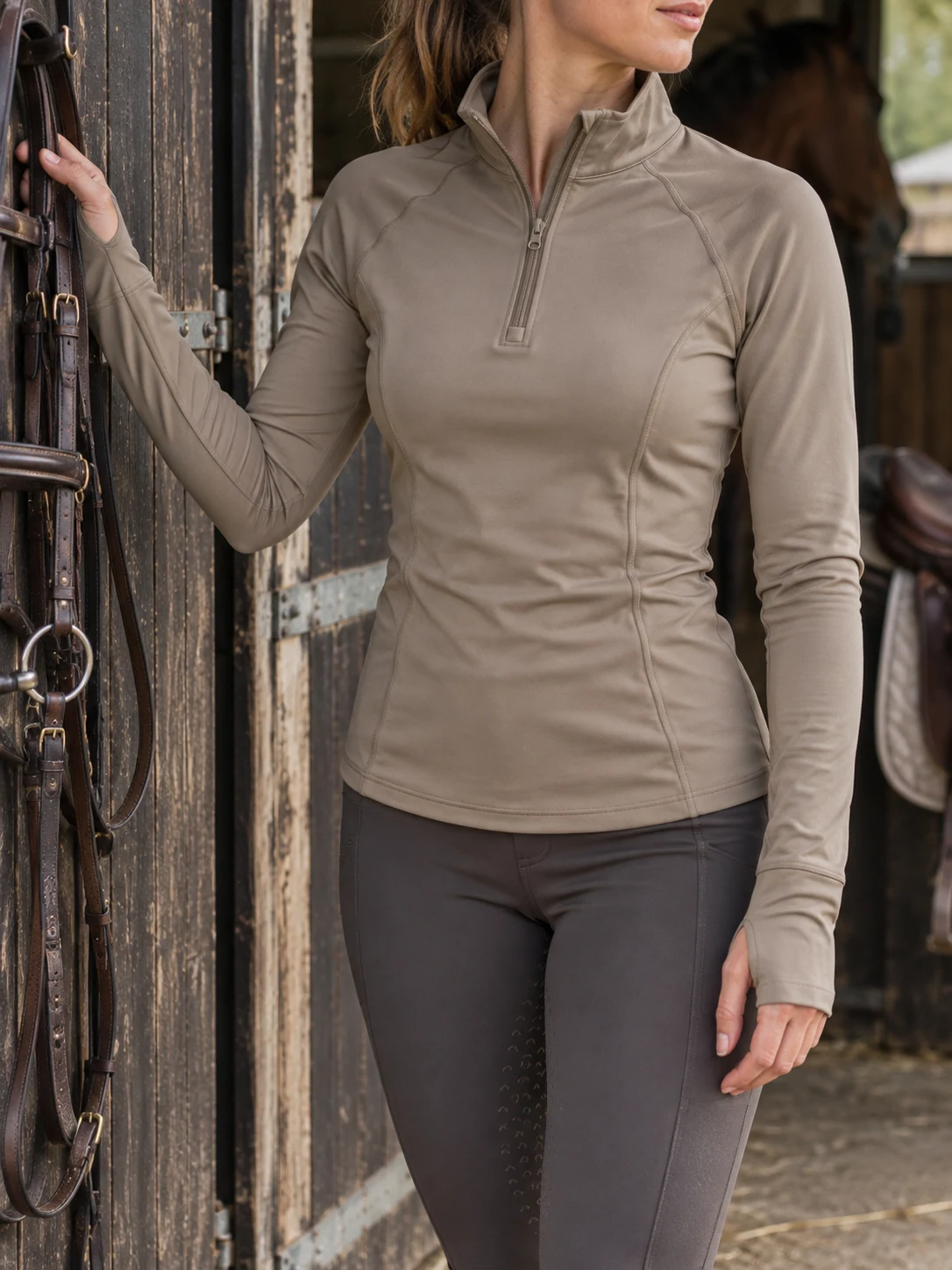
Quarter-zip training base layer
Private label quarter-zip riding base layers for equestrian brands: collar, zip, seams, fabric targets and brand artwork before sampling. Request an OEM quote.
Read the buying guide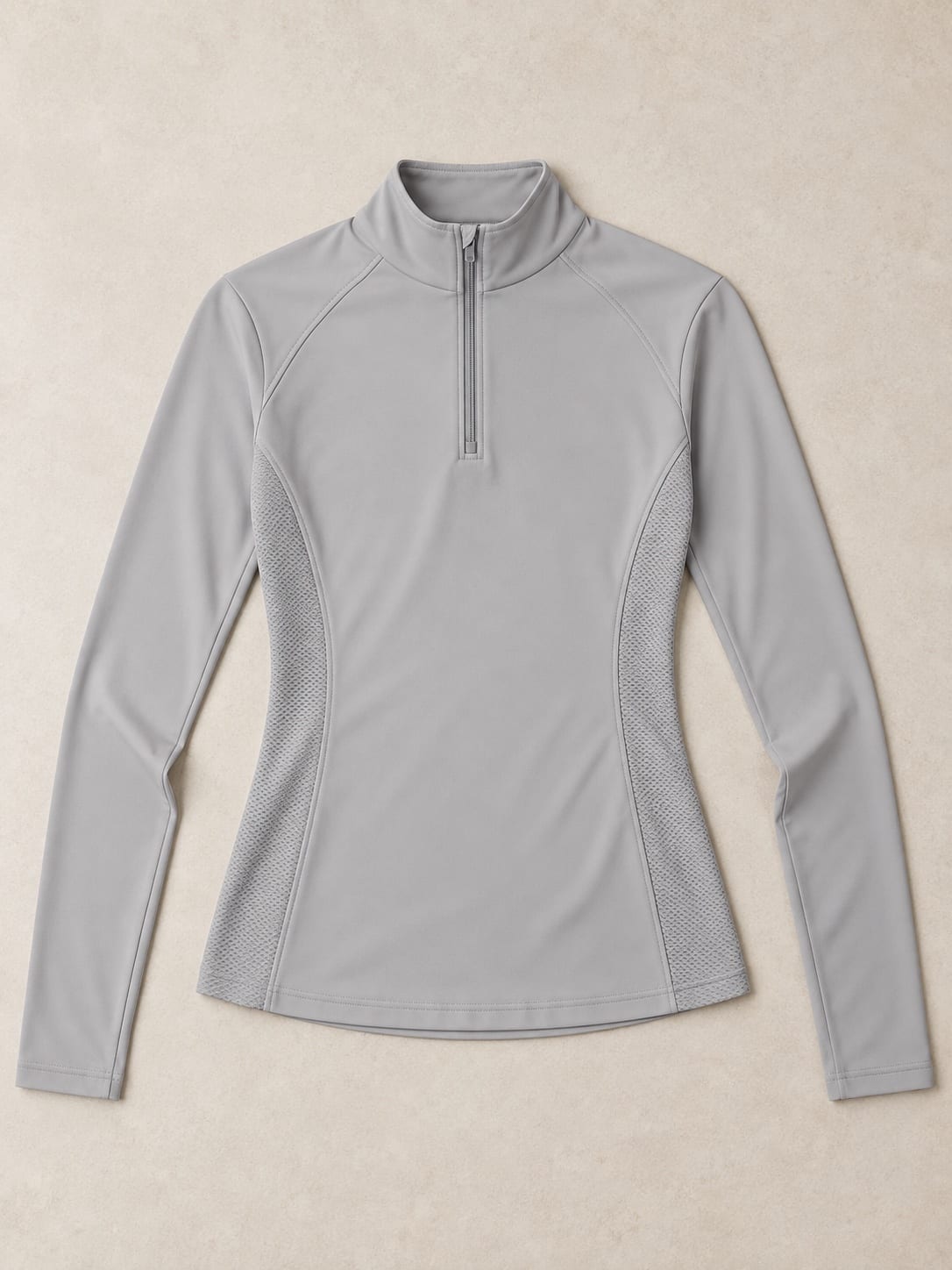
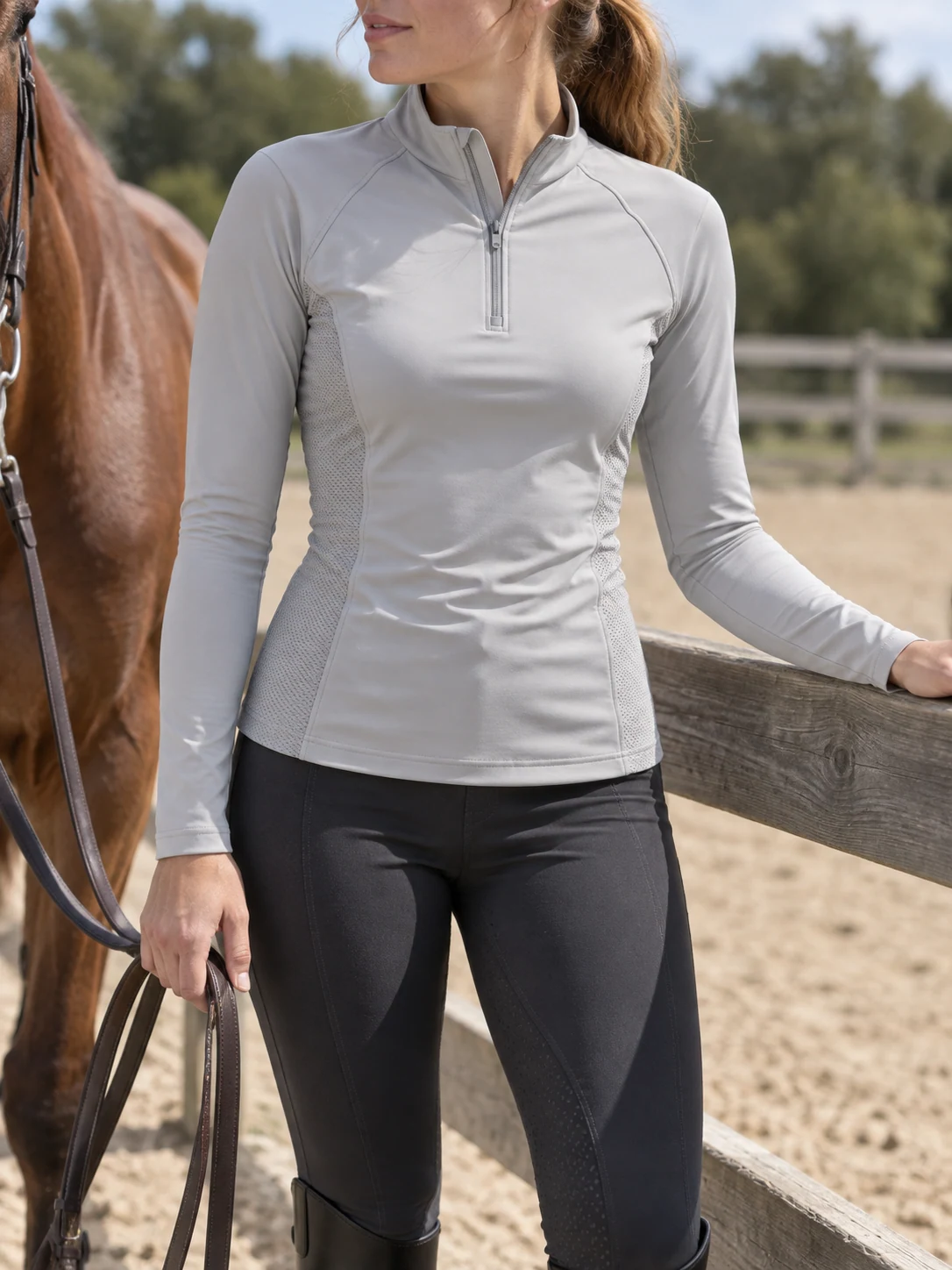
Mesh-panel summer base layer
Private label mesh-panel riding base layers for equestrian brands: ventilation, coverage, seam comfort and fabric approval for your range. Request an OEM quote.
Read the buying guide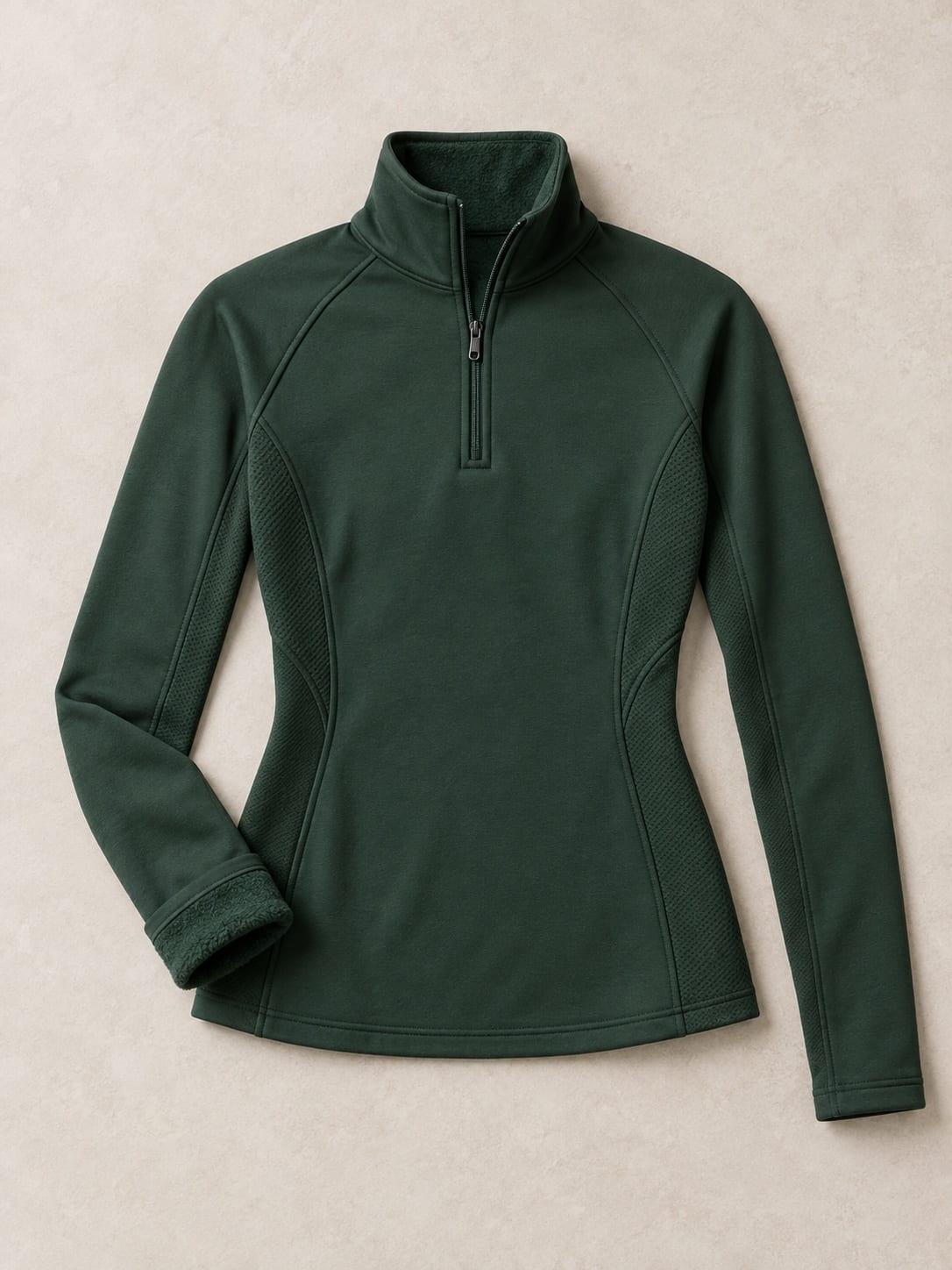
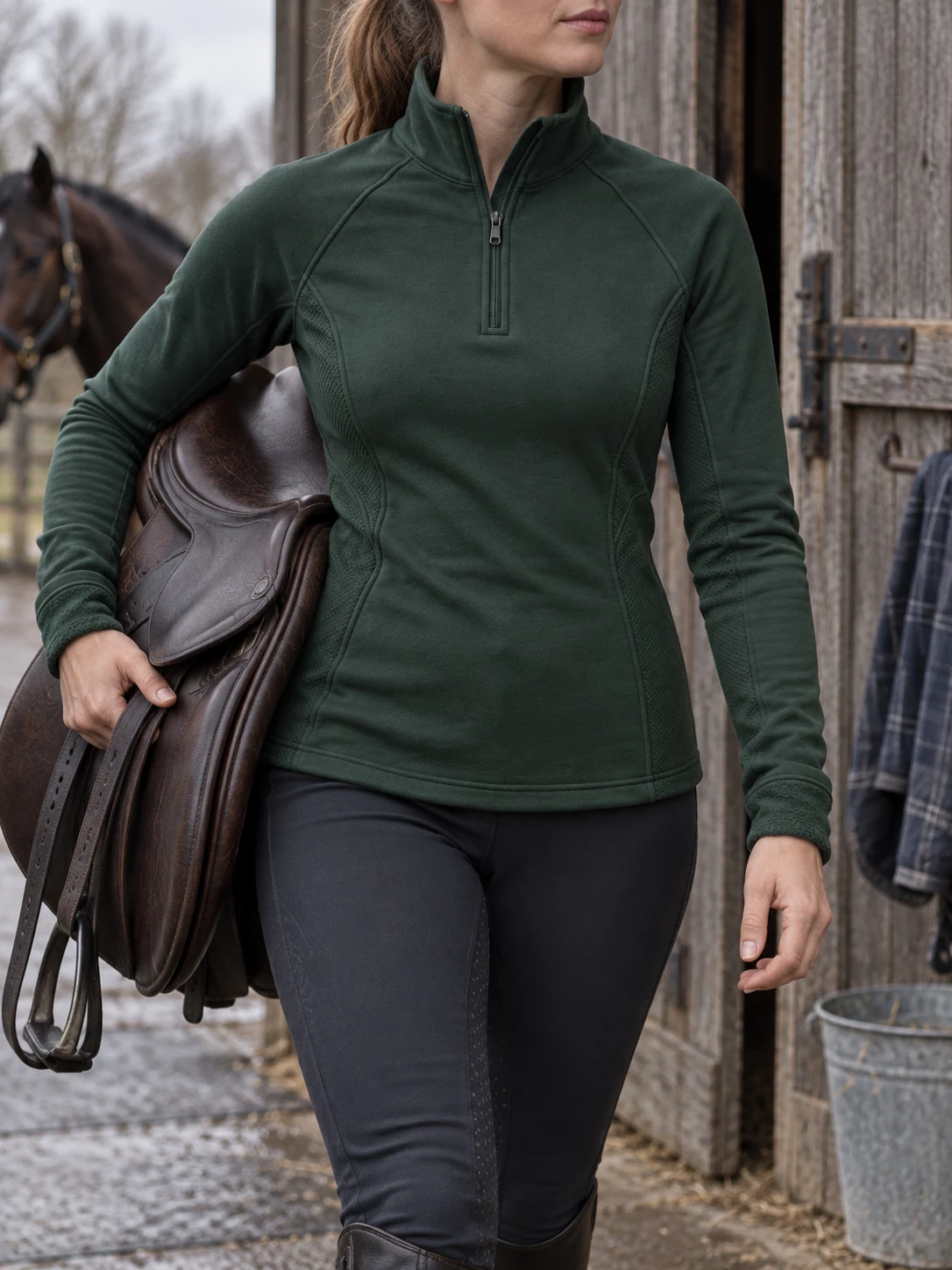
Brushed winter base layer
Private label brushed winter riding base layers for equestrian brands: layering fit, collar bulk, stretch recovery and care checks. Request an OEM quote.
Read the buying guide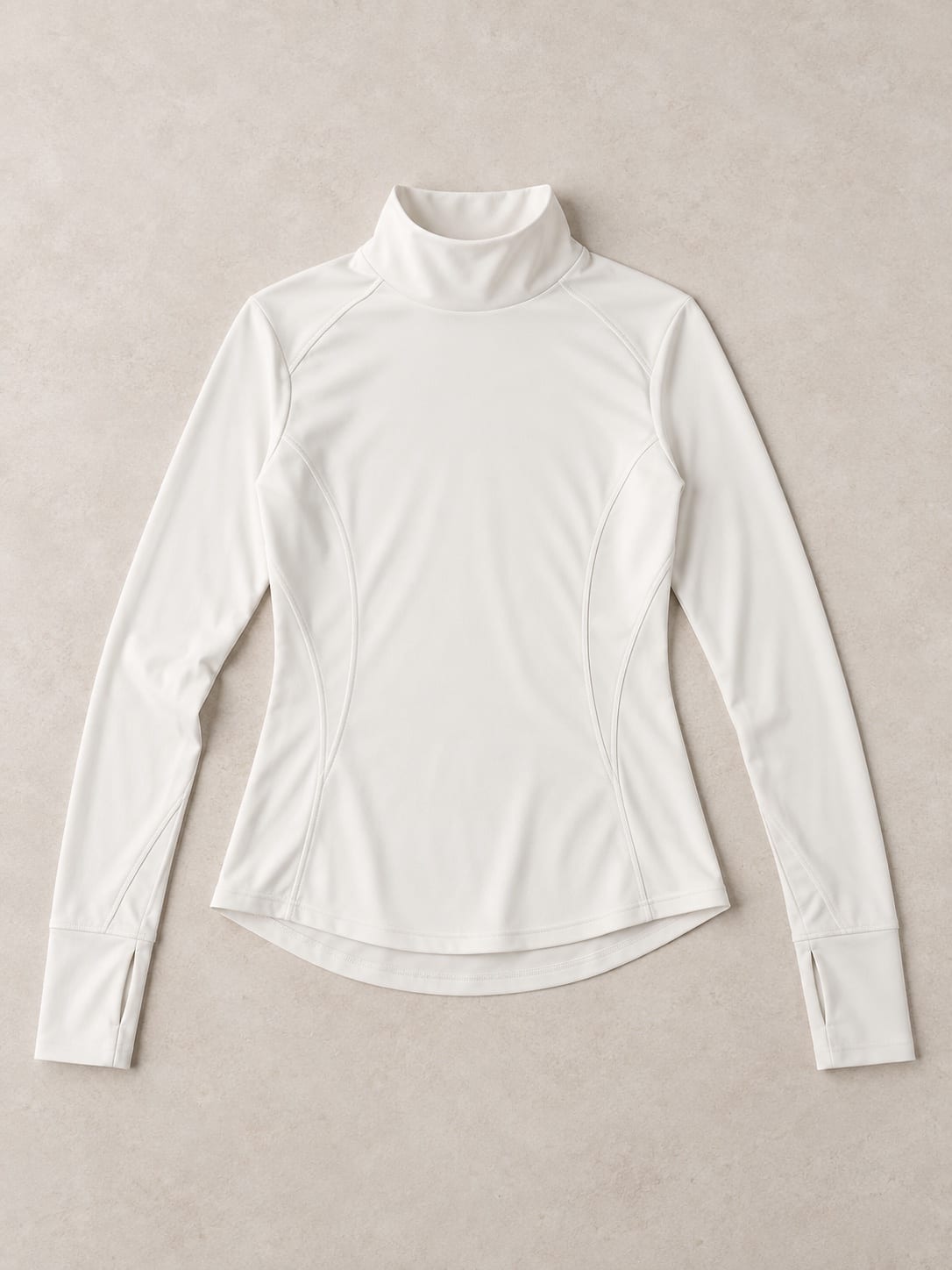
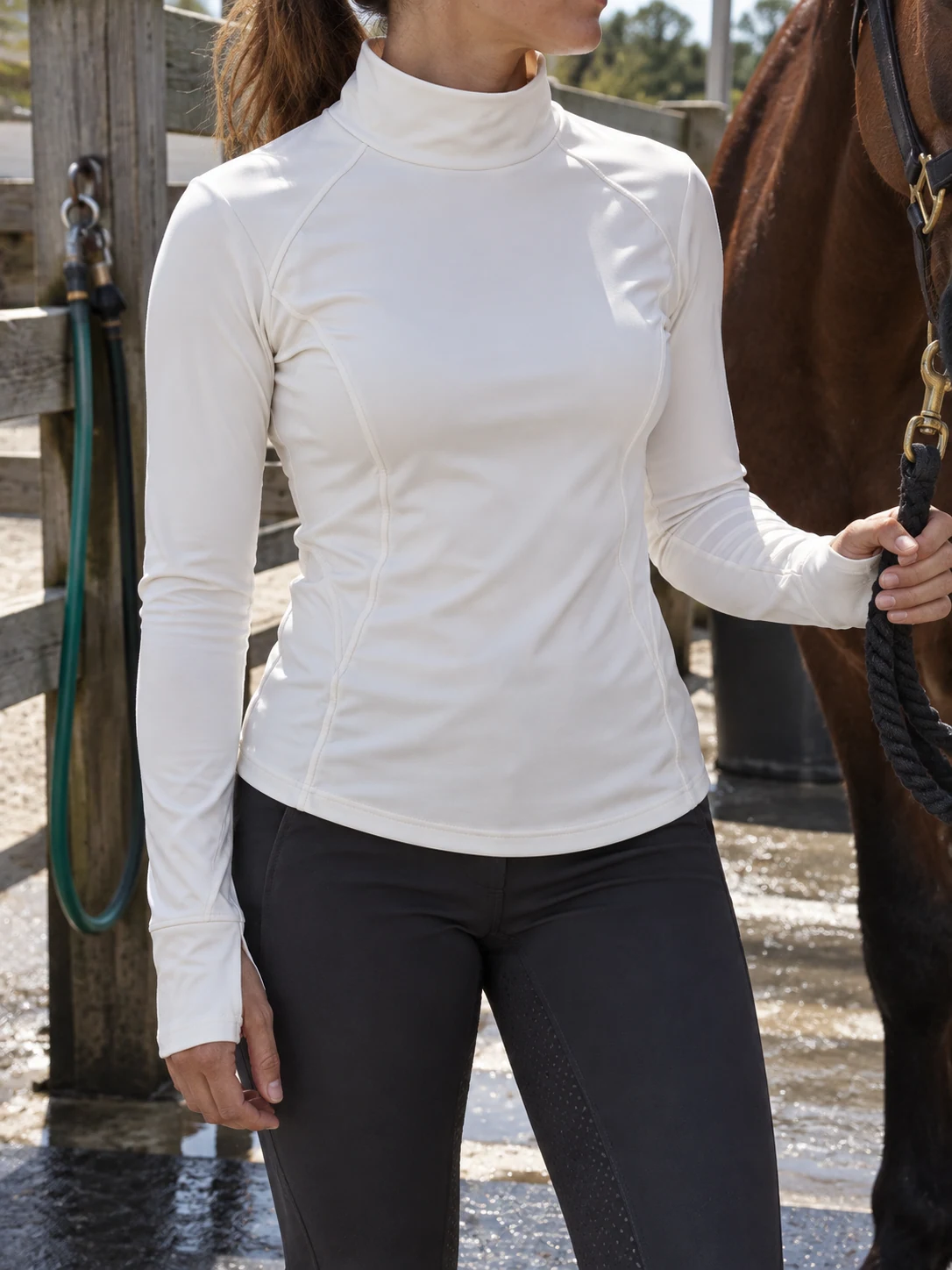
Sun-coverage long-sleeve base layer
Private label long-sleeve riding base layers for equestrian brands: skin coverage, cuffs, neckline and evidence for any sun-protection claims. Request an OEM quote.
Read the buying guide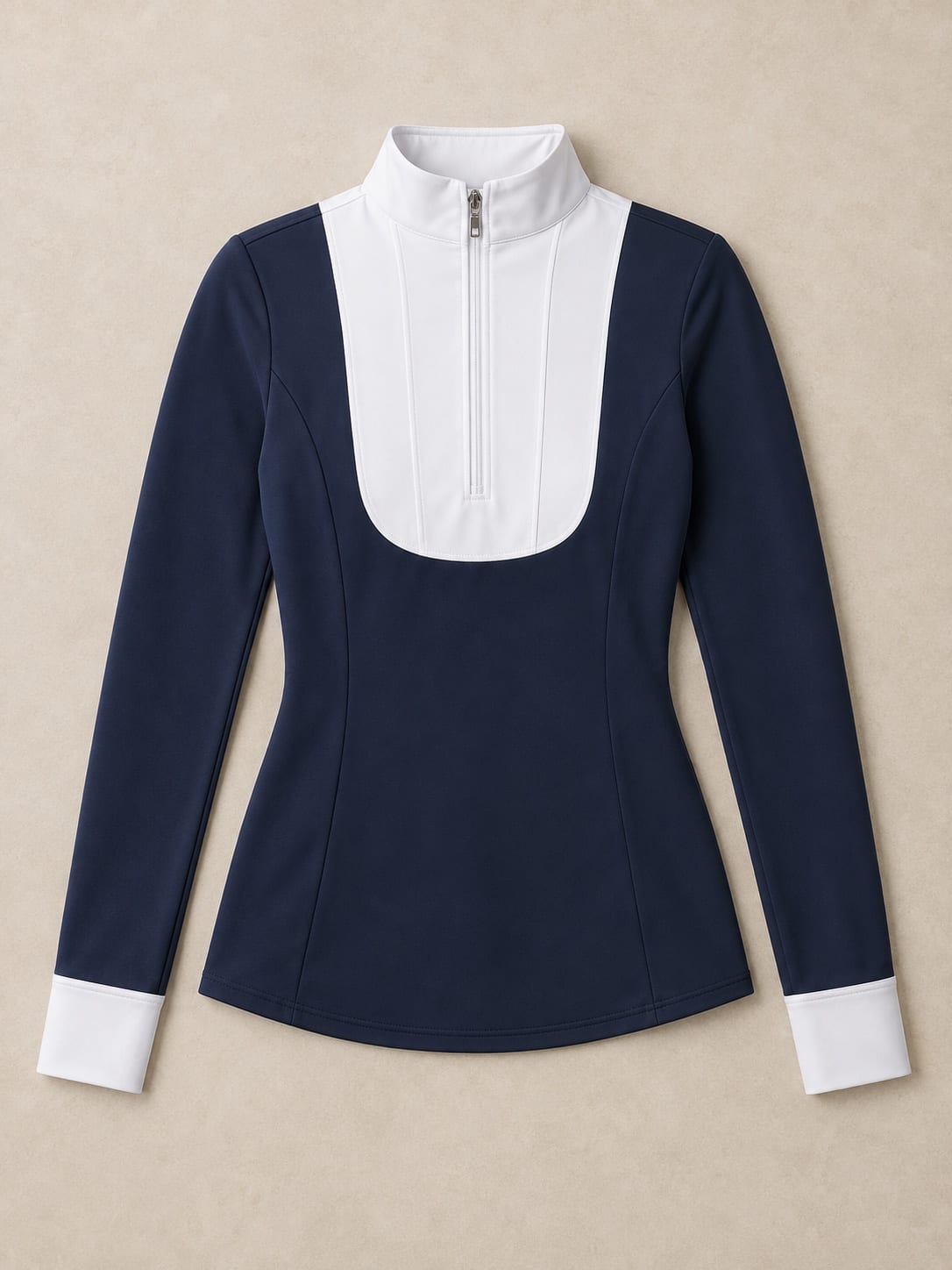
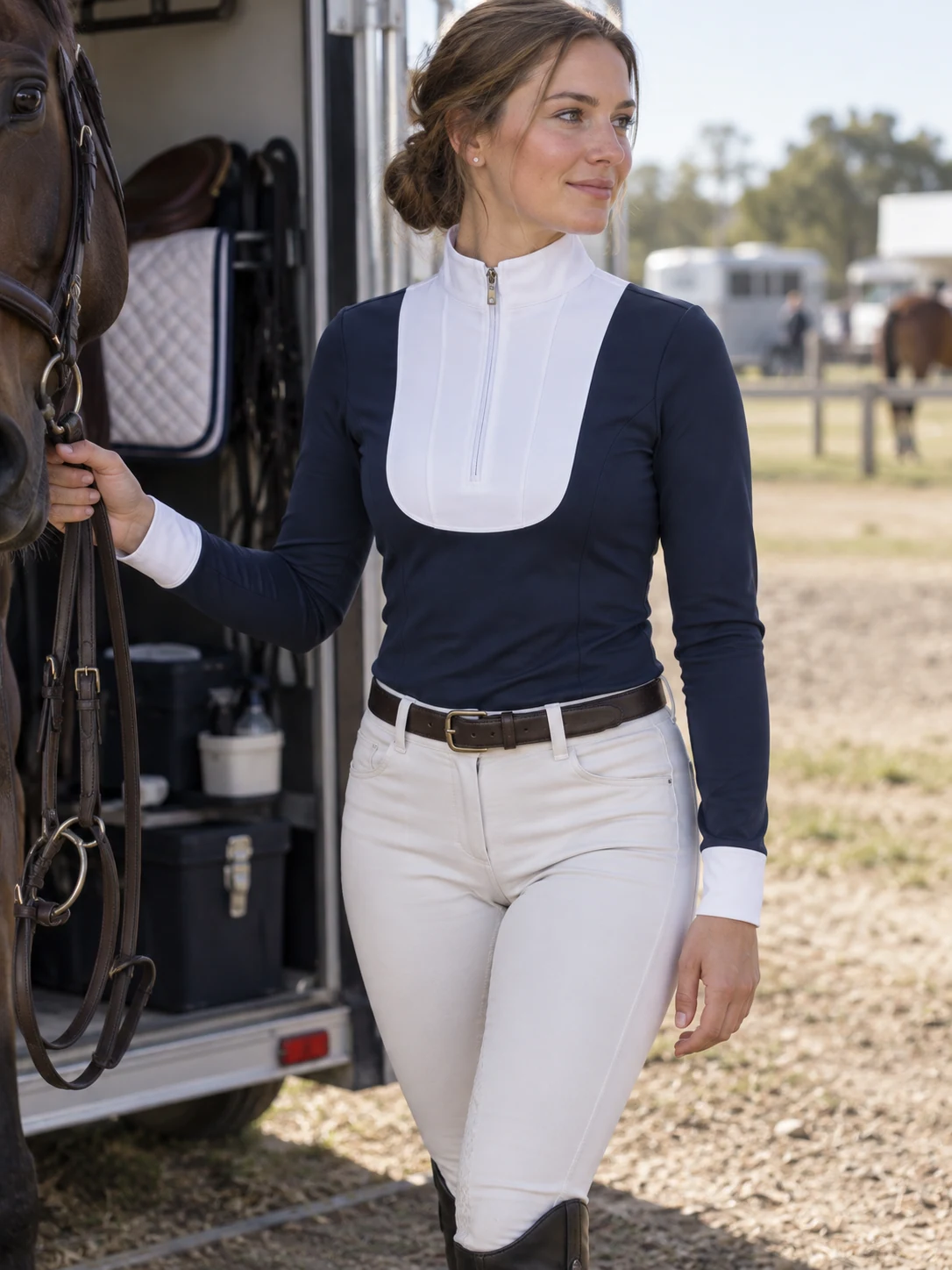
White-bib long-sleeve show shirt
Private label white-bib show shirts for equestrian brands: bib coverage, collar, cuffs, opacity and jacket fit before production. Request an OEM quote.
Read the buying guide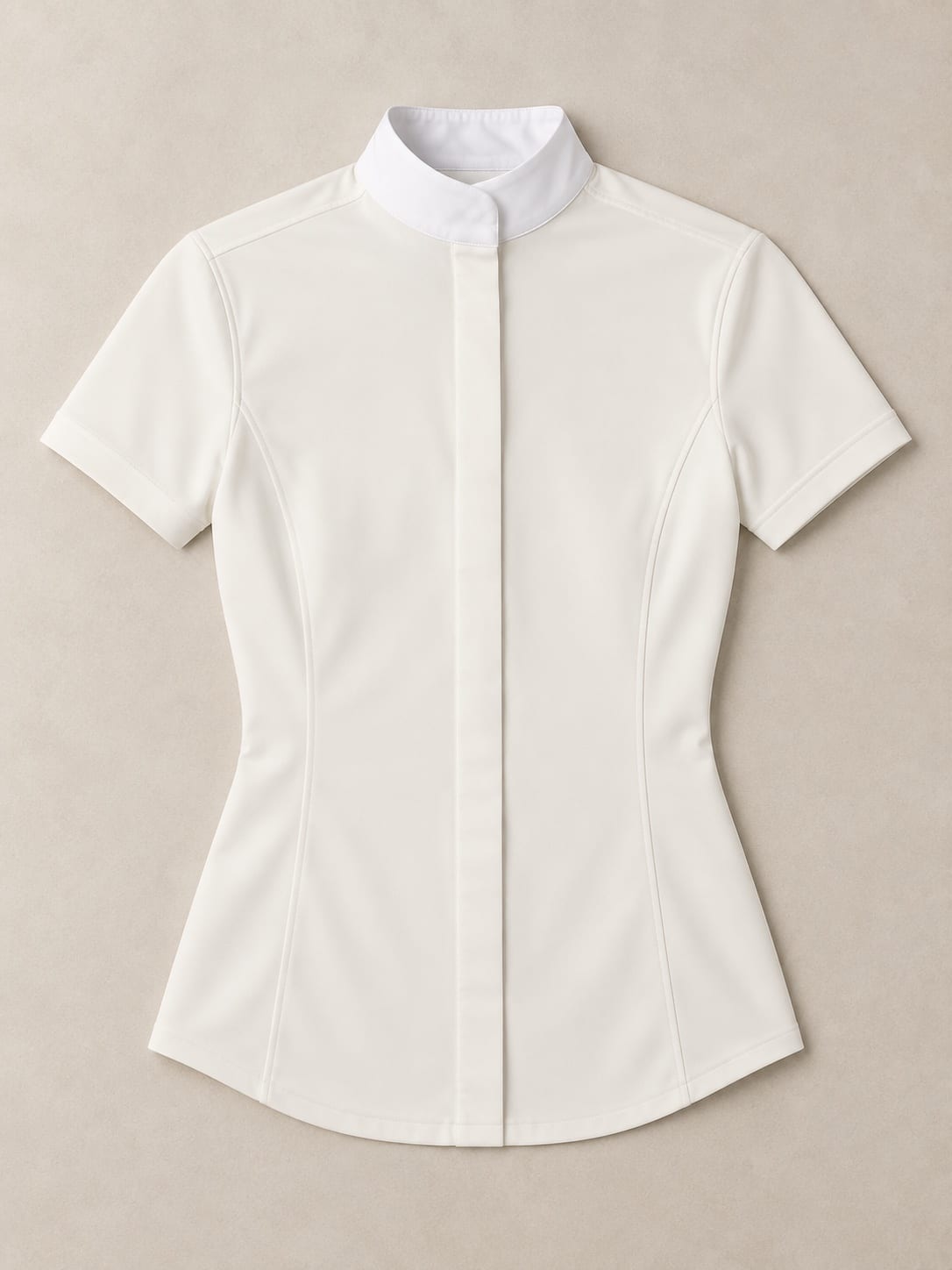
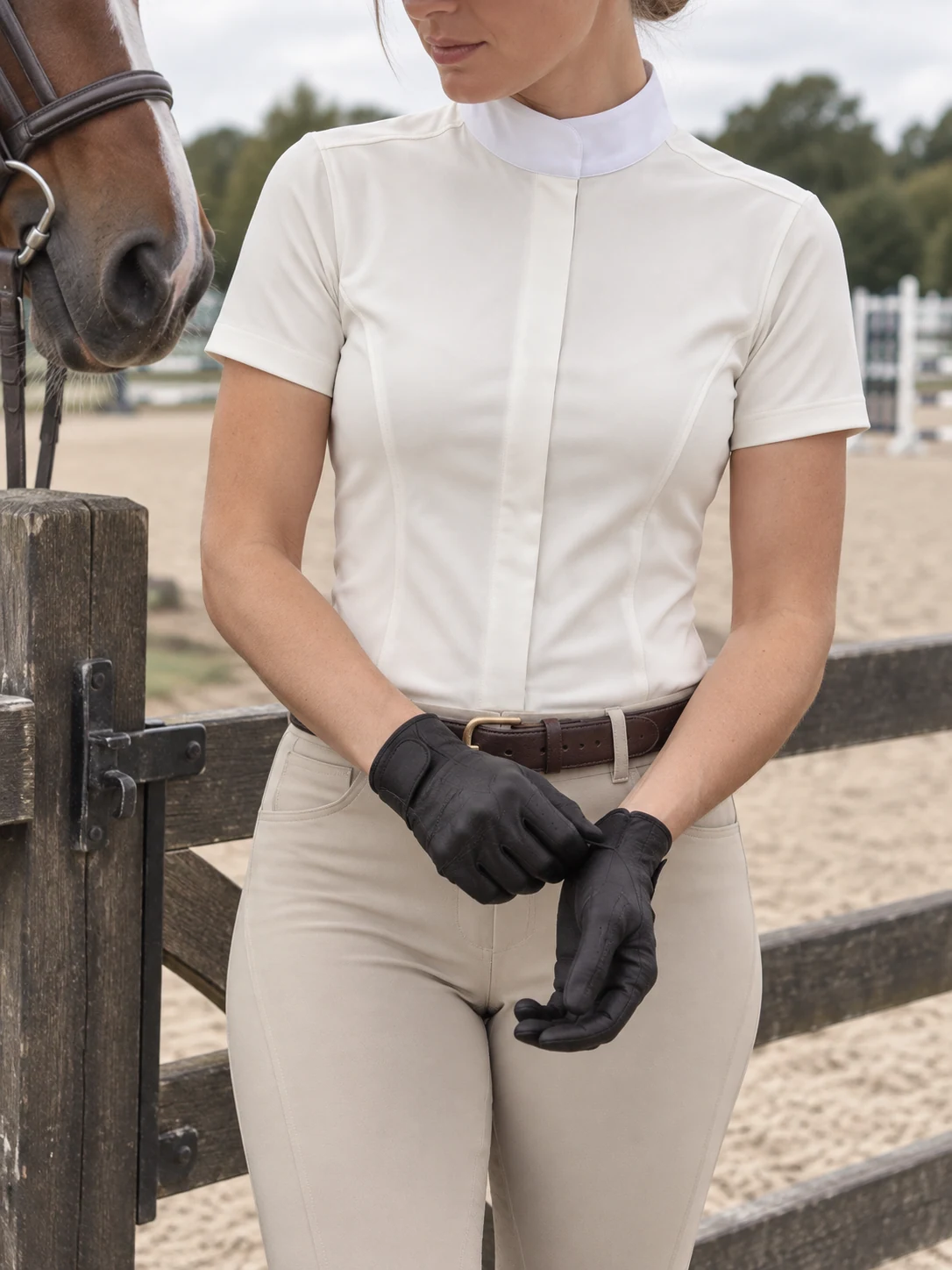
Short-sleeve show shirt
Private label short-sleeve show shirts for equestrian brands: concealed plackets, formal collars, fabric opacity and sample review. Request an OEM quote.
Read the buying guide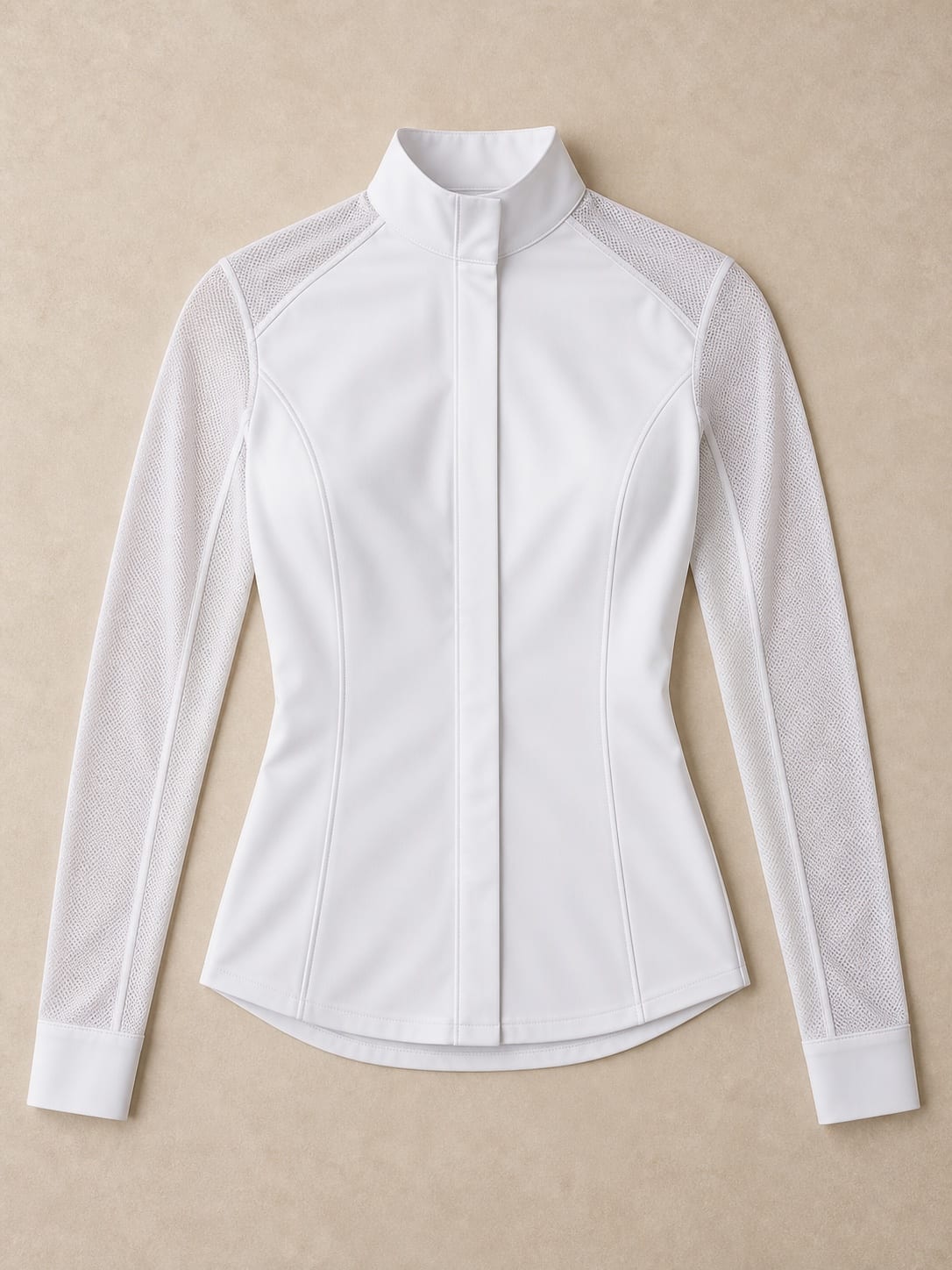
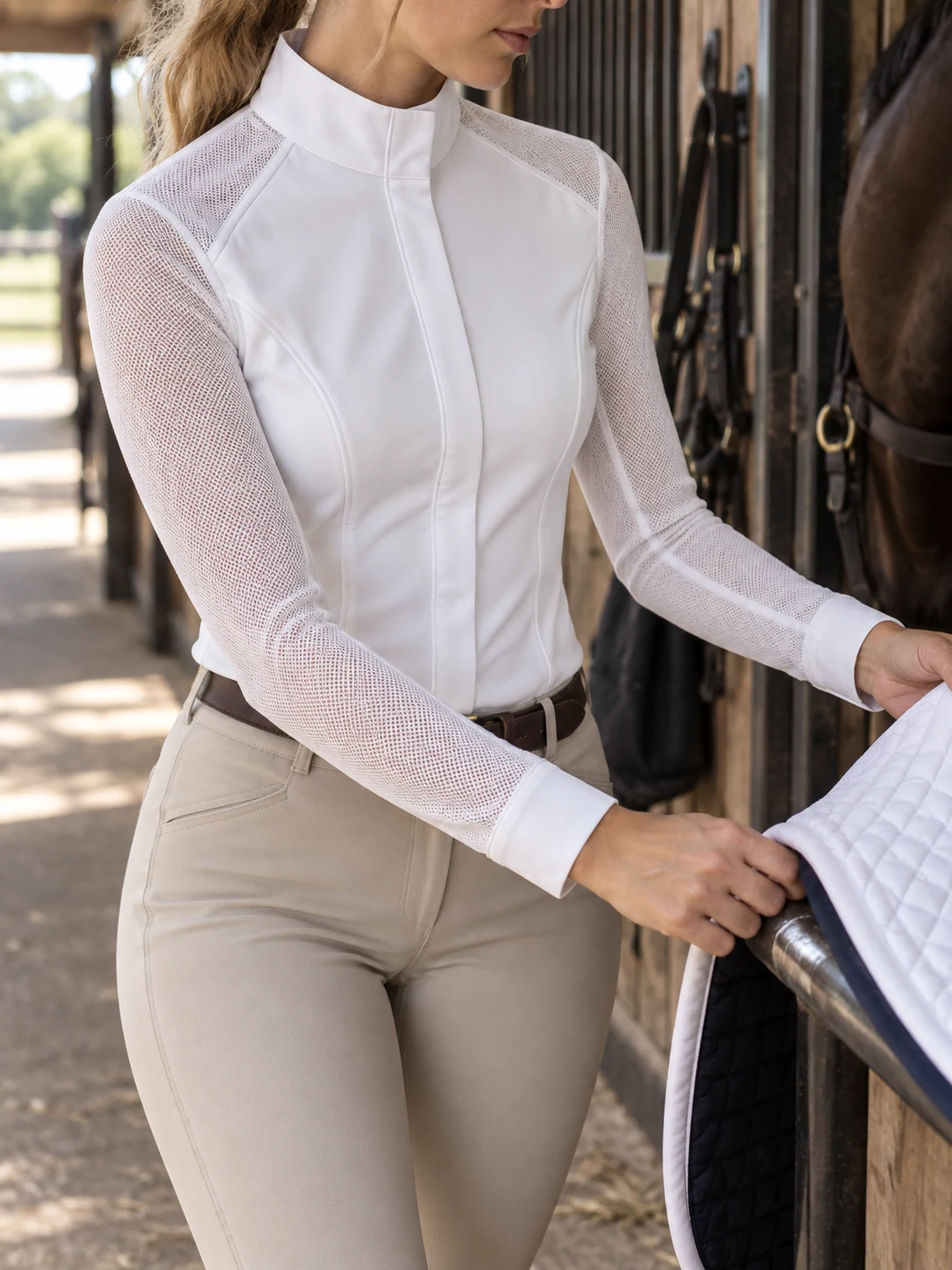
Mesh-sleeve show shirt
Private label mesh-sleeve show shirts for equestrian brands: transparency, arm mobility, mesh joins and competition-market requirements. Request an OEM quote.
Read the buying guide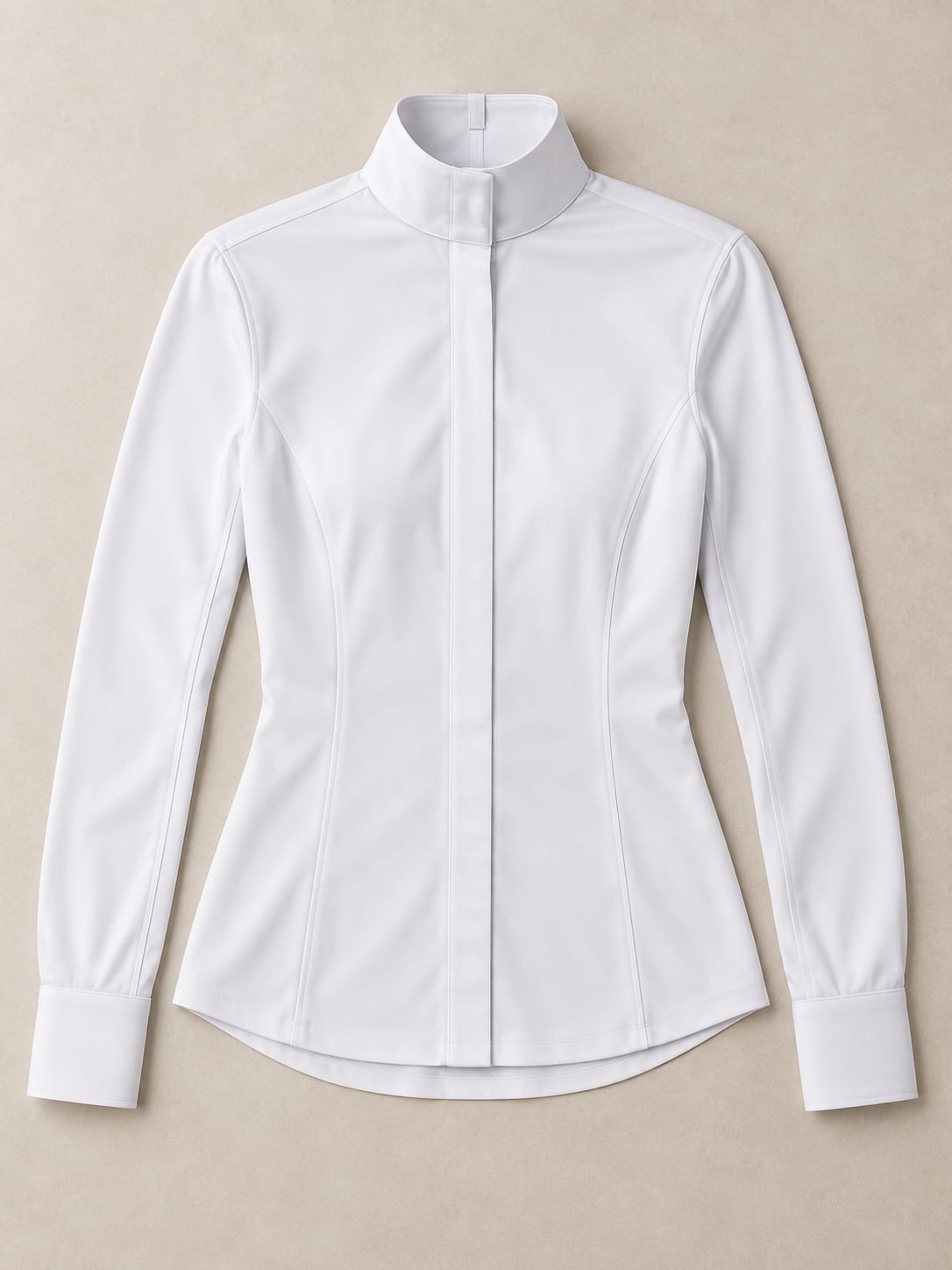
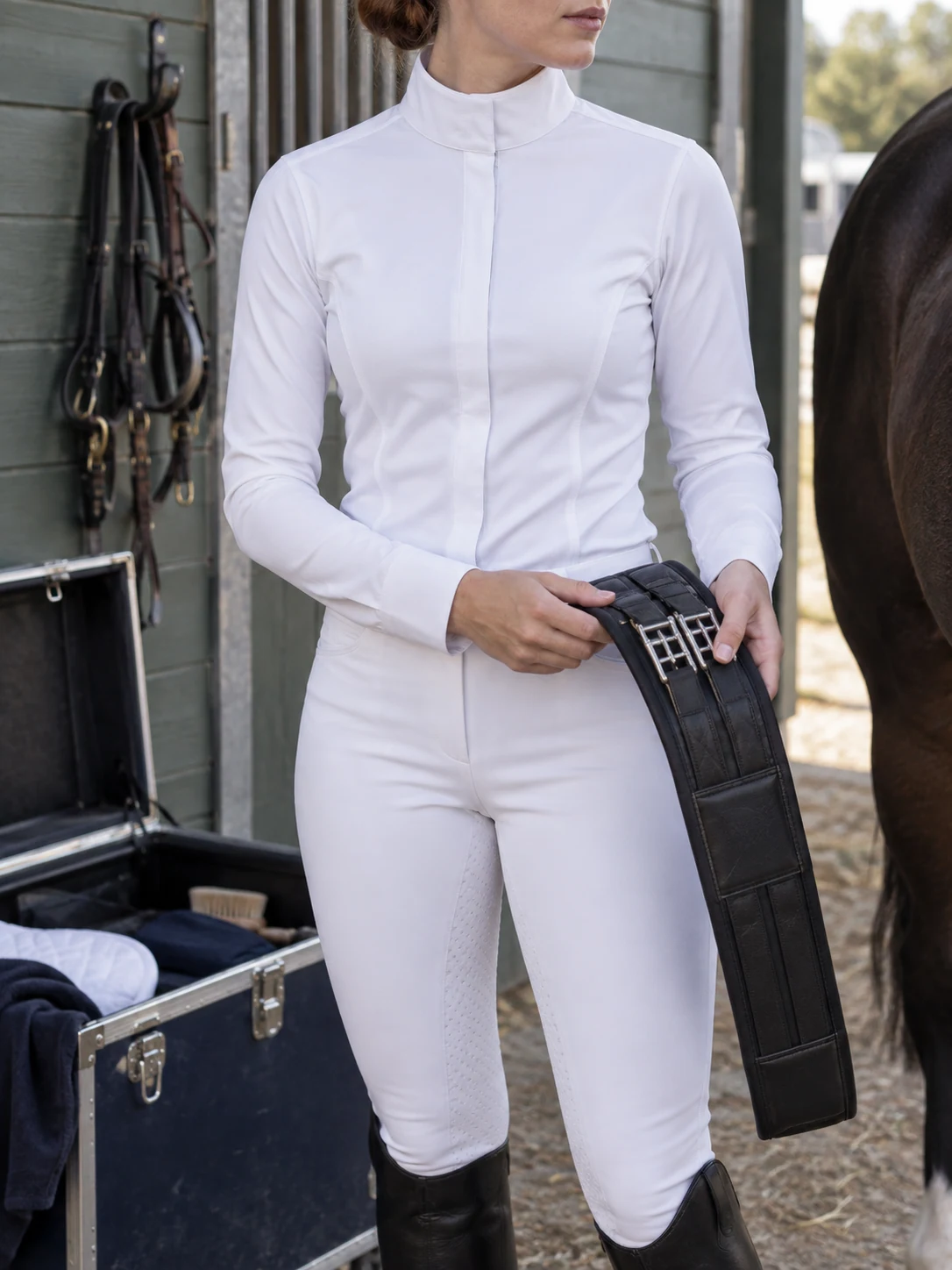
Stock-collar dressage shirt
Private label stock-collar dressage shirts for equestrian brands: neck construction, stock-tie fit, opacity and brand details. Request an OEM quote.
Read the buying guide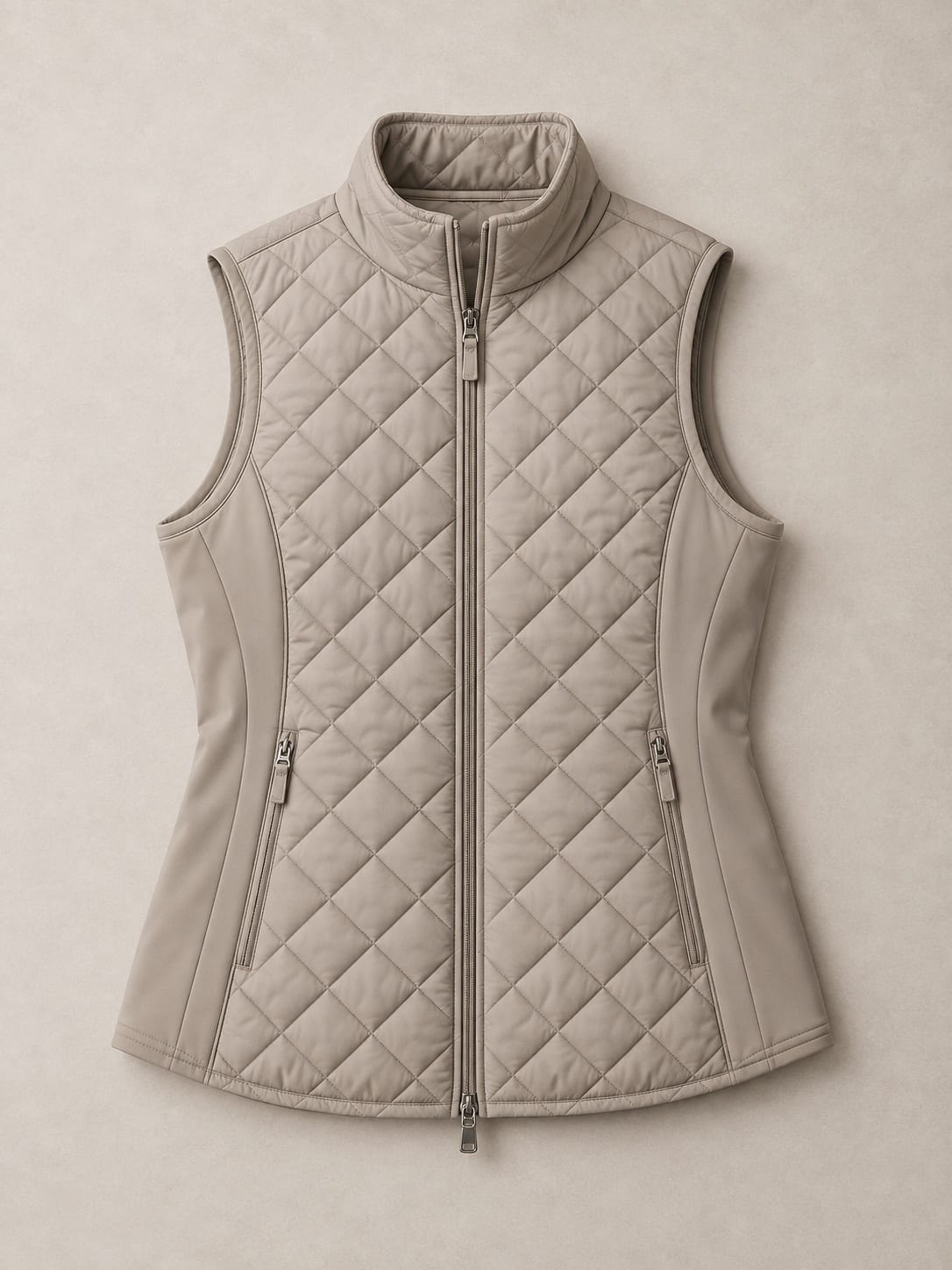
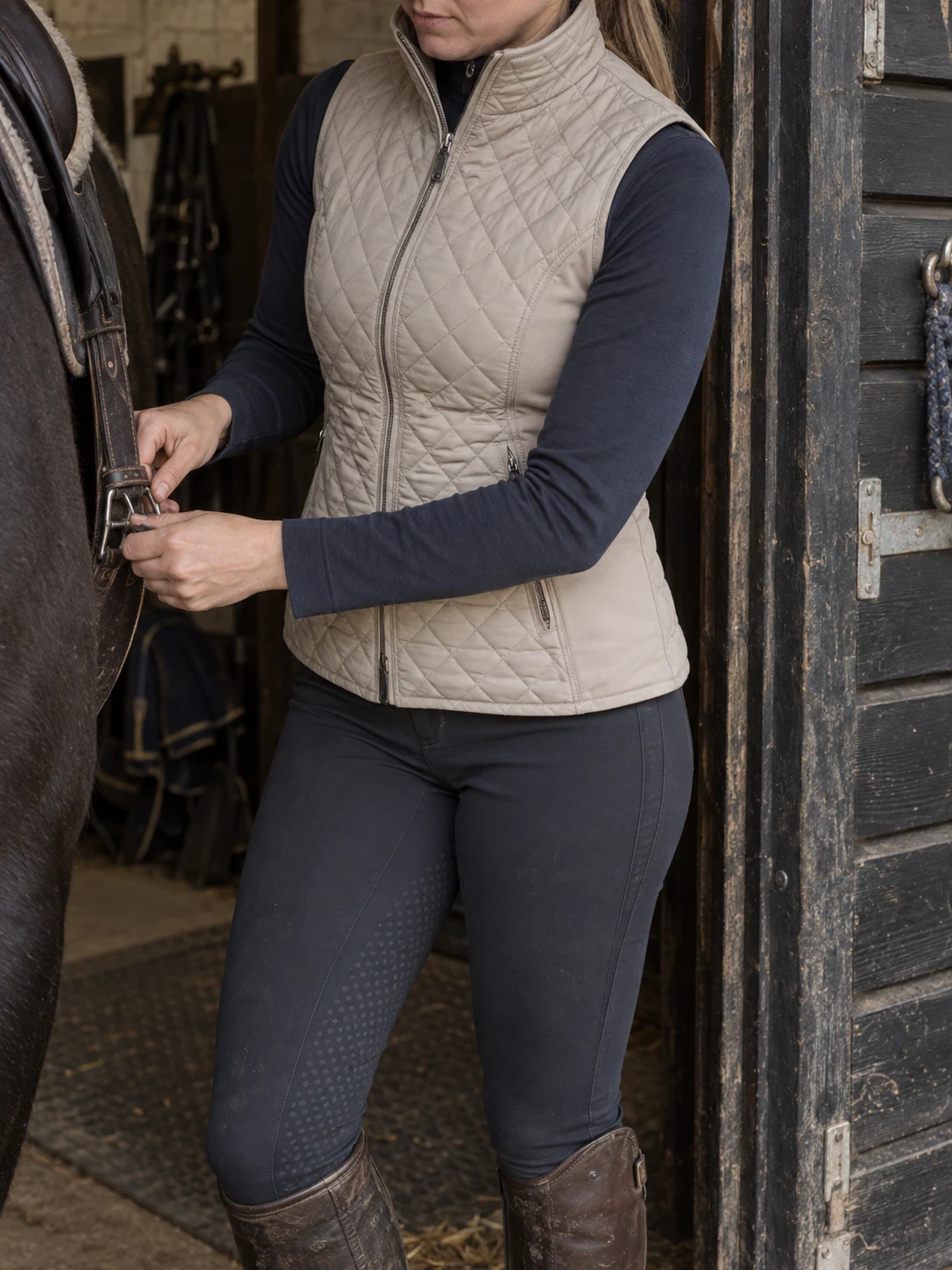
Quilted riding gilet
Private label quilted riding gilets for equestrian brands: length, insulation, two-way zips, pockets and armhole fit. Request an OEM quote.
Read the buying guide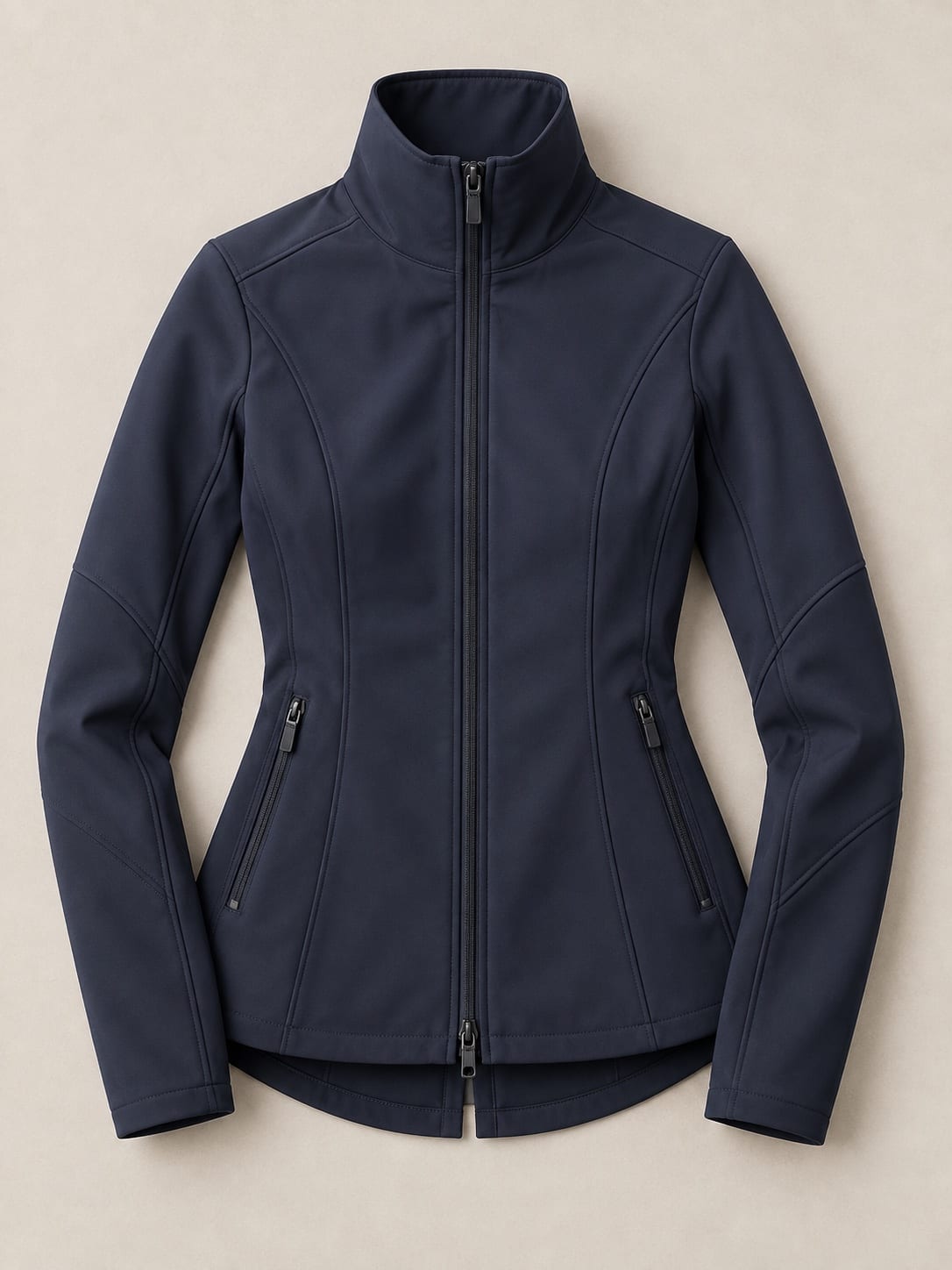
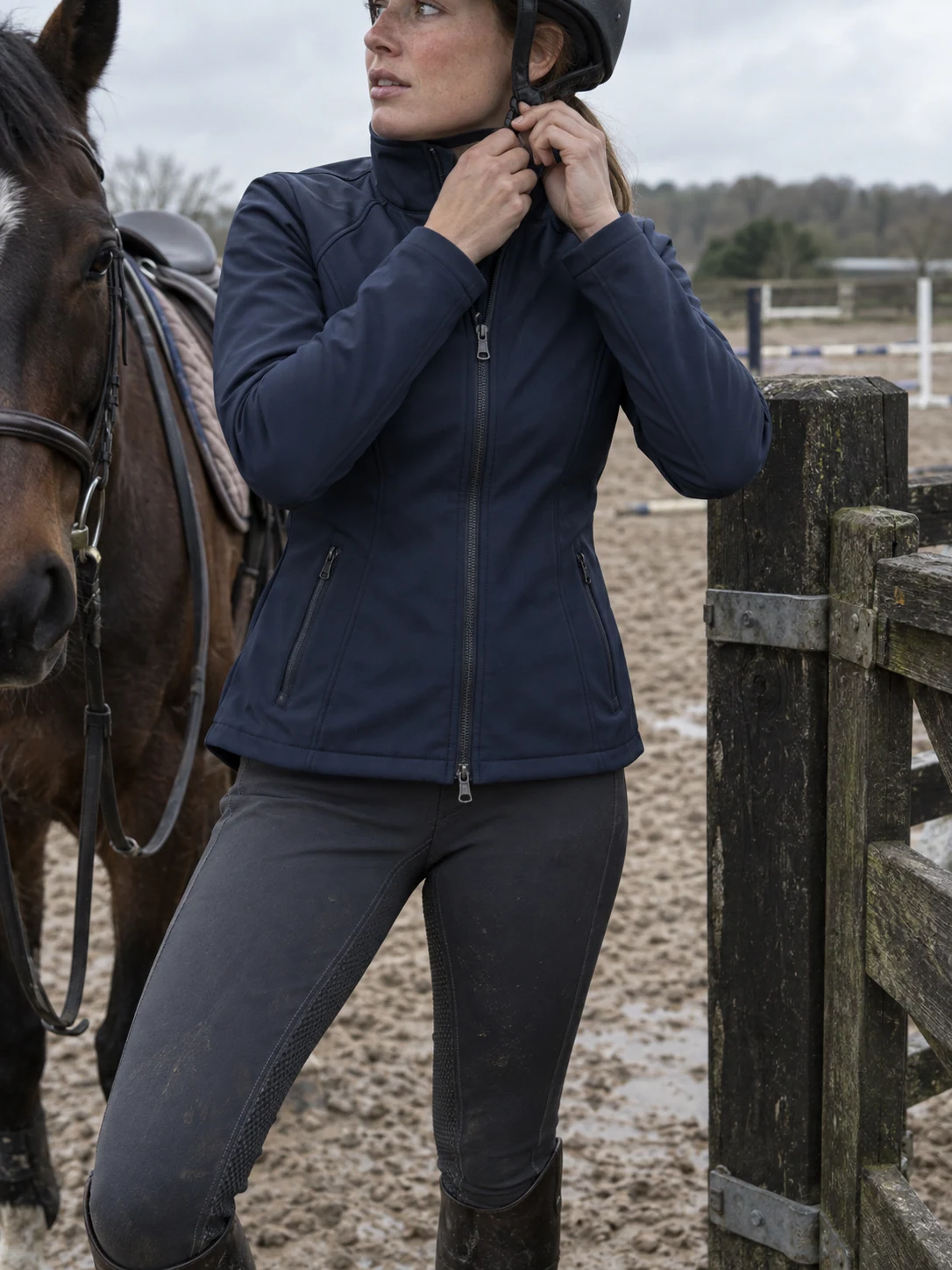
Stretch softshell riding jacket
Private label softshell riding jackets for equestrian brands: stretch fit, hem length, closures and evidence for weather claims. Request an OEM quote.
Read the buying guide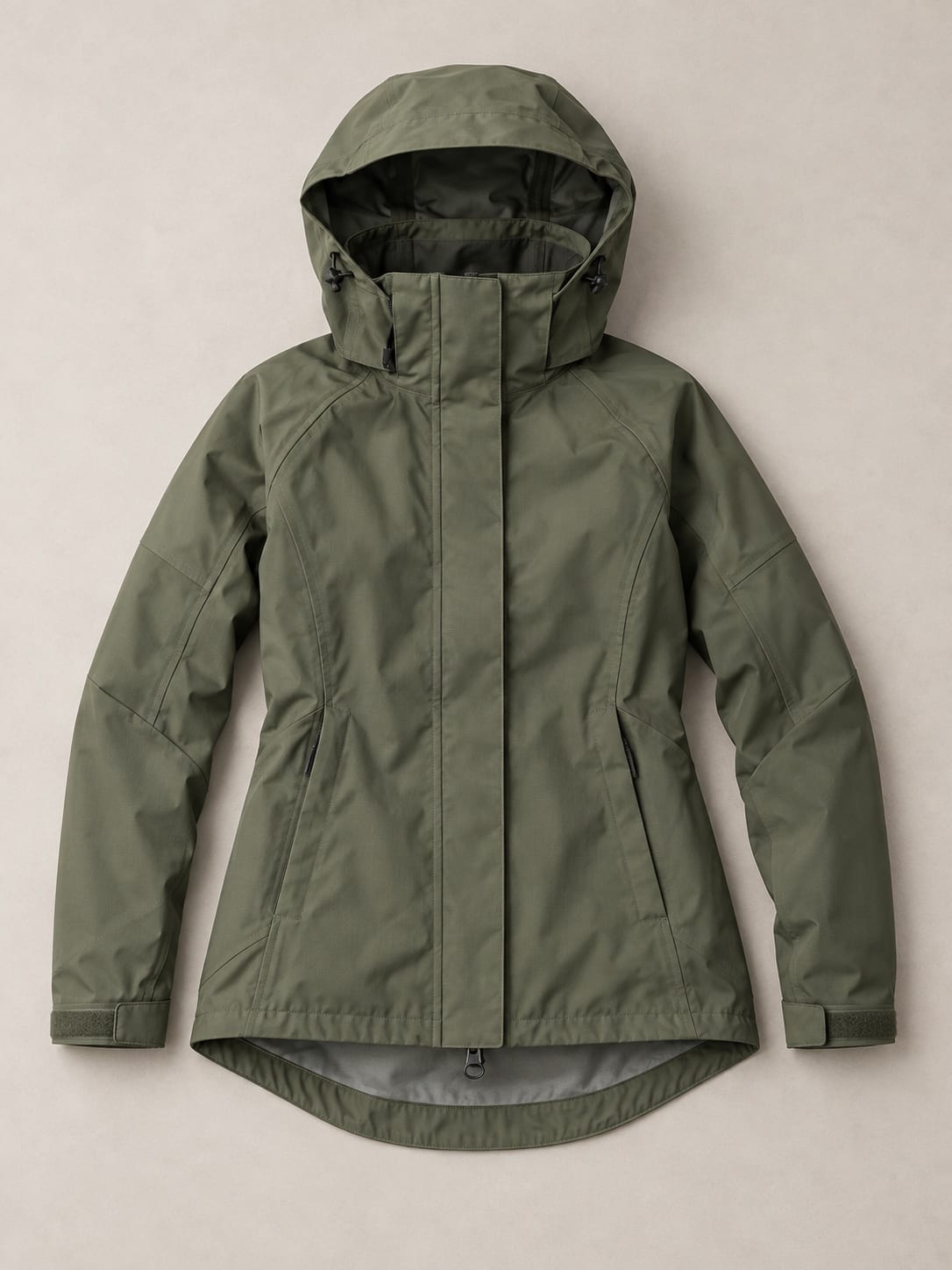
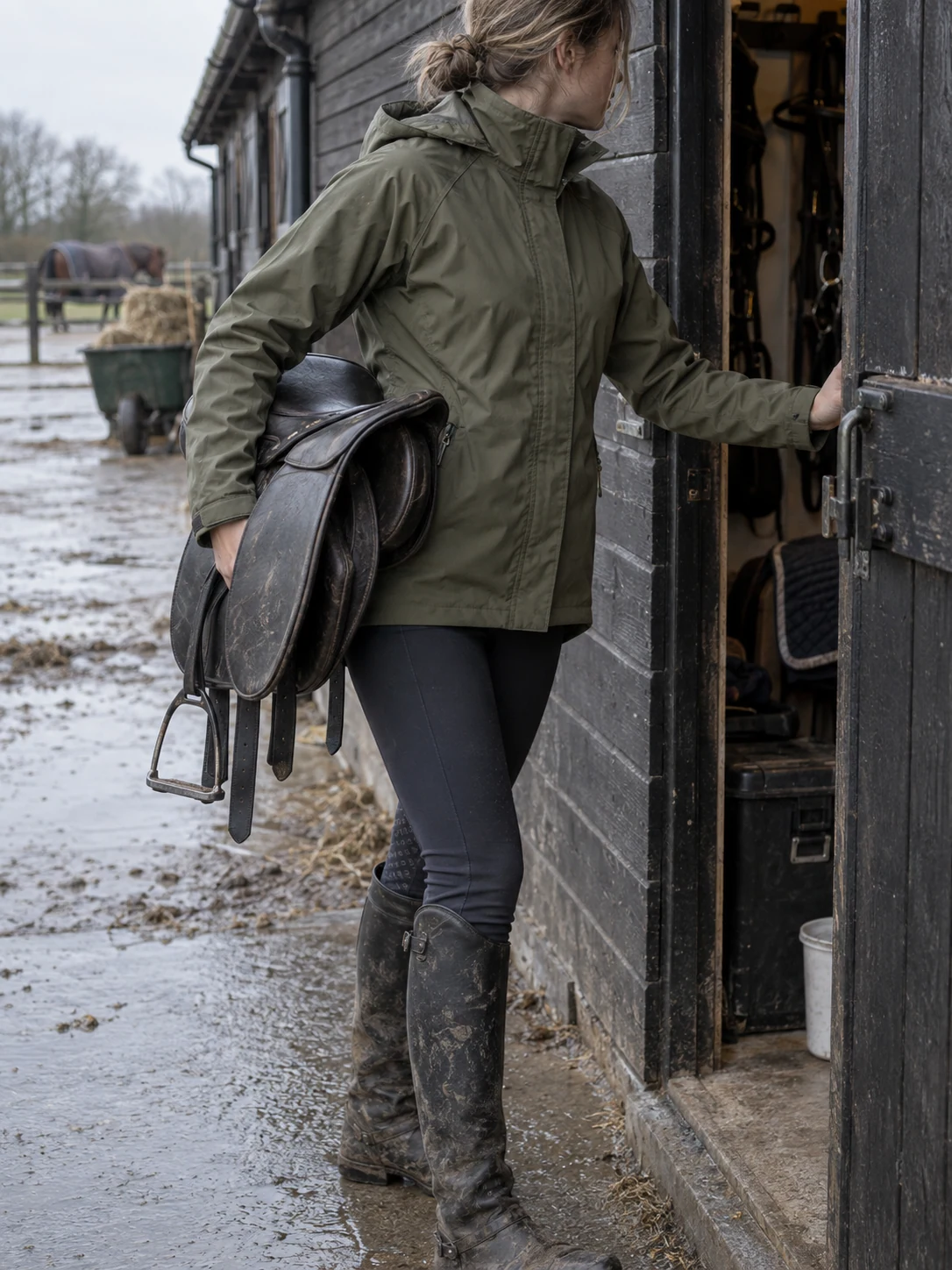
Lightweight rain riding shell
Private label rain riding shells for equestrian brands: seams, zips, mounted coverage and testing of the agreed waterproof target. Request an OEM quote.
Read the buying guide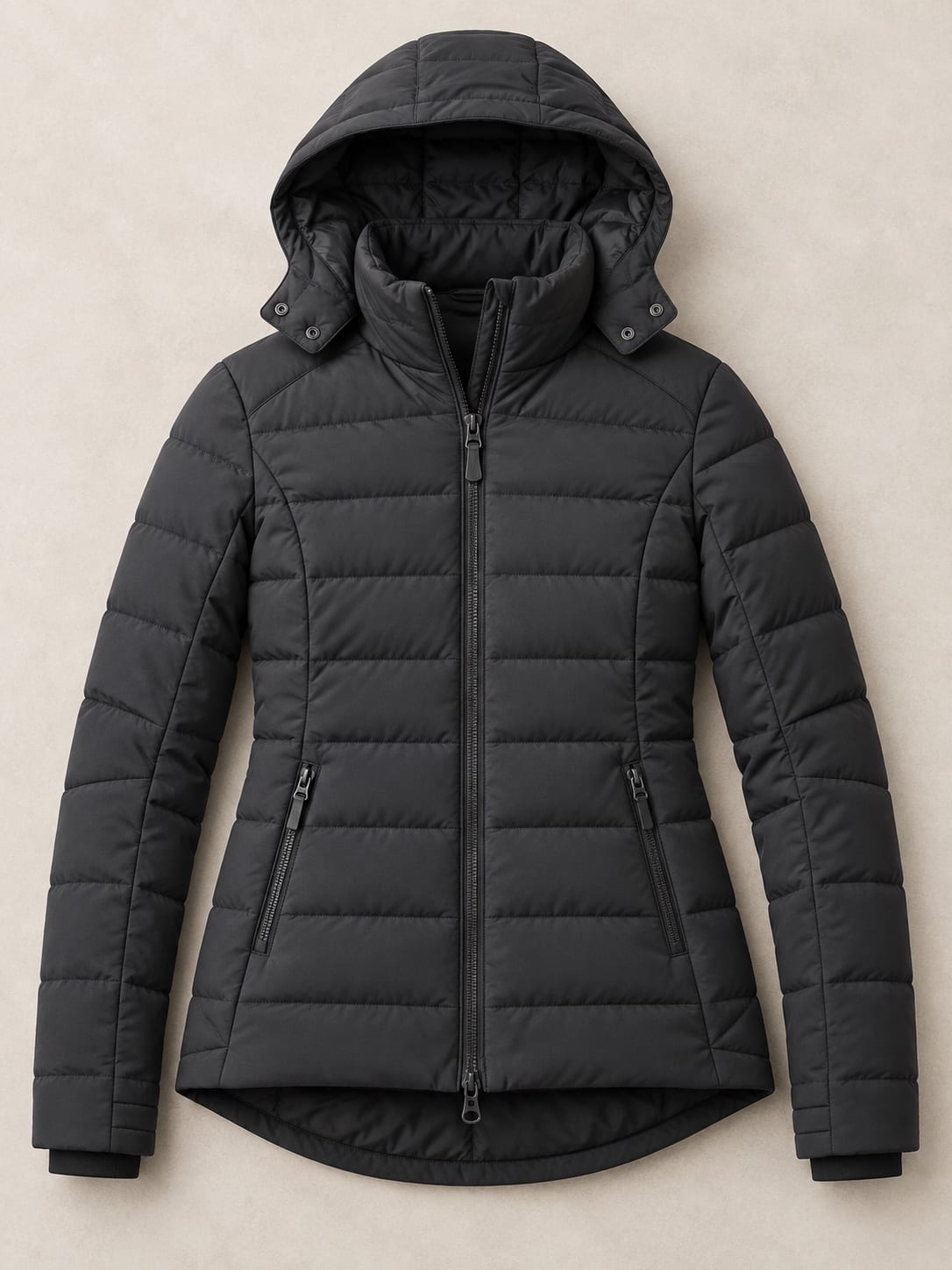
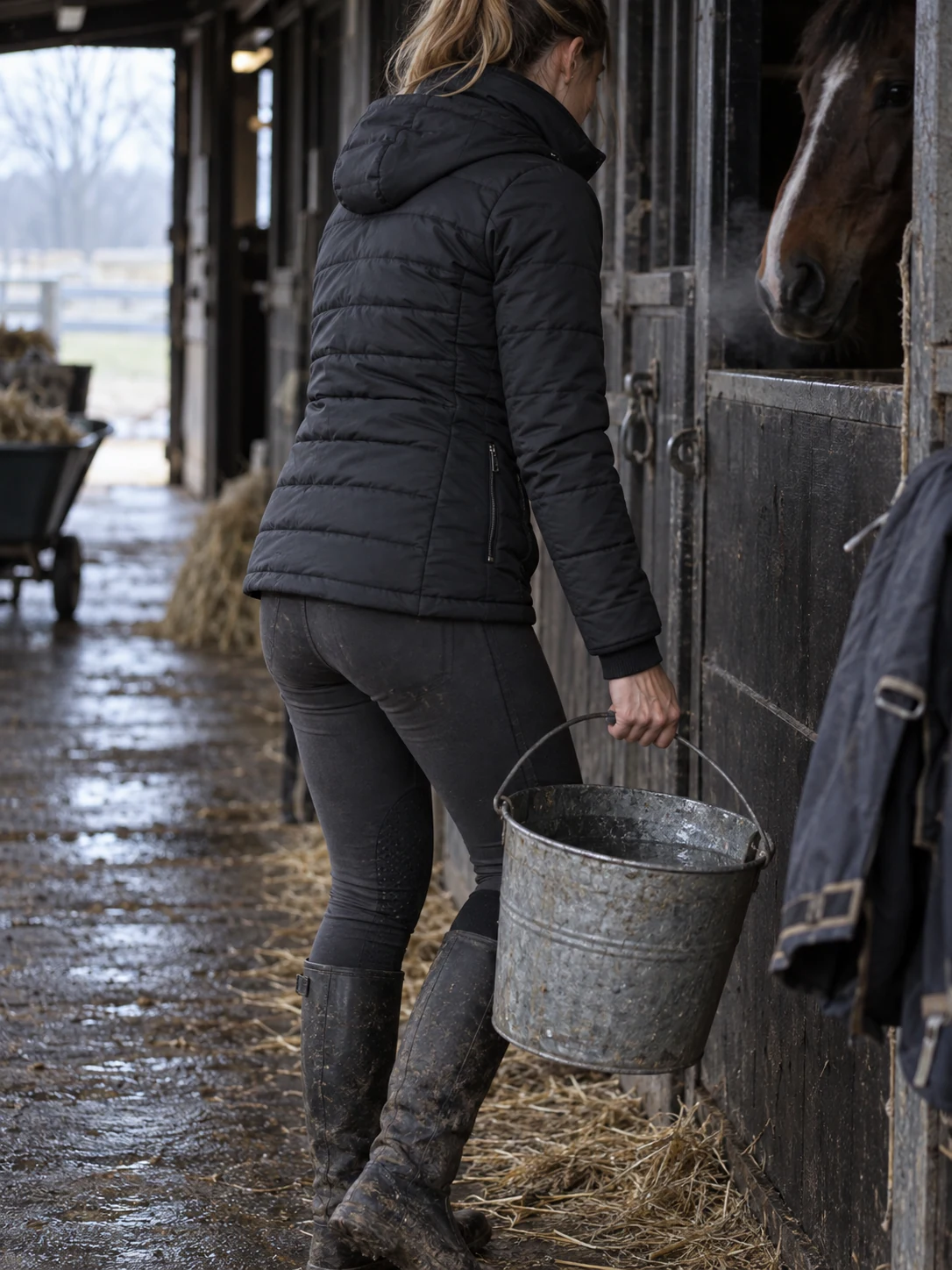
Insulated stable jacket
Private label insulated stable jackets for equestrian brands: outer fabric, fill, layering ease, pockets and wash checks. Request an OEM quote.
Read the buying guide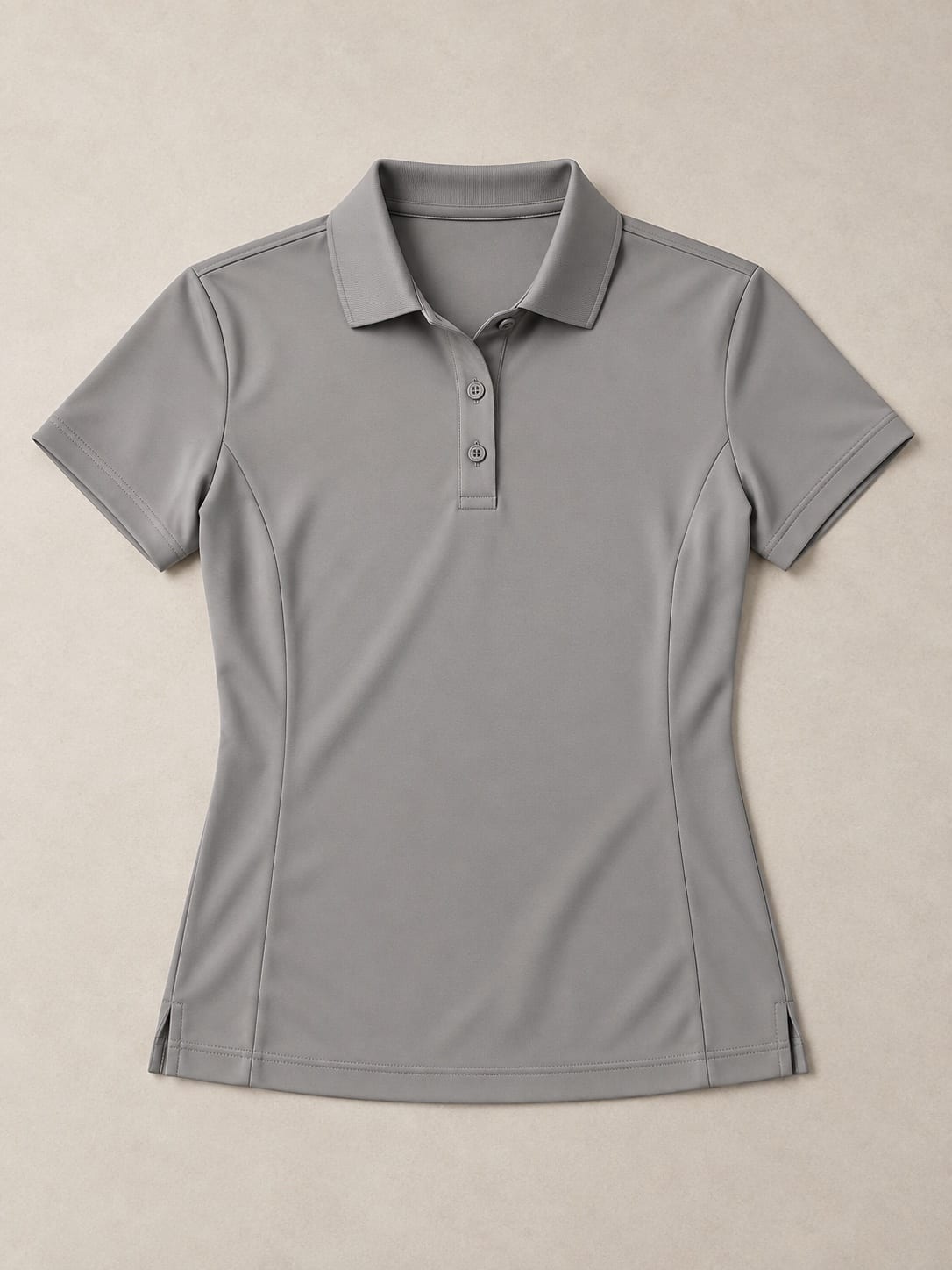
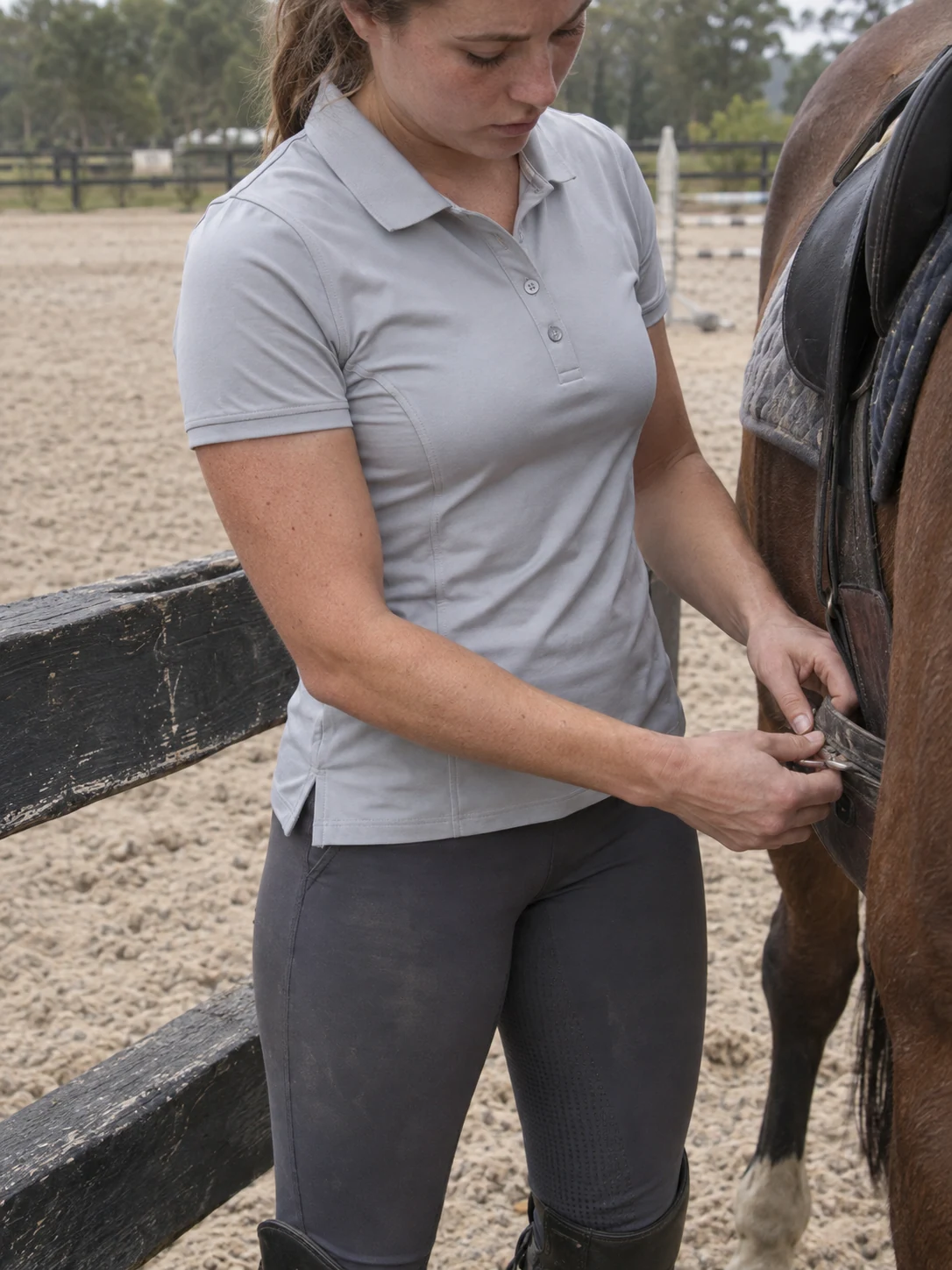
Technical training polo
Private label technical riding polos for equestrian brands: collars, plackets, fabric targets, logo durability and sample approval. Request an OEM quote.
Read the buying guide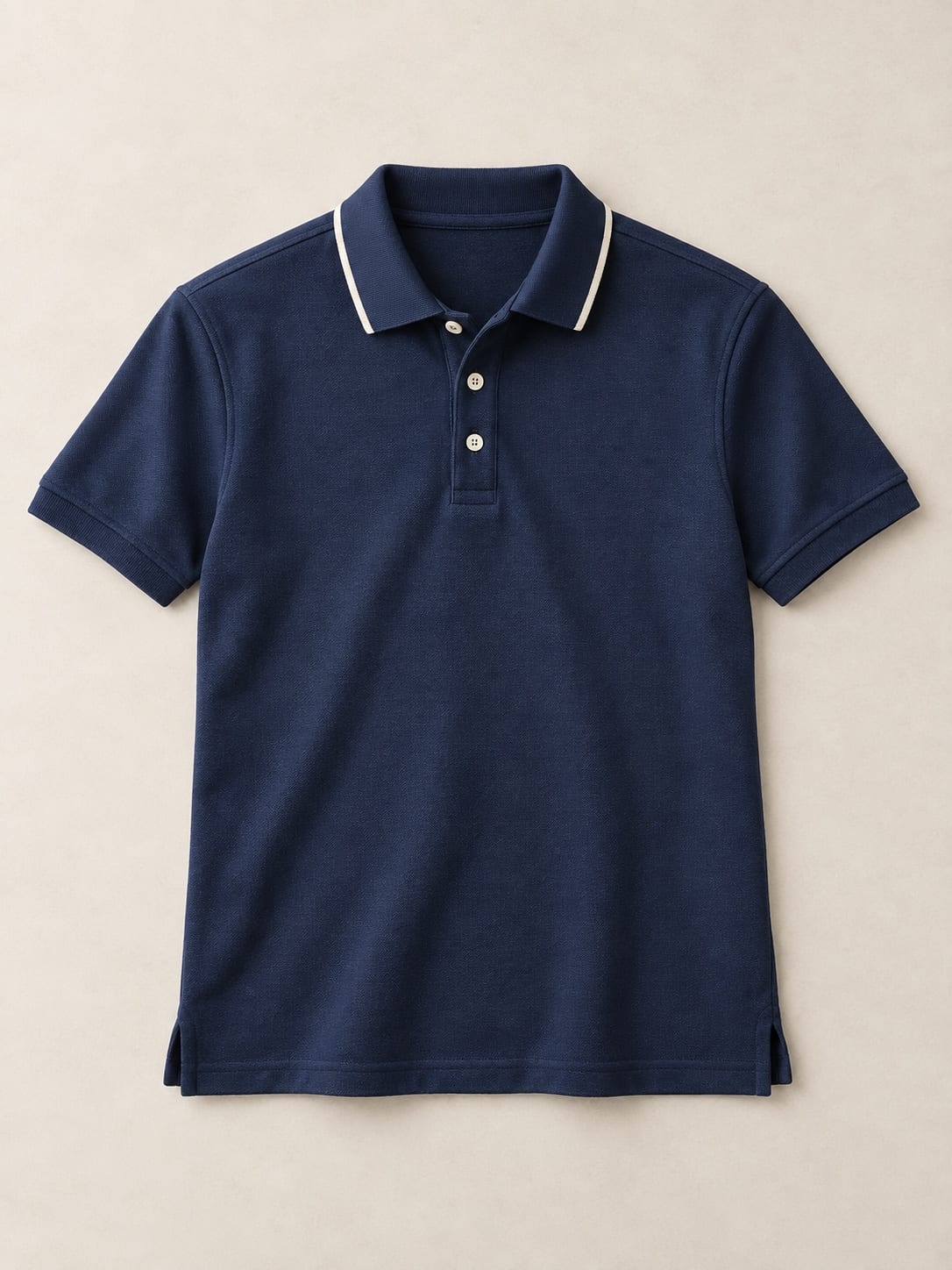
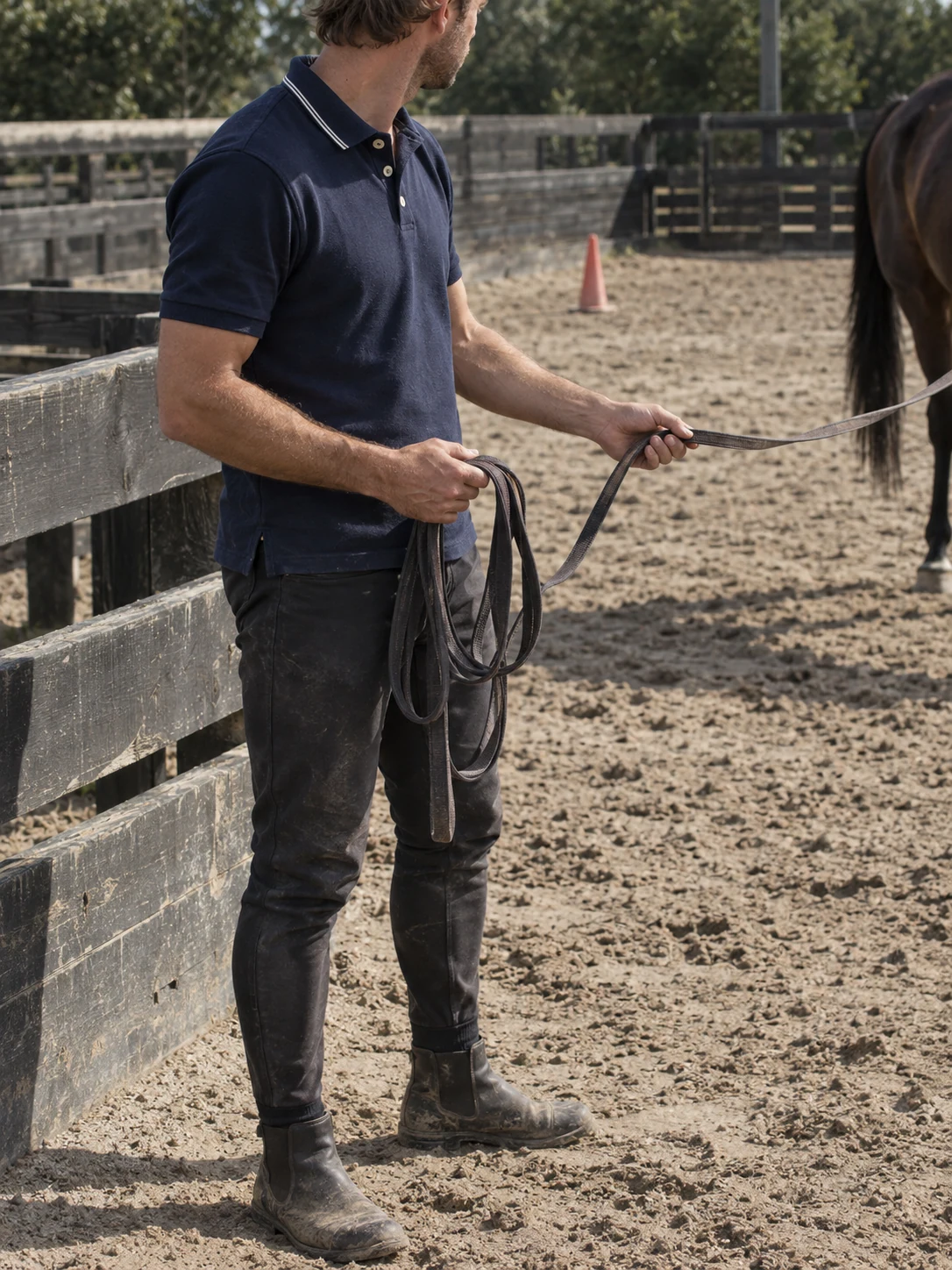
Piqué club polo
Private label piqué equestrian club polos for equestrian brands: embroidery, roster sizing, collar structure and repeat-care checks. Request an OEM quote.
Read the buying guide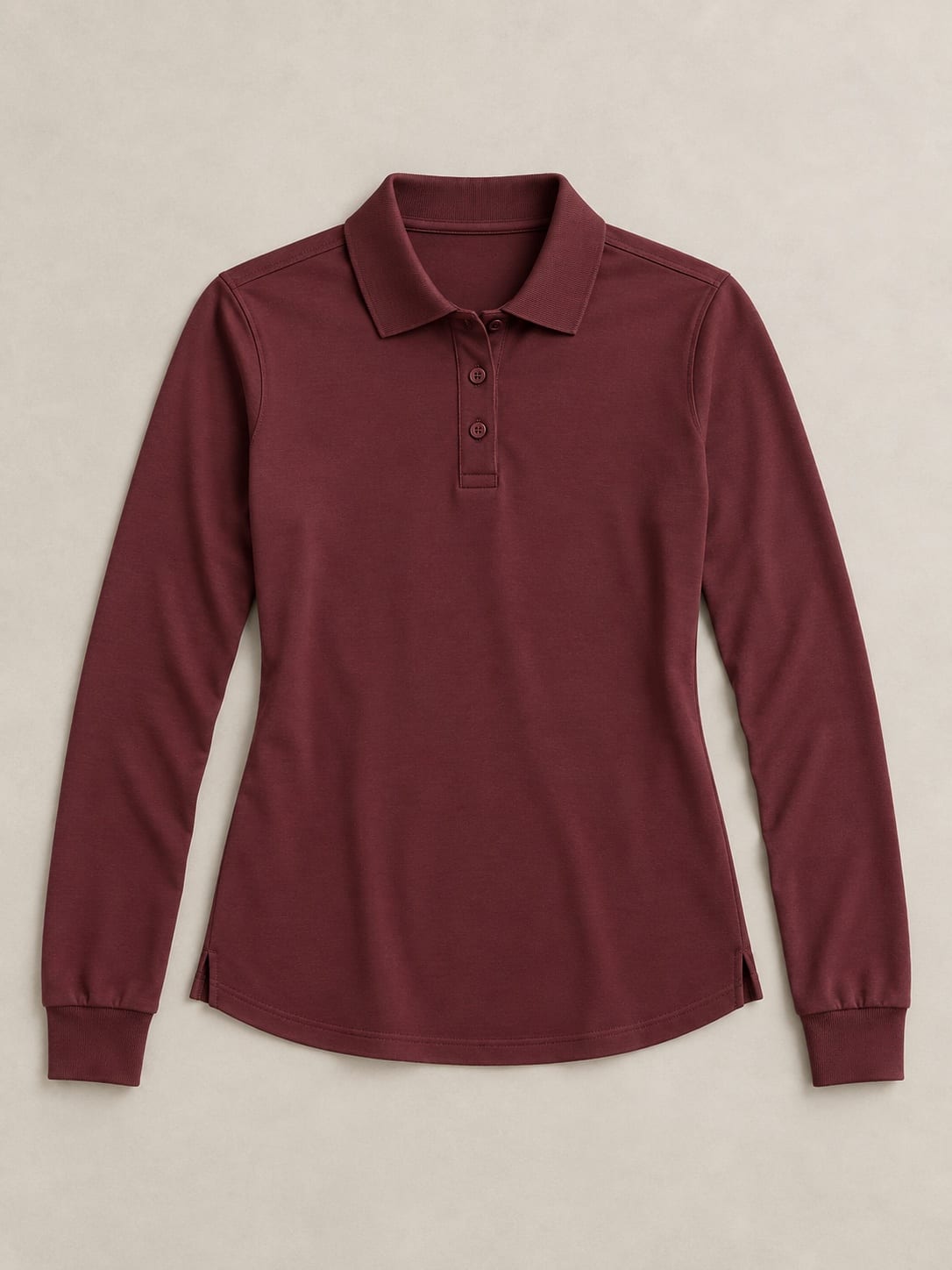
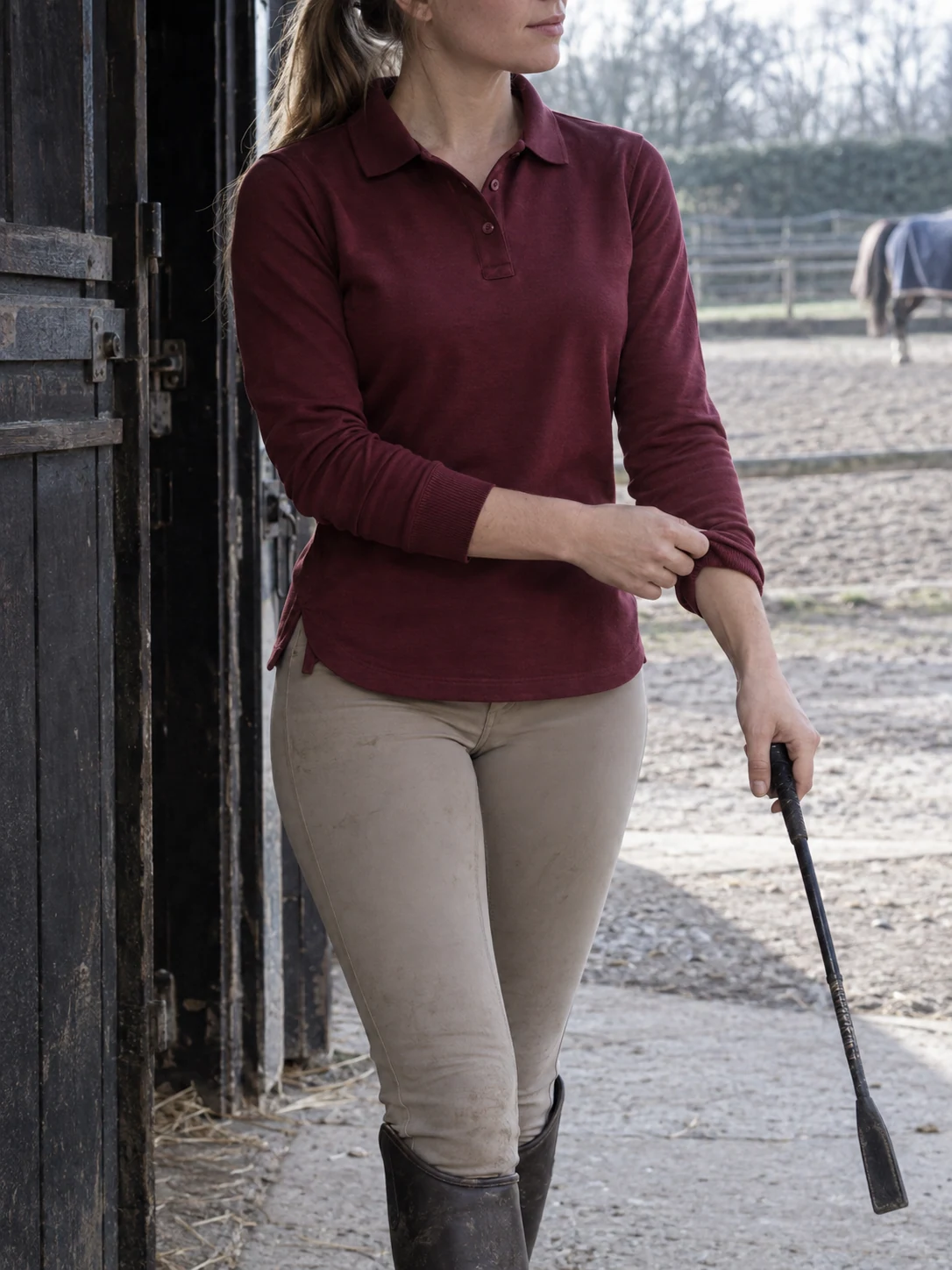
Long-sleeve riding polo
Private label long-sleeve riding polos for equestrian brands: sleeve fit, cuffs, collar stability and seasonal fabric specifications. Request an OEM quote.
Read the buying guide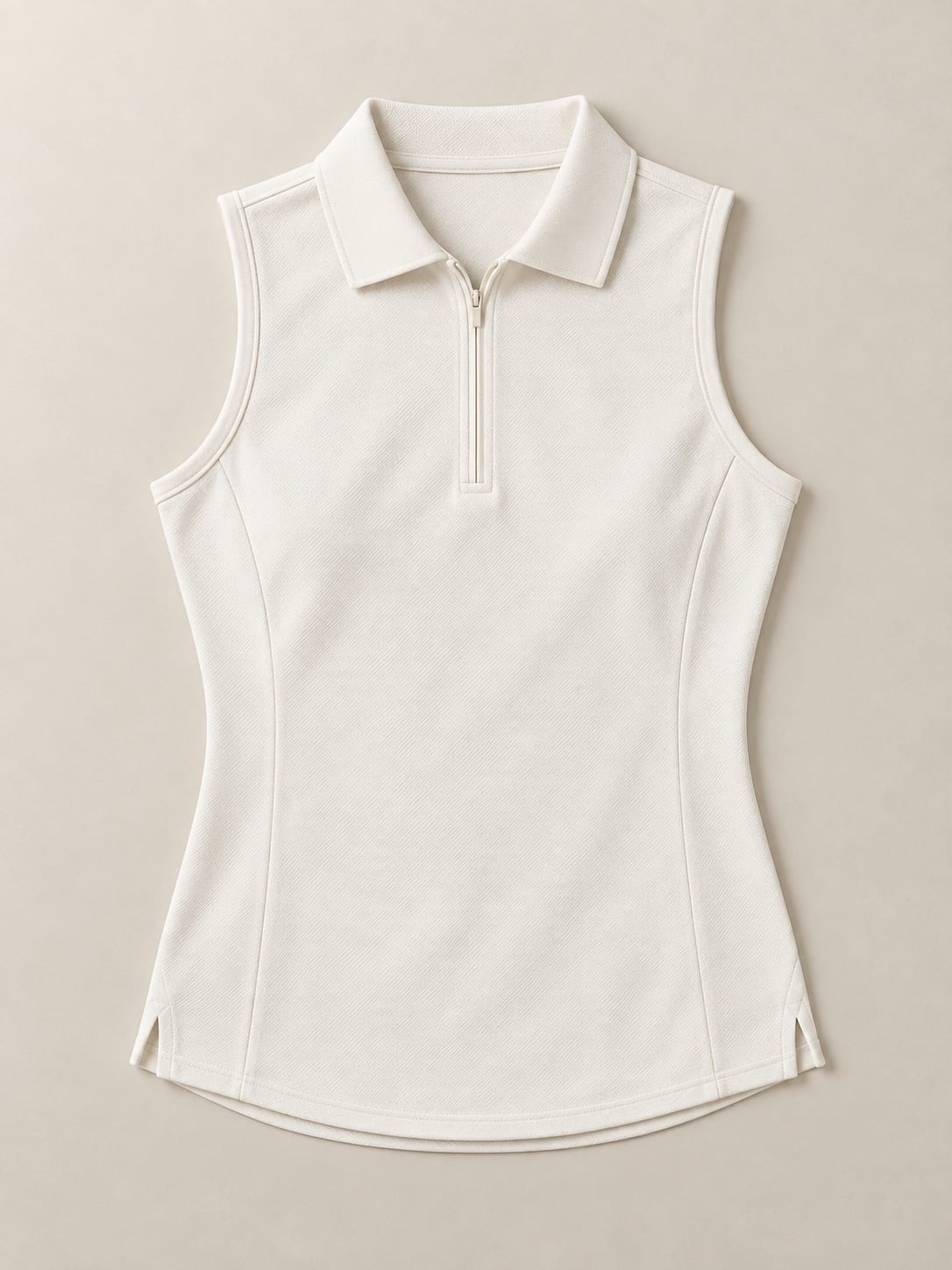
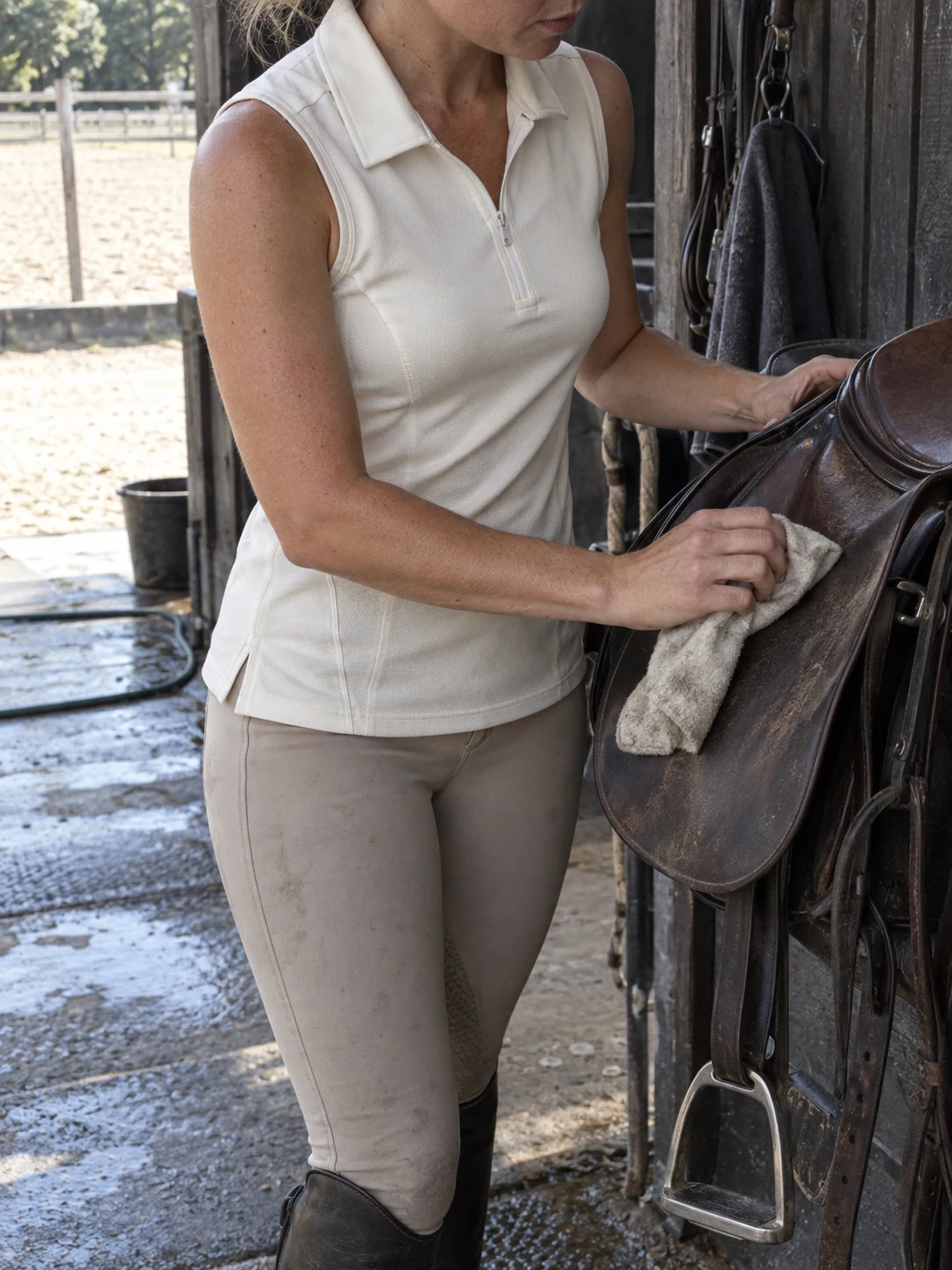
Sleeveless summer riding polo
Private label sleeveless riding polos for equestrian brands: armhole coverage, shoulder mobility, collar and brand details. Request an OEM quote.
Read the buying guideBUILD THE RANGE WITH INTENTSTART FOCUSED.
START FOCUSED.
MAKE IT COHERENT.
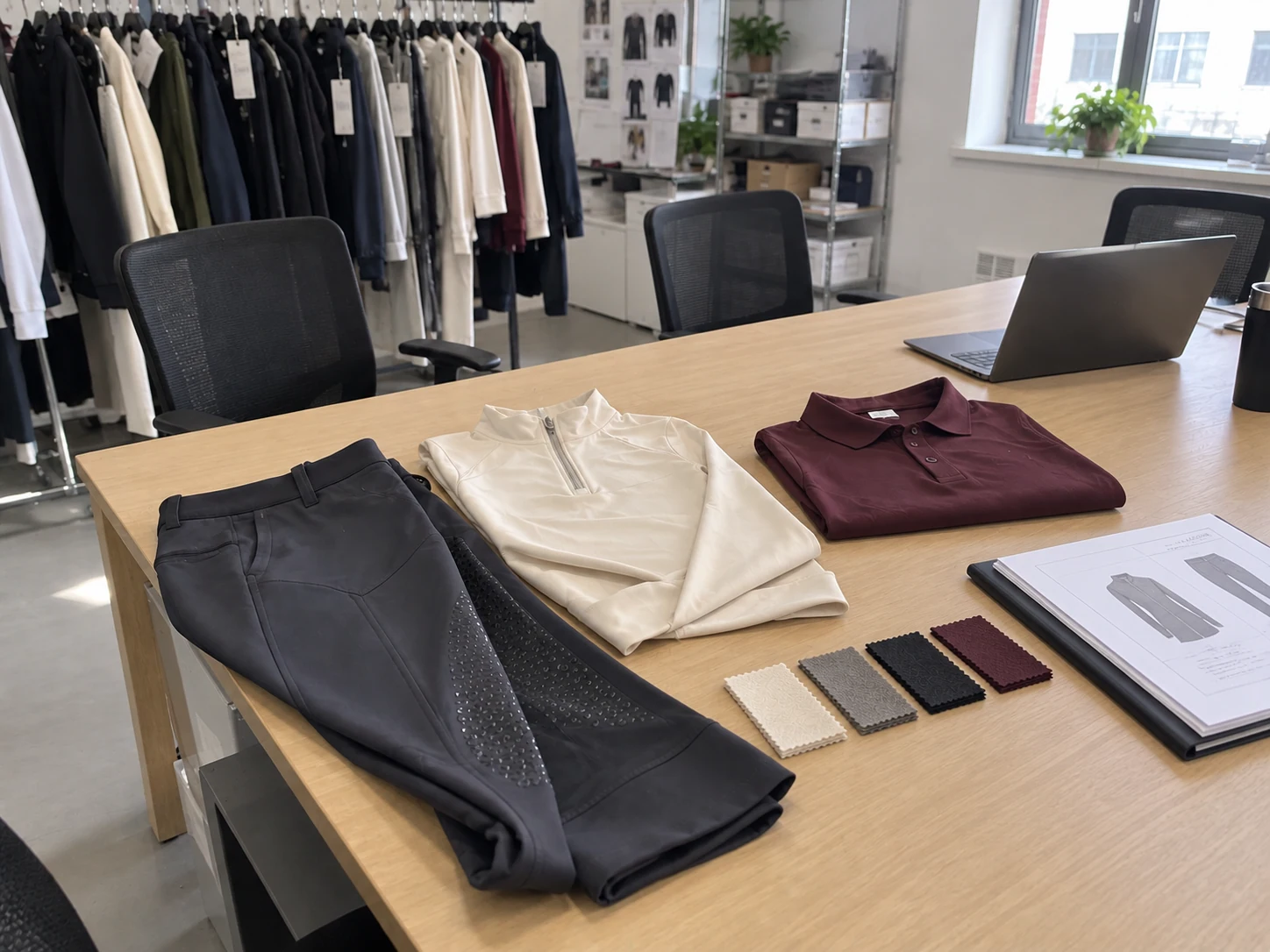
A first capsule does not need every product in the catalogue. Pick a rider, a season and an anchor garment. Add pieces that share a colour story and serve a clear second need, then check the minimum order for each style and colour.
PLAN THE STARTING COMMITMENT
××
Pieces per style / colour100
STYLE /
COLOUR0102
EACH CELL IS ITS OWN MINIMUM ORDER.COLOUR0102
Style 01
100pieces
100pieces
Style 02
100pieces
100pieces
400pieces minimum
for this assortment
for this assortment
Assumes every style has the same number of colours. Size allocation is discussed within each style/colour order; garments and colours cannot be pooled to meet the minimum.
Read the collection planning guide01
Choose an anchor
A breech, tight or polo can establish your fit, audience and price-positioning brief.
02
Add a purposeful layer
Compare a base layer or outerwear piece that belongs to the same rider and climate.
03
Resolve the shared details
Agree colour references, decoration, labels and packaging while preserving each product’s construction needs.
Function
through
better
materials
one considered
collection
through
better
materials
The material makes the difference.
Nine studiesone considered
collection
THE MATERIAL LIBRARY / 09 STUDIES
Select a material to explore its construction, garment applications and sample checks.
01 — 03 / Fabric structures
Start with the way the yarns are built.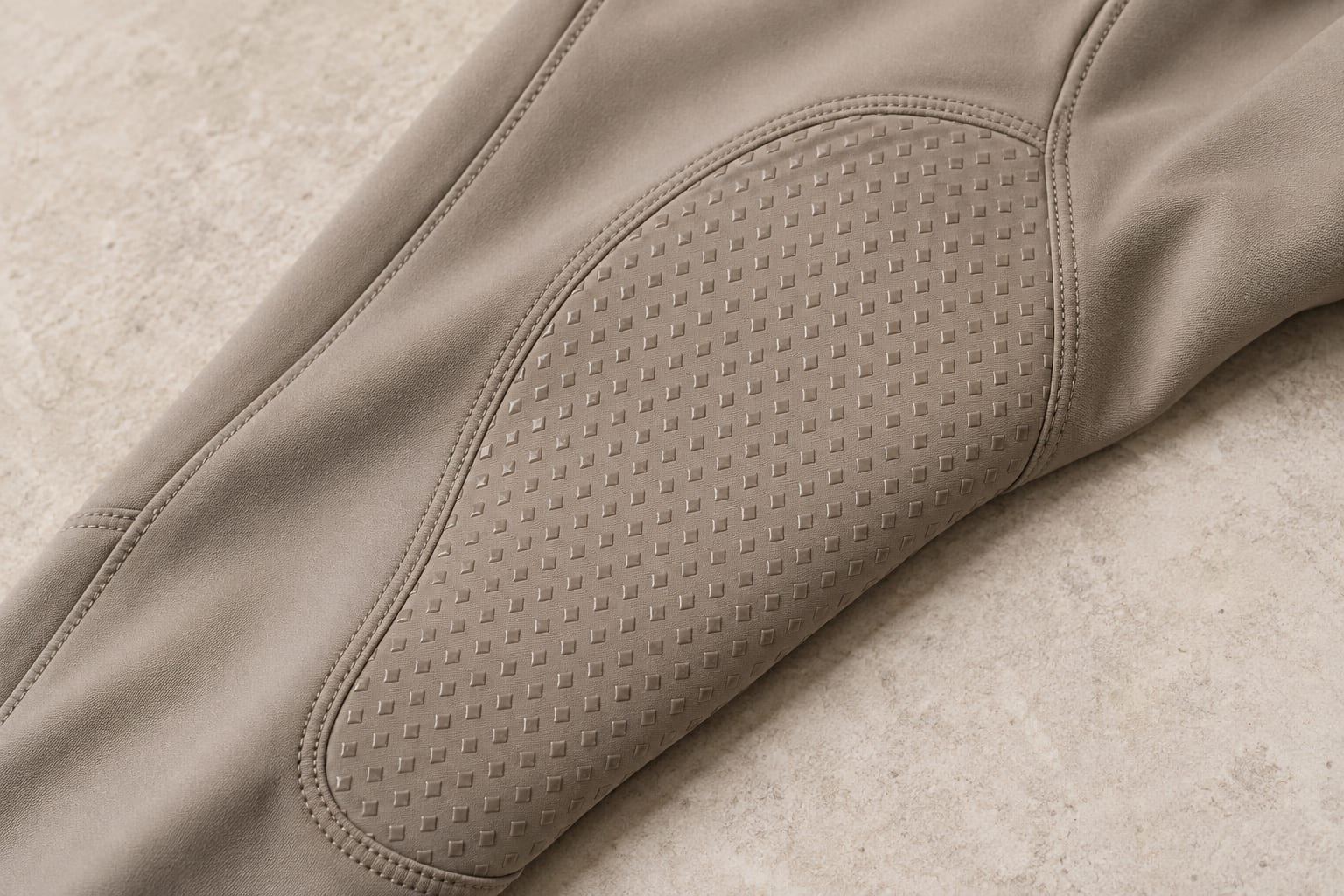
Woven / THE BUYER’S STUDY
Surface & structure
Intersecting yarns create a defined surface. For breeches or an outer shell, discuss stretch direction, recovery and how the fabric behaves at a bent joint.
How does the selected fabric behave through a bent hip and knee?
- 01Compare movement along both directions
- 02Review seam bulk on the assembled garment
- 03Check pale colours under stretch
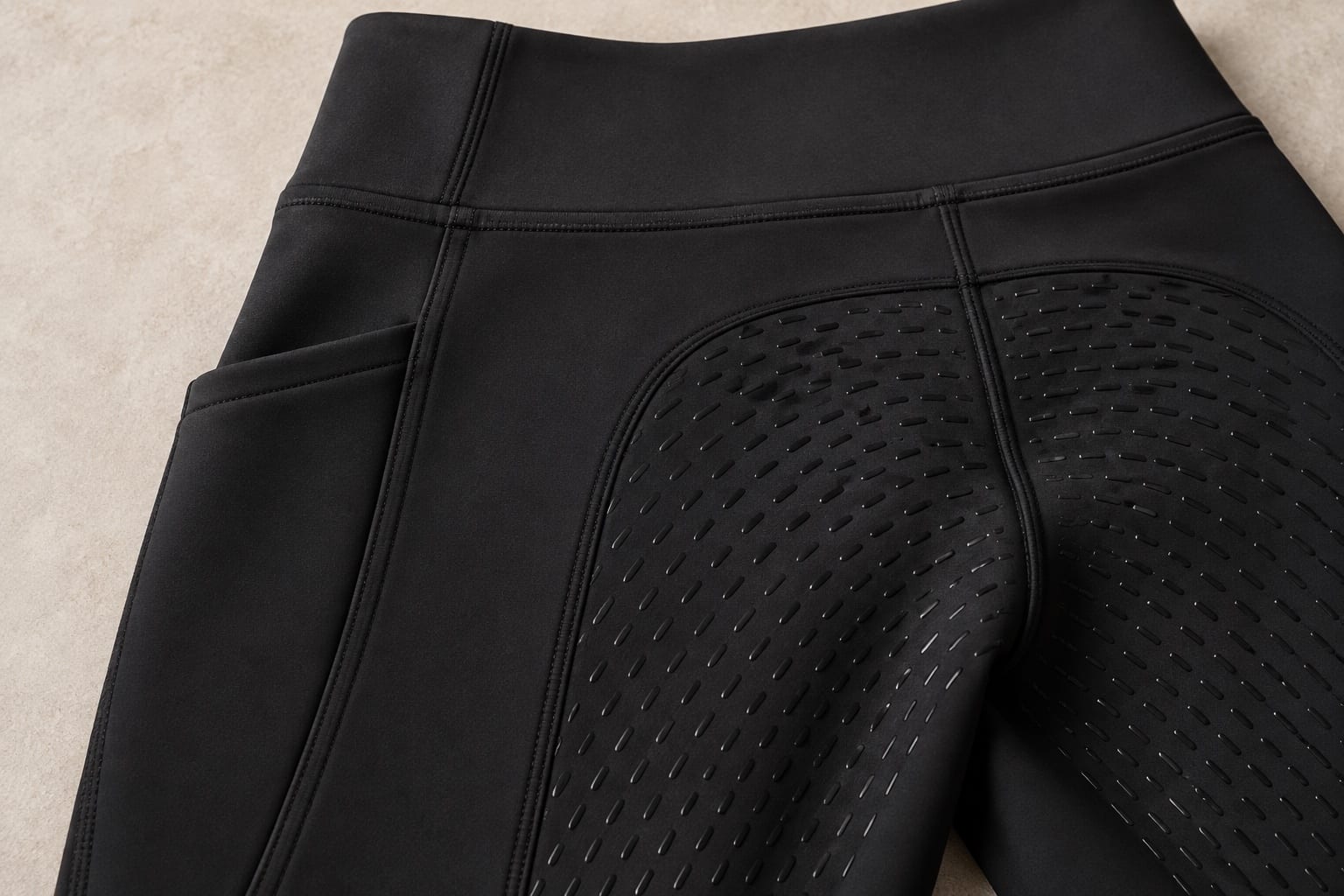
Knit / THE BUYER’S STUDY
Stretch & recovery
Looped yarns give a different movement and hand feel. The finished weight, yarn and construction matter as much as the fibre composition on the label.
Does stretch recover after movement, without the garment losing its shape?
- 01Assess recovery after movement
- 02Compare dimensions before and after care
- 03Check opacity at stretched areas
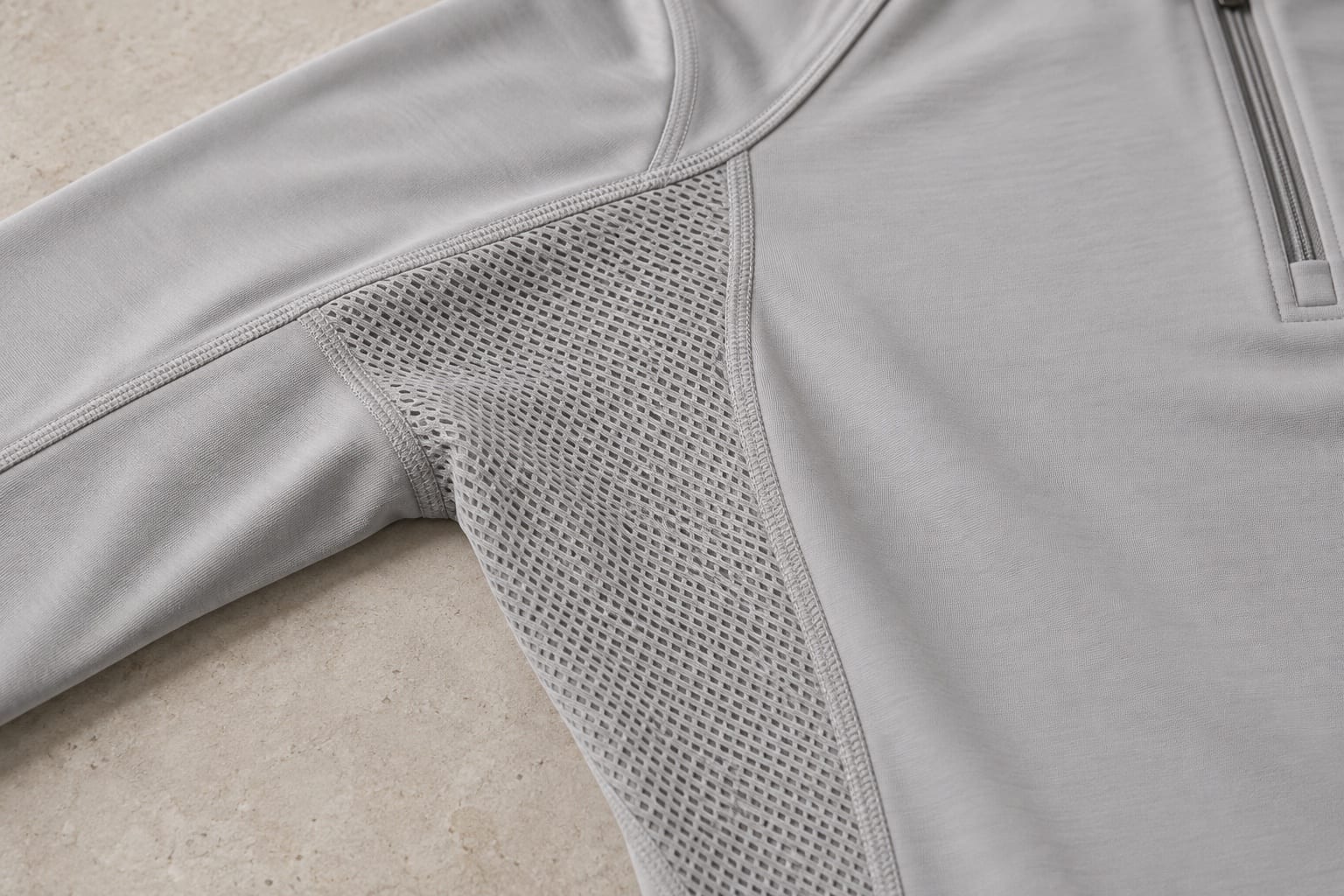
Mesh / THE BUYER’S STUDY
Placement & coverage
An open structure changes coverage and the way adjoining panels behave. Decide where openness serves the rider and where the garment needs a more opaque surface.
Where can an open structure add ventilation while maintaining the coverage you want?
- 01Map the panel to the wearing position
- 02Compare stretch at panel joins
- 03Check snagging and seam comfort
04 — 06 / Surfaces & assemblies
Then define what the garment needs to do.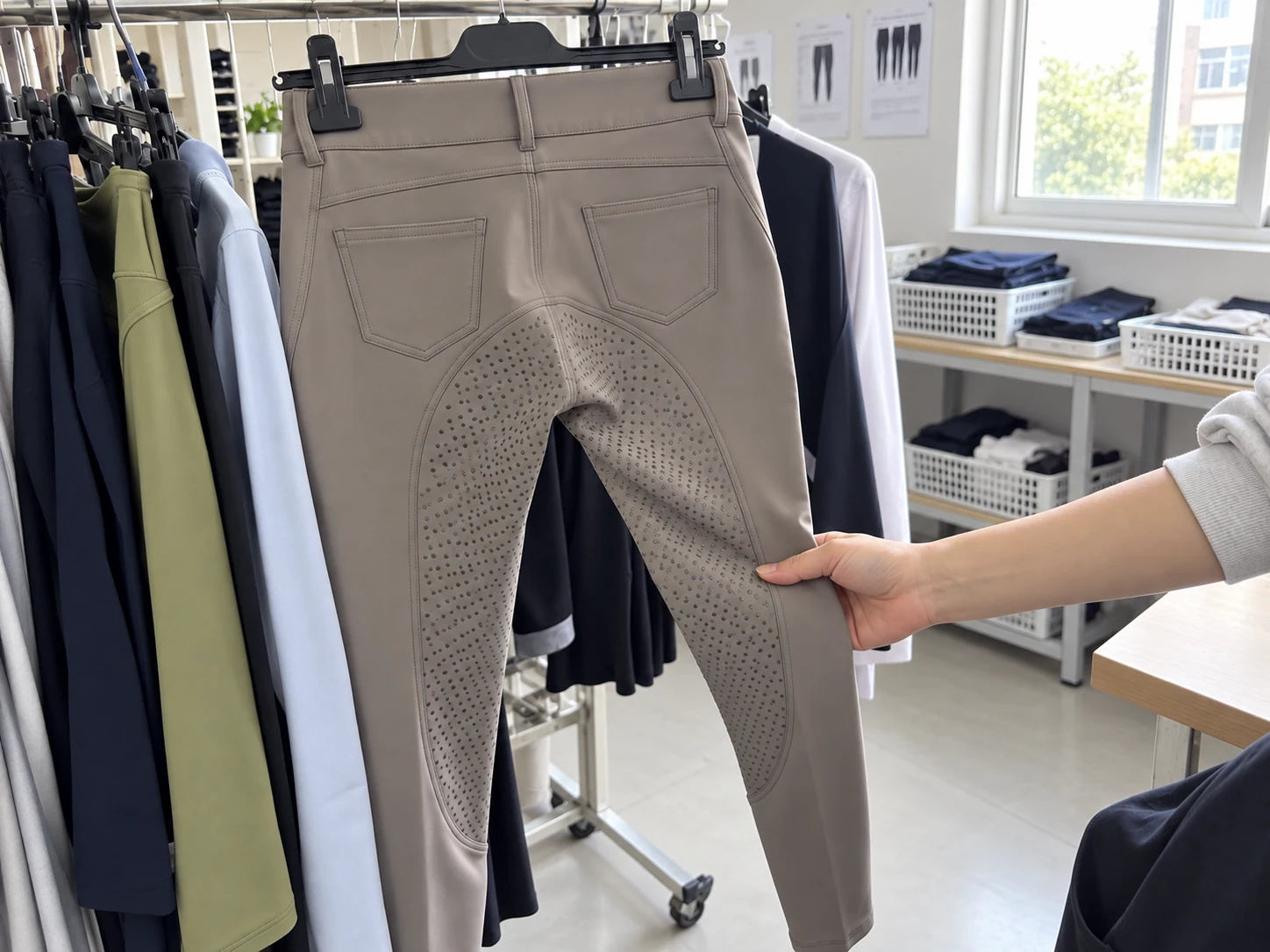
Grip application / THE BUYER’S STUDY
Pattern & contact
A grip print is a separate component applied to a base fabric. Coverage, spacing and placement affect the feel; agree the artwork and evaluate the actual application.
What coverage and contact feel should the rider review on the assembled sample?
- 01Review placement while seated
- 02Compare feel before and after care
- 03Inspect edges and application adhesion
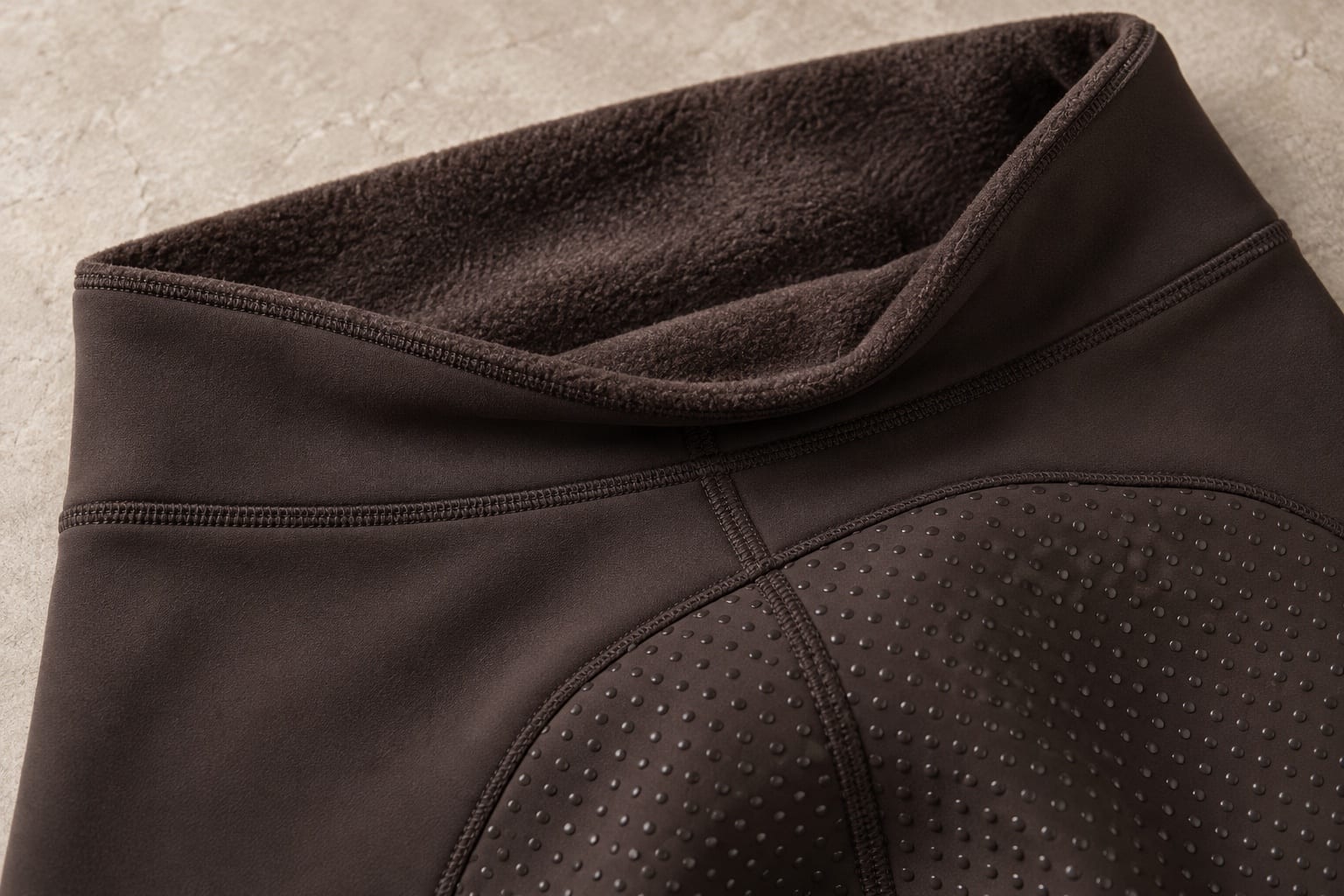
Brushed surface / THE BUYER’S STUDY
Inner face & layering
A raised inner face changes the touch and bulk of a fabric. Consider it together with the rider’s other layers, boot interface and intended care routine.
How much inner loft suits the climate, fit and layering system?
- 01Compare thickness at cuffs and ankles
- 02Review surface change after repeated care
- 03Assess comfort with intended underlayers
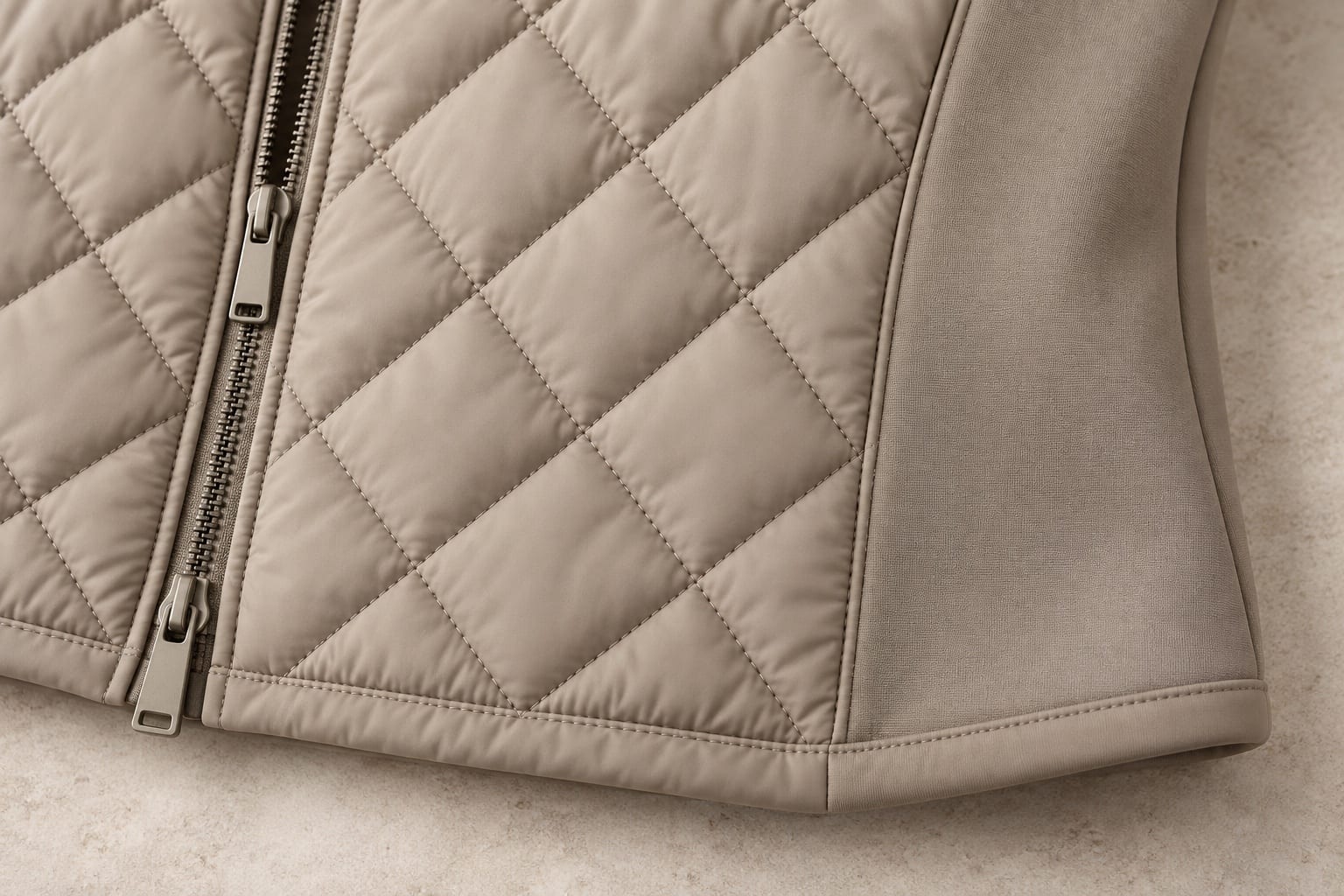
Quilted assembly / THE BUYER’S STUDY
Shell, fill & lining
A quilted garment combines layers. The quilt map and seams contain the fill while shaping the finished piece; review loft and mobility in the complete sample.
How should shell, fill and lining work together around the rider’s movement?
- 01Review distribution around armholes
- 02Check the assembled garment in motion
- 03Agree shell, fill and lining references
07 — 09 / Specialist constructions
Take the material brief a little further.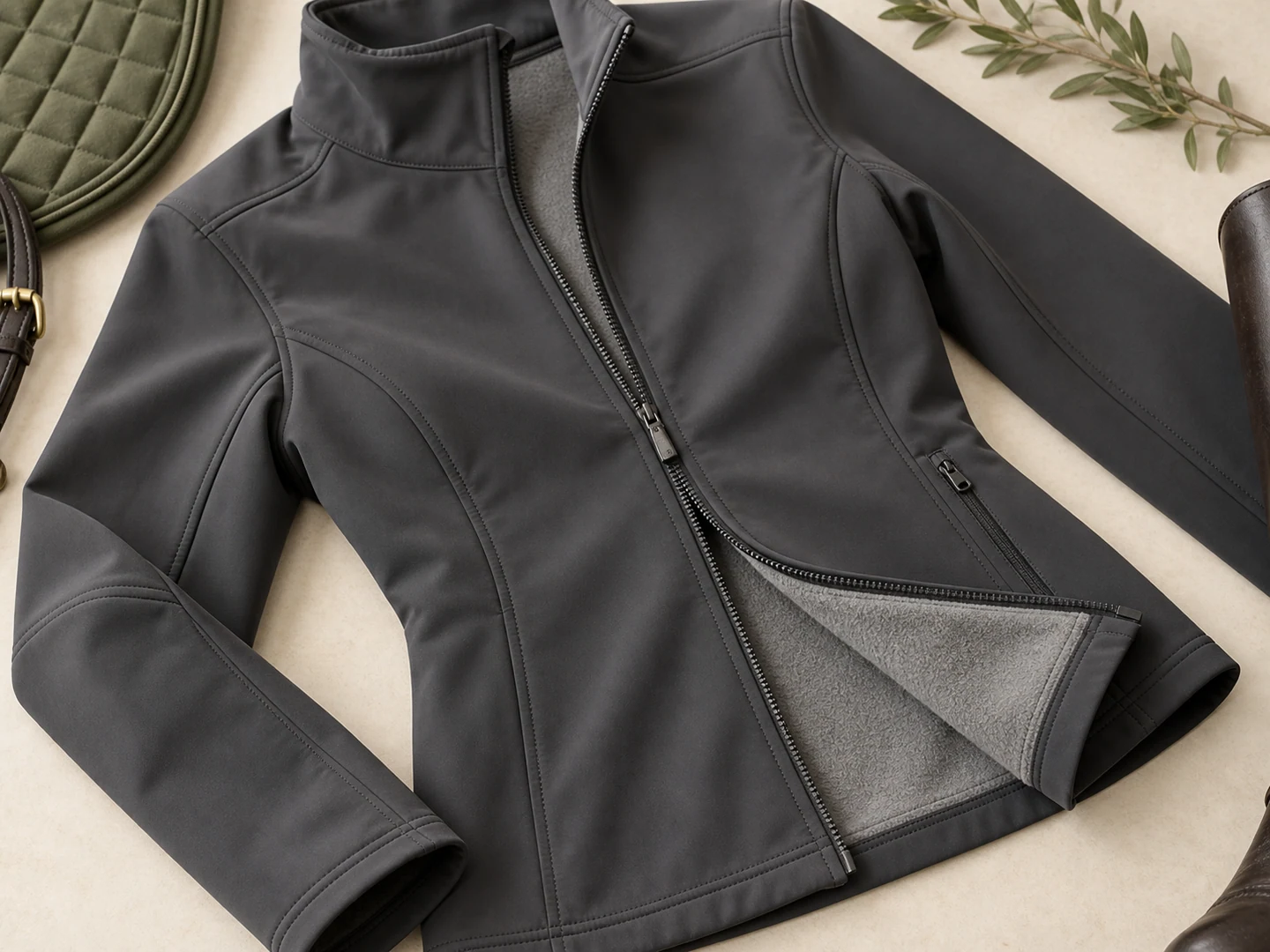
Stretch softshell / THE BUYER’S STUDY
Face & bonded reverse
A weather-facing outer layer with flexibility for a riding position. Bonded constructions can combine a durable face and a softer reverse.
Review: movement, hand feel and layer bonding.
Explore garment applications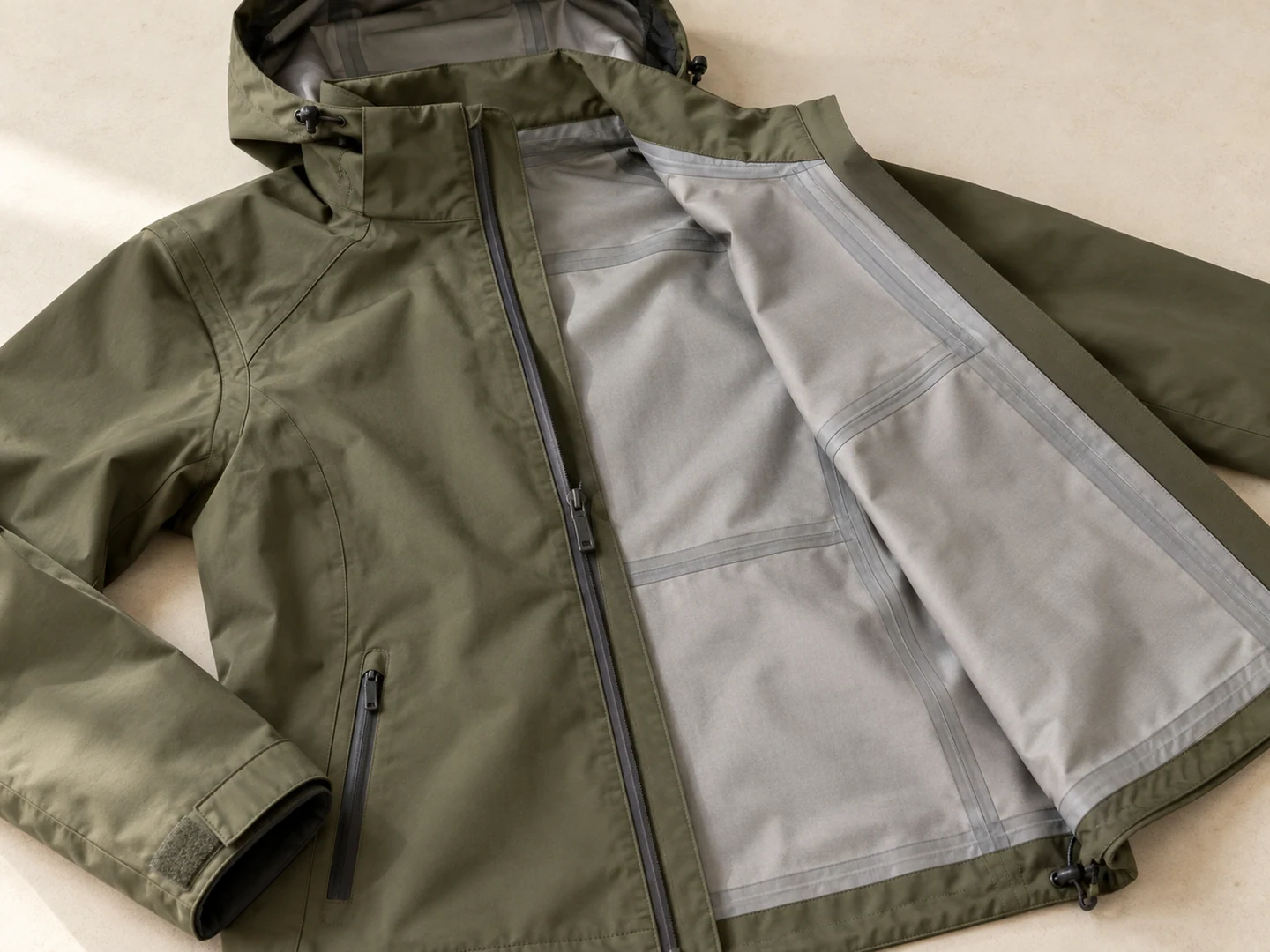
Laminated shell / THE BUYER’S STUDY
Layers & weather protection
For rain-shell development, consider face fabric, membrane or coating, backing and seam construction together. Agree the weather-protection target for the finished garment.
Review: seam sealing, breathability and test evidence.
Explore garment applications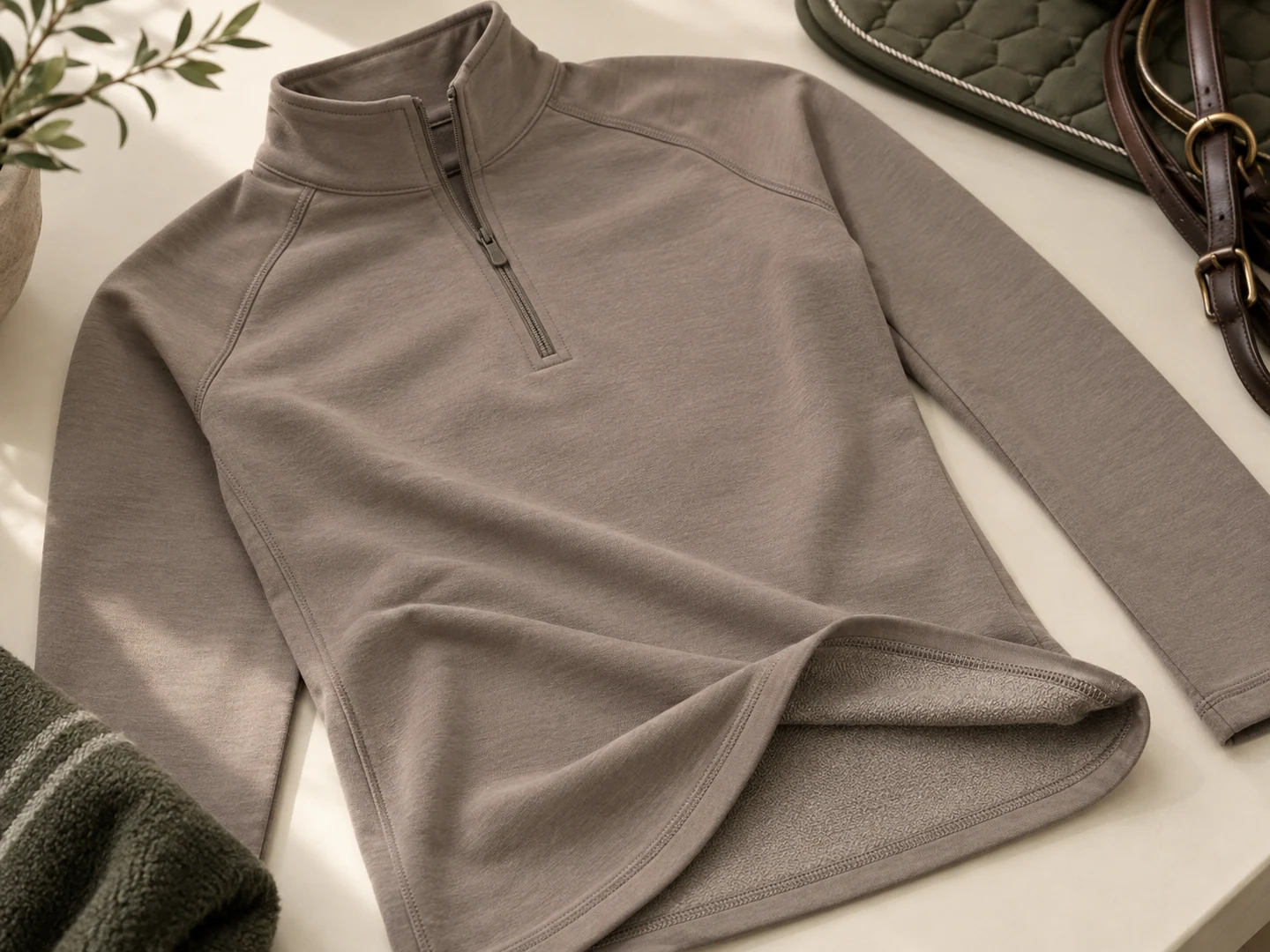
Dual-surface knit / THE BUYER’S STUDY
Two faces, one construction
Different inner and outer surfaces can balance next-to-skin comfort with a smooth face for layering. A useful direction for cool-weather training tops.
Review: recovery, inner feel and care performance.
Explore garment applicationsConstruction studies and garment concepts. Fabric selection, composition and performance targets are agreed and reviewed for your project.
Before bulk.
A clearer process for better apparel
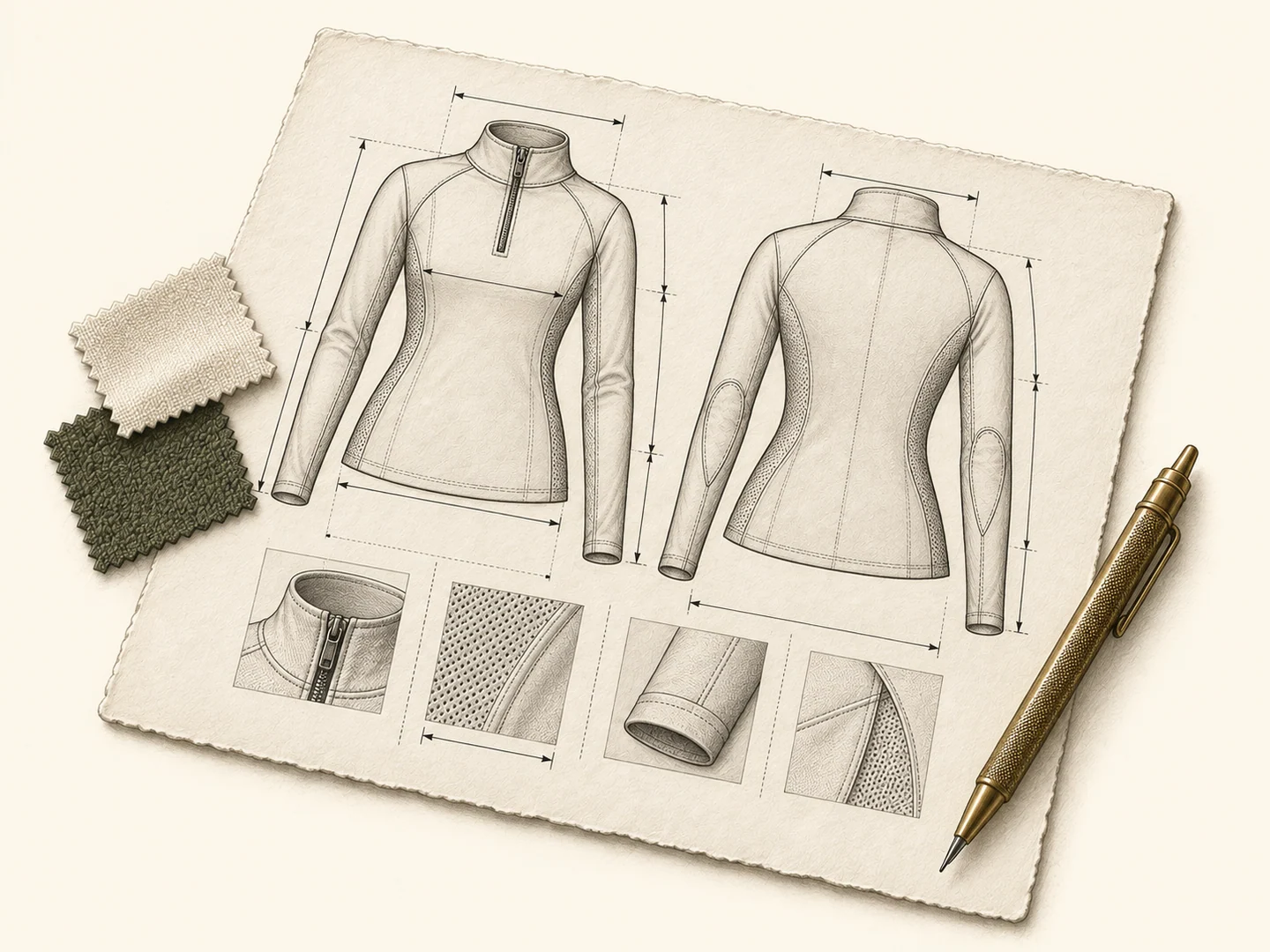
Brief
Project goals, ideas and requirements.
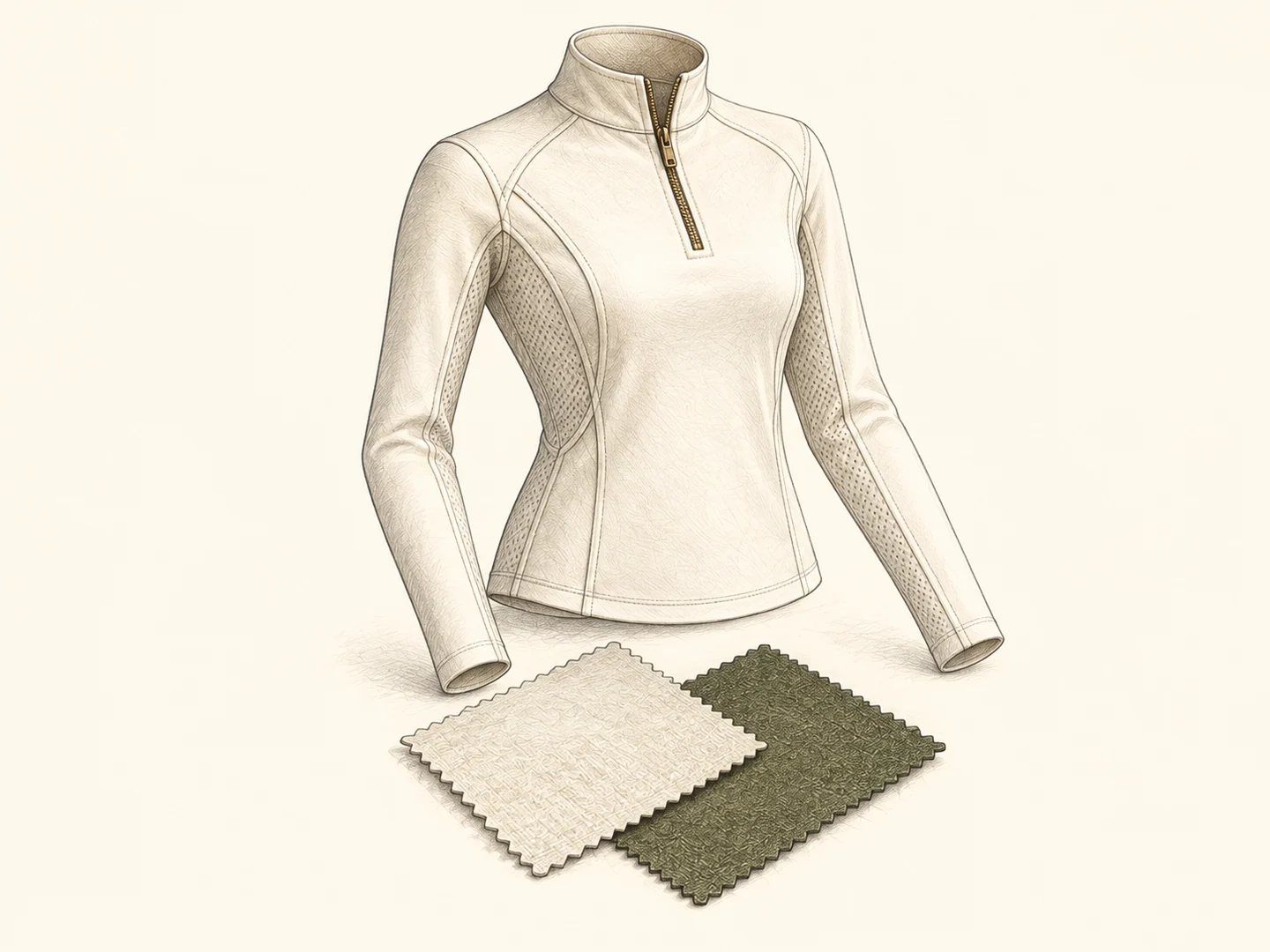
Sample
7–10 working daysWe develop the agreed sample.
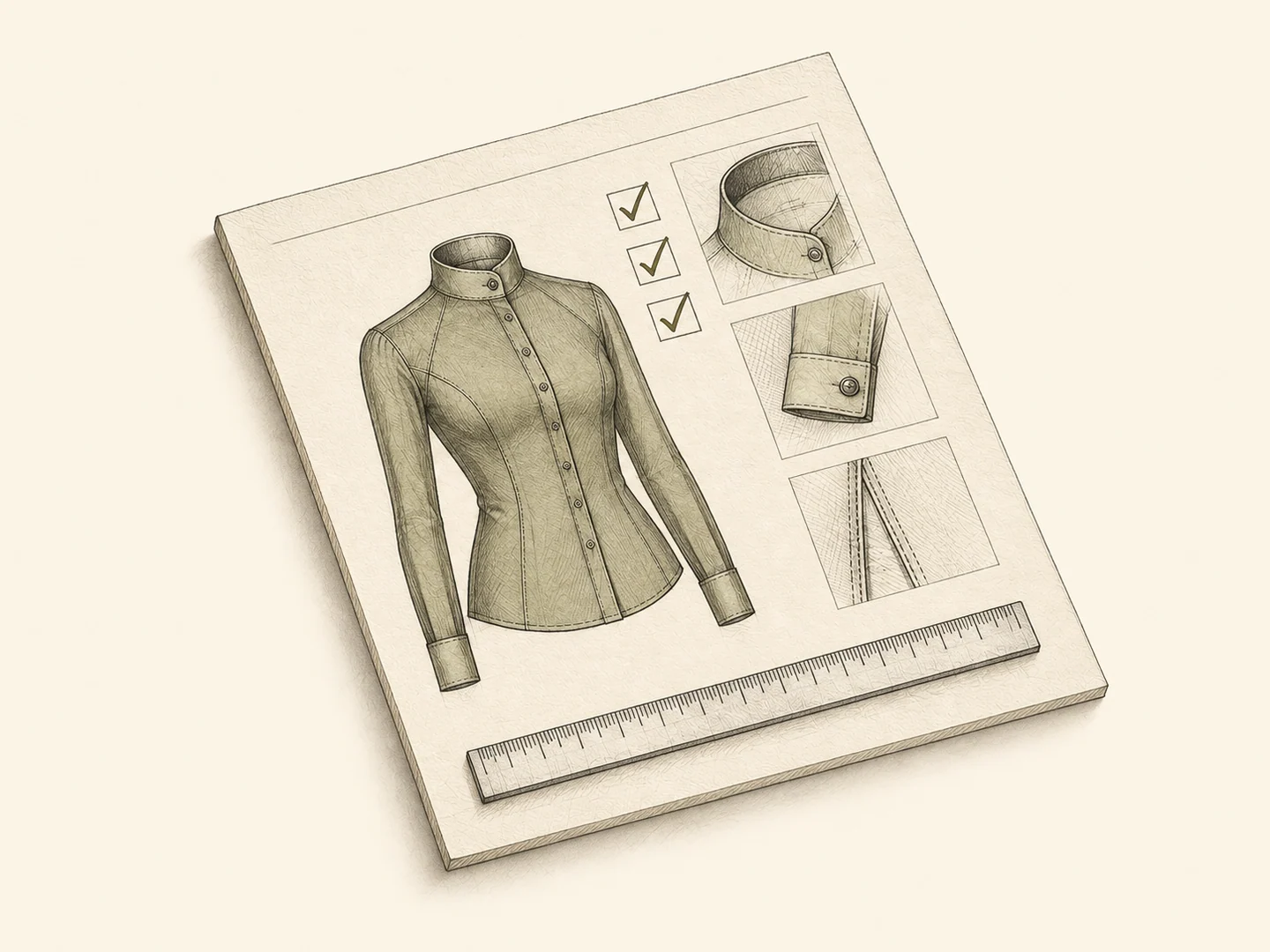
Review
Fit, function and feedback.
Production
30–45 working daysApproved styles move to production.
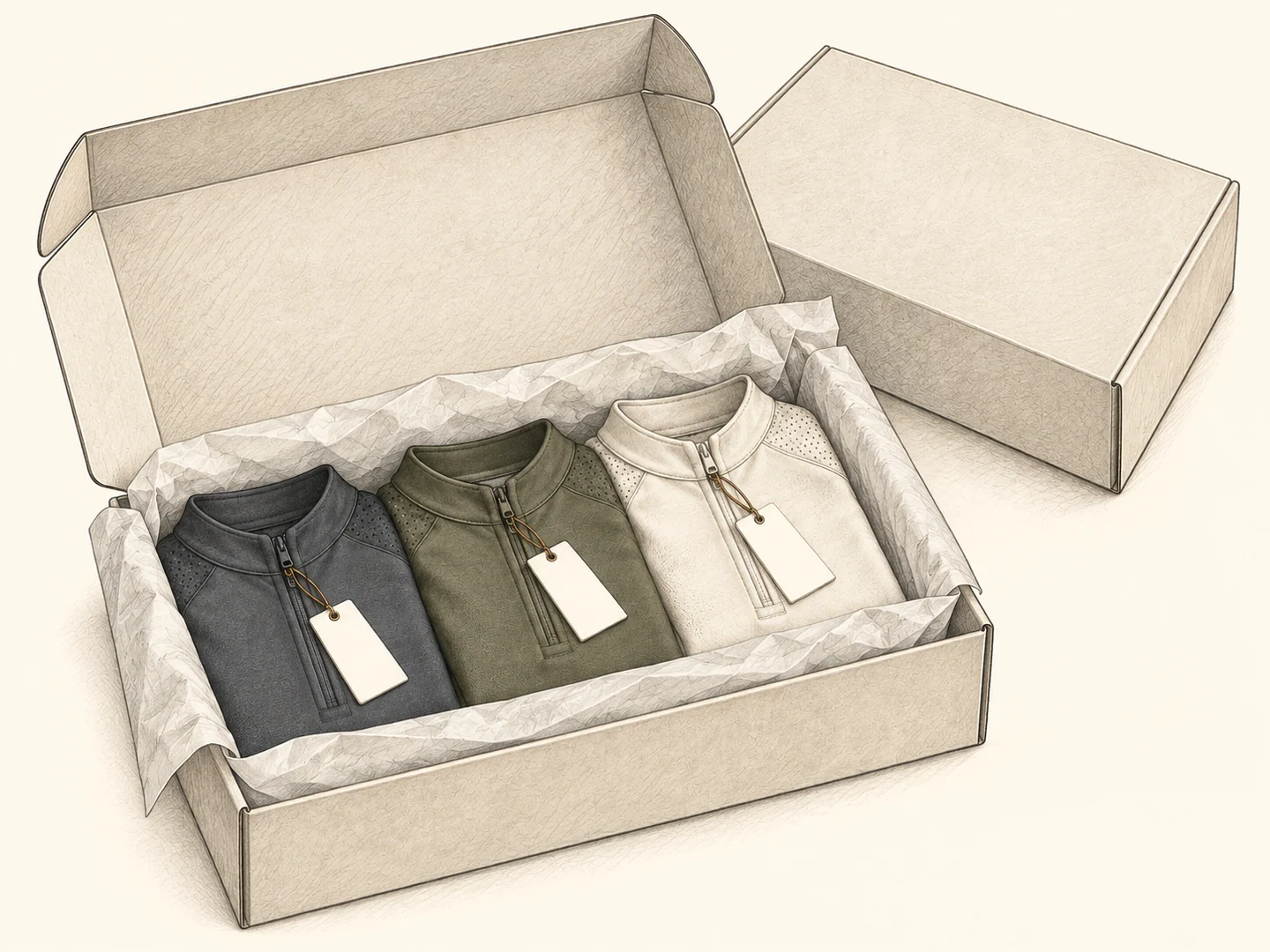
Revisions and transit are planned separately.