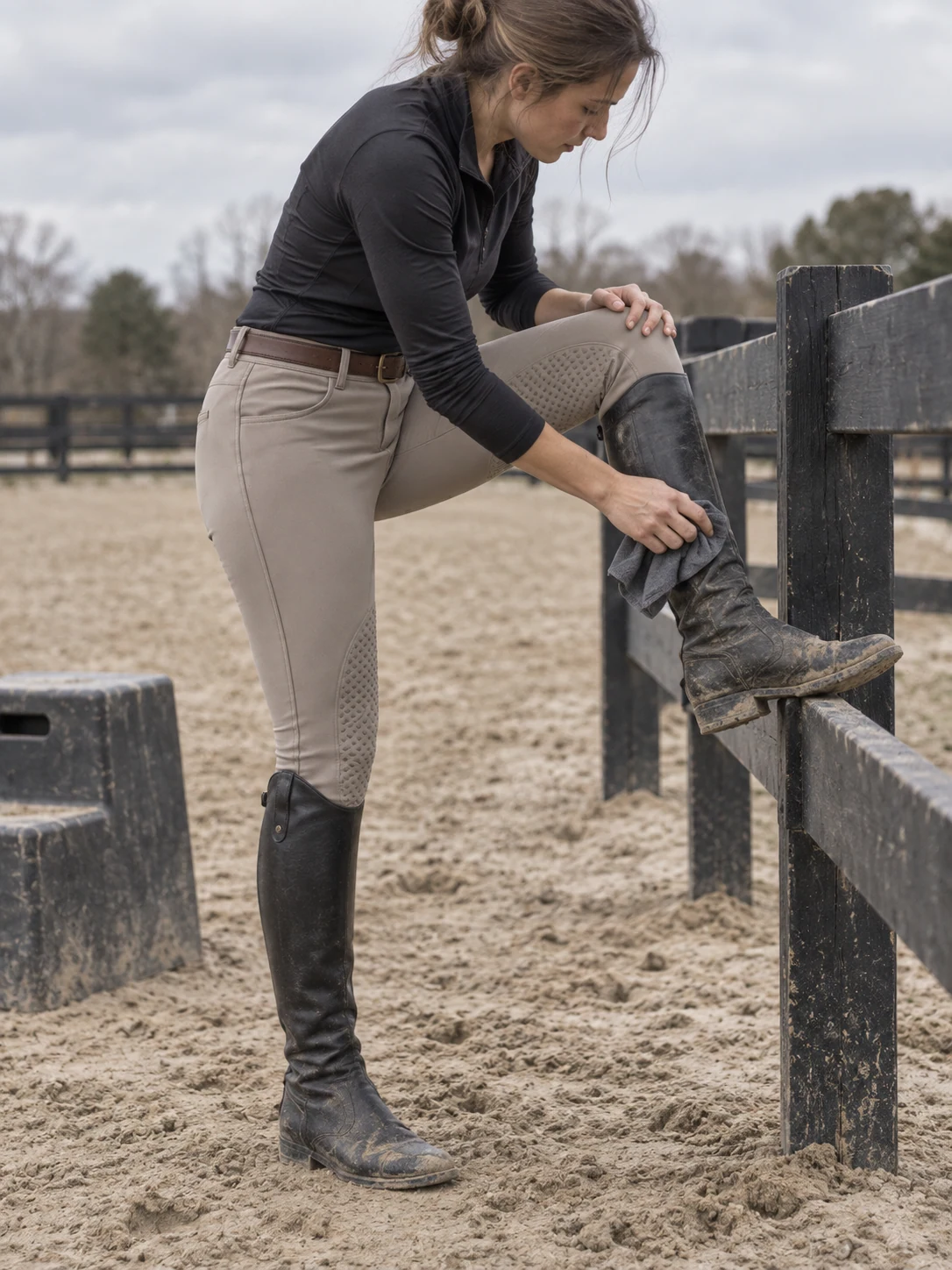
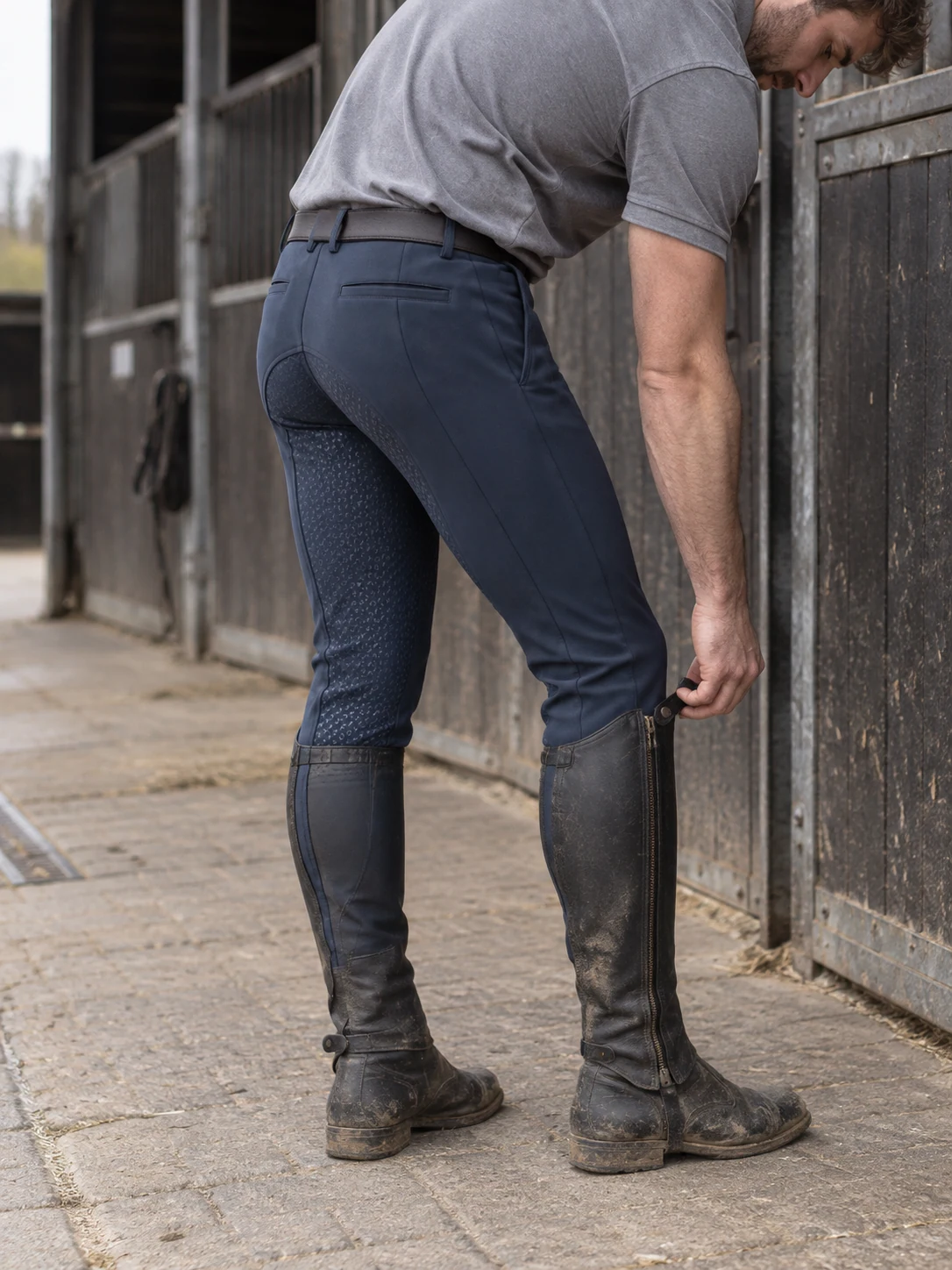
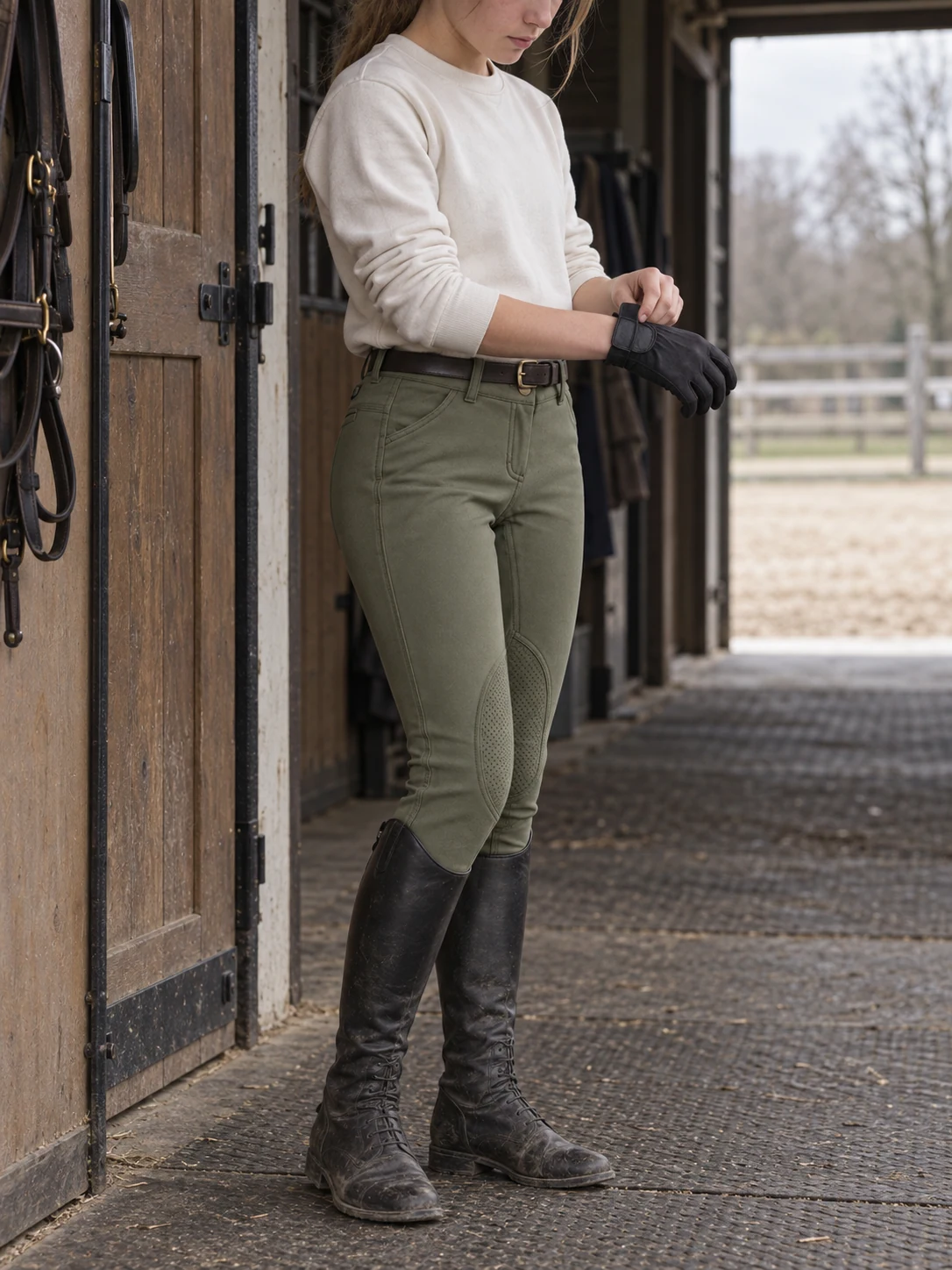
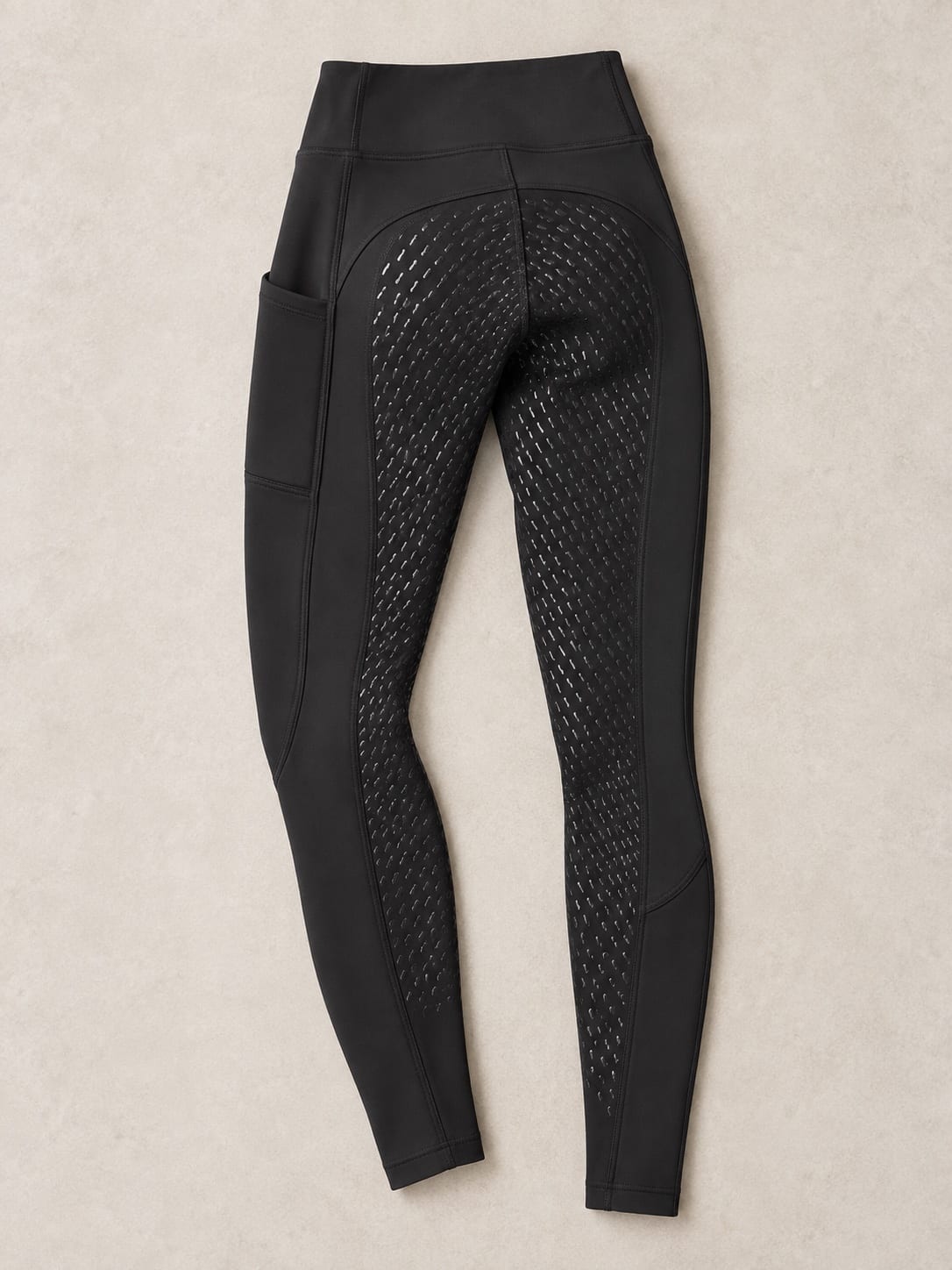
Women’s full-seat breeches
Private label women’s full-seat breeches for equestrian brands: silicone grip layout, stretch-woven fabric, saddle fit and graded samples. Request an OEM quote.
Read the buying guide REINFORM.
REINFORM is a custom riding breeches manufacturer for equestrian brands and trade buyers. Compare full-seat, knee-grip, men’s tailored and youth styles, then specify woven fabric, fit, silicone grip and branding for sample approval before bulk production.
Training, dressage & competition collections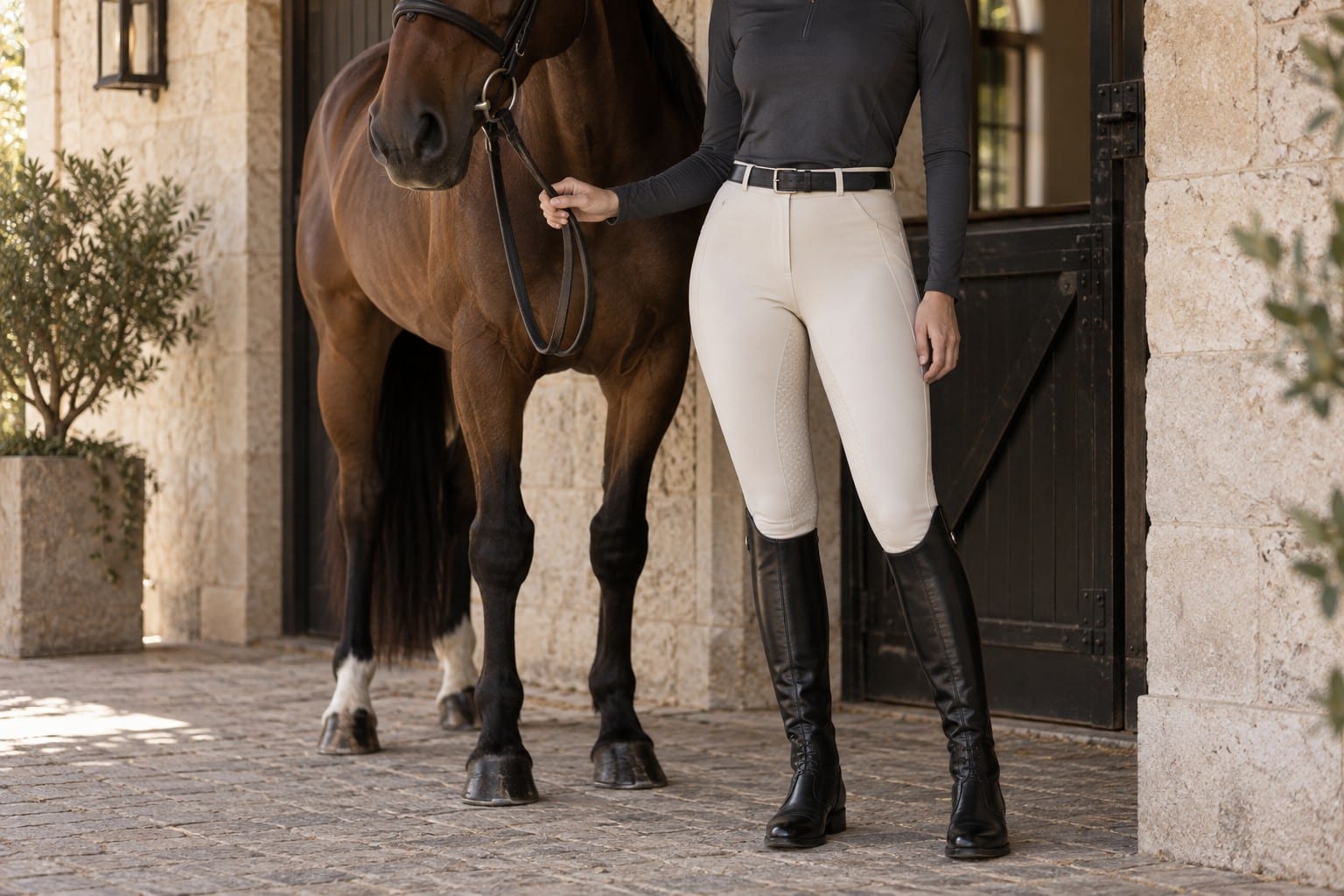
Begin with the rider and discipline before selecting a seat treatment. A women’s full-seat breech, a knee-grip training style, a men’s tailored block and a youth adjustable-waist product ask different questions of pattern, pocket layout and material recovery. Your range can share a visual identity while each style keeps its own fit specification. Use the guides below to define a useful first sample, then compare fabric and construction on the same basis.
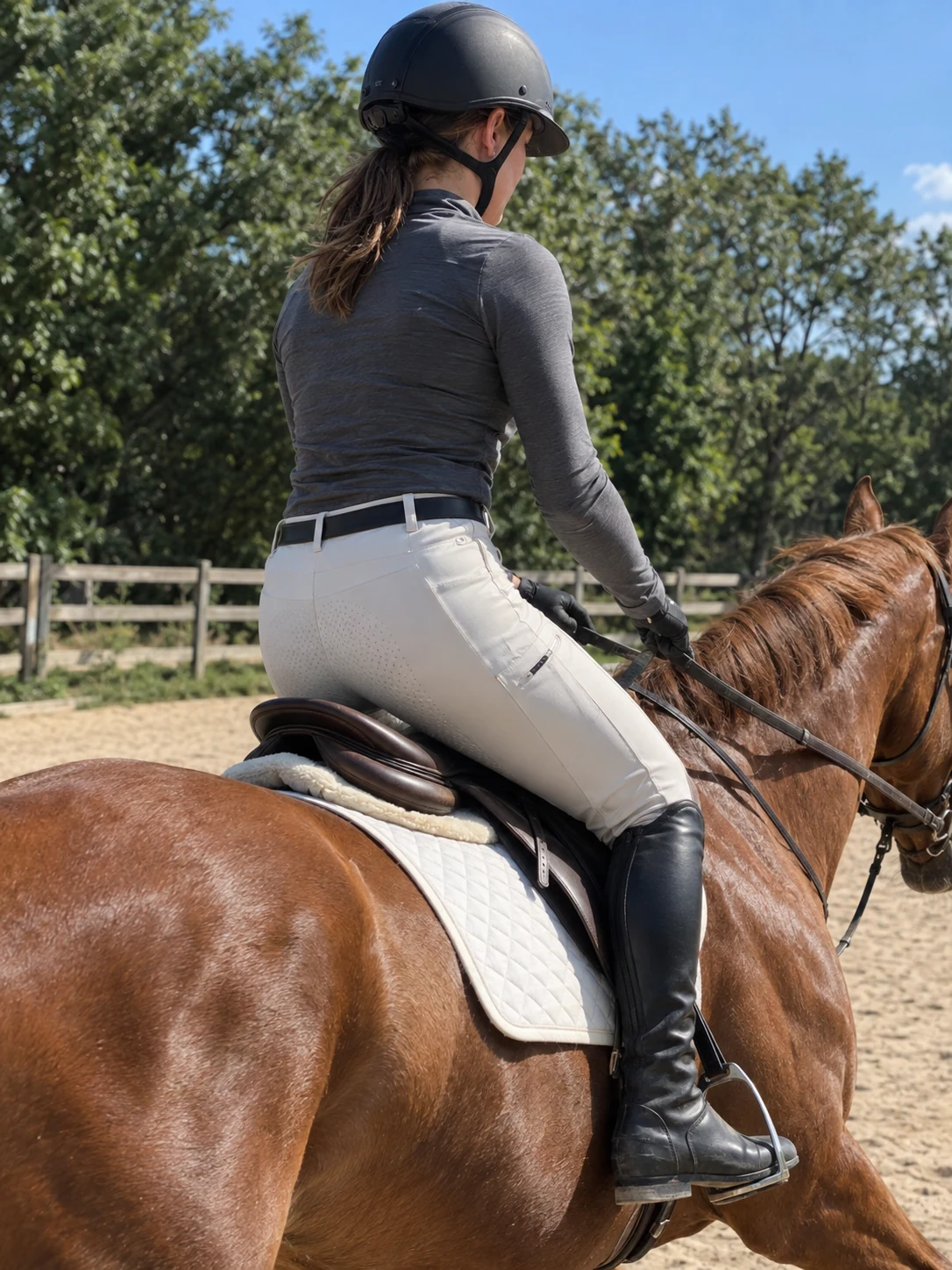
Best suited to dressage-led brands, premium tack retailers and training collections whose customer expects a polished fly-front silhouette with more saddle contact than a knee-grip style.
Every product opens a detailed buying guide.
Materials. Fit. Construction. Sample review.
Private label women’s full-seat breeches for equestrian brands: silicone grip layout, stretch-woven fabric, saddle fit and graded samples. Request an OEM quote.
Read the buying guidePrivate label women’s knee-grip breeches for equestrian brands: knee patch placement, tailored fit, pocket access and sample approval. Request an OEM quote.
Read the buying guidePrivate label men’s tailored breeches for equestrian brands: rise, thigh room, seat fit, pockets and a production-ready size chart. Request an OEM quote.
Read the buying guidePrivate label youth adjustable-waist breeches for equestrian brands: waist adjustment, youth grading, grip placement and trim review. Request an OEM quote.
Read the buying guideOriginal development concepts for private-label discussion. These are not stocked retail products; final garments follow an agreed specification and approved sample.
Start with the riding position. Carry the agreed rise, leg shape and grip placement through the sample.
Explore our factory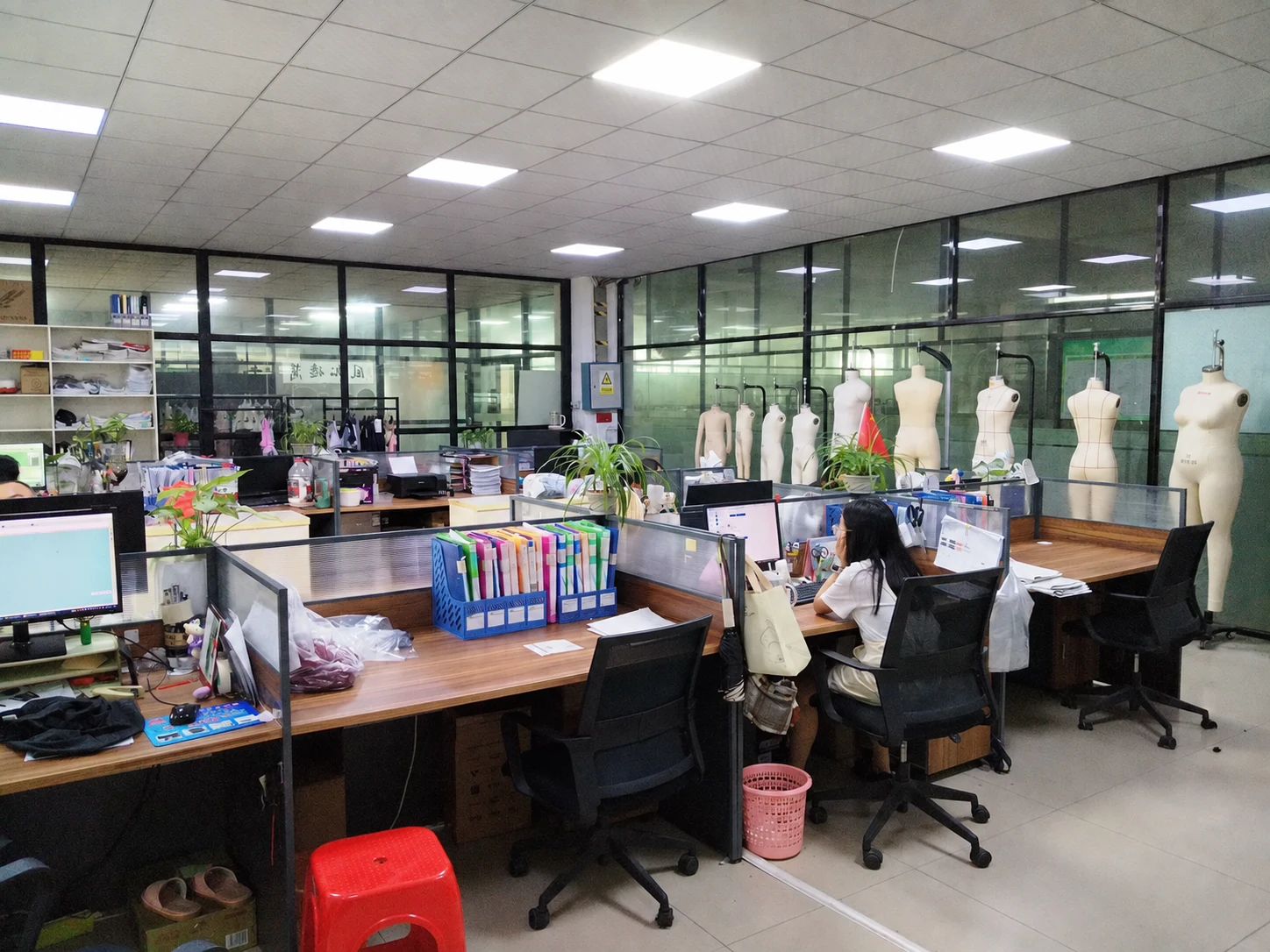
Resolve the rise, waistband and leg line together. Record the measurement points before cutting the first sample.
Carry this into approval Factory views show our working environment. Your garment follows its agreed specification and sample.Use intended customer and construction priorities to narrow the brief. Then open the individual guide for a deeper material and sample review.
| Product direction | Buyer & use case | Decisions to resolve | Guide |
|---|---|---|---|
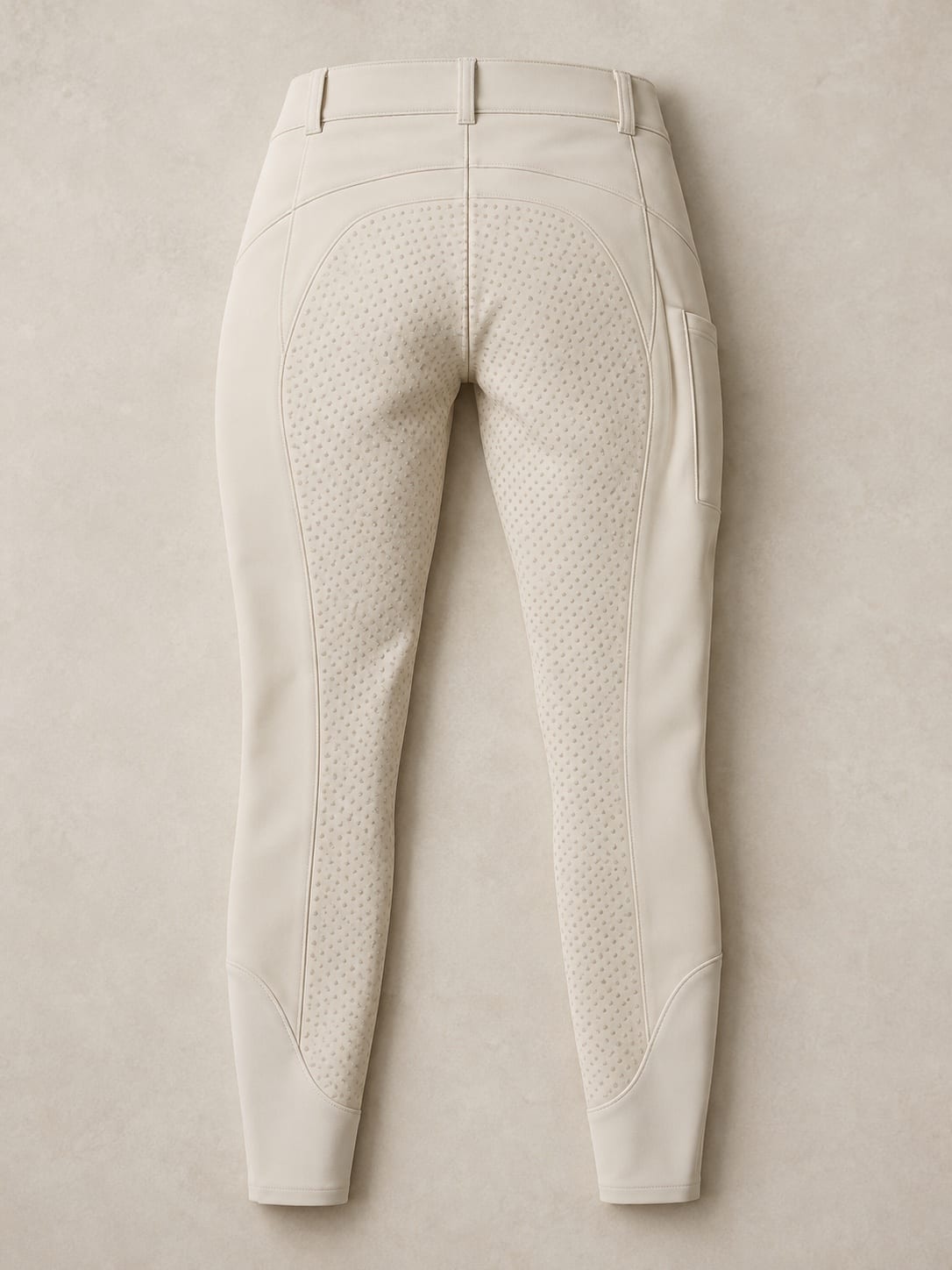 Women’s full-seat breeches Women’s full-seat breeches | Best suited to dressage-led brands, premium tack retailers and training collections whose customer expects a polished fly-front silhouette with more saddle contact than a knee-grip style. |
| |
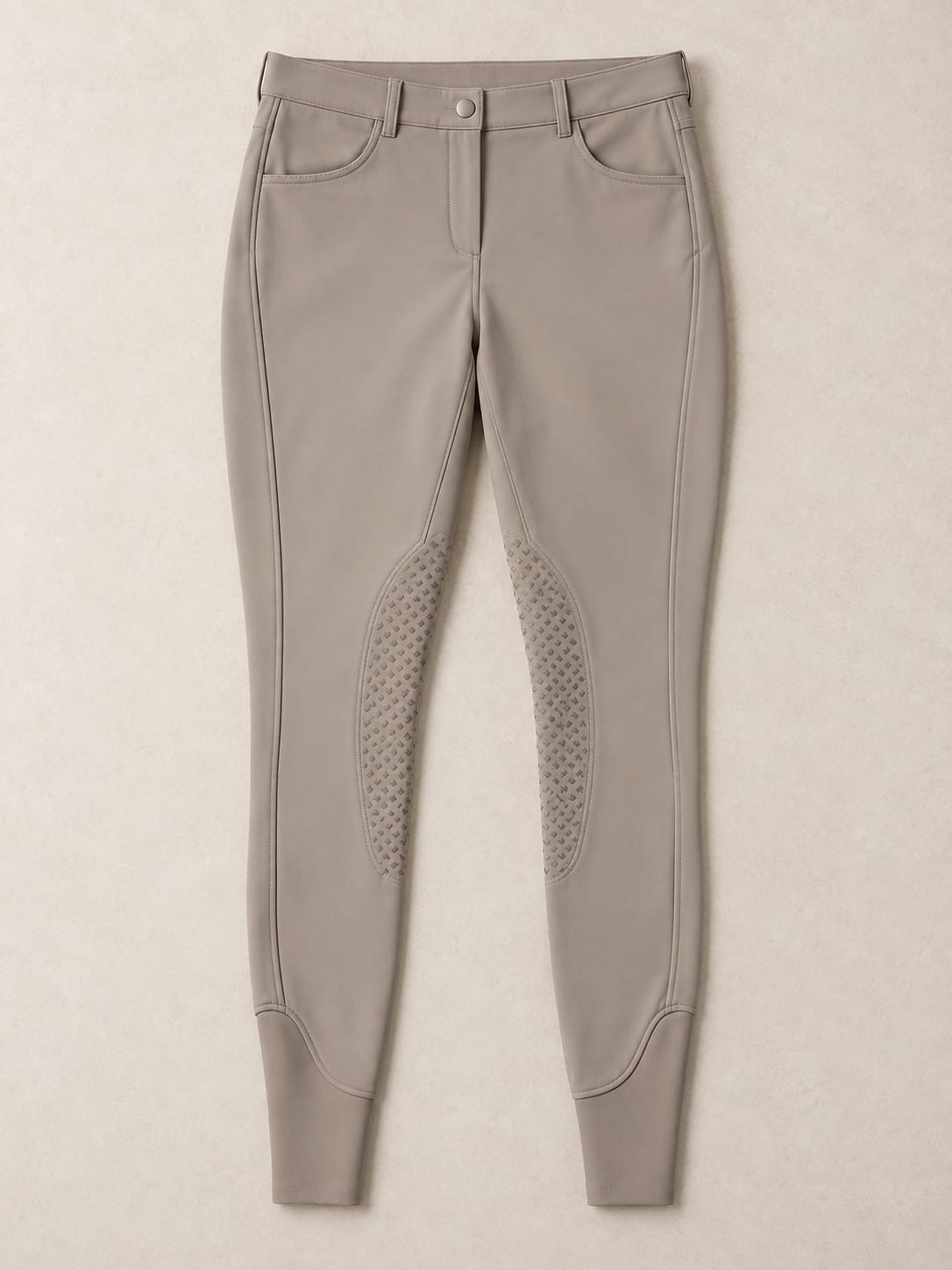 Women’s knee-grip breeches Women’s knee-grip breeches | Designed for hunter, jumper and eventing ranges, multi-discipline tack shops, and private labels wanting a recognisable tailored breech that can bridge schooling and show wardrobes. |
| |
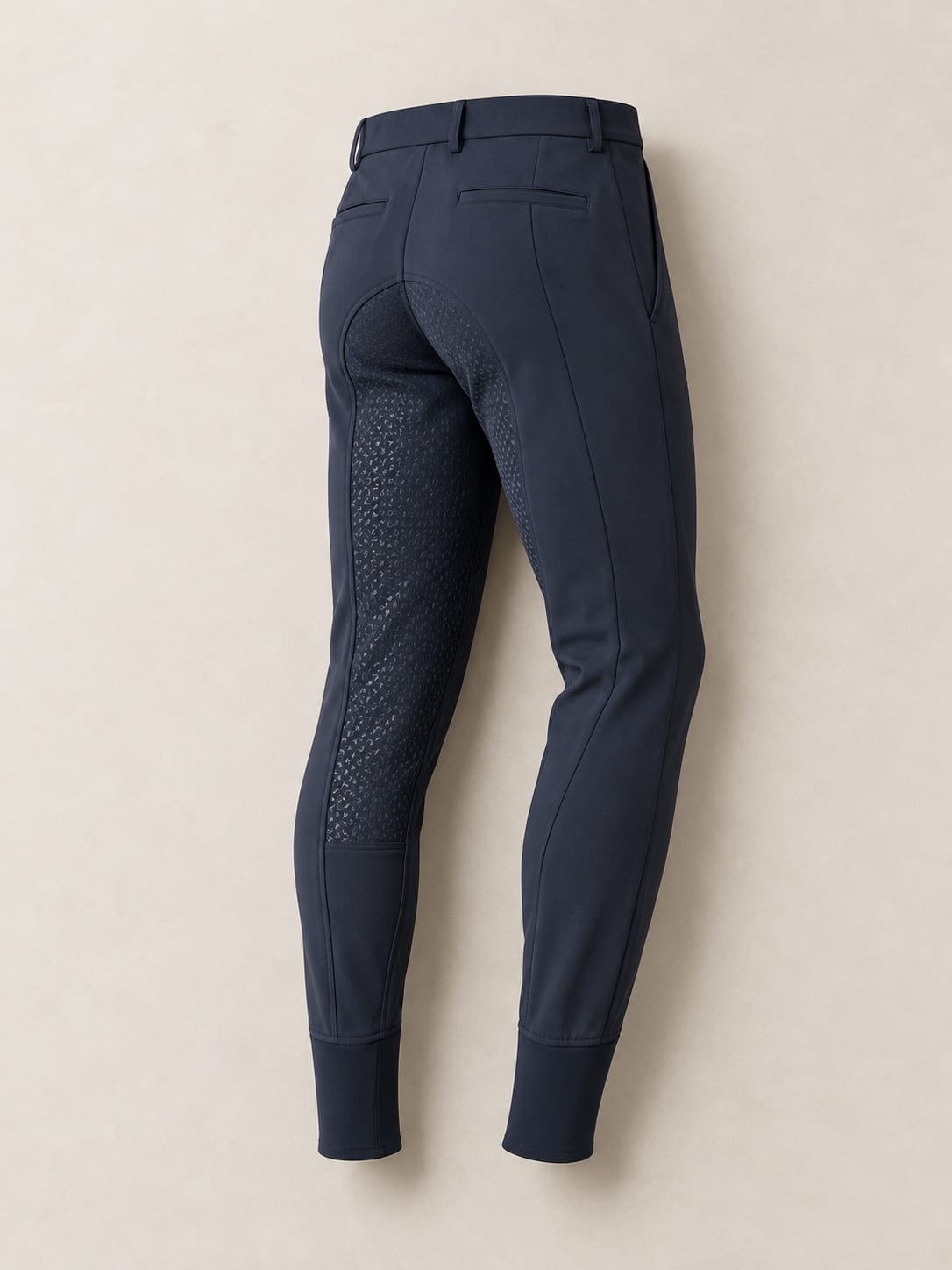 Men’s tailored breeches Men’s tailored breeches | For men’s equestrian brands, unisex labels adding a credible men’s capsule, team programmes and retailers needing a purpose-built alternative to women’s or generic stretch trousers. |
| |
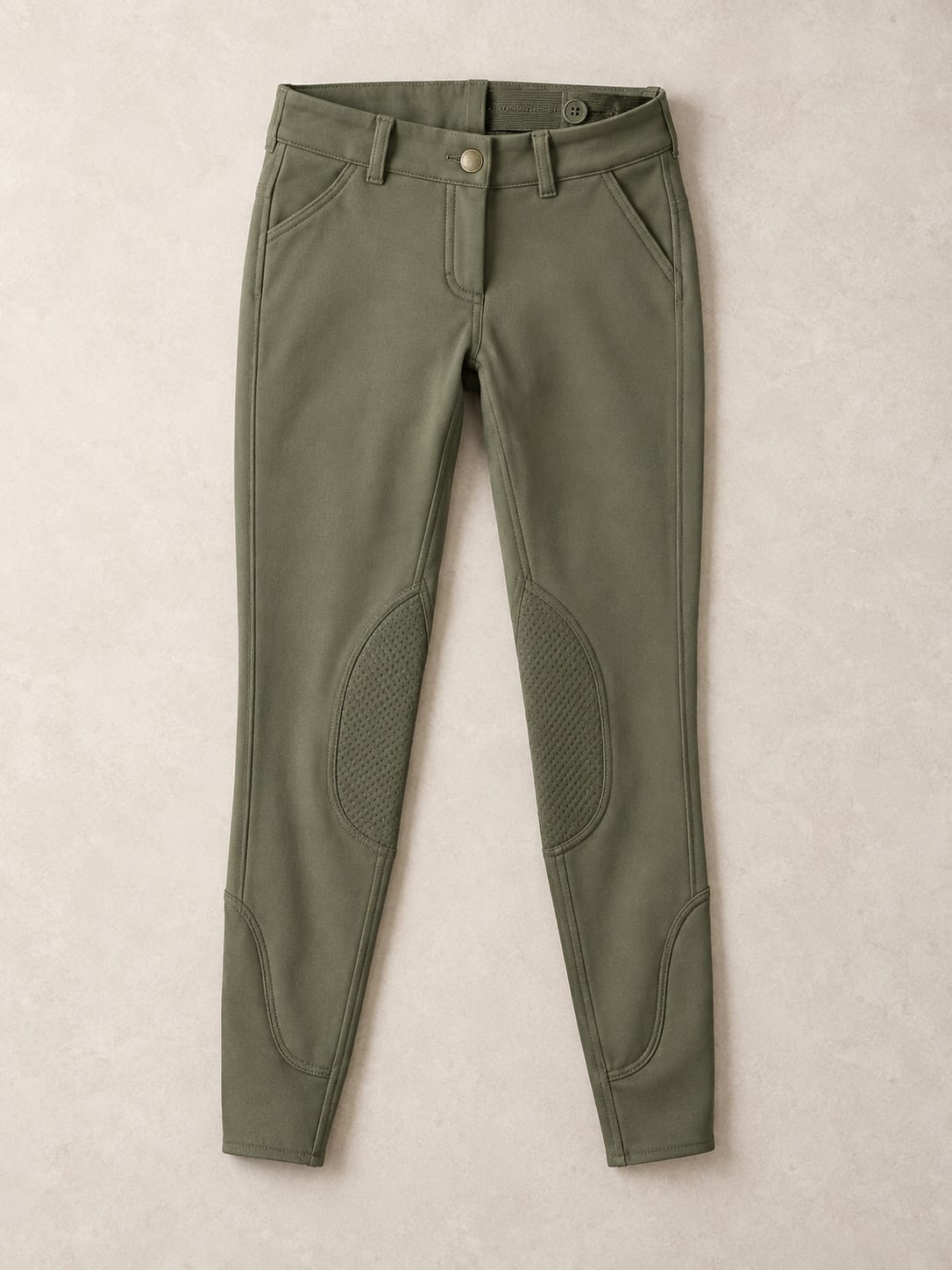 Youth adjustable-waist breeches Youth adjustable-waist breeches | For pony clubs, riding schools, junior-focused brands and retailers seeking a durable entry or show breech that accommodates waist variation without relying on oversized adult styling. |
|
Explore the details before you write the brief.
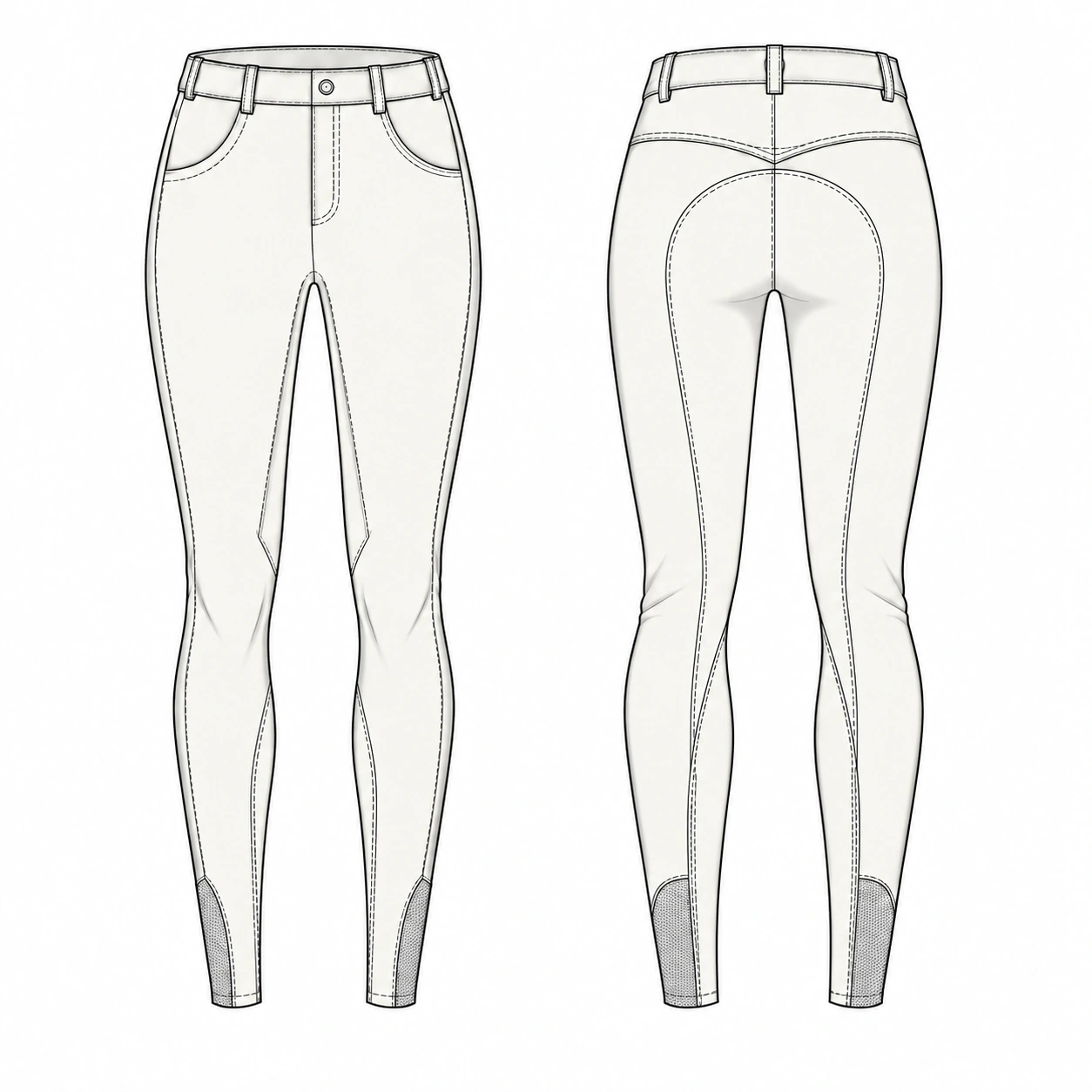
Agree the rise and waistband shape to suit the rider’s movement. Consider how the waistband sits in and out of the saddle, the level of coverage, and the contour through the waist to prevent gaping or pressure points. We’ll align on the preferred rise — low, mid or high — and the waistband construction, including belt loops and closure, to match performance and style.
Choose the saddle-contact direction, then review the full-seat grip coverage and panel shape through the intended movement. This illustration is a location guide. Specify the grip artwork, application method and exact transition around the inner leg so contact feels deliberate rather than restrictive.
Place the pocket opening and bag around the hip crease, carried items and saddle edge. Check access and reinforcement on the complete garment. Confirm the carried item and pocket-bag depth, then reinforce the opening without adding a hard ridge at the hip.
Confirm the stretch ankle cuff with the intended boot. Review seam thickness, opening size and recovery while the leg is bent. Set the ankle opening, panel height and seam direction against the intended tall boot to avoid pressure and twisting.
Diagram shows review locations, not an approved specification.
BUILT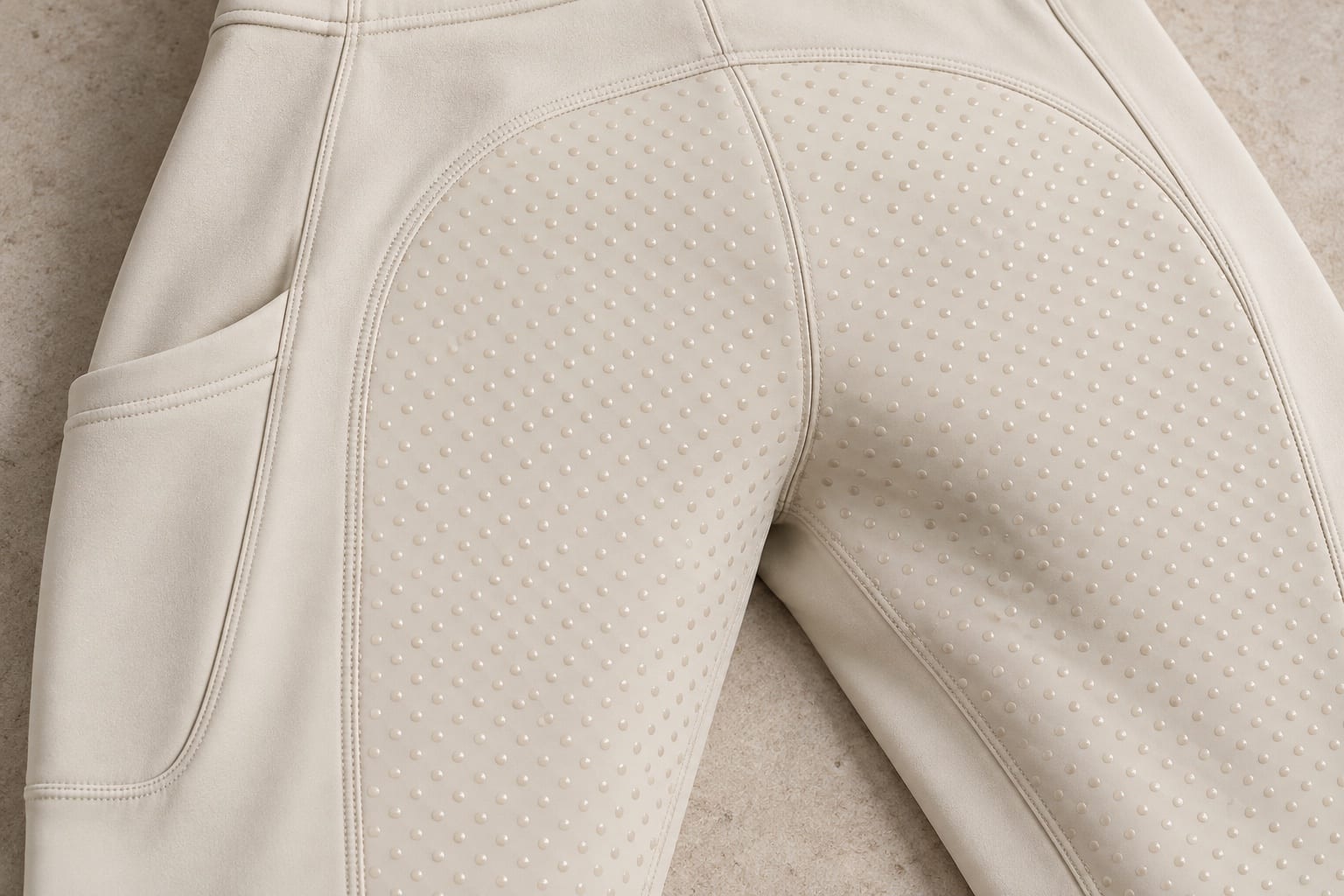 CONSTRUCTION IS PART OF THE BRIEF
State the target wearer, size range and intended riding position. A men’s block or a youth adjustable waist is a separate development exercise; a logo and colour change cannot resolve different proportions. Ask which measurements and fit samples are needed.
Define coverage, artwork, application and hand feel together with the base fabric. Assess the approved combination after stretch, wear and care checks relevant to the brief. Avoid transferring a result from a different fabric or print layout.
Agree colour references, pocket dimensions, belt loops and lower-leg finish across the range. Keep each style’s material, size chart and quantity by colour explicit. A coordinated collection still has separate minimums per style and colour.
Bring the details that make the product yours.
We review the combination before sampling.
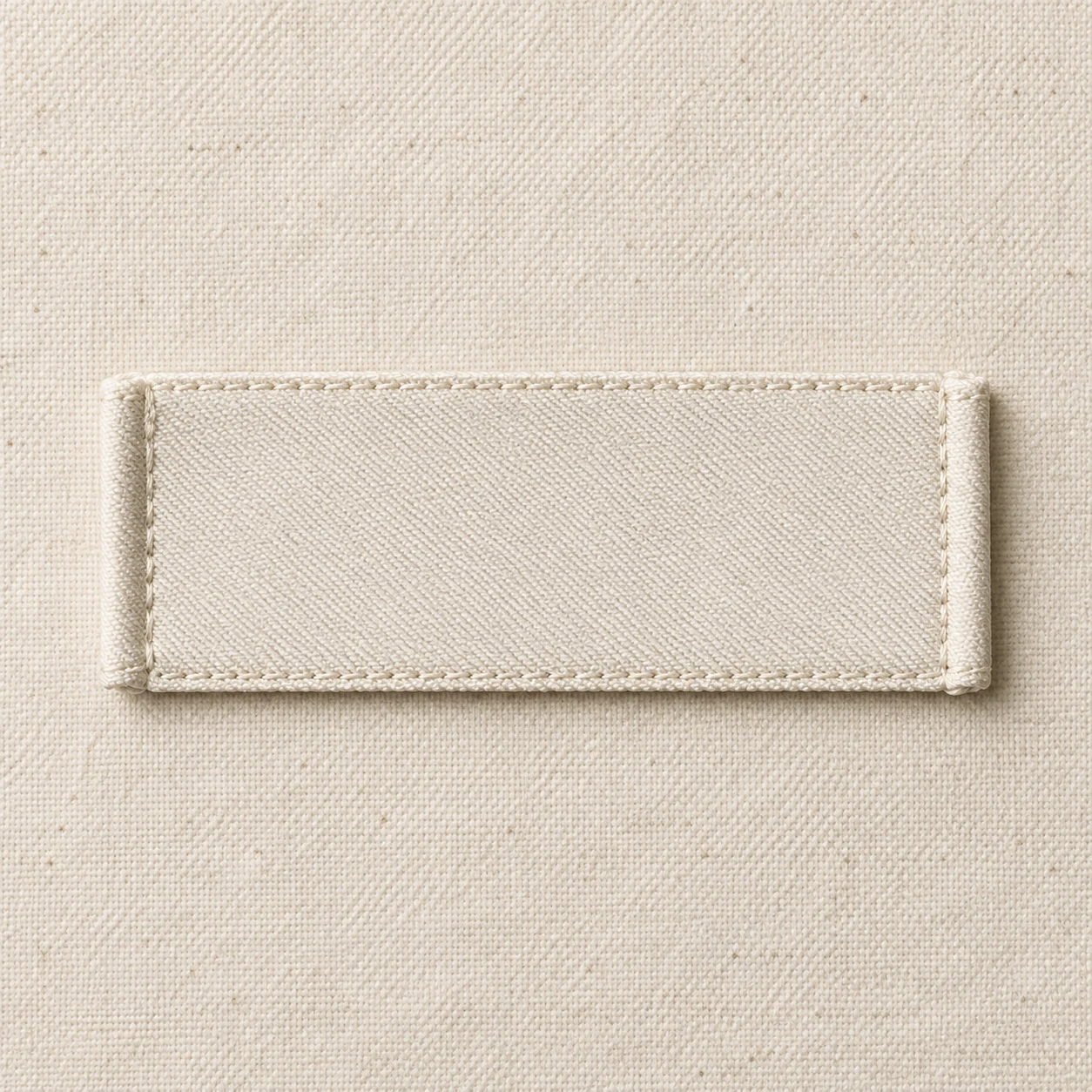
Folded edges · fine weave
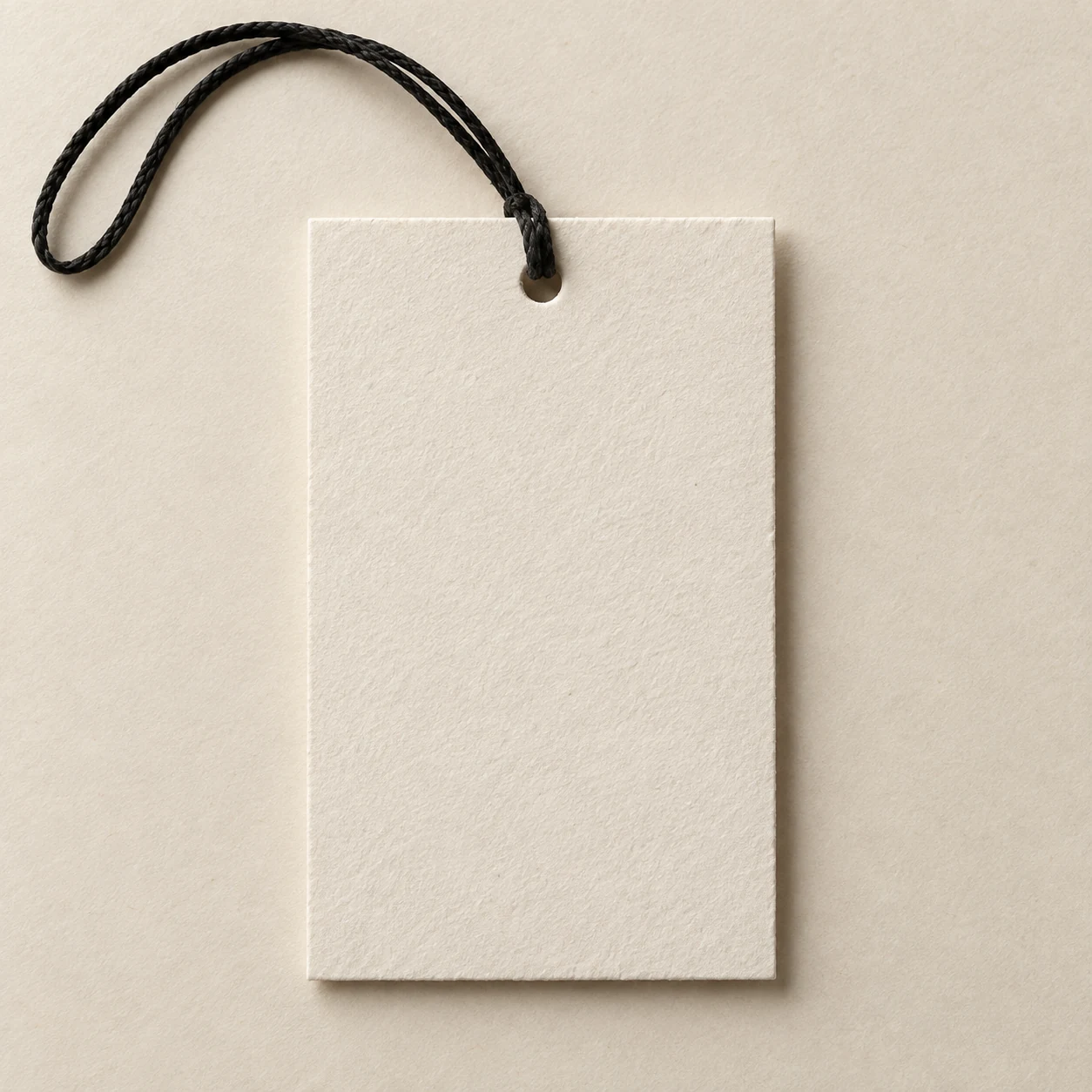
Textured stock · cord attachment
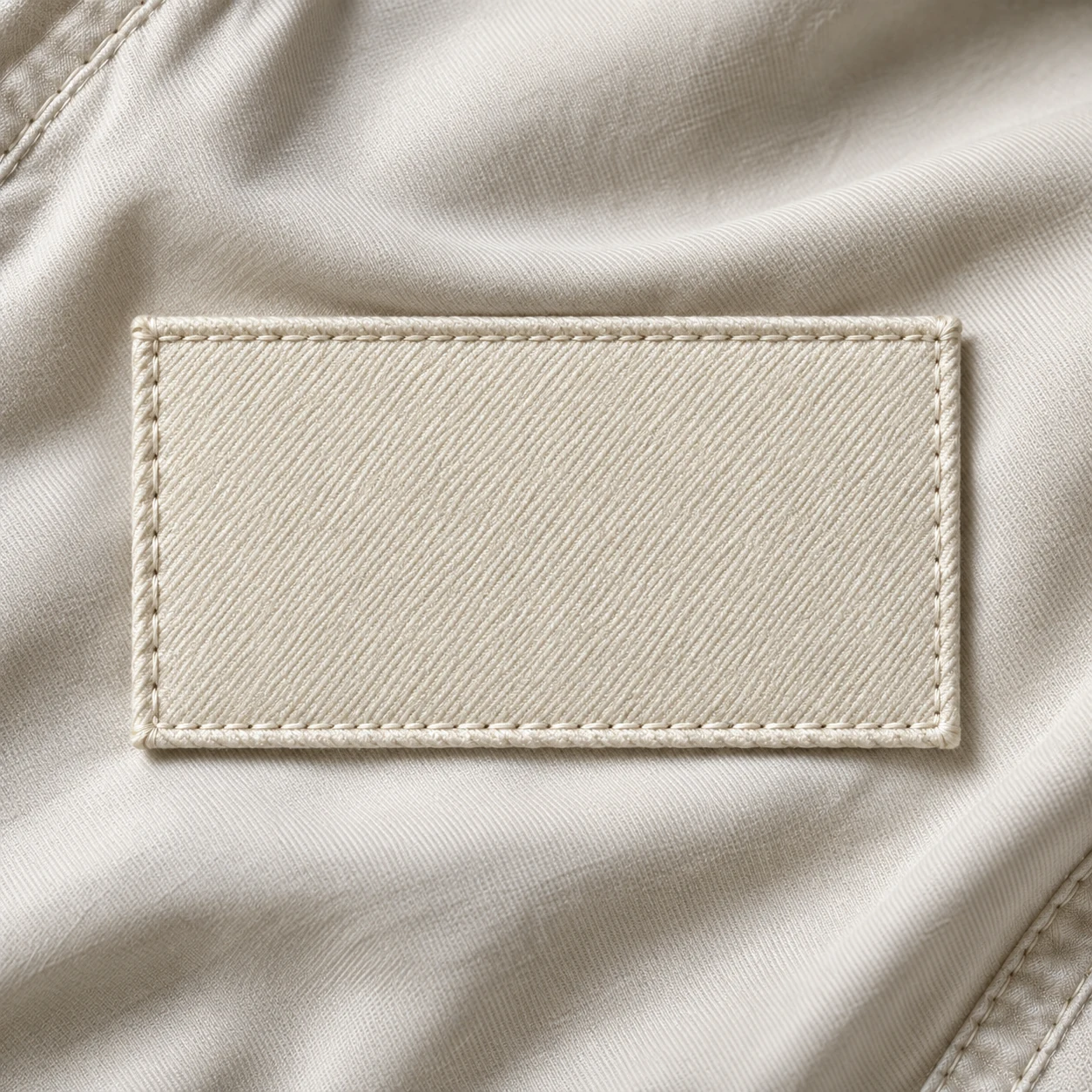
Raised edge · stitched placement
Material mockups with a live wordmark study. Print, weave, colour matching and placement are confirmed on your physical sample.
Define the rise, waistband, inseam, size range and stretch target. Use your measurement chart or begin with a fit brief for development.
Explore full-seat or knee-grip placement, coverage and artwork. Pattern, material and application are confirmed against the selected base fabric.
Specify phone pockets, belt loops, closure, seam placement and lower-leg construction. Approve the combination on your development sample.
Bring your colour references, logo, main label, care label and packaging direction. Each is part of the final agreed specification.
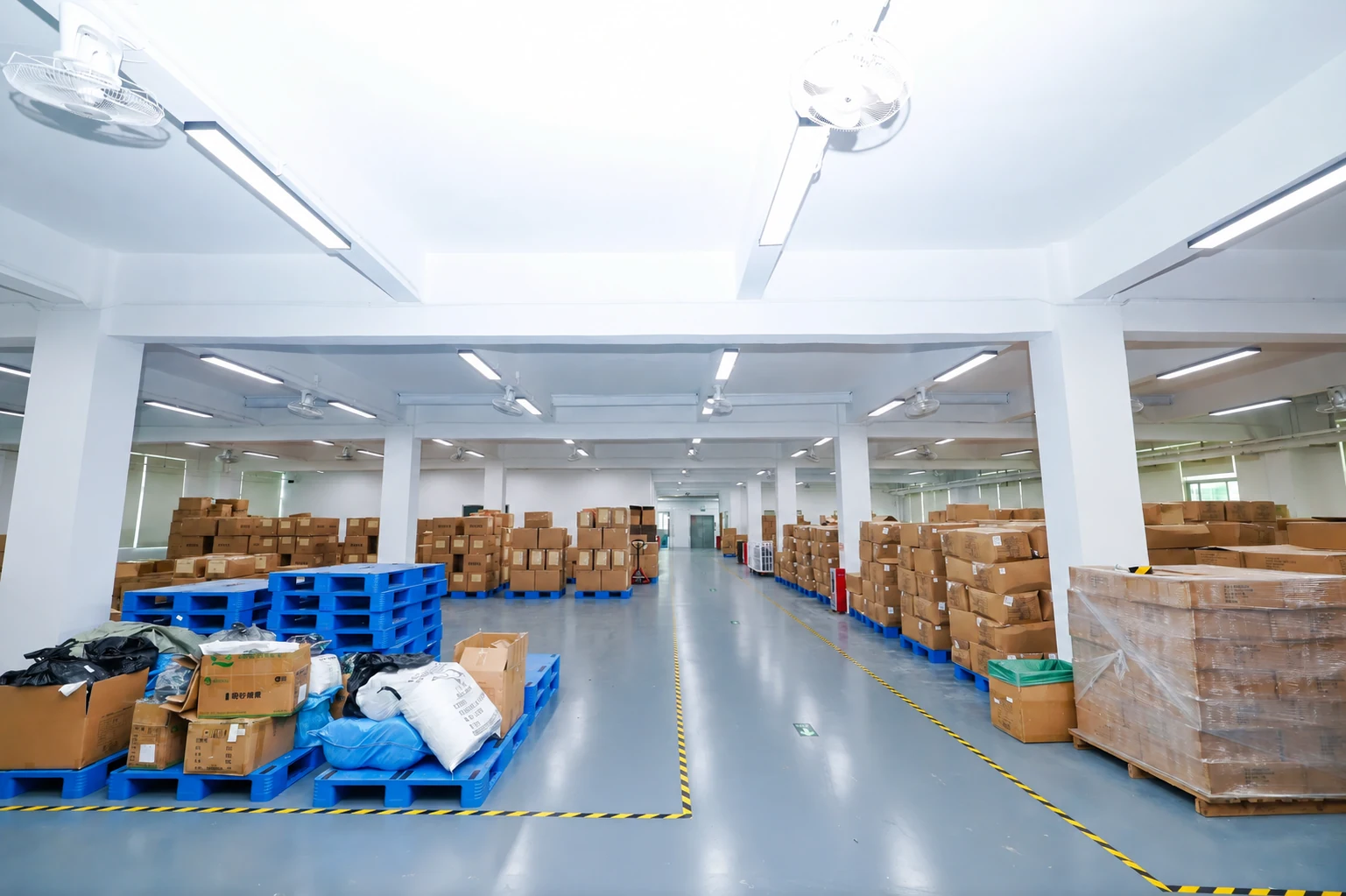
One agreed reference for the workroom: the dated sample, its specification and your confirmed order breakdown.
Resolve the rise, waistband and leg line together. Record the measurement points before cutting the first sample.
Mark the intended grip area, pocket position and seam lines on the pattern. Check their relationship across the proposed sizes.
Check waistband recovery, pocket access and lower-leg comfort on the assembled sample, then record any corrections.
Confirm each style and colour separately, with the size allocation attached. The minimum is 100 pieces per style, per colour.
Agree label artwork, packing instructions and the production start. Bulk production takes 30–45 working days from the confirmed start; revisions and transit are planned separately.
A useful first conversation includes the intended rider, the chosen product direction and the details still open for review. Add references to explain the construction you want; identify what you would change for your own label.
Sampling takes 7–10 working days from the agreed start. Bulk production takes 30–45 working days from the confirmed production start. Material confirmation, revisions and transit are planned separately.
Start a breeches projectPlanning baseline: 100 pieces minimum per style, per colour. Sampling takes 7–10 working days; bulk production takes 30–45 working days from the agreed start.
Resolve these questions alongside the product-specific sample checklist.
Start with the riding use and the preference your customers already express. The two directions can serve different riders, but each adds its own sampling, fit review and order commitment. The comparison below helps you prepare separate briefs rather than changing only the product name.
Use an appropriate measurement block for each intended wearer. Shared branding does not mean shared body proportions or grading. Confirm the required sample sizes, tolerances and size allocation for every proposed style.
No. The minimum is 100 pieces per style, per colour. Four styles in one colour each start from 400 pieces in total. Any additional colour creates a separate 100-piece minimum for that style.