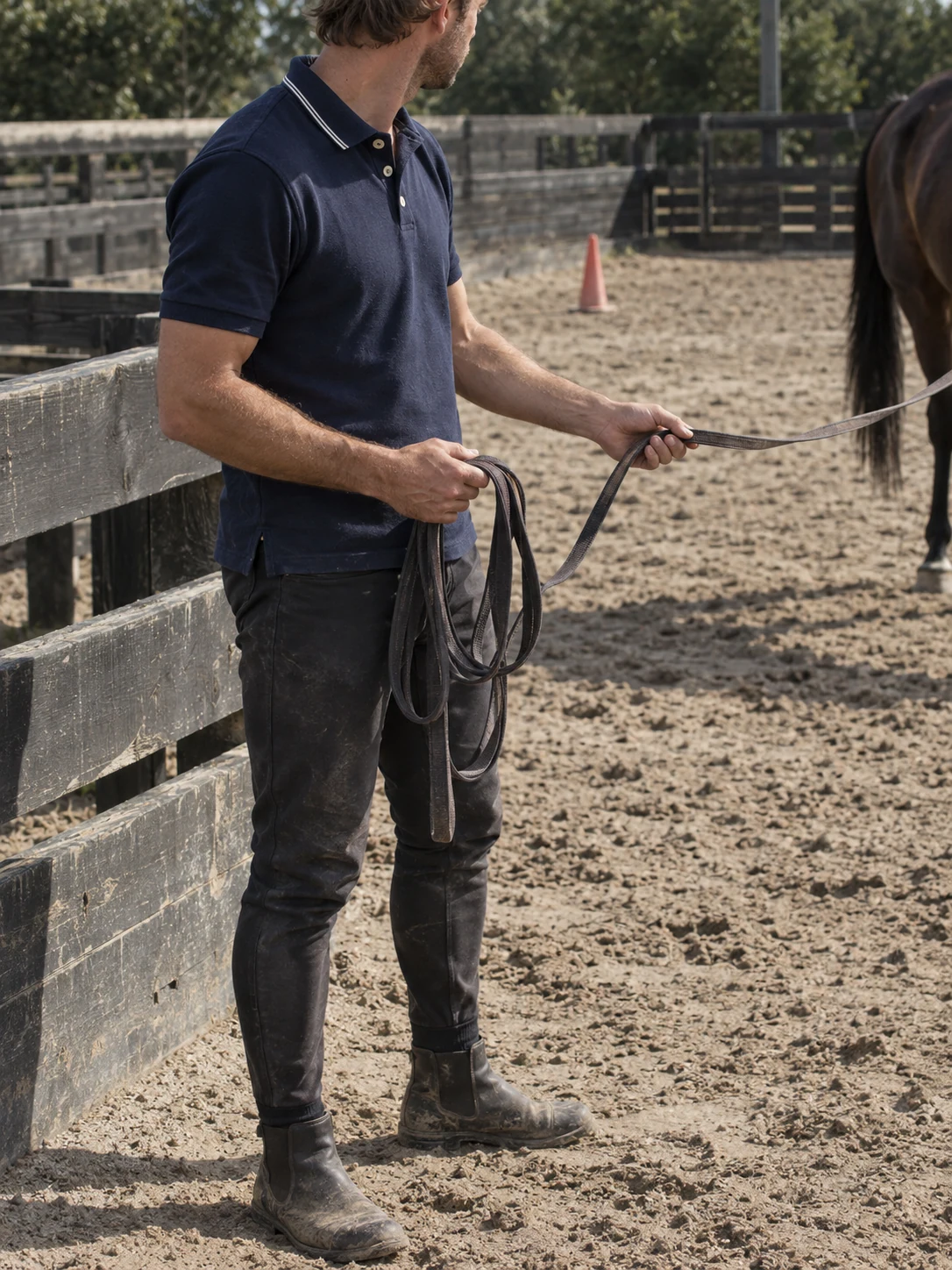
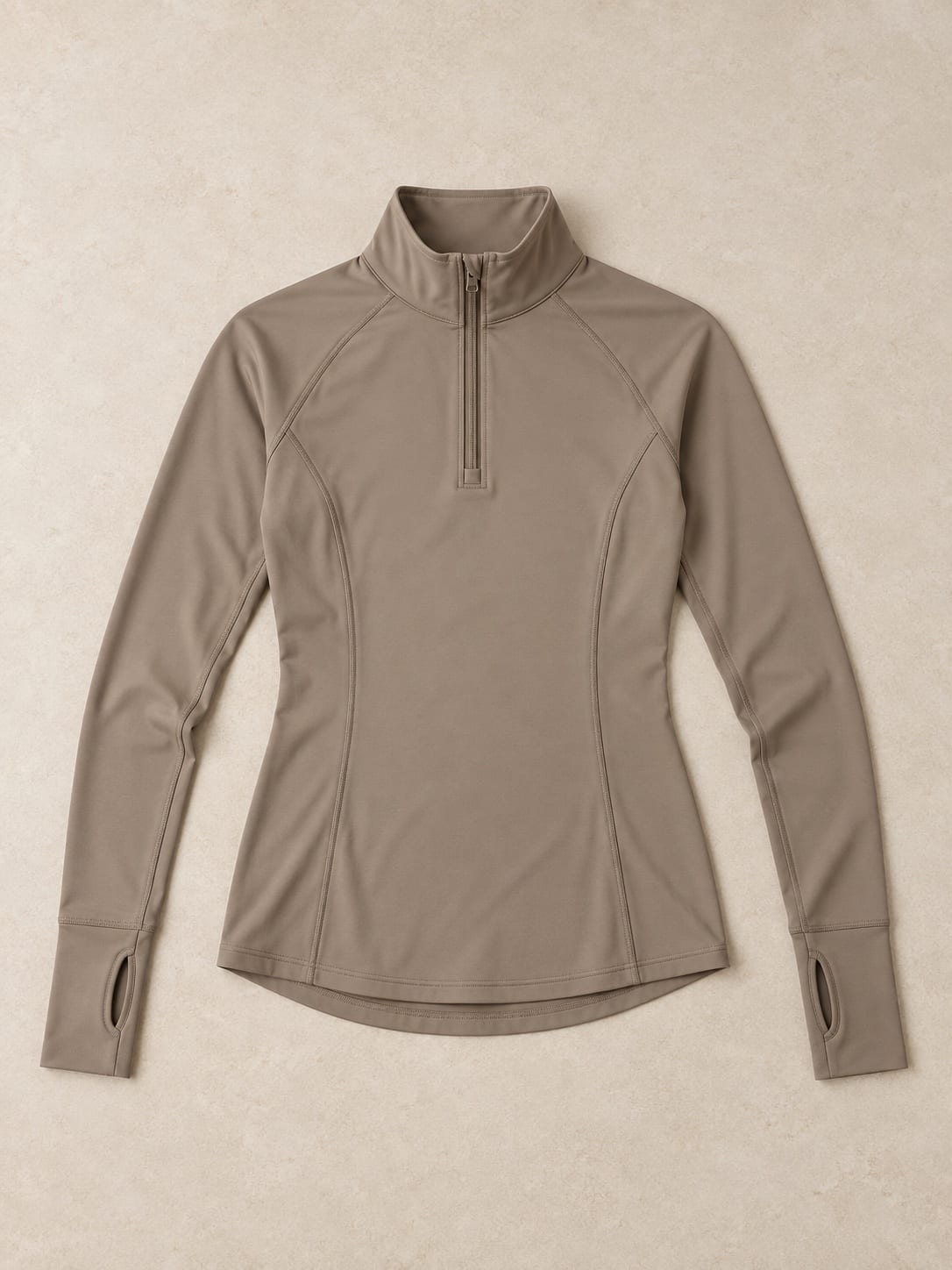
Technical training polo
Private label technical riding polos for equestrian brands: collars, plackets, fabric targets, logo durability and sample approval. Request an OEM quote.
Read the buying guide REINFORM.
REINFORM is a custom equestrian polo shirts manufacturer for brands and club teamwear orders. Compare technical, piqué, long-sleeve and sleeveless polos. Specify fabric, collar, sizing and embroidery or print placement, then approve the sample before bulk manufacturing.
Club, training, coaching and equestrian lifestyle collections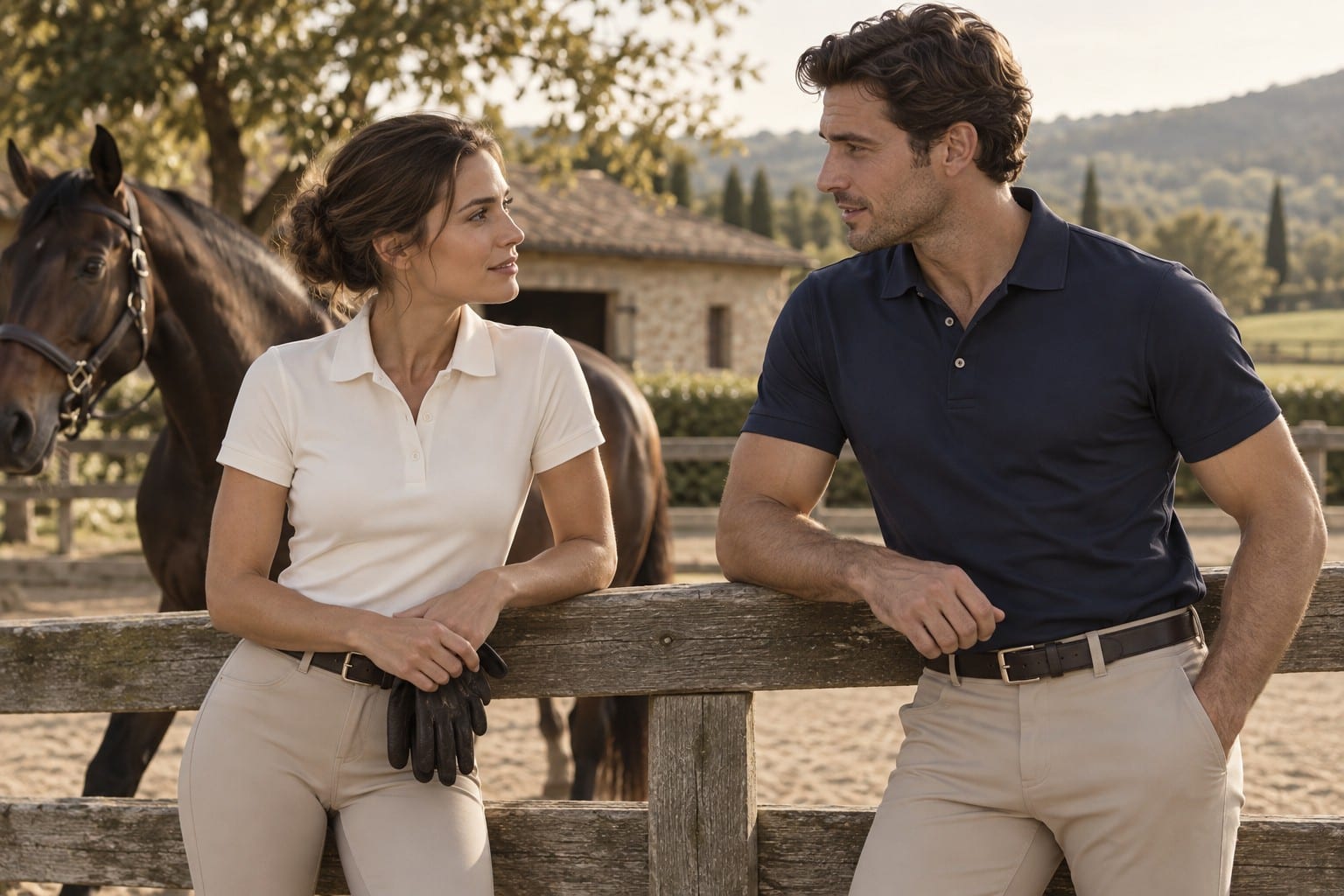
A riding polo can connect a brand’s performance range with club, coaching and everyday equestrian wear. Compare a smooth technical training polo, a textured piqué club shirt, a long-sleeve option and a sleeveless summer style. Collar structure, placket proportions and decoration often carry the visual identity. Define the wearer and use first, then review the material, fit and branding as one product rather than a blank shirt with a logo added later.
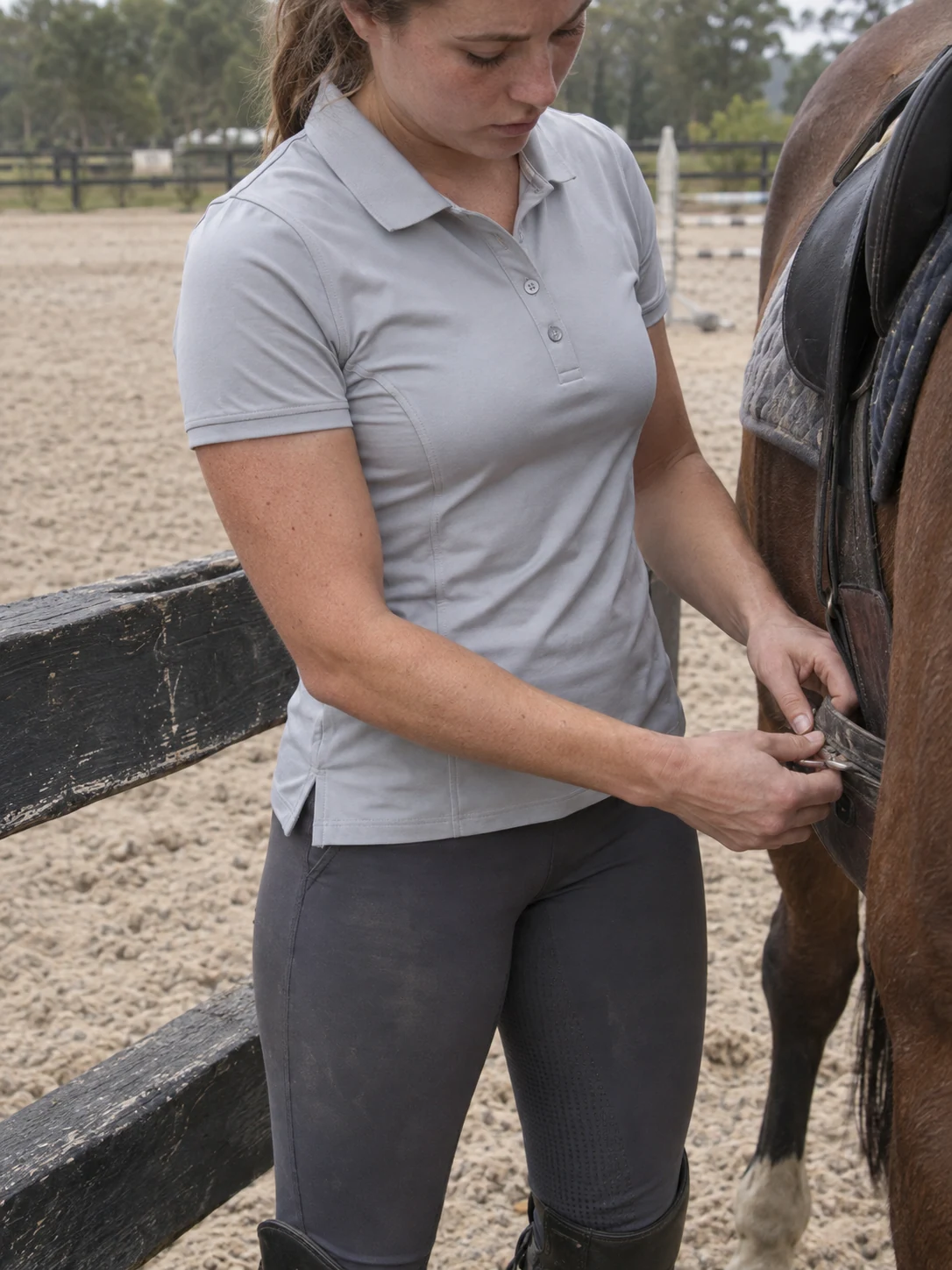
For equestrian lifestyle brands, coaches, clubs, riding schools and tack retailers seeking a smart training uniform with a lighter, more athletic fabric direction than traditional piqué.
Every product opens a detailed buying guide.
Materials. Fit. Construction. Sample review.
Private label technical riding polos for equestrian brands: collars, plackets, fabric targets, logo durability and sample approval. Request an OEM quote.
Read the buying guidePrivate label piqué equestrian club polos for equestrian brands: embroidery, roster sizing, collar structure and repeat-care checks. Request an OEM quote.
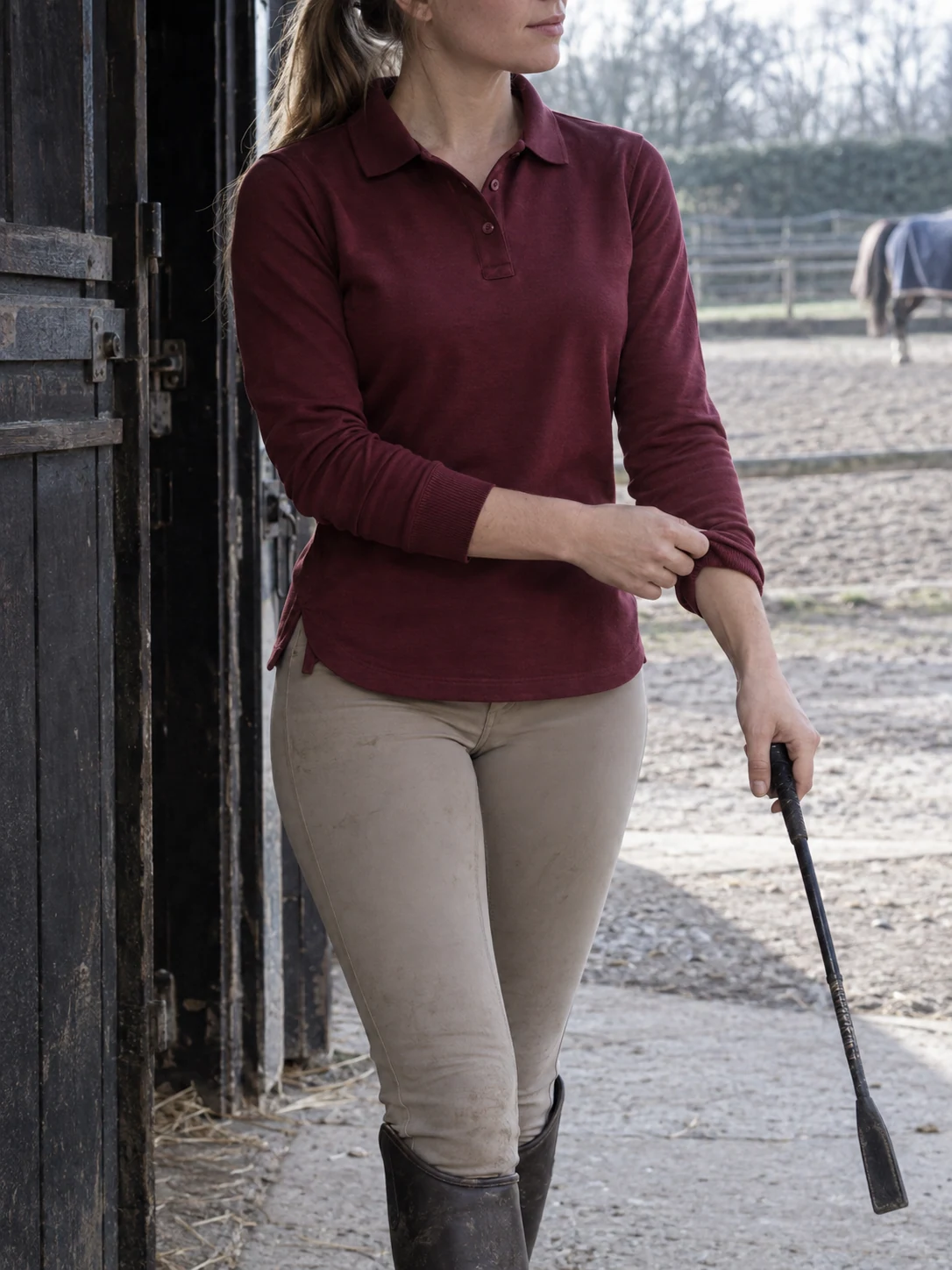
Read the buying guidePrivate label long-sleeve riding polos for equestrian brands: sleeve fit, cuffs, collar stability and seasonal fabric specifications. Request an OEM quote.
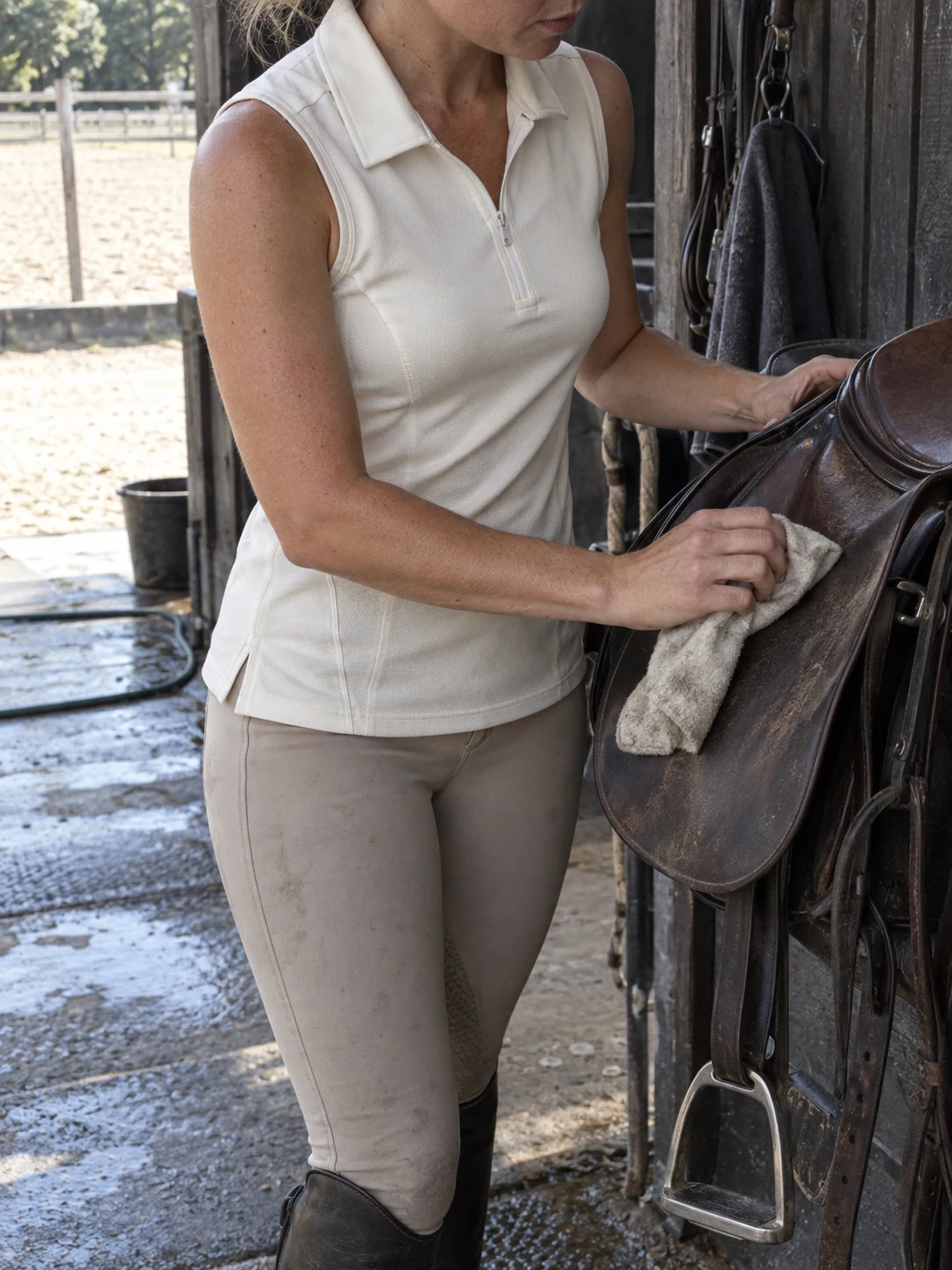
Read the buying guidePrivate label sleeveless riding polos for equestrian brands: armhole coverage, shoulder mobility, collar and brand details. Request an OEM quote.
Read the buying guideOriginal development concepts for private-label discussion. These are not stocked retail products; final garments follow an agreed specification and approved sample.
A shared club identity starts with consistent proportions. Resolve collar, placket and decoration placement together.
Explore our factory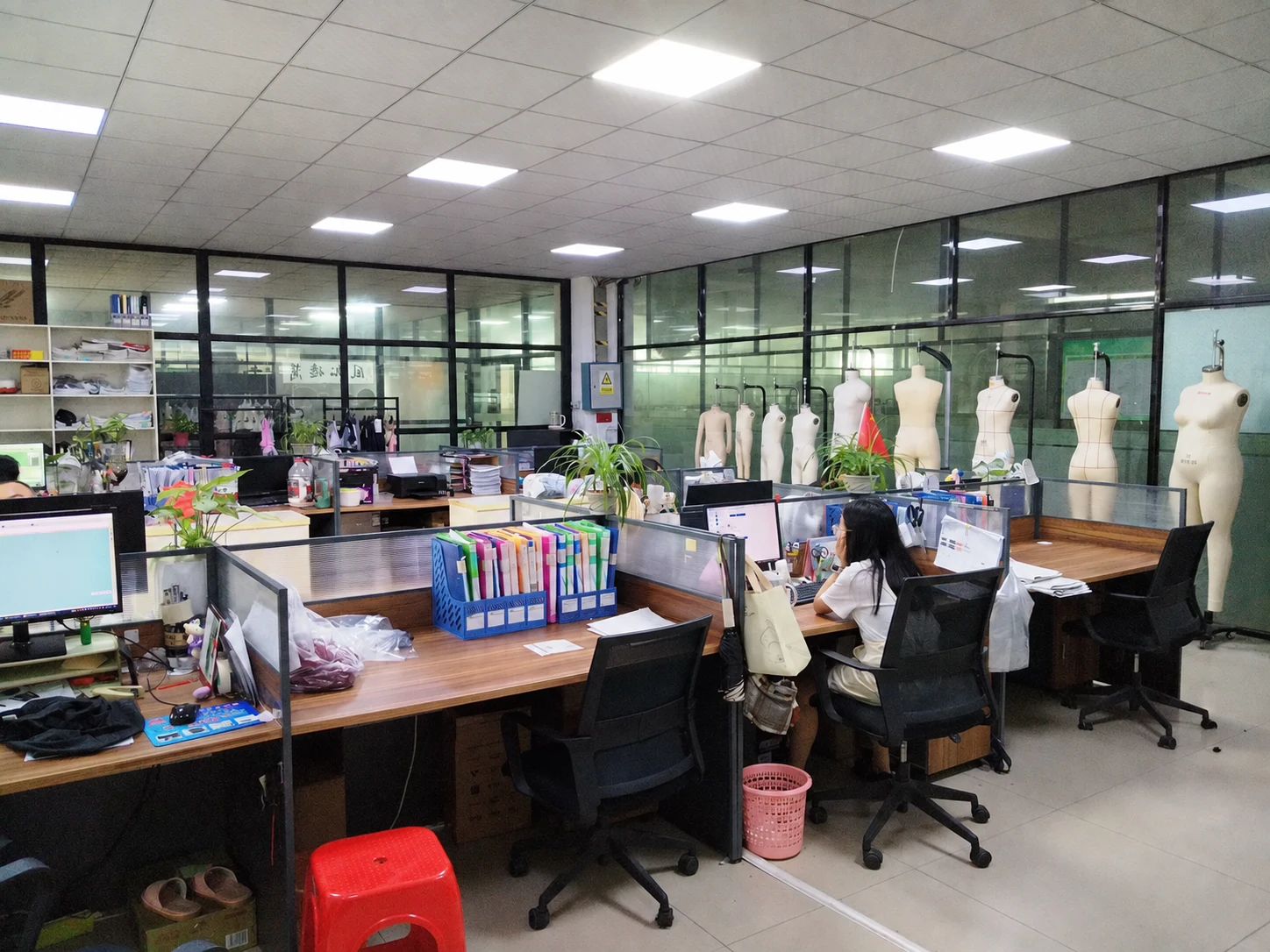
Set body and sleeve proportions for the intended rider. Note differences needed across the size range.
Carry this into approval Factory views show our working environment. Your garment follows its agreed specification and sample.Use intended customer and construction priorities to narrow the brief. Then open the individual guide for a deeper material and sample review.
| Product direction | Buyer & use case | Decisions to resolve | Guide |
|---|---|---|---|
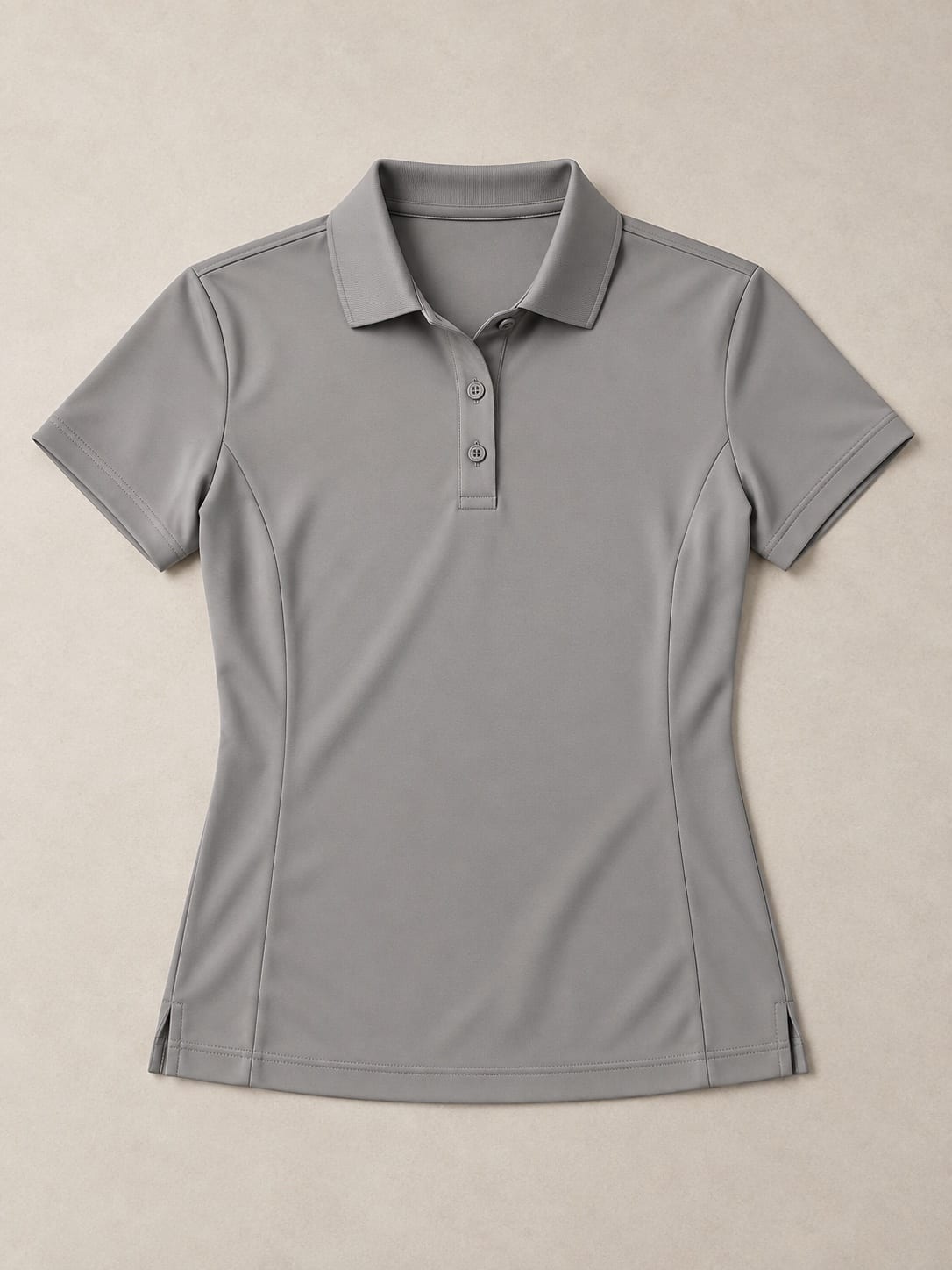 Technical training polo Technical training polo | For equestrian lifestyle brands, coaches, clubs, riding schools and tack retailers seeking a smart training uniform with a lighter, more athletic fabric direction than traditional piqué. |
| |
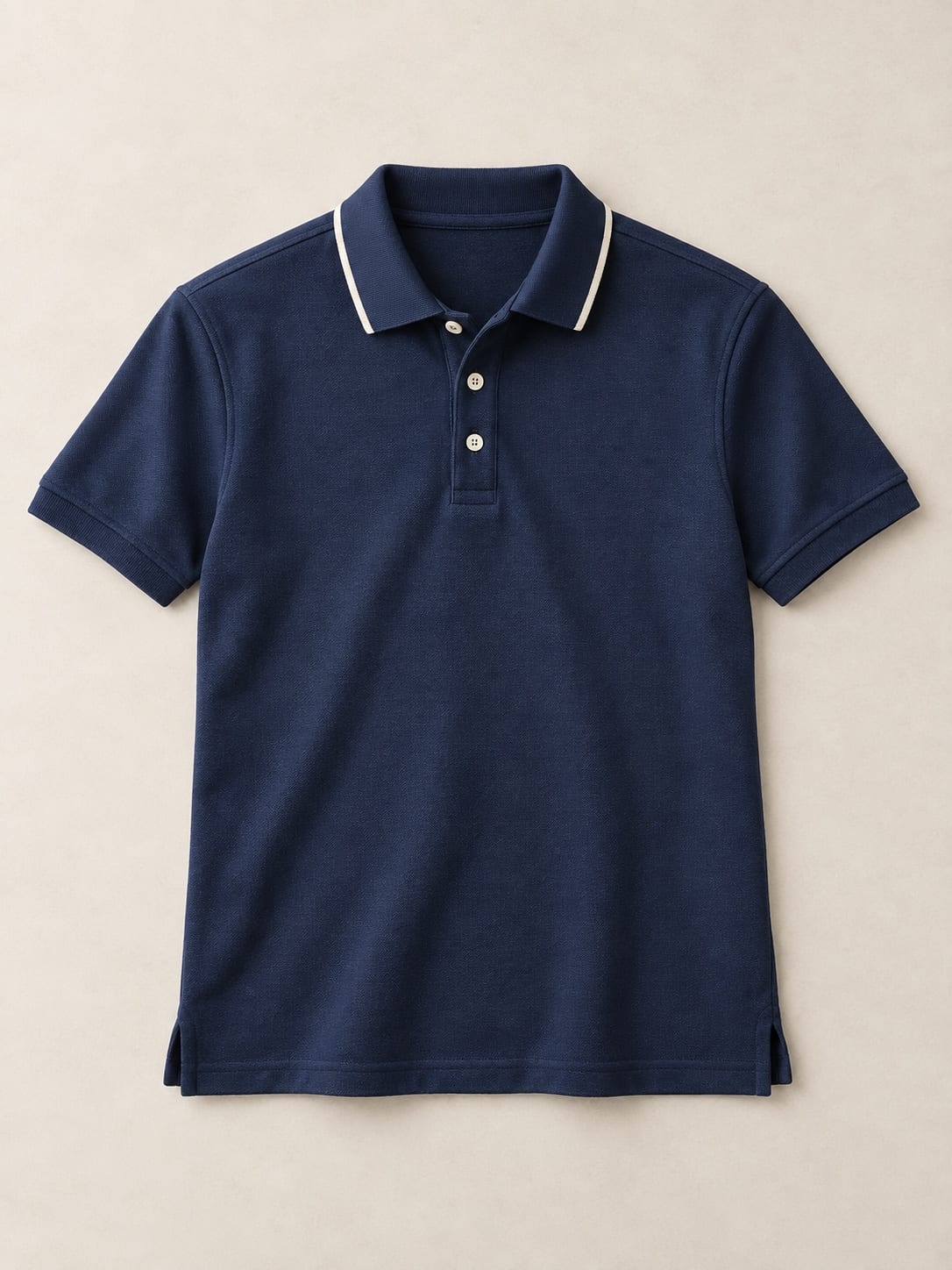 Piqué club polo Piqué club polo | For pony clubs, academies, riding schools, show teams and tack shops wanting a recognisable traditional polo with organized logos, sizes and private-label finishing. |
| |
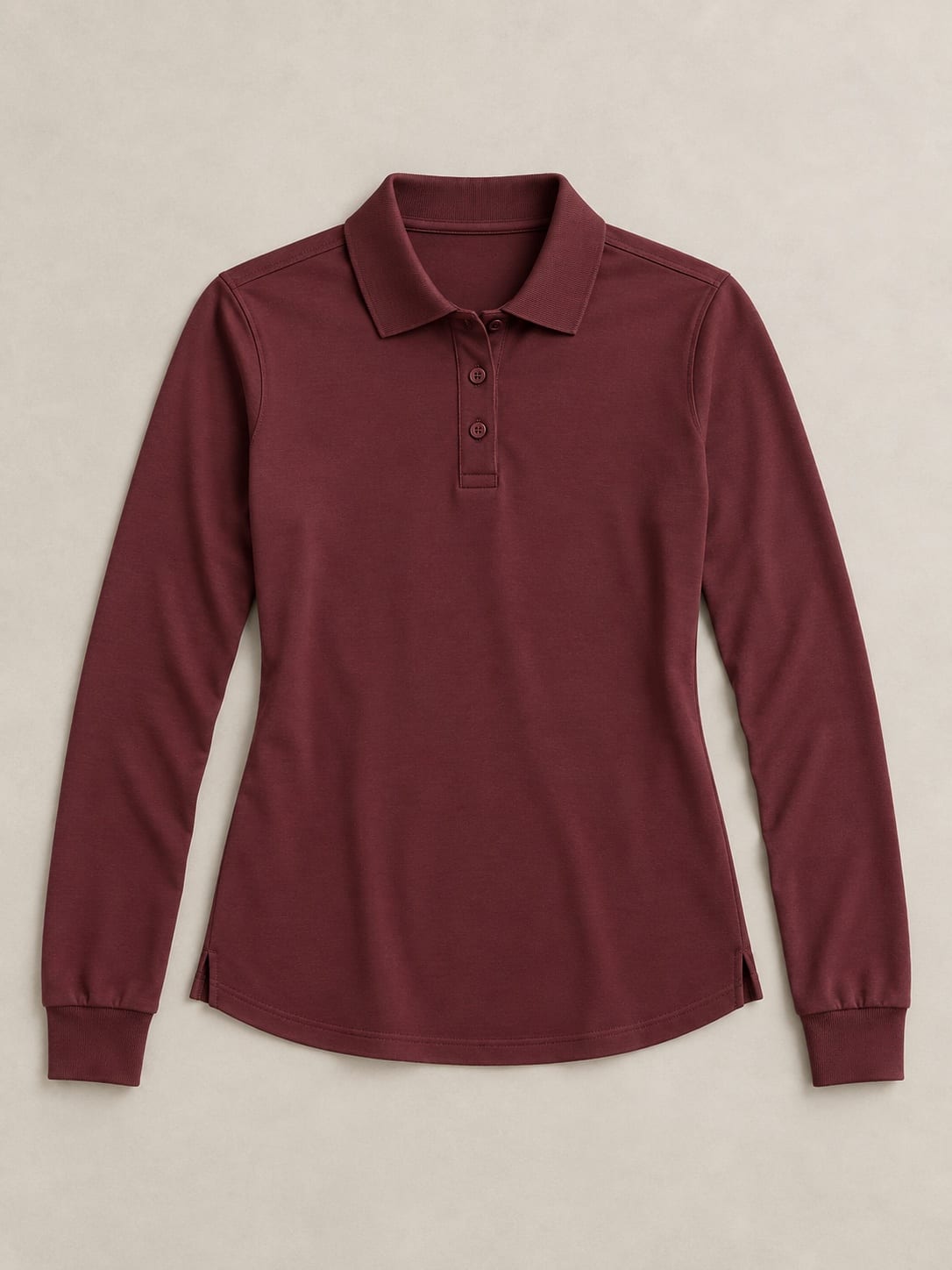 Long-sleeve riding polo Long-sleeve riding polo | For riding schools, clubs, lifestyle labels and trans-seasonal retail collections seeking more coverage than a short-sleeve polo without moving to a zip base layer. |
| |
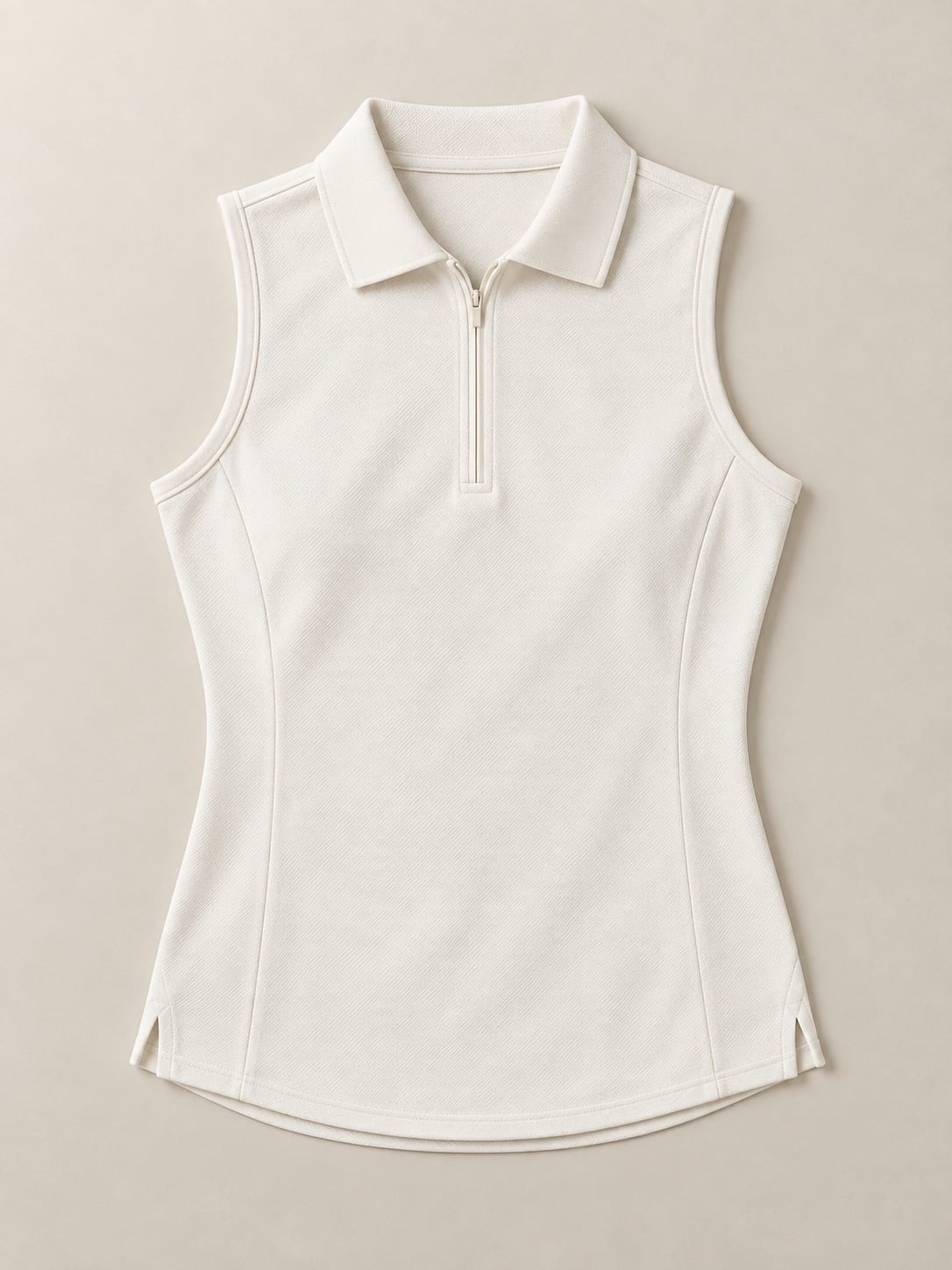 Sleeveless summer riding polo Sleeveless summer riding polo | For hot-climate riding labels, summer resort or leisure collections, tack retailers and clubs wanting a polished sleeveless alternative to tanks and short-sleeve polos. |
|
Explore the details before you write the brief.
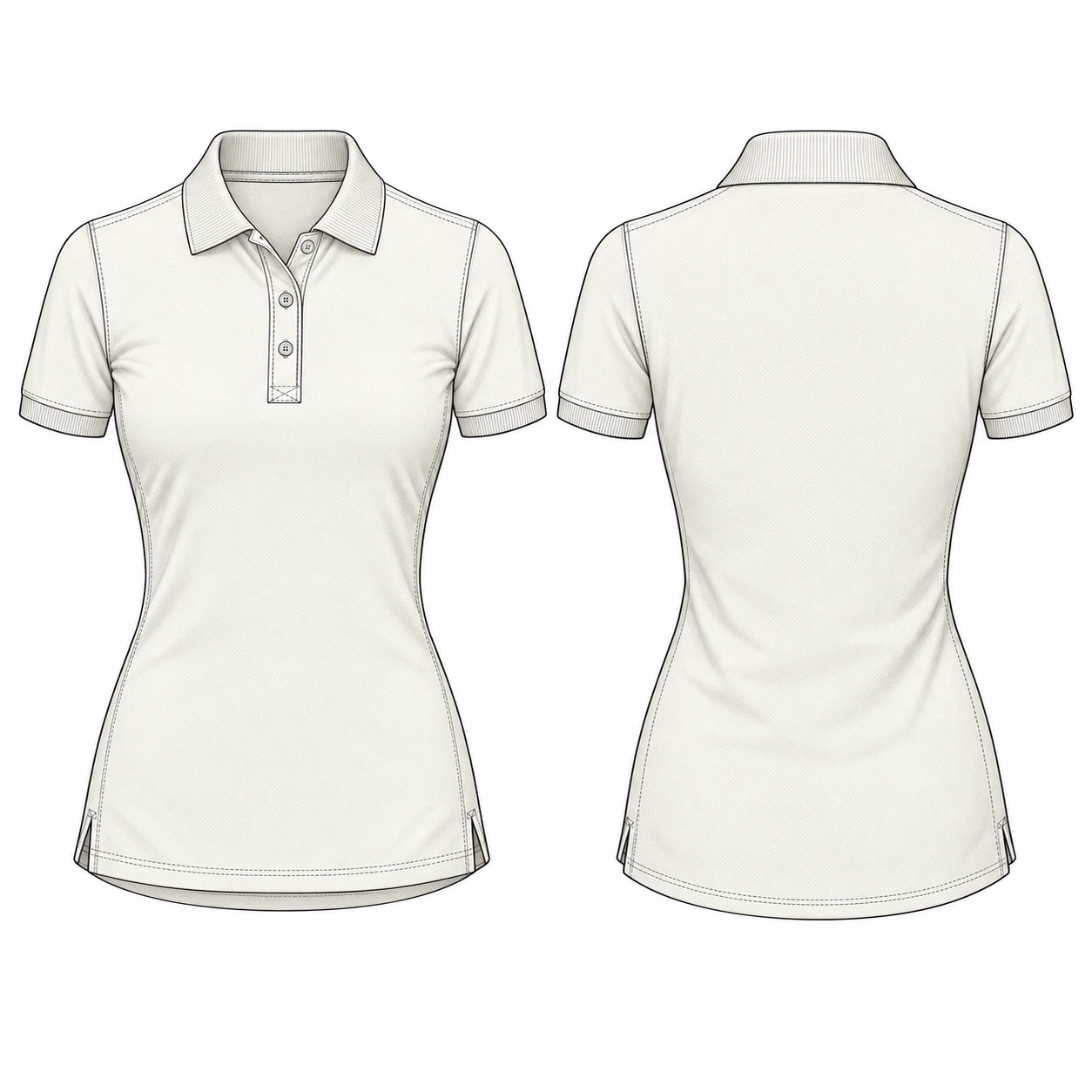
Compare the rib-knit collar after care. Check its structure against the body fabric and proposed decoration. Balance rib structure, collar stand and body fabric so the shape remains crisp after repeated care.
Agree the button-placket depth, reinforcement and closure spacing. Check that it lies flat on the finished garment. Agree reinforcement, button spacing and finished depth, then check that the complete placket lies flat.
Review the set-in sleeve and armhole during forward reach. Check the sleeve opening, seam position and movement together. Review seam position and opening circumference through forward reach, including any planned decoration.
Confirm the side-vent depth, tuck length and hem reinforcement. Review the finish in riding posture. Set vent depth, hem reinforcement and tuck length so the lower body stays balanced in riding posture.
Diagram shows review locations, not an approved specification.
BUILT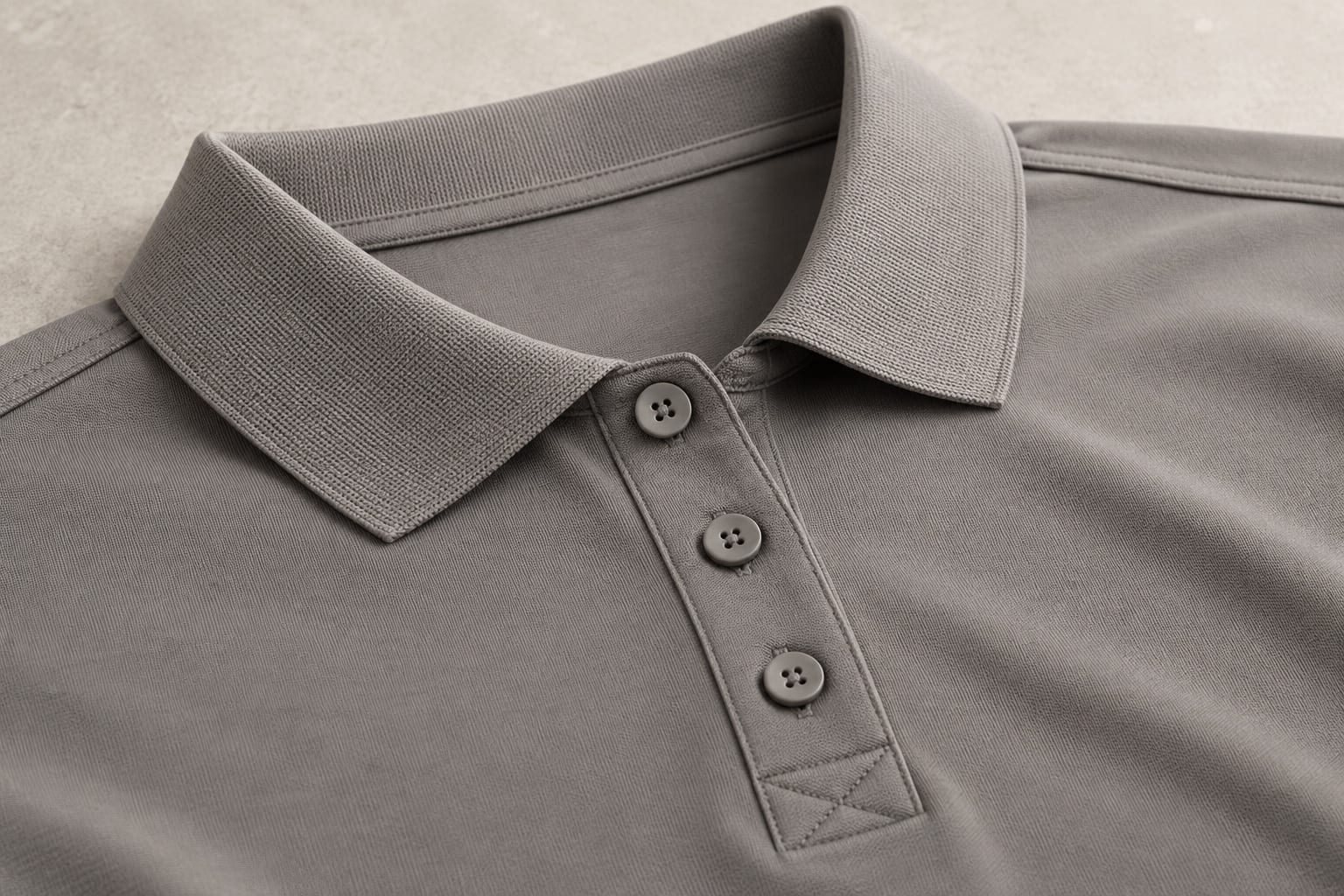 CONSTRUCTION IS PART OF THE BRIEF
The same embroidery or transfer can behave differently on piqué and smooth technical knit. Review the intended artwork, size and location with the selected material. Include stretch and care checks appropriate to the decoration.
Specify collar shape, height, rib construction, tipping and placket depth. Assess the collar after care and beneath a light jacket. Small proportion changes can materially alter the look of a club range.
List the style, colour and size breakdown before allocating club members, names or sponsor marks. Personalisation may add separate setup and production considerations; it does not remove the 100-piece minimum per style and colour.
Bring the details that make the product yours.
We review the combination before sampling.
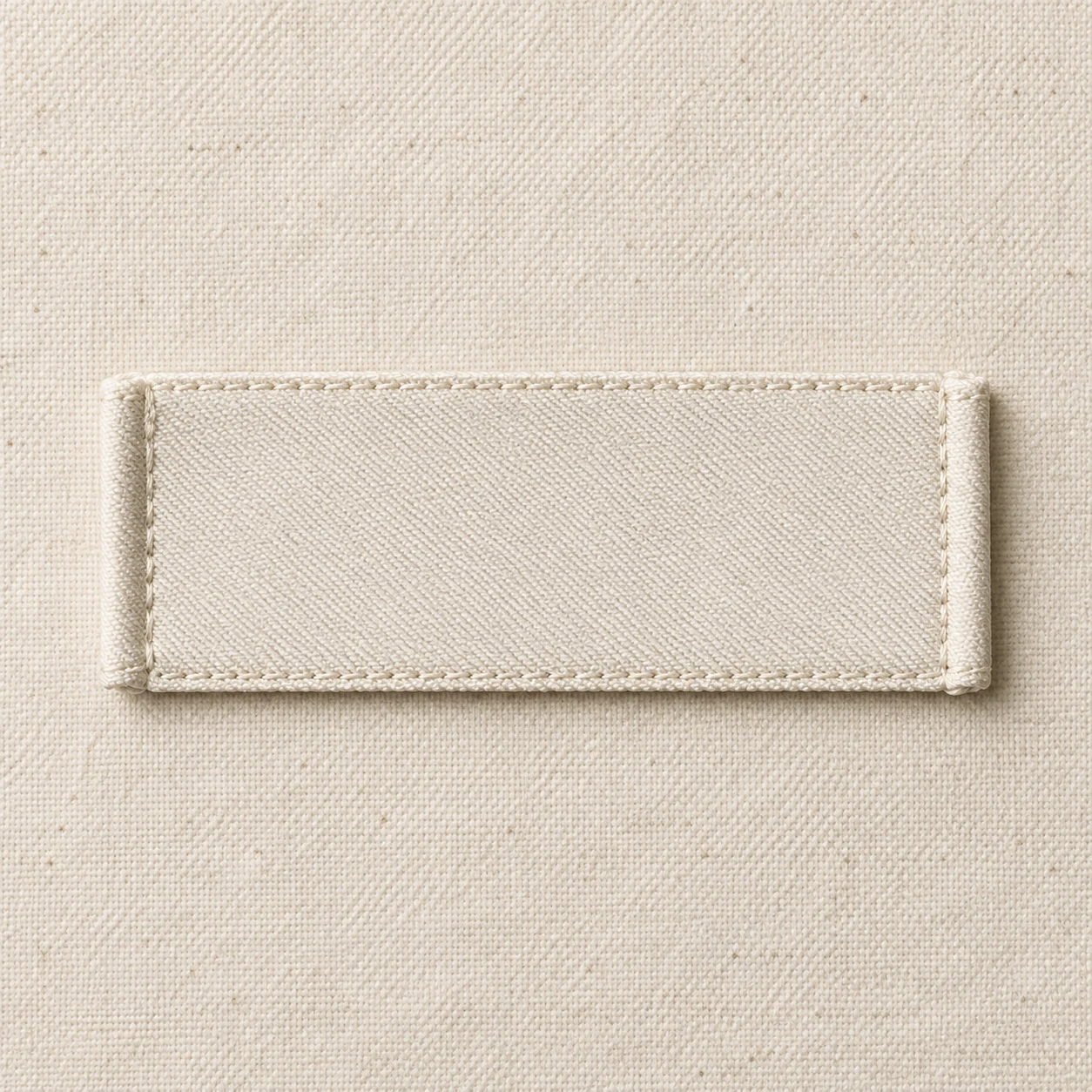
Folded edges · fine weave
Textured stock · cord attachment
Raised edge · stitched placement
Material mockups with a live wordmark study. Print, weave, colour matching and placement are confirmed on your physical sample.
Compare smooth technical knit with textured piqué. Specify weight, stretch, hand feel and the wash routine your buyer expects; composition and performance claims require confirmation against the selected material.
Review collar height, point shape, rib structure, placket depth and closure. Check how decoration and contrast tipping affect the look, minimums and sample route.
Decide whether the range needs separate women’s and men’s blocks or a unisex block. Grade from the approved measurements and check shoulder movement in the riding position.
Map sponsor marks, club embroidery, name personalisation and inside labels. Ask how each changes setup cost, colour planning and repeat-order consistency.

One agreed reference for the workroom: the dated sample, its specification and your confirmed order breakdown.
Set body and sleeve proportions for the intended rider. Note differences needed across the size range.
Plan collar shape, front opening and decoration clearance before cutting the sample.
Review collar recovery, seam appearance and decoration on the completed garment after the agreed care process.
Confirm each style and colour separately, with the size allocation attached. The minimum is 100 pieces per style, per colour.
Agree label artwork, packing instructions and the production start. Bulk production takes 30–45 working days from the confirmed start; revisions and transit are planned separately.
A useful first conversation includes the intended rider, the chosen product direction and the details still open for review. Add references to explain the construction you want; identify what you would change for your own label.
Sampling takes 7–10 working days from the agreed start. Bulk production takes 30–45 working days from the confirmed production start. Material confirmation, revisions and transit are planned separately.
Start a polo shirts projectPlanning baseline: 100 pieces minimum per style, per colour. Sampling takes 7–10 working days; bulk production takes 30–45 working days from the agreed start.
Resolve these questions alongside the product-specific sample checklist.
Compare the intended use, texture, stretch, care expectations and decoration. Piqué and smooth knit present the brand differently; neither should be chosen on a generic performance claim. Review swatches and decorated samples with the club brief.
Bring the name list format, placement, decoration direction and garment allocation for review. Confirm feasibility, setup, approval and repeat-order handling separately. The MOQ remains 100 pieces per style, per colour.
Define each intended measurement block and size range. Review shoulder width, length, sleeve shape and ease with representative wearers. Treat genuinely different patterns as separate styles when planning quantities and sampling.