 REINFORM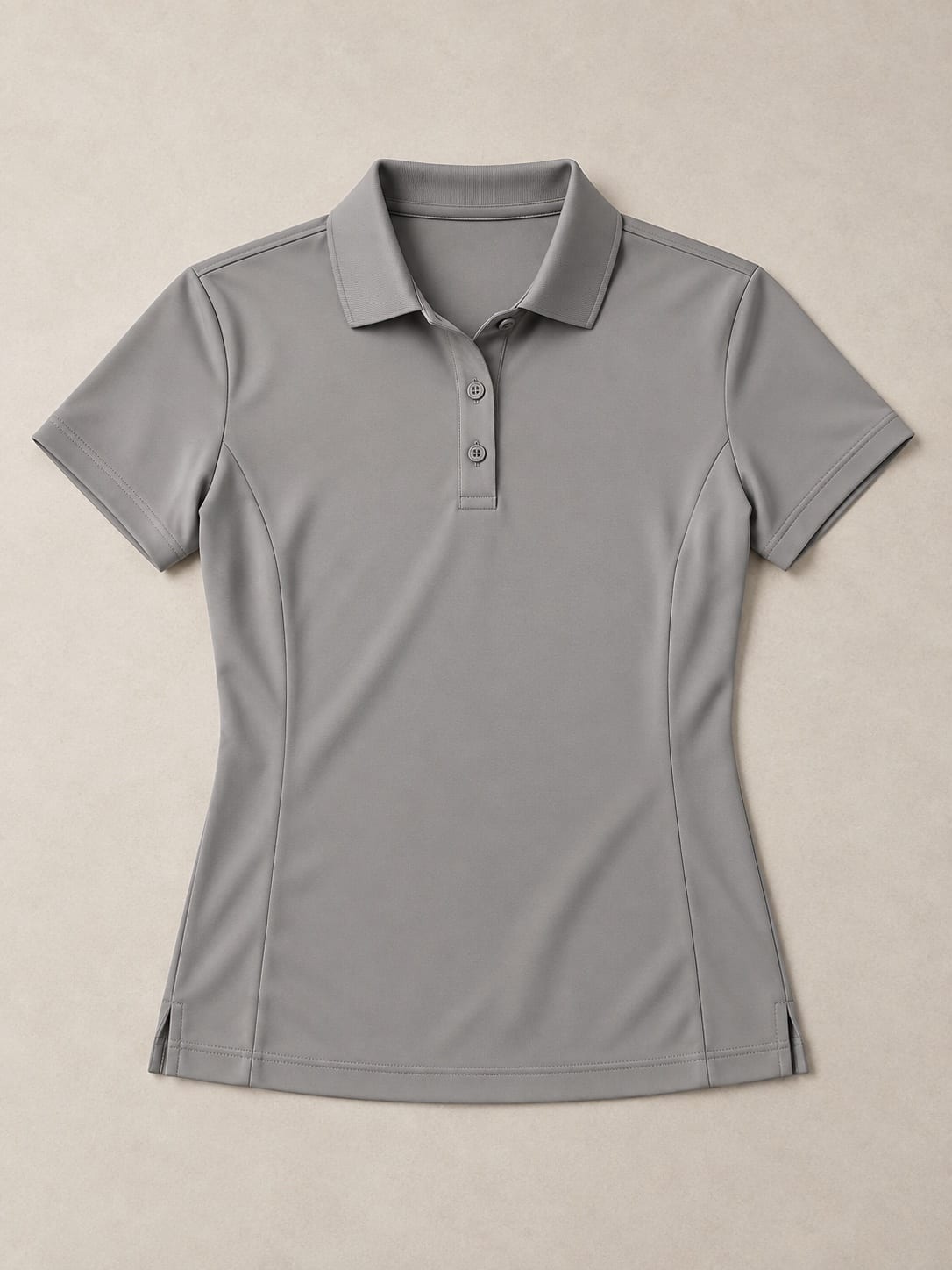
Give the Polo a Riding Purpose
Technical training polo:
the private label buying guide.
Private label technical riding polos for equestrian brands: collars, plackets, fabric targets, logo durability and sample approval. Request an OEM quote.
A development direction for your brand. Final material, construction and performance by specification and sample approval.START WITH
THE RIDER.
For equestrian lifestyle brands, coaches, clubs, riding schools and tack retailers seeking a smart training uniform with a lighter, more athletic fabric direction than traditional piqué.
Product development context
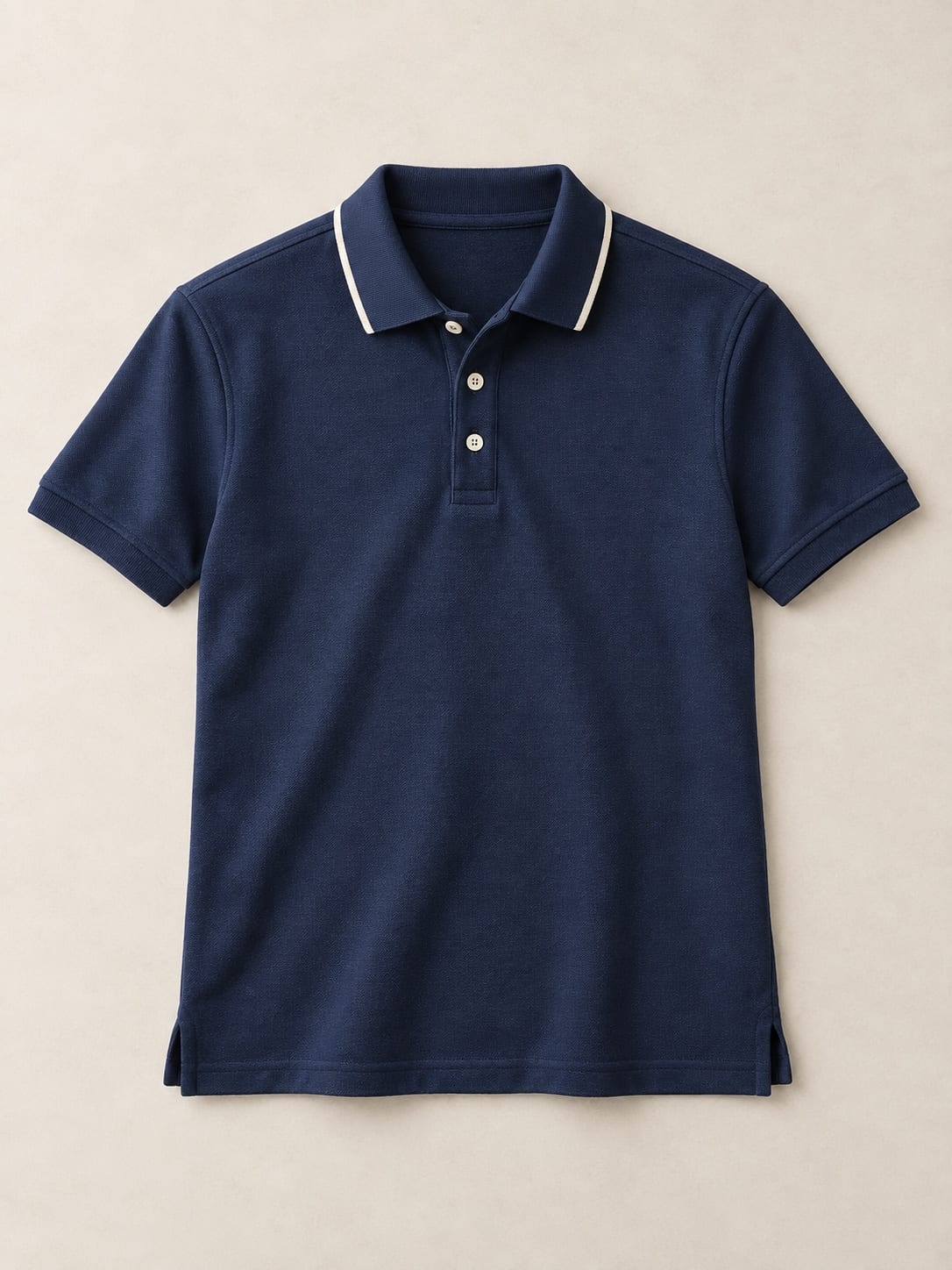
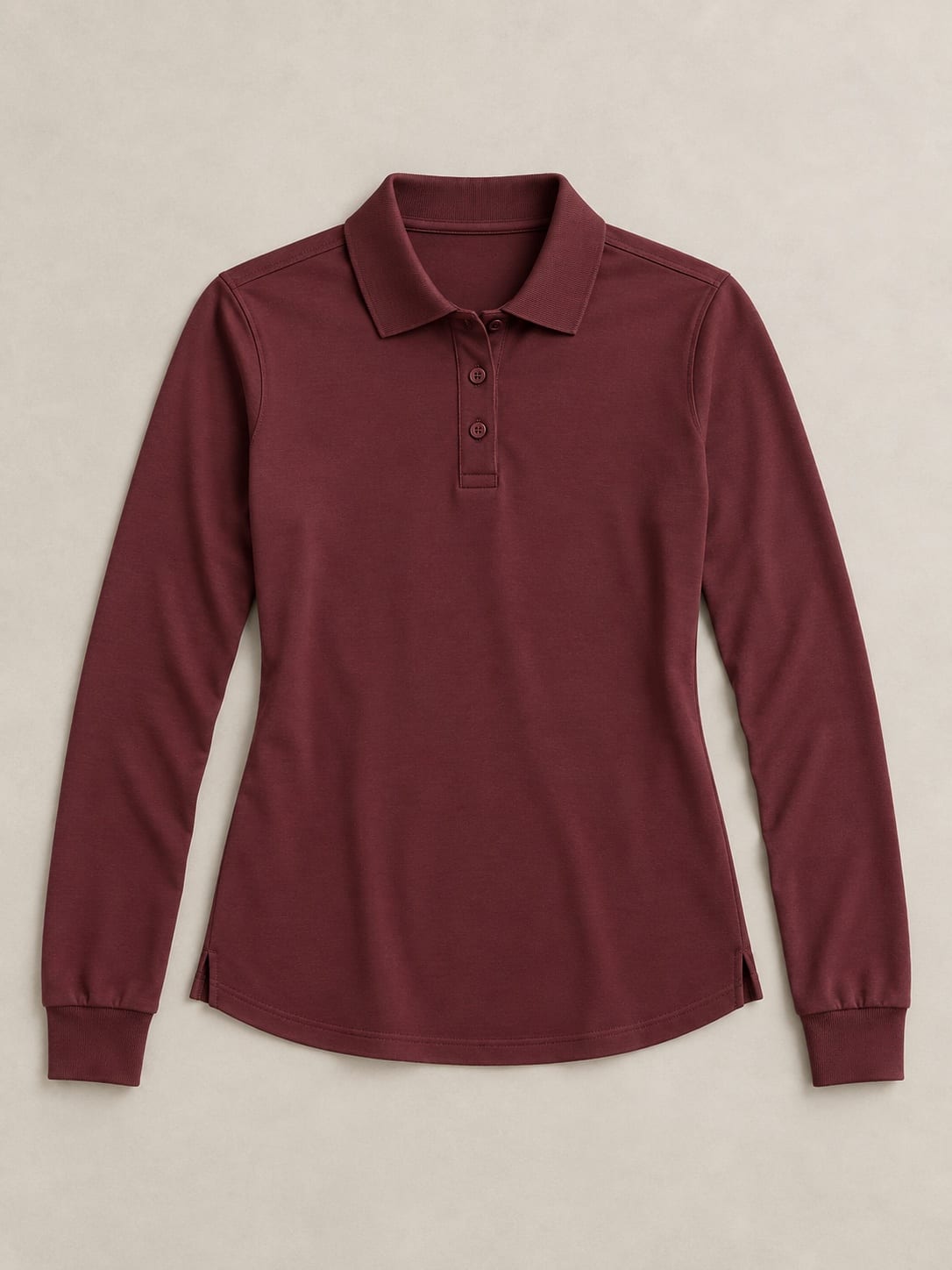
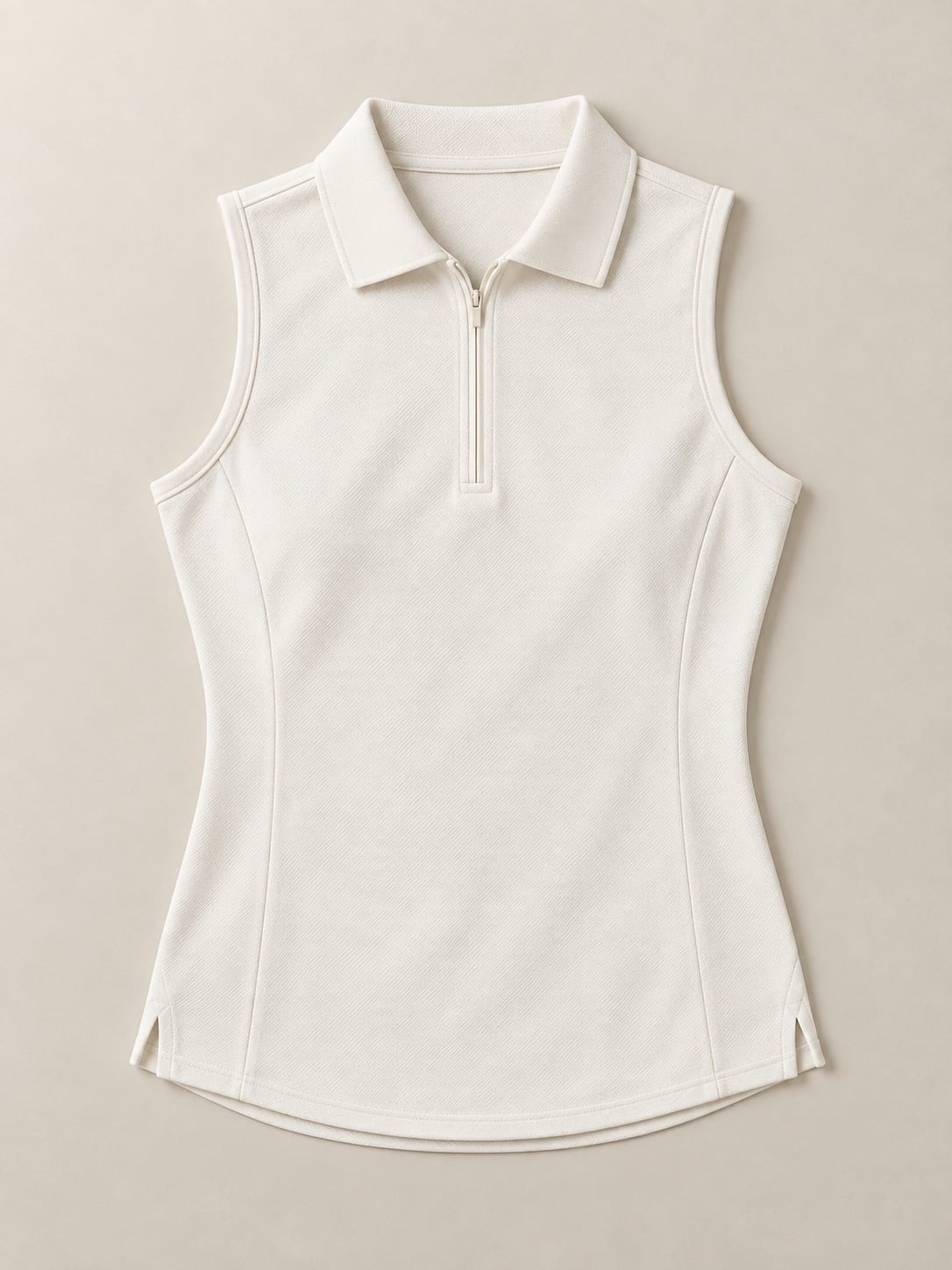
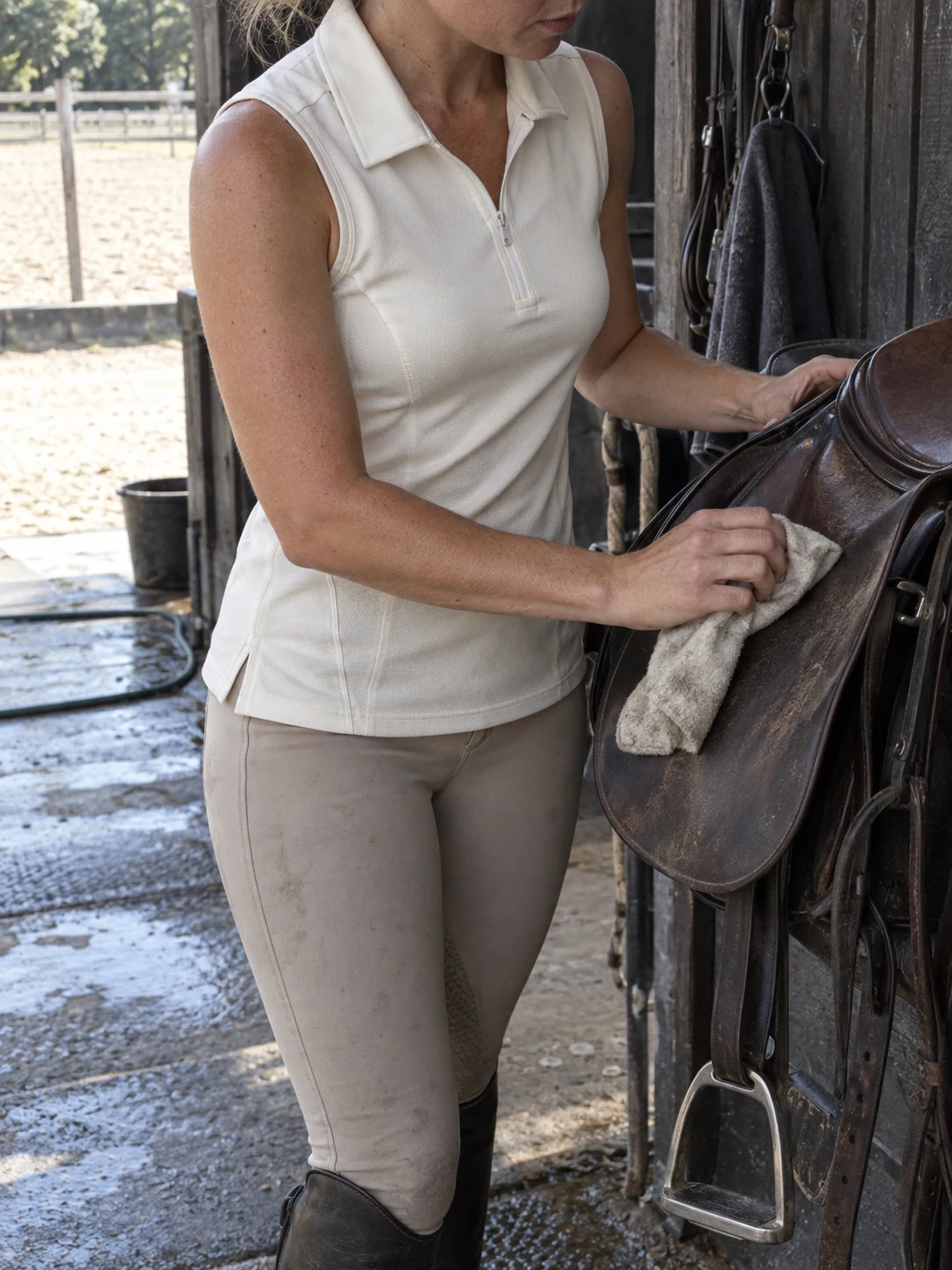
A technical training polo should offer the familiar collar and placket of club apparel while moving more like an athletic riding top. The buyer needs to define whether the fit is close, classic or unisex, and whether the shirt is tucked into breeches or worn over tights. Collar weight, shoulder mobility, hem length and sweat behaviour determine repeat wear. Wicking, quick-dry, UV or odour claims remain product-development targets until the selected production fabric and garment support them. Logo applications should be tested on stretch, not approved as artwork alone.
Riding fit
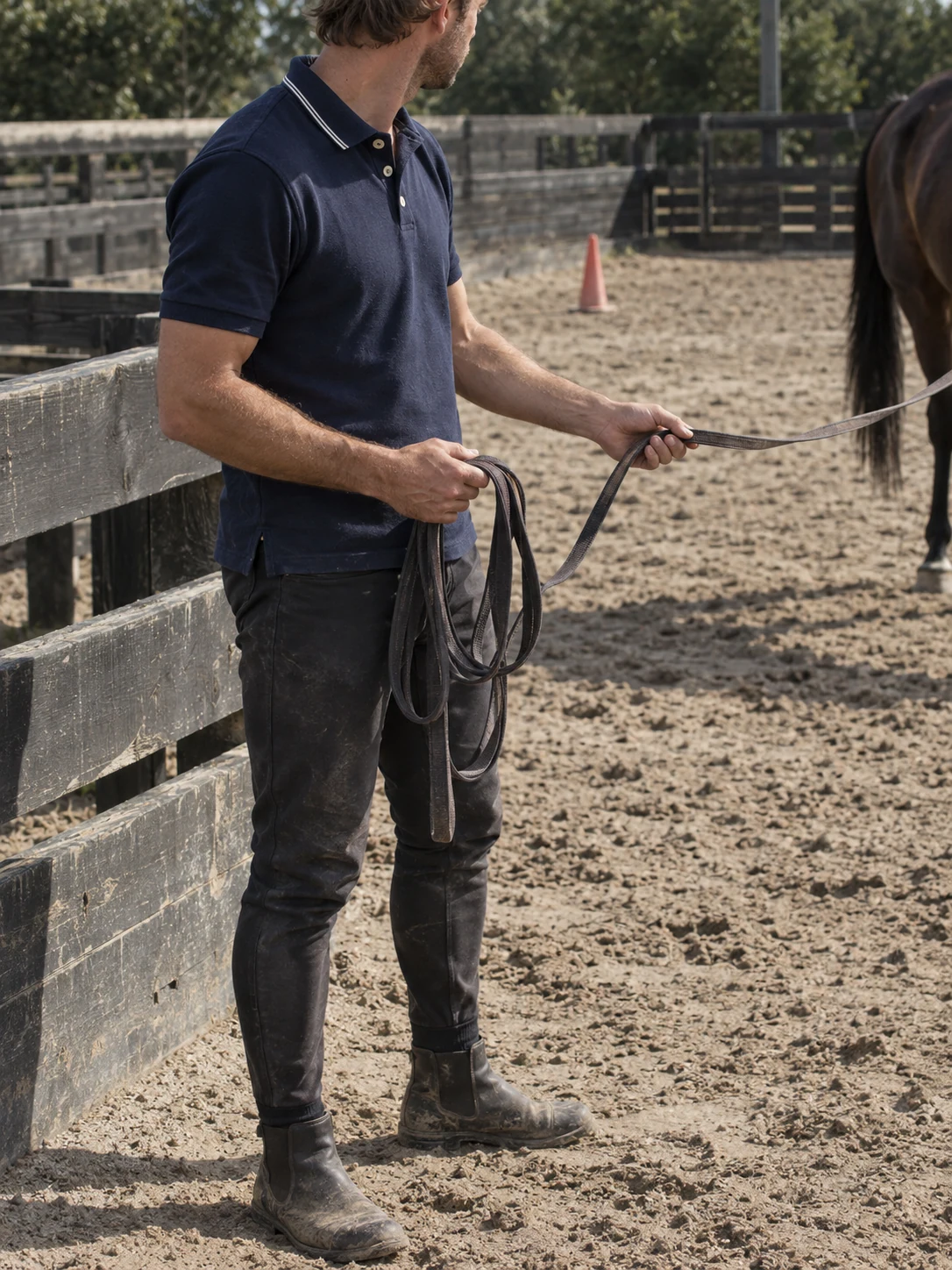
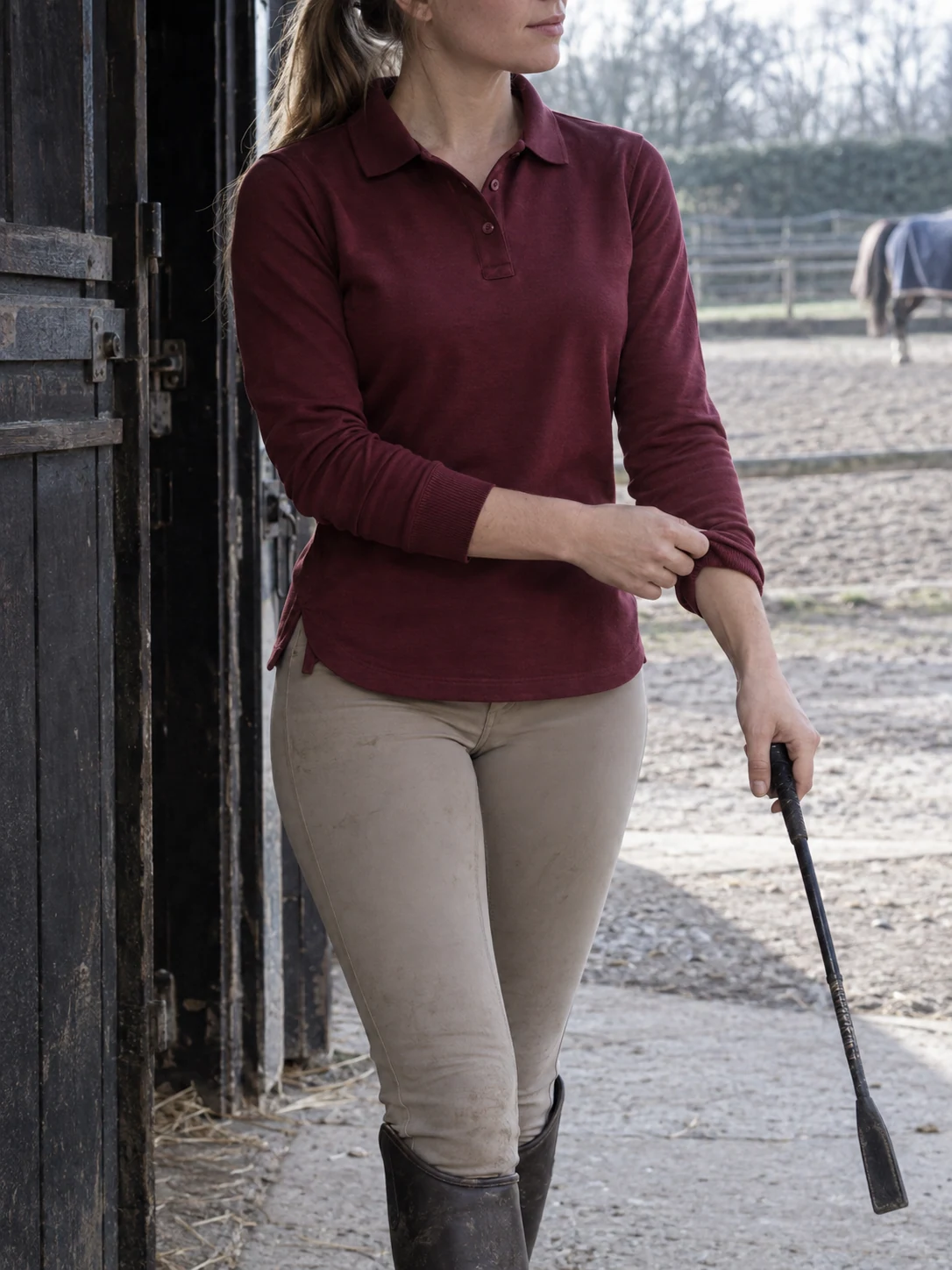
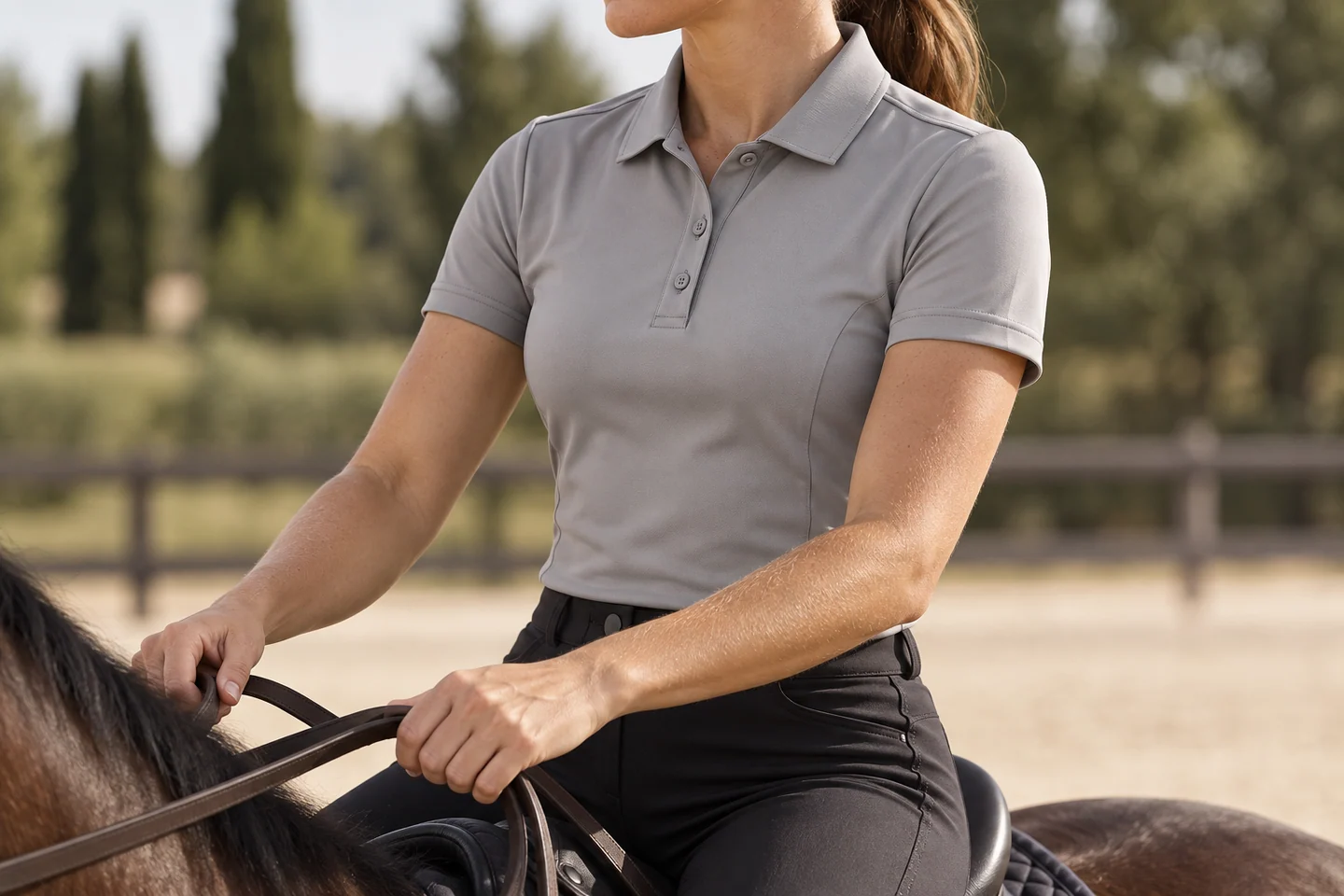
Set shoulder, bicep, torso and hem ease for rein position and tuck preference. A conventional casual polo block may pull across the back or untuck when arms reach forward, so mounted fitting is part of approval.
Collar behaviour
The collar should retain shape without feeling heavy or hot. Compare self-fabric, rib and bonded directions for edge curl, shrinkage and compatibility with the lightweight body and placket after repeated laundering.
Performance language
List the customer problem first, then define measurable material requirements and evidence for any moisture, drying, sun or odour statement. Marketing should not inherit claims from a generic catalogue fabric or competitor product.
THE FABRIC
SETS THE FEEL.
Compare material directions against your rider, climate and care expectations. Request the actual fabric specification and evidence for any performance claim.
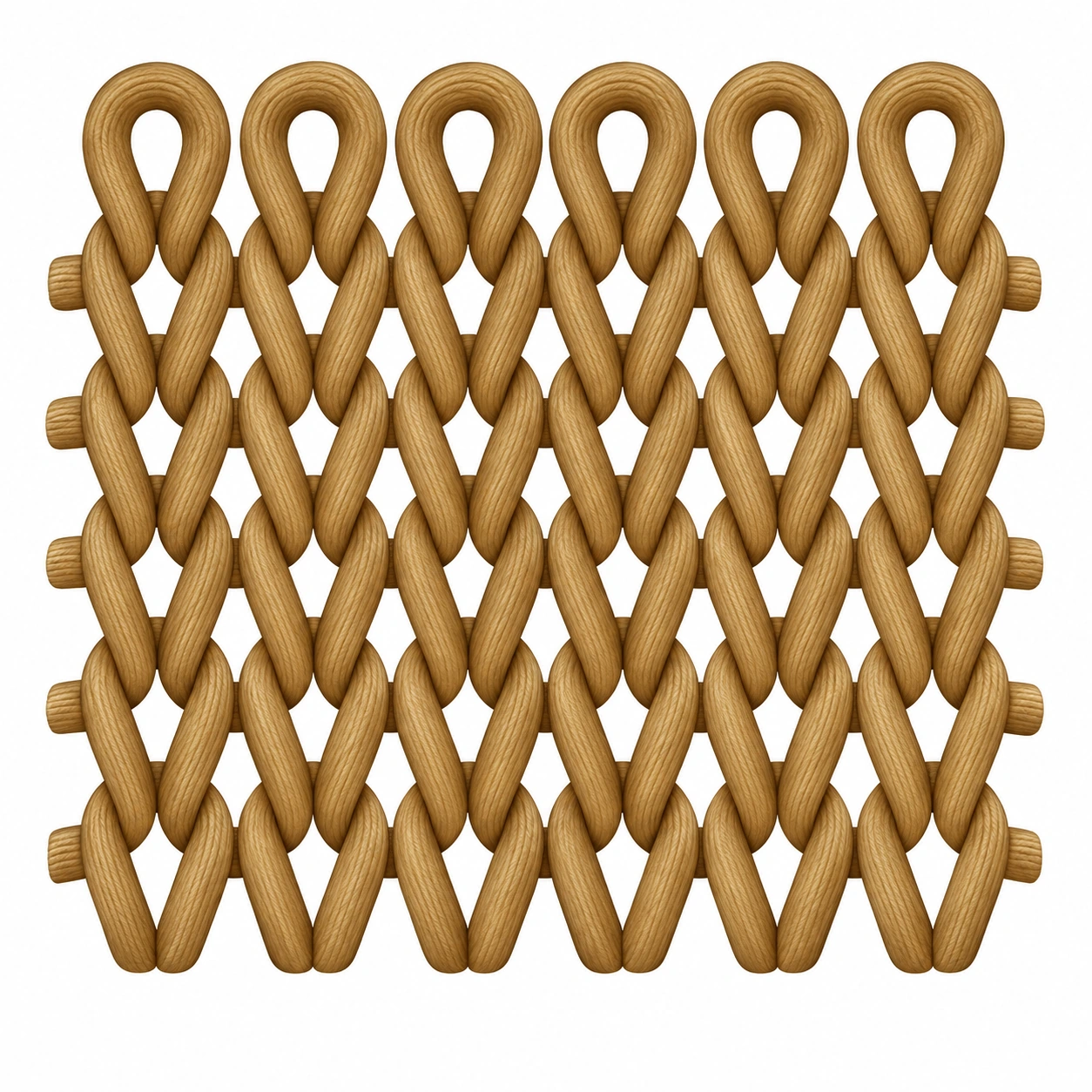
| Material direction | Why consider it | What to verify |
|---|---|---|
| Light stretch jersey | A smooth jersey can provide close movement, low bulk and a clean ground for transfers or prints while retaining polo styling. | Test production colours for stretch, recovery, pilling, snagging, dimensional change, colourfastness, opacity and proposed moisture or drying claims. |
| Textured technical knit | A subtle texture can signal polo heritage and reduce visible cling while remaining lighter and more flexible than classic cotton-rich piqué. | Assess recovery, surface abrasion, wet appearance, shrinkage, collar compatibility and logo clarity on actual colour samples. |
| Collar rib or stable self-fabric | A dedicated collar material can improve shape retention, but differential shrinkage or weight can pull the neckline out of balance. | Measure collar dimensions and edge curl before and after care, checking shade, hand and attachment on the complete shirt. |
These are sourcing comparisons, not a list of stocked or certified fabrics. Confirm composition, weight, finish, availability and testing with the material selected for your project.
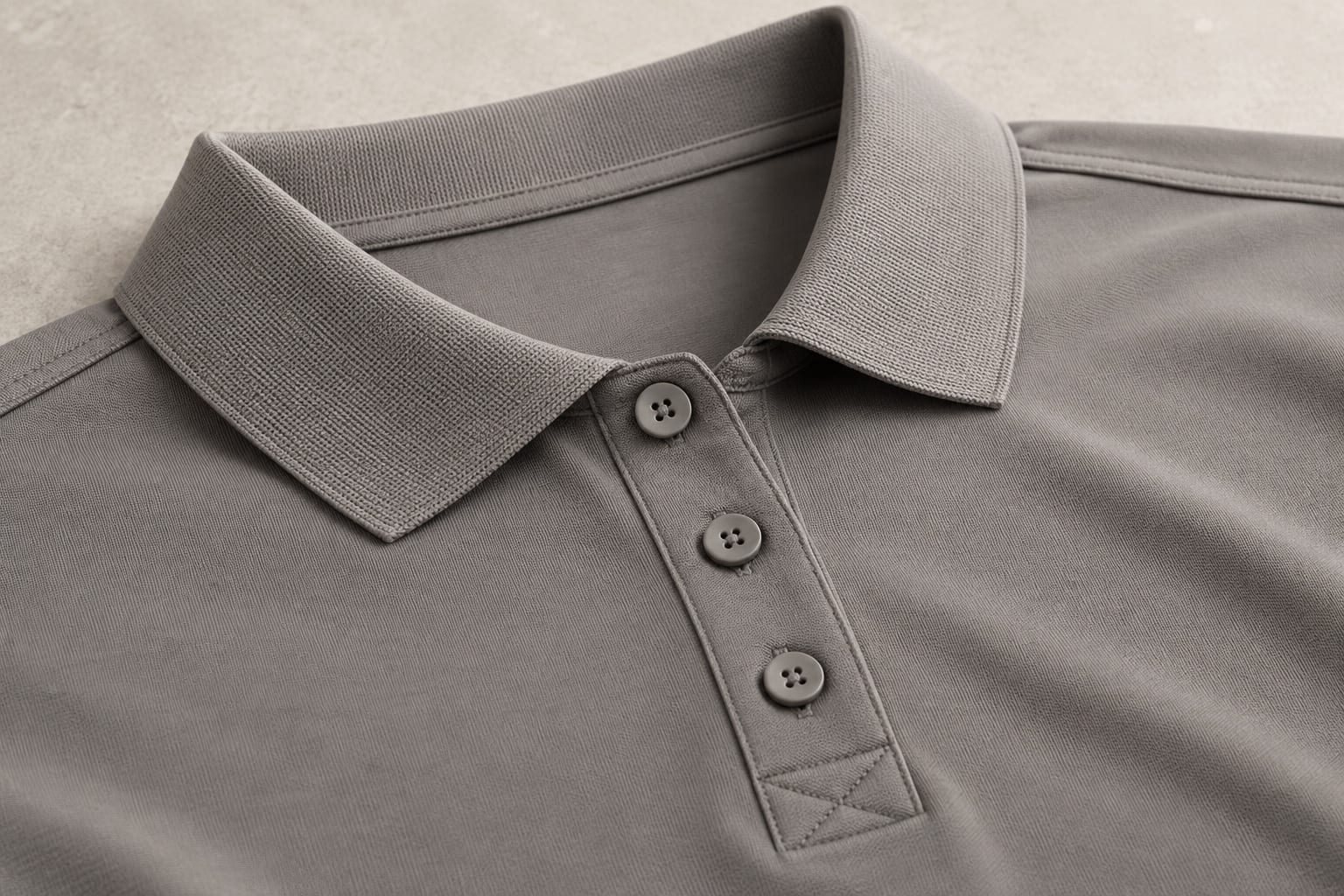 A CLOSER LOOK / DEVELOPMENT CONCEPT
IT’S IN
THE DETAILS.
Forward shoulder mobility
Shape shoulder and sleeve for rein reach, keeping armhole seams smooth and preventing the hem from lifting.
Stable polo placket
Reinforce button or snap opening without a stiff rectangle that ripples or presses the chest in riding posture.
Purposeful hem
Set length and sweep for tucked or untucked use, with side vents only where they support movement and appearance.
Logo-ready zones
Keep chest, sleeve and back areas stable enough for chosen applications without cutting through critical stretch or ventilation panels.
FROM THE BRIEF.
INTO THE WORKROOM.
A shared club identity starts with consistent proportions. Resolve collar, placket and decoration placement together.
Explore our factory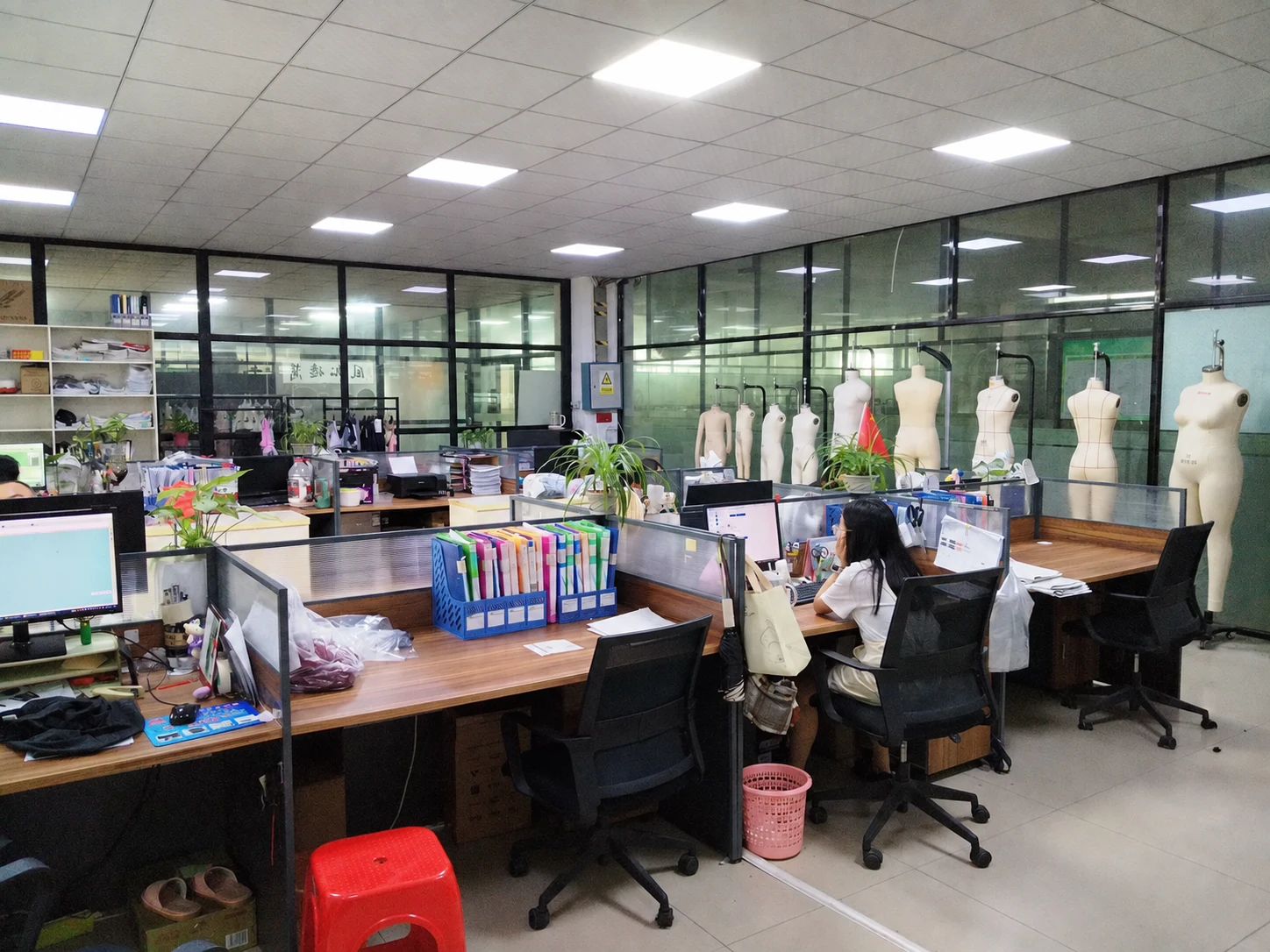
Forward shoulder mobility
Shape shoulder and sleeve for rein reach, keeping armhole seams smooth and preventing the hem from lifting.
Carry this into approval Factory views show our working environment. Your garment follows its agreed specification and sample.GET THE
RIGHT FIT.
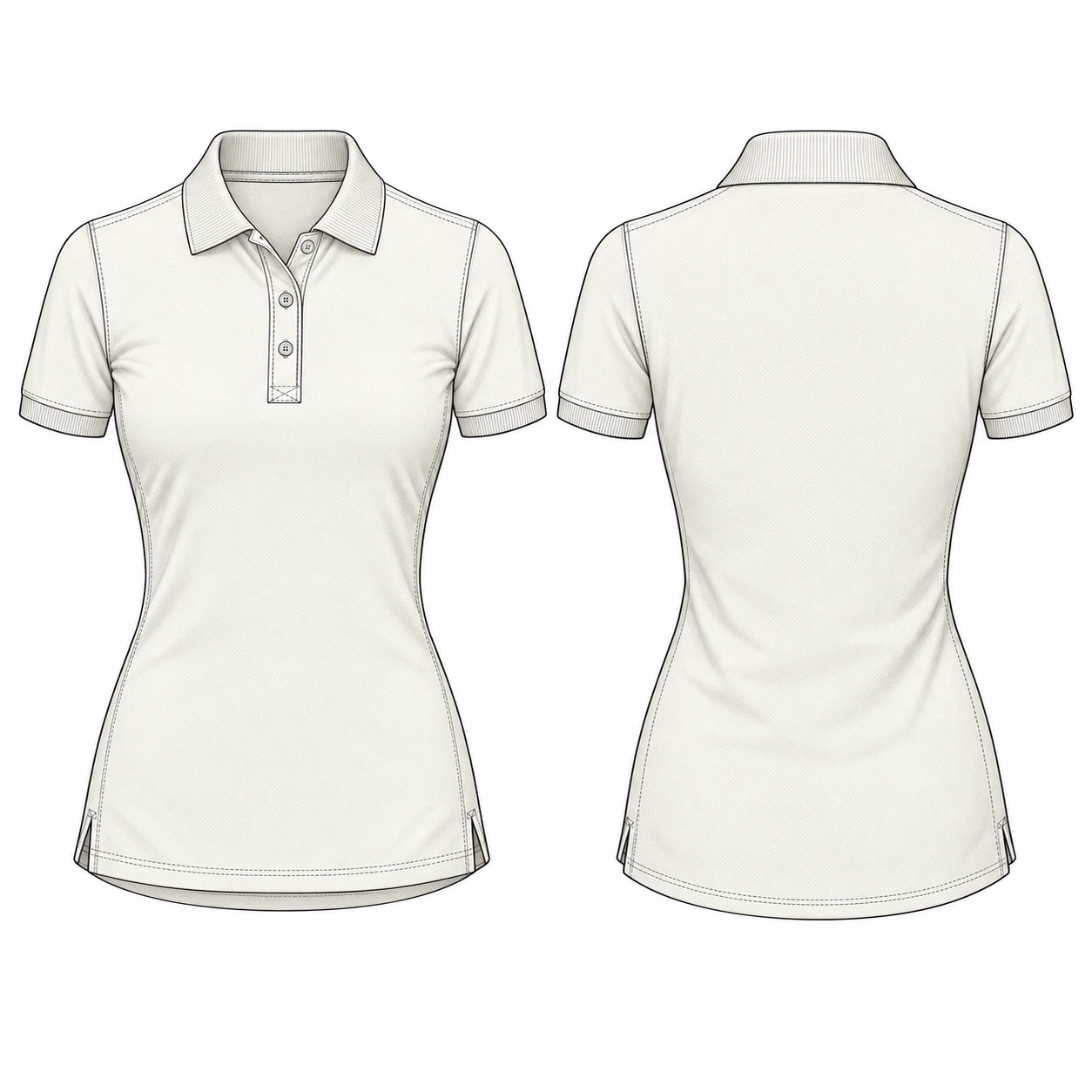
- AChest
- BShoulder span
- CSleeve length
- DBody length
A size label is only the beginning. Agree the measurement method, review the garment in use and keep the approved fit record with your specification.
Your fit-session checklist
Record the size worn, body measurements, intended underlayers and every proposed correction with the dated sample.
Note the size worn, body measurements, intended underlayers and each proposed correction. Recheck the affected measurement after a revision; confirm the size breakdown for each style and colour before bulk.
MAKE IT
RECOGNISABLY YOURS.
Use the product’s construction to guide decoration and finishing. Ask for placement, colour and material approval on the relevant sample.
Small details.
One identity.
Folded edges · fine weave
Textured stock · cord attachment
Raised edge · stitched placement
Material mockups with a live wordmark study. Print, weave, colour matching and placement are confirmed on your physical sample.
Placket format
Choose button, snap or quarter zip with exact length, reinforcement and trim finish, then approve one-hand handling and care response.
Team logo map
Allocate brand, club, coach and sponsor positions with dimensions and colour files, checking crowding and stretch across all sizes.
Fit family
Develop women’s, men’s or unisex blocks from target measurements rather than renaming one sample; document ease and grade separately.
Ventilation detail
Add mesh or perforated-looking panels only after defining transparency, stretch and claims, keeping seams away from underarm friction.
APPROVE THE DETAIL.
THEN THE ORDER.
The first sample helps you make decisions. Define review conditions and acceptance criteria before you compare the result.
Review the technical training polo sample
Sampling takes 7–10 working days from the agreed start. Record each decision against the dated sample before bulk approval.
Rider, material direction, measurements and artwork.
DEFINE THE STARTTurn the agreed direction into a garment to review.
7–10 WORKING DAYSReview fit, finish and changes. Confirm the final specification.
REVISE IF NEEDEDProceed with agreed quantities, colours, labels and packing.
30–45 WORKING DAYSA shared development direction
Bring reference garments, your rider profile, target colours and any artwork. We turn these into the measurements, materials and construction questions that the sample needs to resolve.
Sample feedback can return to development. Revisions and transit are planned separately; timing begins from the agreed specification and start date.

KEEP THE APPROVAL.
WITH THE ORDER.
One agreed reference for the workroom: the dated sample, its specification and your confirmed order breakdown.
Sample decisions
- Mounted reach
Ride and carry tack in the intended fit, observing back width, sleeve movement, hem retention and placket pressure.
- Collar wash response
Launder complete samples repeatedly as proposed, measuring collar shrinkage and inspecting curl, wave, colour difference and attachment.
- Logo durability
Stretch decorated zones, then care-test for cracking, lift, embroidery puckering, colour migration and rough interior backing.
Style, colour & size allocation
Confirm each style and colour separately, with the size allocation attached. The minimum is 100 pieces per style, per colour.
Labels, packing & timing
Agree label artwork, packing instructions and the production start. Bulk production takes 30–45 working days from the confirmed start; revisions and transit are planned separately.
A CLEARER BRIEF.
A MORE USEFUL QUOTE.
Price follows an agreed product, quantity and delivery scope. Use these inputs to compare proposals on the same basis.
Technical knit
Custom colour, finish, stretch and substantiated performance targets influence sourcing and material cost.
Collar and placket
Custom rib, branded buttons, snaps, zips and reinforcement add trims and operations.
Multiple logos
Separate embroidery or transfer artworks require setup, application, alignment and approval.
Block variants
Women’s, men’s, youth or unisex fits need distinct pattern and grading validation.
Bring these six things
Planning baseline: 100 pieces minimum per style, per colour. Sampling takes 7–10 working days; bulk production takes 30–45 working days from the agreed start.
100 pieces minimum per style, per colour. State each colour quantity separately; confirm your proposed size allocation.
GOOD QUESTIONS.
BETTER DECISIONS.
Product-specific sourcing questions to resolve before sampling.
A technical polo typically prioritizes lighter stretch, close athletic movement and specified performance targets. A piqué polo emphasizes classic texture and structure. Buyers should choose by customer and use, then verify the exact material rather than relying on the category name.
Use common visual rules, but check actual dimensions and seam clearances across the graded range. A fixed large mark may crowd a small sleeve or sit too low on a large chest, so placements may need size-group instructions.
Only if the buyer defines the claim and has relevant evidence for the production material or garment. Lightweight polyester appearance alone is insufficient. Agree a method and acceptance level, then keep copy within the supported result.