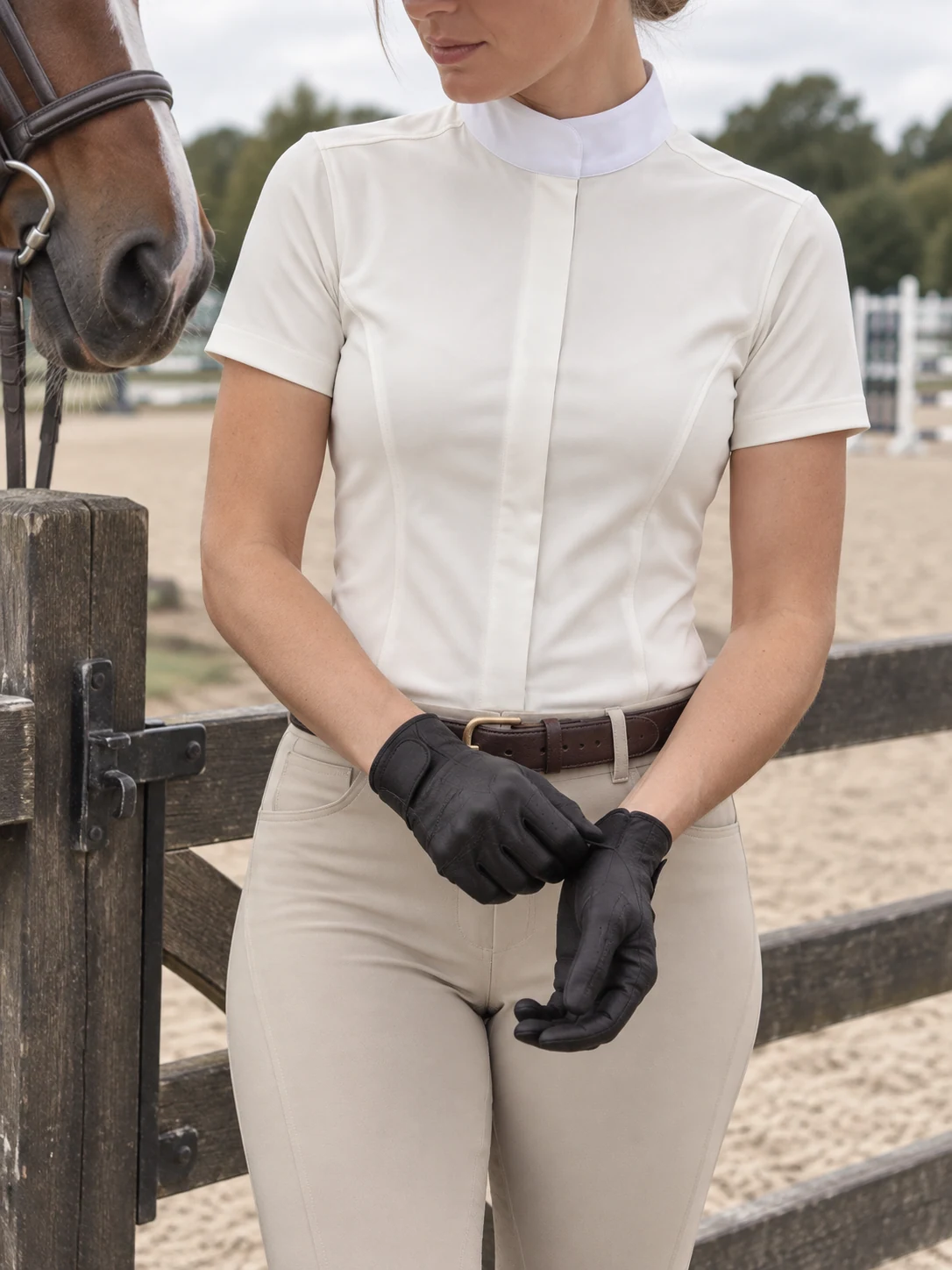
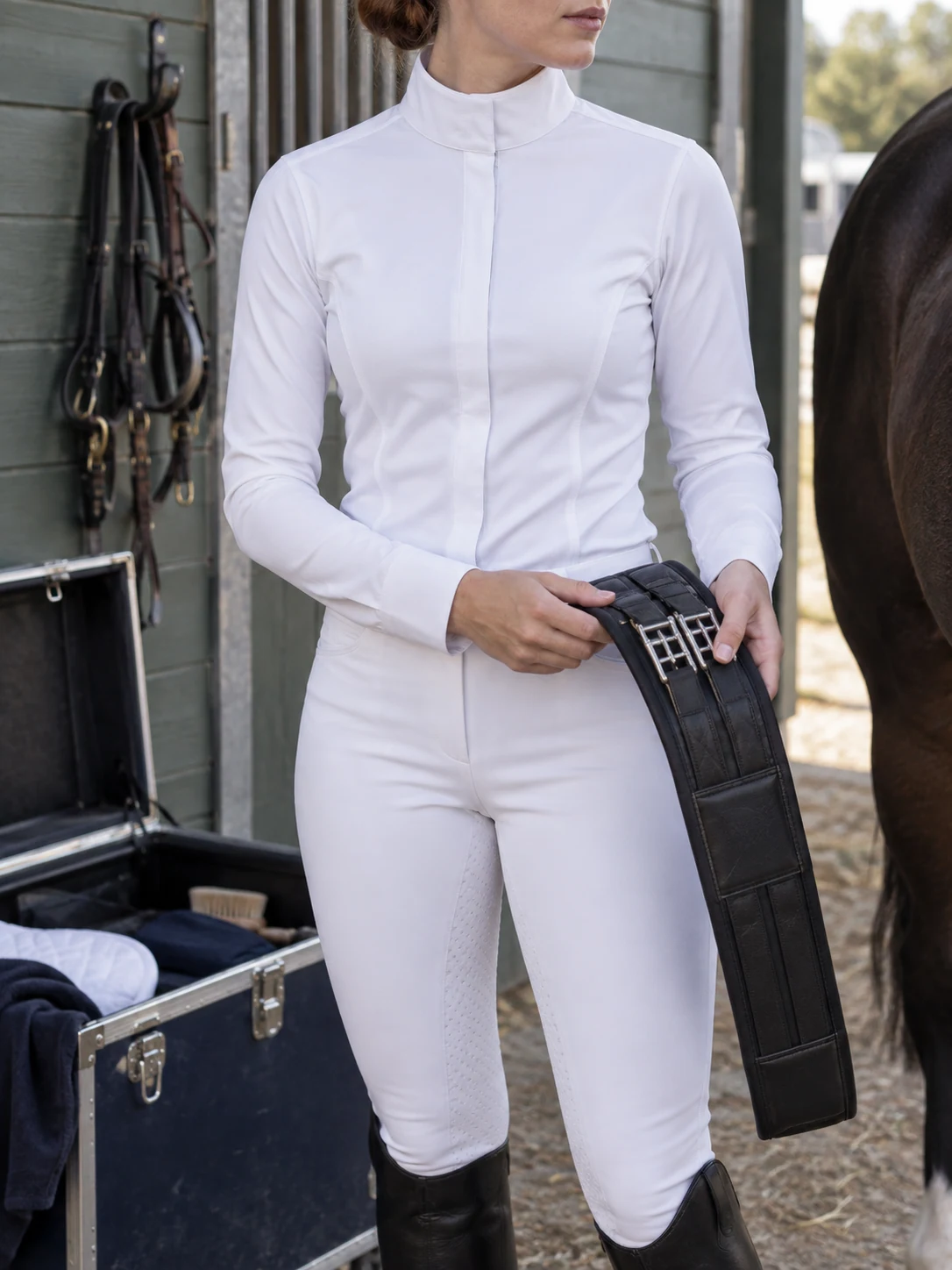
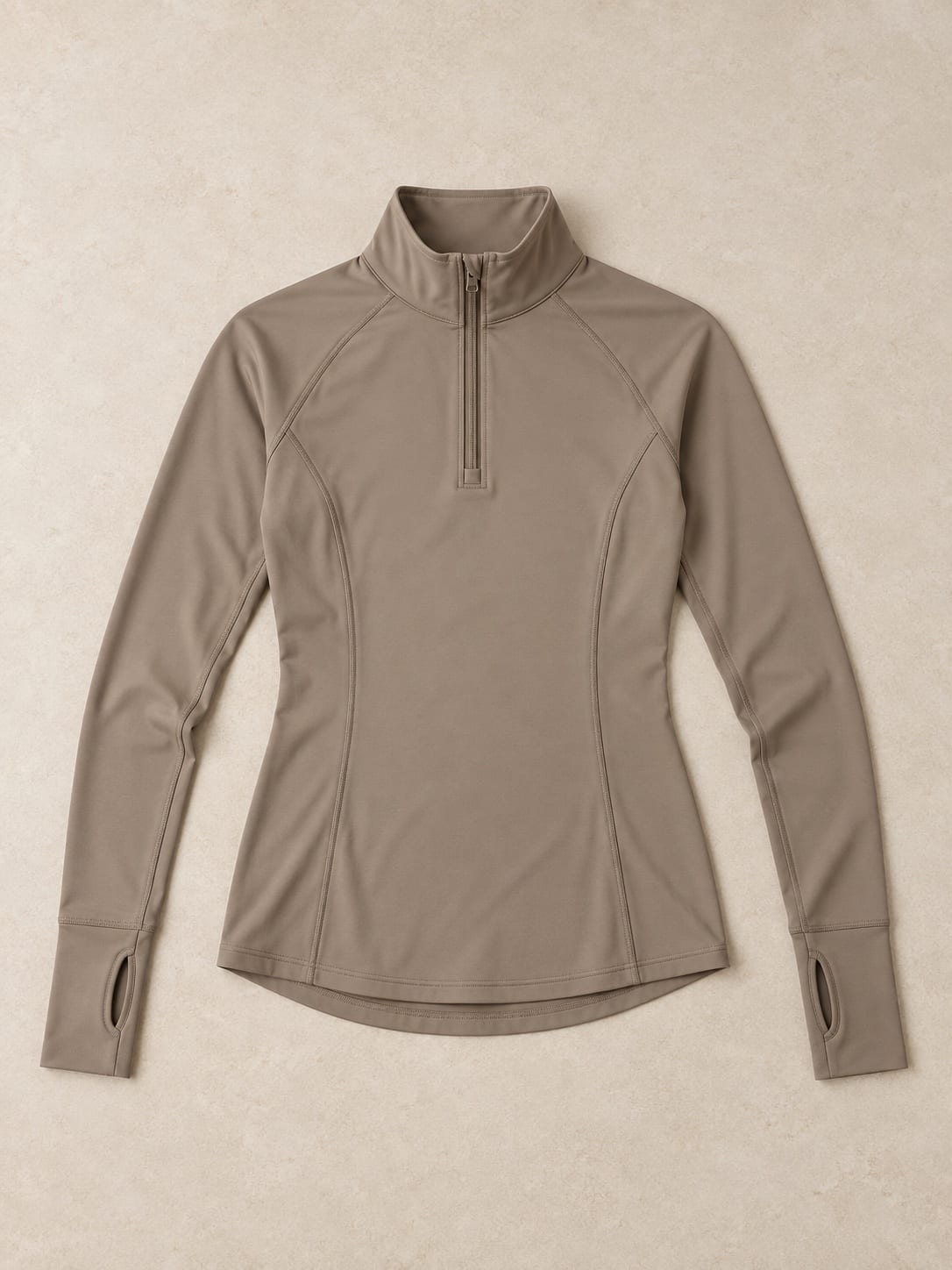
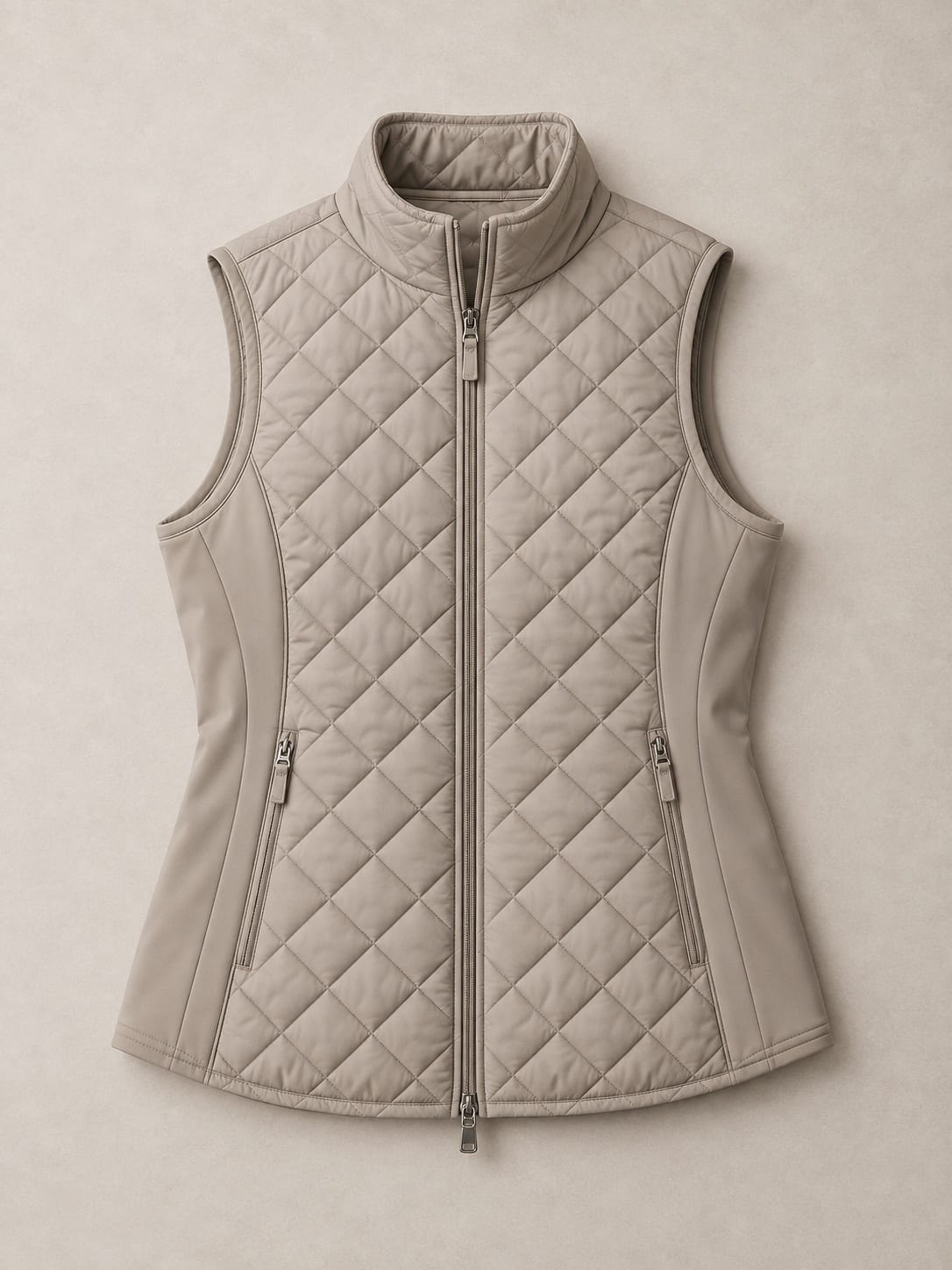
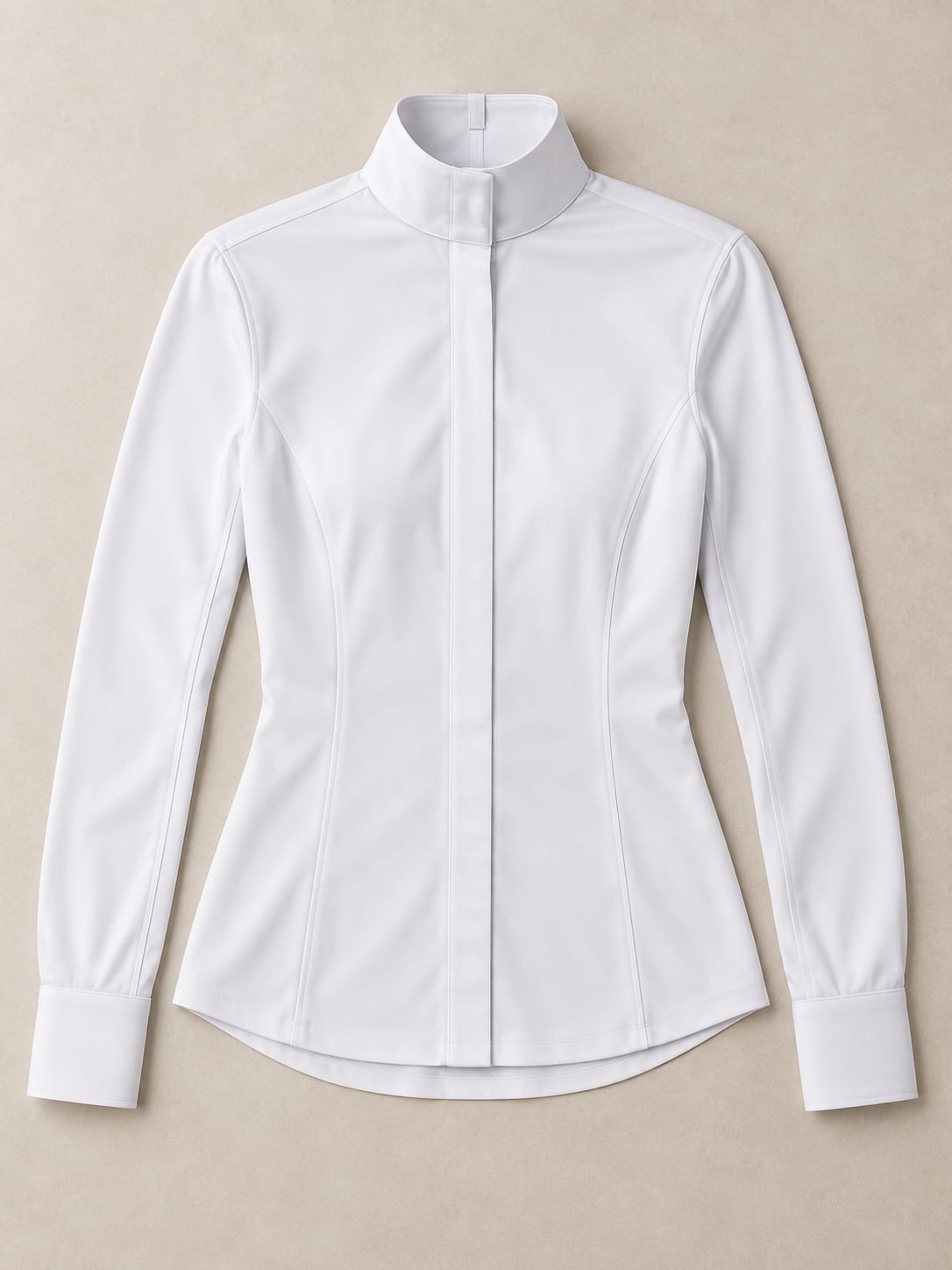
White-bib long-sleeve show shirt
Private label white-bib show shirts for equestrian brands: bib coverage, collar, cuffs, opacity and jacket fit before production. Request an OEM quote.
Read the buying guide REINFORM.
REINFORM is a custom equestrian show shirts manufacturer for brands and specialist retailers. Compare white-bib, short-sleeve, mesh-sleeve and stock-collar designs; specify collar, bib, ventilation and jacket fit for sampling. Review the intended competition requirements before approval.
Show-ring & competition apparel collections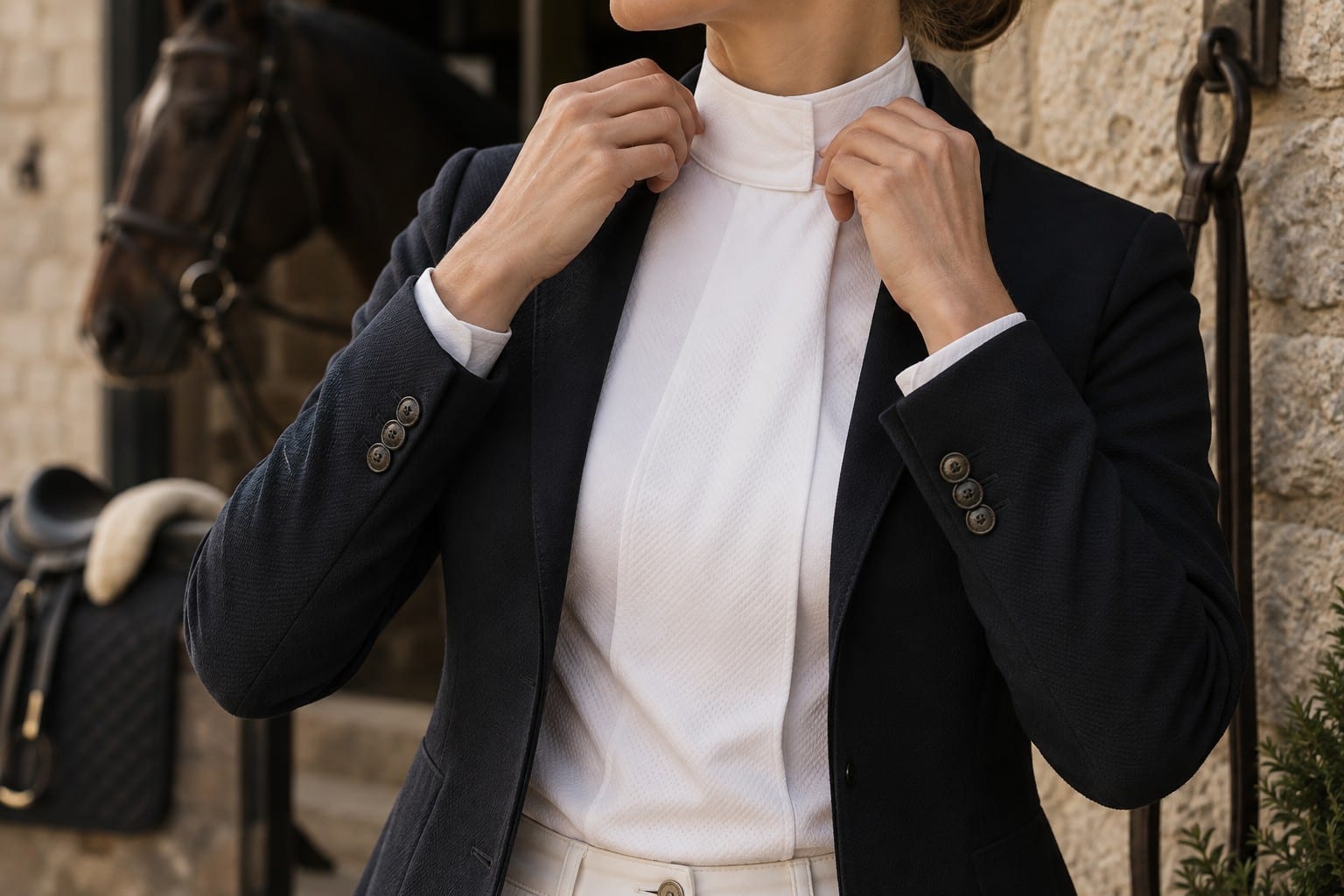
A show shirt must suit the rider’s discipline, presentation requirements and under-jacket fit. The right bib, collar, sleeve and closure can differ between a white-bib long-sleeve shirt, a short-sleeve direction, a mesh-sleeve style and a stock-collar dressage design. Competition rules also vary by organisation and event. Treat the relevant current rulebook as an input to the product brief, then verify the finished sample in the intended outfit.
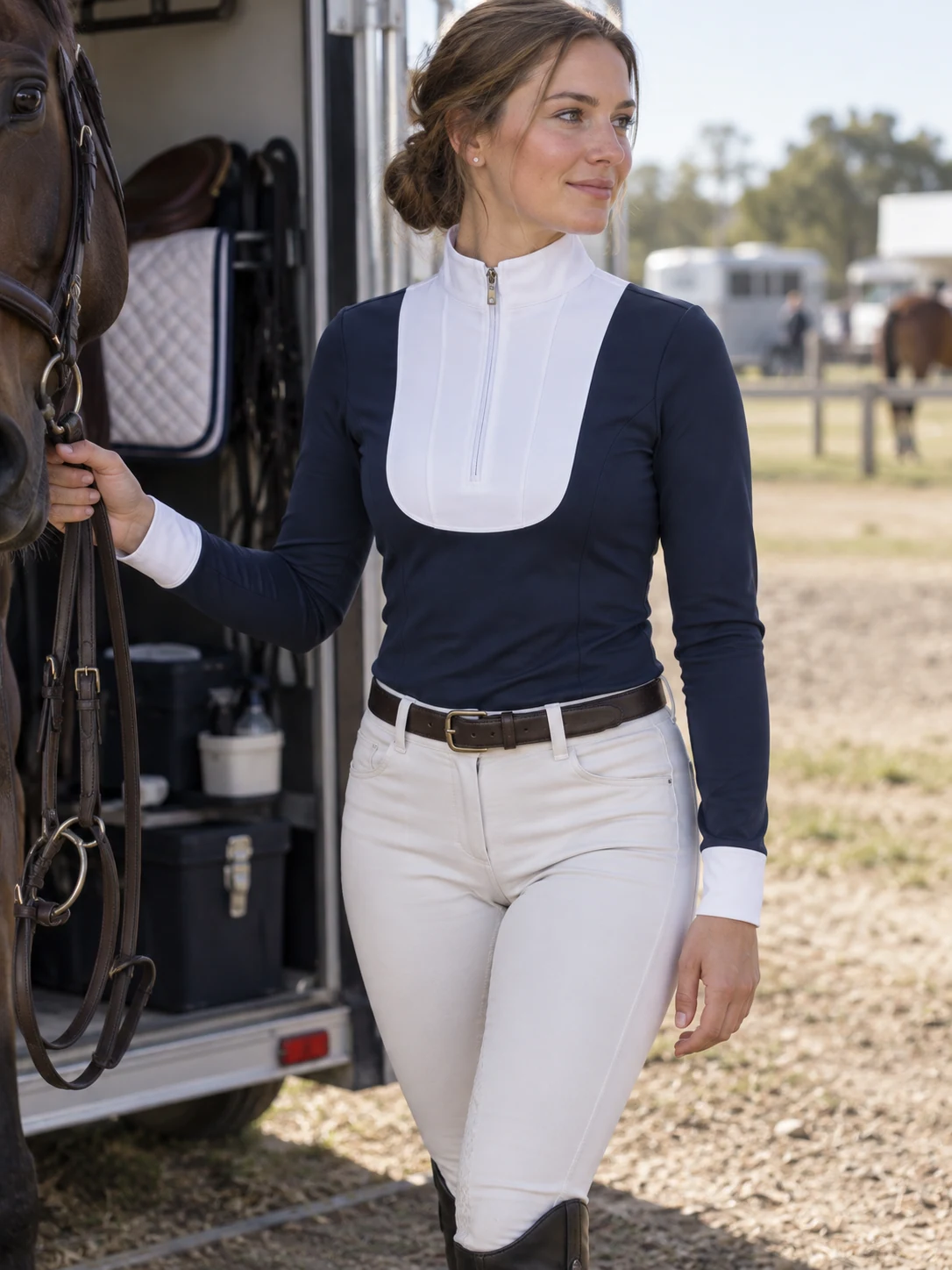
For dressage and competition brands, show-focused retailers and teams wanting a formal white front with a technical body that can remain comfortable beneath a jacket.
Every product opens a detailed buying guide.
Materials. Fit. Construction. Sample review.
Private label white-bib show shirts for equestrian brands: bib coverage, collar, cuffs, opacity and jacket fit before production. Request an OEM quote.
Read the buying guidePrivate label short-sleeve show shirts for equestrian brands: concealed plackets, formal collars, fabric opacity and sample review. Request an OEM quote.
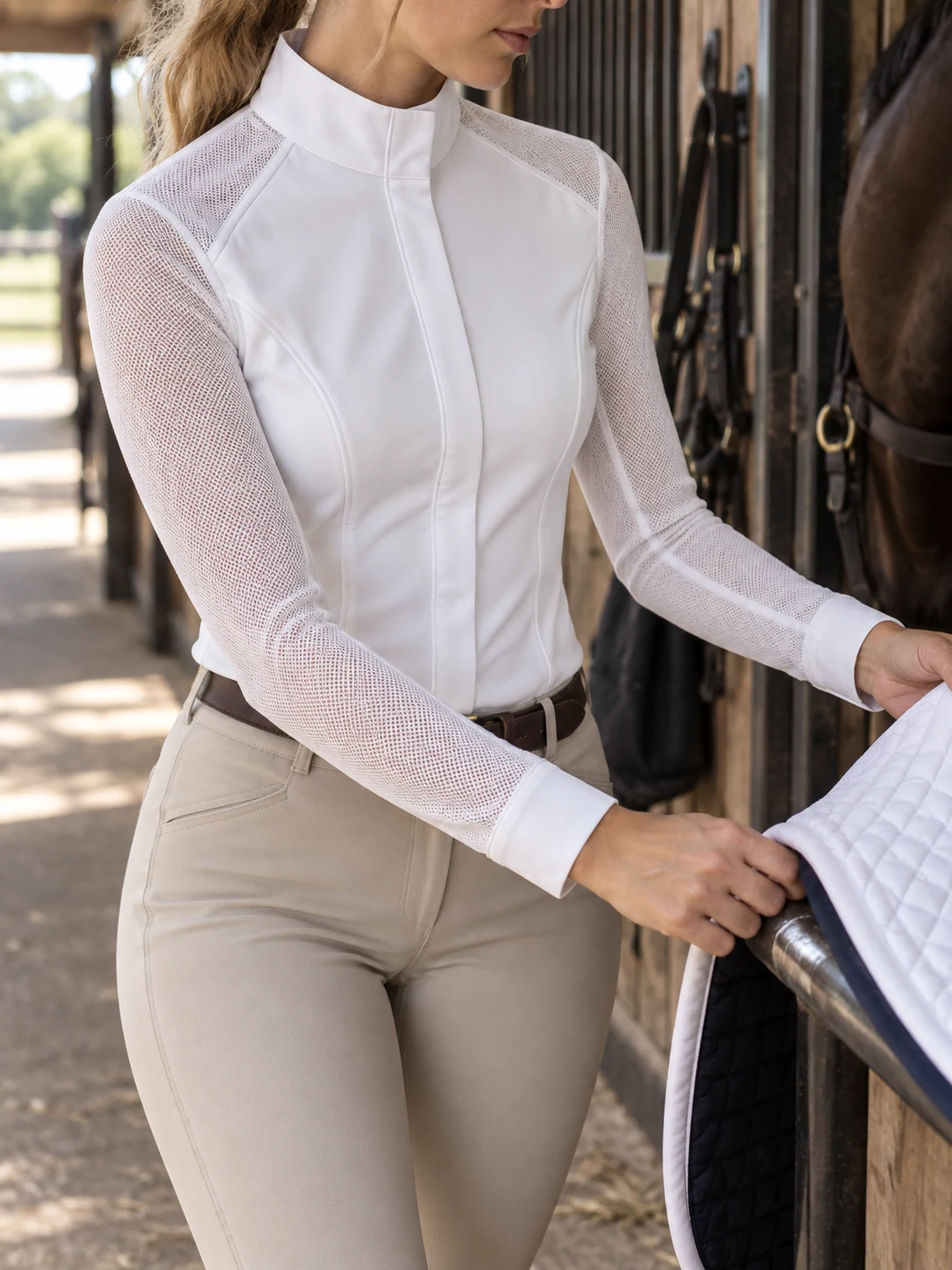
Read the buying guidePrivate label mesh-sleeve show shirts for equestrian brands: transparency, arm mobility, mesh joins and competition-market requirements. Request an OEM quote.
Read the buying guidePrivate label stock-collar dressage shirts for equestrian brands: neck construction, stock-tie fit, opacity and brand details. Request an OEM quote.
Read the buying guideOriginal development concepts for private-label discussion. These are not stocked retail products; final garments follow an agreed specification and approved sample.
Competition details need a precise brief: collar shape, front opening and a clean finish under the rider’s jacket.
Explore our factory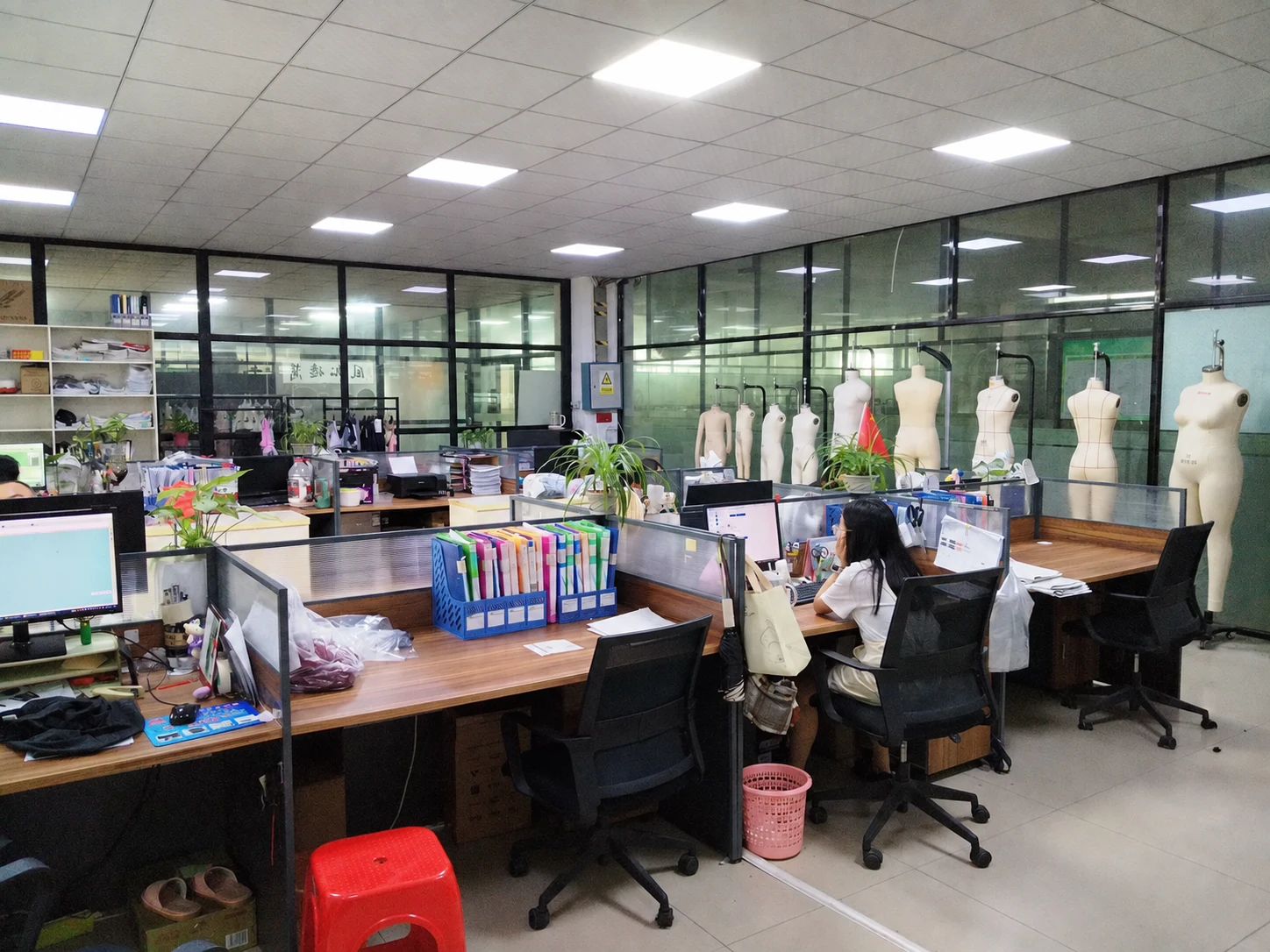
Agree the collar, bib and sleeve proportions with the intended jacket and riding position.
Carry this into approval Factory views show our working environment. Your garment follows its agreed specification and sample.Use intended customer and construction priorities to narrow the brief. Then open the individual guide for a deeper material and sample review.
| Product direction | Buyer & use case | Decisions to resolve | Guide |
|---|---|---|---|
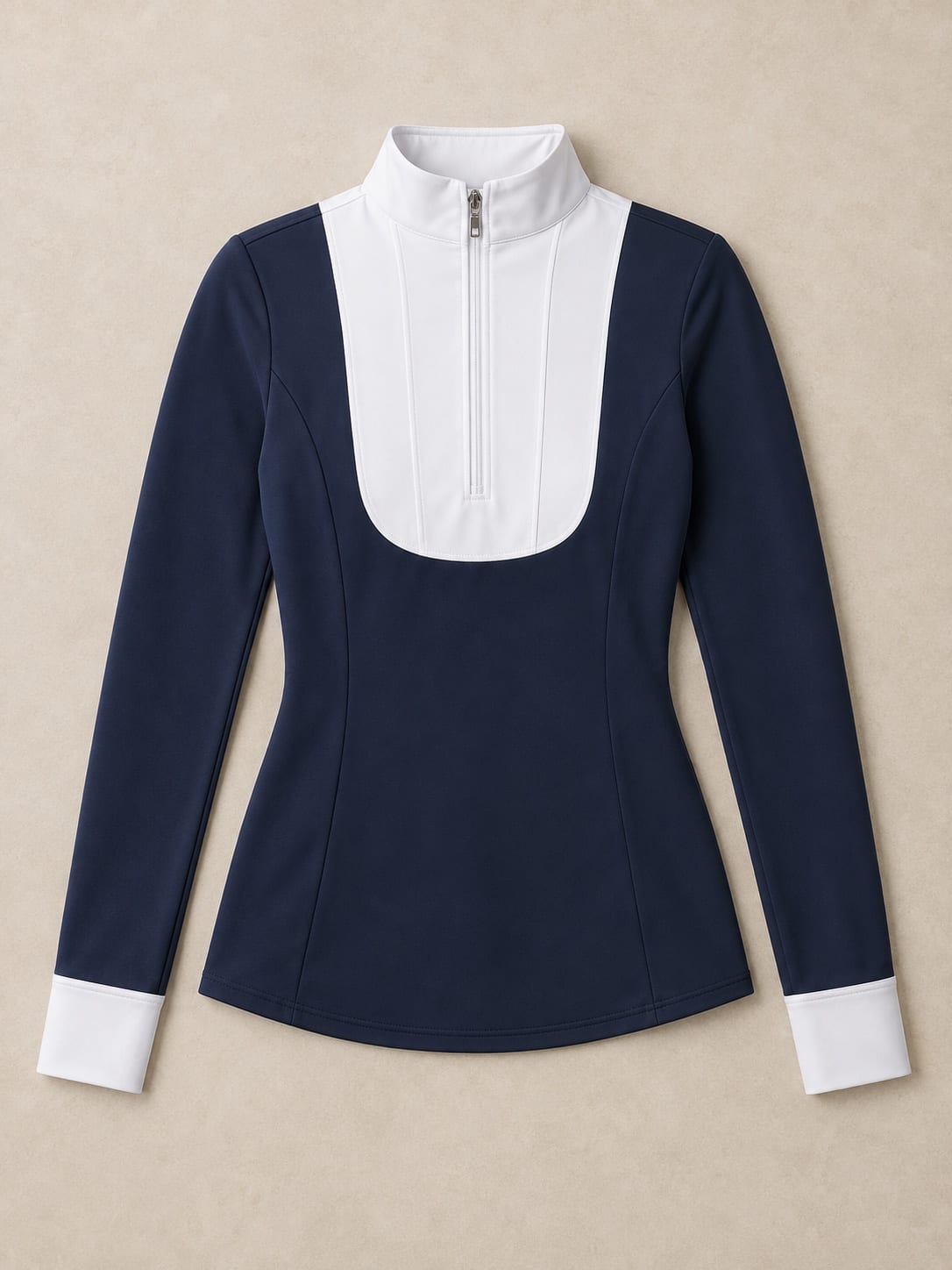 White-bib long-sleeve show shirt White-bib long-sleeve show shirt | For dressage and competition brands, show-focused retailers and teams wanting a formal white front with a technical body that can remain comfortable beneath a jacket. |
| |
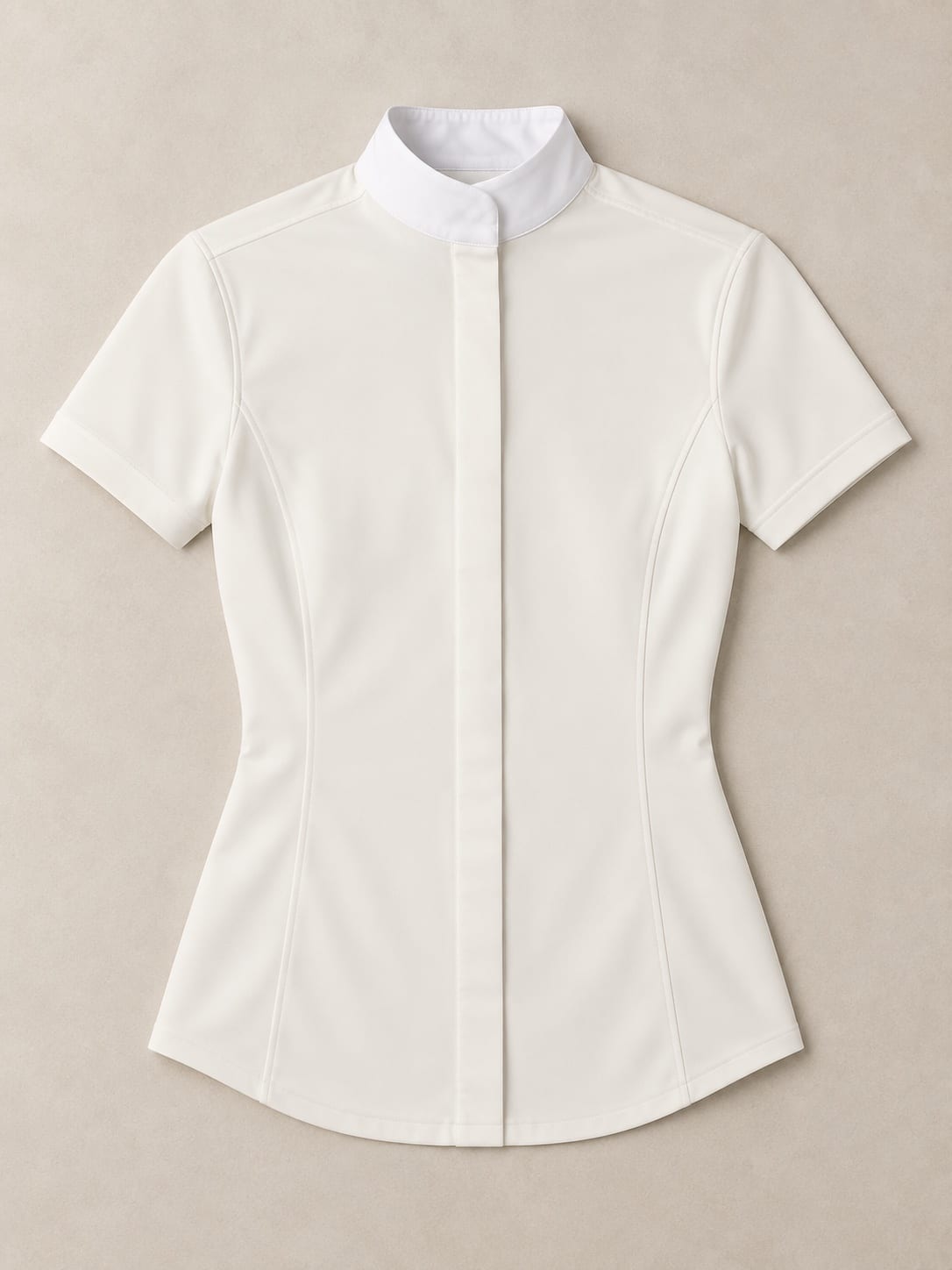 Short-sleeve show shirt Short-sleeve show shirt | For hunter, jumper and warm-weather competition ranges, junior or adult show capsules, and retailers wanting an accessible polished shirt for jacketed or permitted jacket-free classes. |
| |
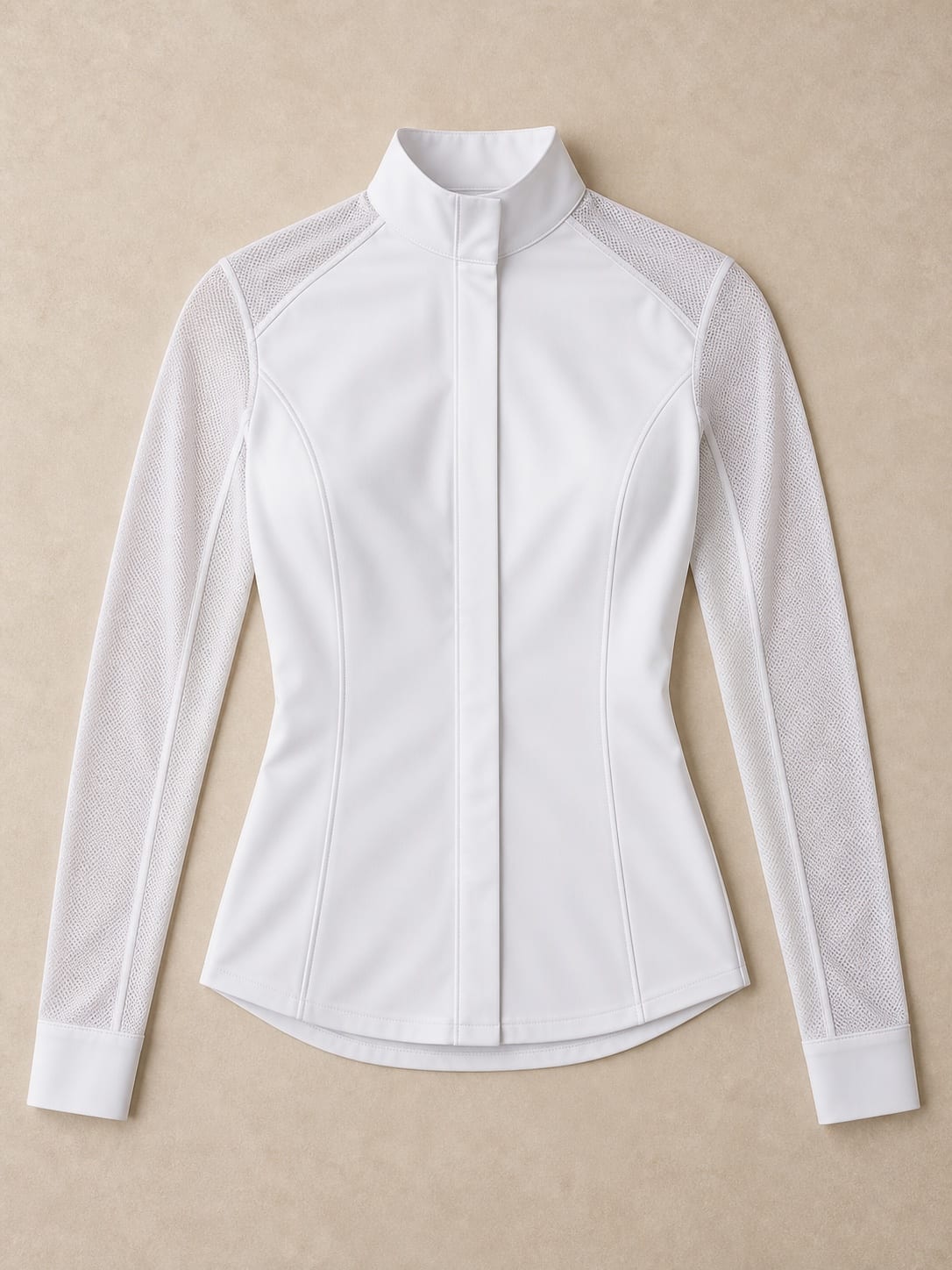 Mesh-sleeve show shirt Mesh-sleeve show shirt | For fashion-led competition brands, warm-weather show capsules and retailers seeking a modern shirt that preserves a formal collar and jacket-compatible front. |
| |
 Stock-collar dressage shirt Stock-collar dressage shirt | For dressage brands, specialist retailers, teams and premium competition capsules whose customers wear a stock and expect a refined, stable neckline under a fitted jacket. |
|
Explore the details before you write the brief.
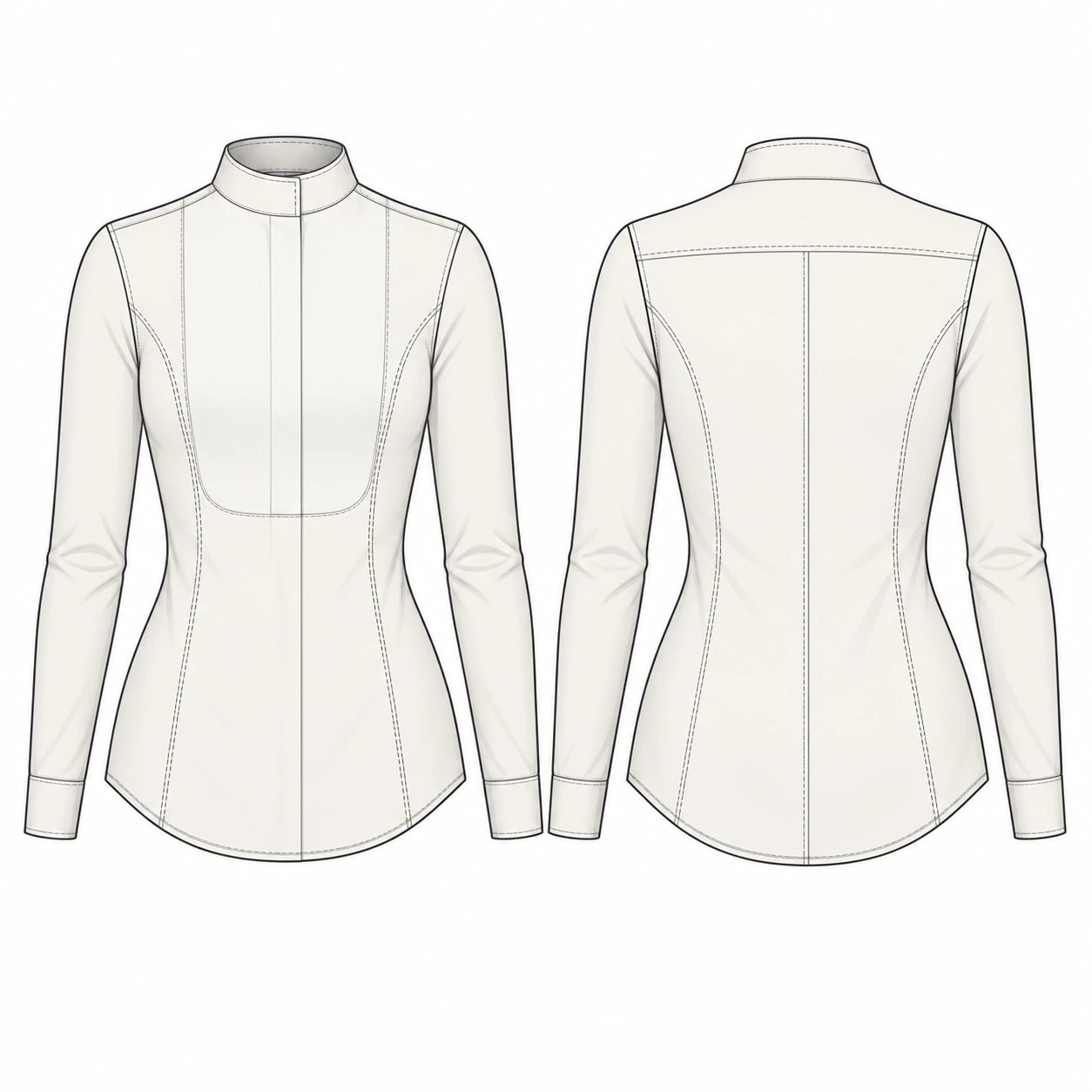
Review the show collar with the buyer’s intended stock, tie or jacket. Confirm the current dress requirements separately for the destination discipline. Agree the finished collar with the intended stock tie, jacket and current discipline requirements for the destination market.
Map the concealed bib front under the intended competition coat. Check coverage, opacity and closure security together. Specify bib width, opacity, placket depth and closure spacing so the front stays clean under a competition coat.
Compare the articulated sleeve while holding the reins. Check the transitions between mesh, opaque material and armhole seams where applicable. Test the sleeve and armhole while holding the reins, paying attention to mesh joins and cuff position.
Check the shirt-tail hem and body length when tucked. Keep the finish secure and comfortable in riding posture. Set the shirt-tail shape and body length to remain secure without excess bulk inside the breeches.
Diagram shows review locations, not an approved specification.
BUILT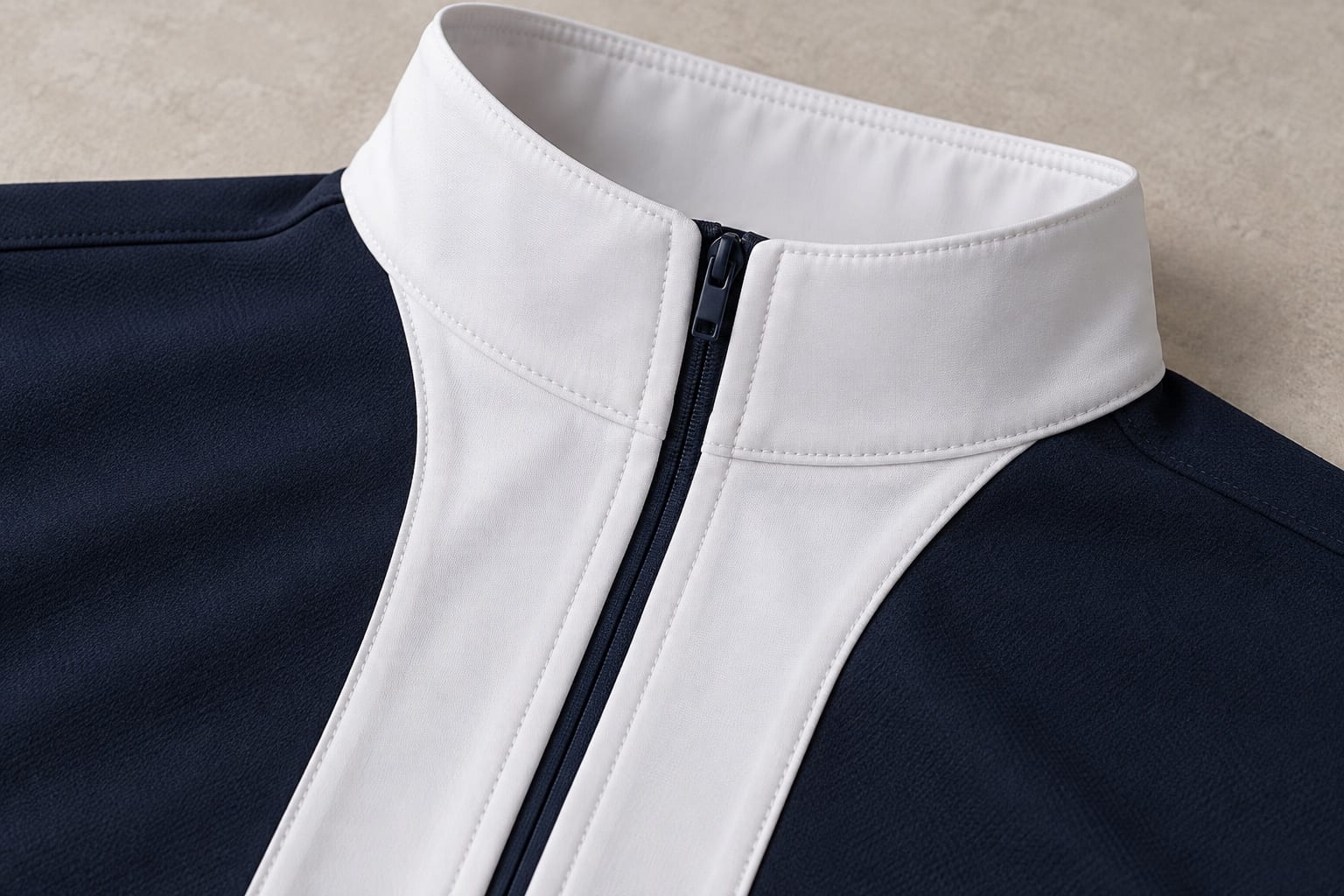 CONSTRUCTION IS PART OF THE BRIEF
Name the discipline, country, organisation and likely event level. Ask your brand team to check the current permitted colour, collar, sleeve and tie requirements. A garment’s name or photograph does not establish event compliance.
Check which areas remain visible under a jacket, how the collar sits and whether sleeve or seam bulk affects movement. Specify the contrast bib, cuff and placket construction and review opacity in the intended colour.
Mesh inserts, lightweight panels and concealed closures should be evaluated with the finished garment. Confirm coverage, seam comfort and how different fabrics recover and change after care.
Bring the details that make the product yours.
We review the combination before sampling.
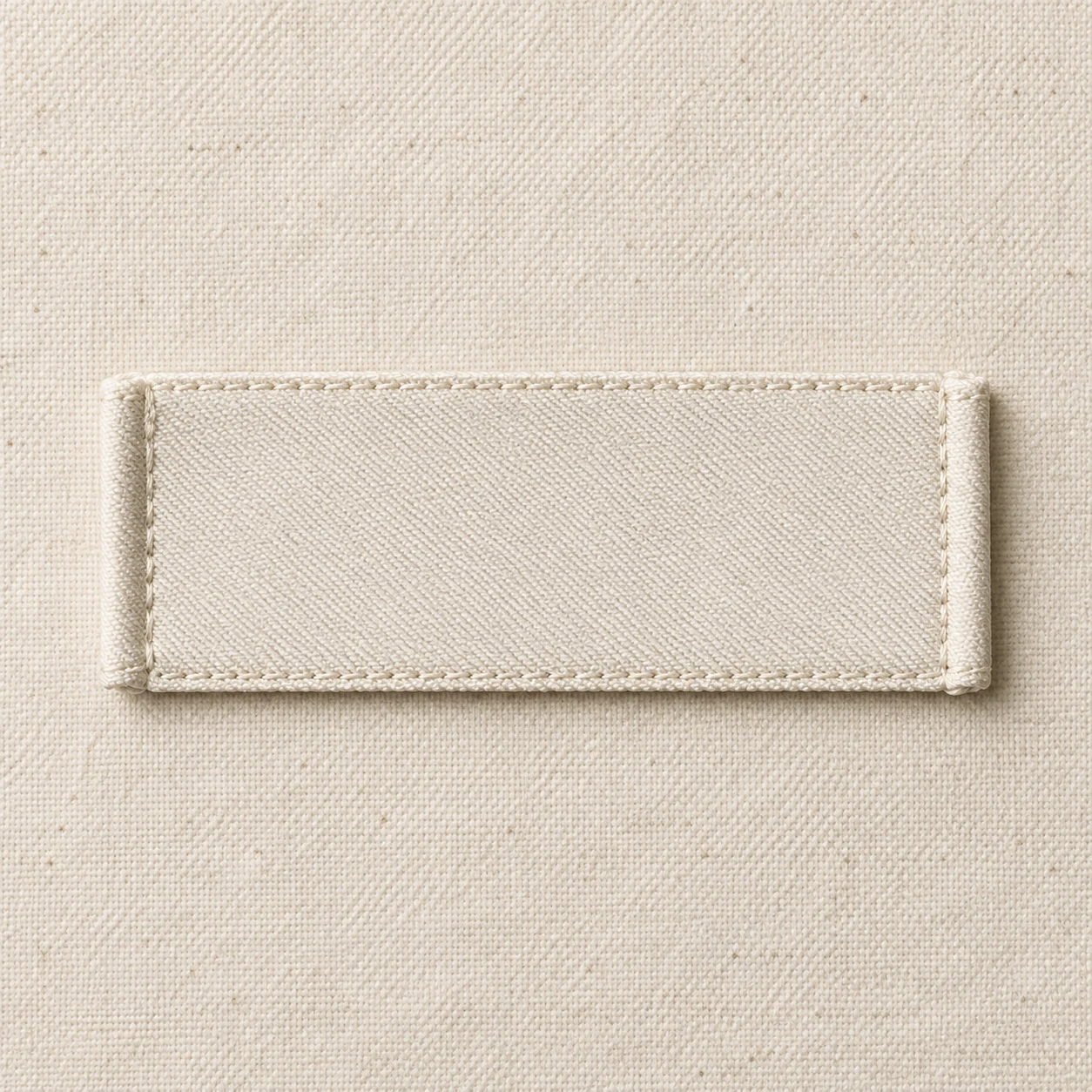
Folded edges · fine weave
Textured stock · cord attachment
Raised edge · stitched placement
Material mockups with a live wordmark study. Print, weave, colour matching and placement are confirmed on your physical sample.
Tell us the intended discipline, federation and market. Confirm the current dress and logo rules for your intended use before approving a design.
Develop short- or long-sleeve directions with your preferred collar and closure. Plan how the shirt sits under a competition jacket.
Define opacity, stretch, weight and ventilation goals. Any claimed technical performance is subject to the chosen material and test evidence.
Specify tonal branding, trim details and label treatment. Confirm their size and position as part of the sample approval.

One agreed reference for the workroom: the dated sample, its specification and your confirmed order breakdown.
Agree the collar, bib and sleeve proportions with the intended jacket and riding position.
Review placket alignment, panel symmetry and the selected material’s opacity before the sample is assembled.
Check collar shape, closure comfort and cuff finish. Record the agreed appearance after the specified care routine.
Confirm each style and colour separately, with the size allocation attached. The minimum is 100 pieces per style, per colour.
Agree label artwork, packing instructions and the production start. Bulk production takes 30–45 working days from the confirmed start; revisions and transit are planned separately.
A useful first conversation includes the intended rider, the chosen product direction and the details still open for review. Add references to explain the construction you want; identify what you would change for your own label.
Sampling takes 7–10 working days from the agreed start. Bulk production takes 30–45 working days from the confirmed production start. Material confirmation, revisions and transit are planned separately.
Start a show shirts projectPlanning baseline: 100 pieces minimum per style, per colour. Sampling takes 7–10 working days; bulk production takes 30–45 working days from the agreed start.
Resolve these questions alongside the product-specific sample checklist.
No single design description can establish that. Requirements depend on the governing organisation, discipline and event. Confirm the current rules for your intended market, including collar, tie, sleeve and colour provisions, before the sample is finalised.
Assess the shape and position under the intended jacket, its opacity, the transition into the body fabric and the care behaviour of both materials. Include a clear bib drawing and measurements in the specification.
Treat mesh placement and coverage as decisions to check against the intended competition rules and your buyer’s preferences. Also review the material’s opacity, stretch, seam finish and under-jacket comfort on the actual sample.