 REINFORM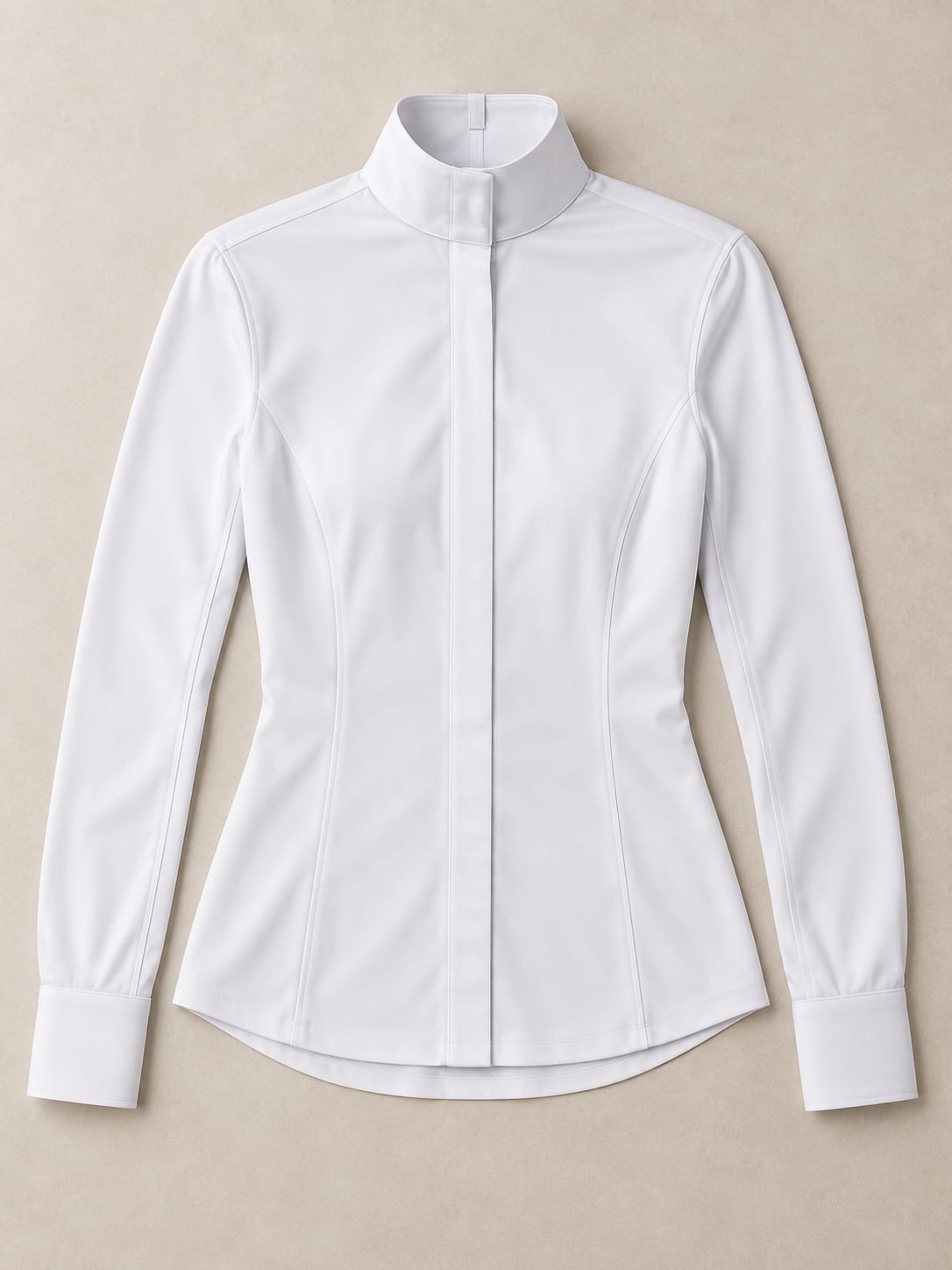
Build the Neckline Around the Stock
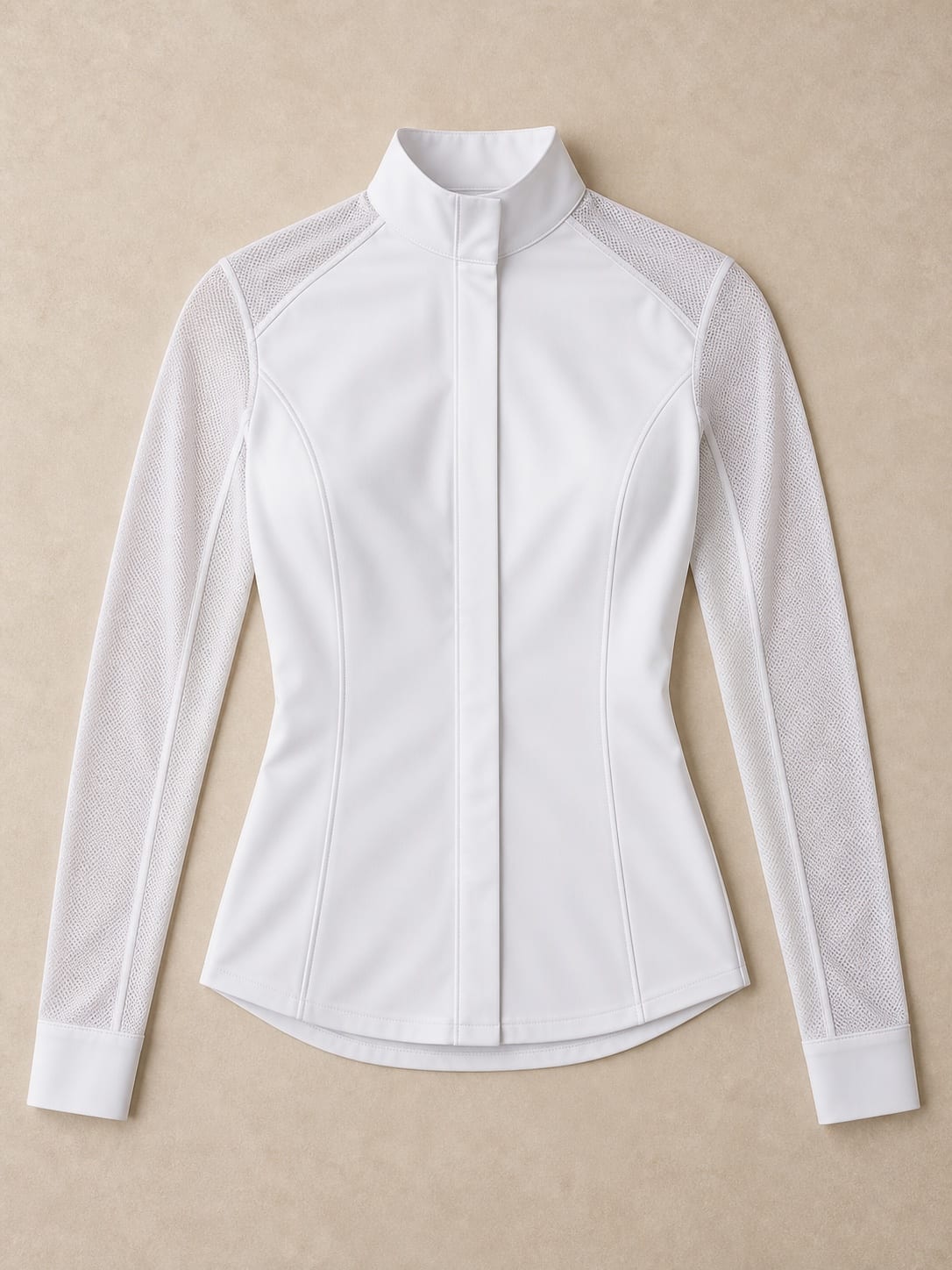
Stock-collar dressage shirt:
the private label buying guide.
Private label stock-collar dressage shirts for equestrian brands: neck construction, stock-tie fit, opacity and brand details. Request an OEM quote.
A development direction for your brand. Final material, construction and performance by specification and sample approval.START WITH
THE RIDER.
For dressage brands, specialist retailers, teams and premium competition capsules whose customers wear a stock and expect a refined, stable neckline under a fitted jacket.
Product development context
A stock-collar dressage shirt is developed around the full neckline system: shirt stand, stock tie or pre-tied accessory, closure, jacket lapel and rider movement. Small differences in height or circumference can create gaping, throat pressure or visible hardware. Buyers should provide the stock and show jacket intended for fitting, plus the current rule context for market and competition level. White or off-white components require opacity and shade control. The shirt can use a technical body, but formal appearance and neck comfort remain the first approval points.
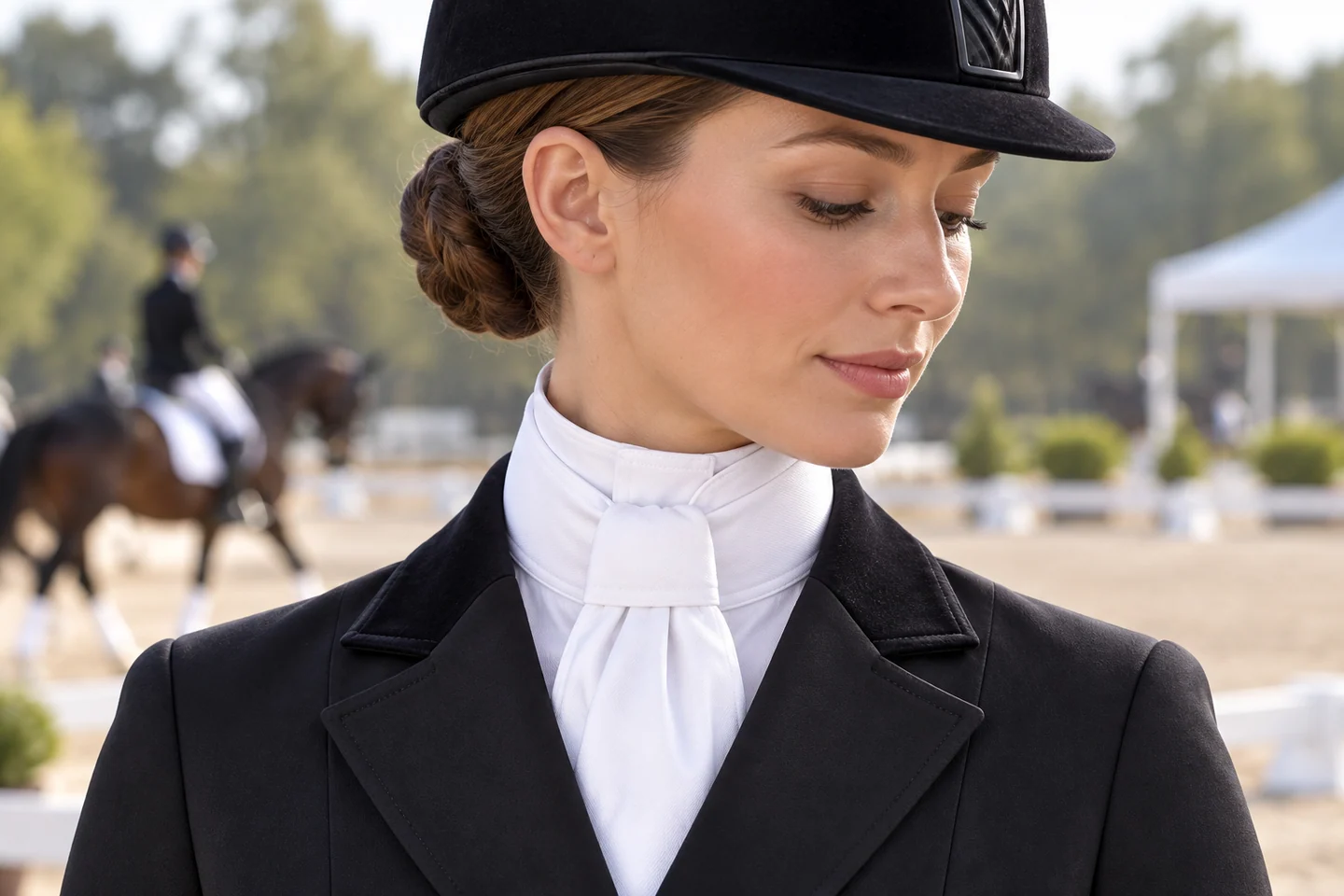
Complete neck system
Fit shirt, stock and jacket together. Record collar stand height, circumference, overlap and closure positions, then check them with the rider looking down and turning the head as well as holding normal dressage posture.
Rule-controlled styling
Use the current official rules for the named discipline, federation, category and level. Requirements for shirt, stock or tie colour and logo area may change; the buyer should approve a dated interpretation before bulk production.
White shade discipline
Match collar, bib or cuff whites intentionally. Optical brighteners, different fibre bases and interfacing can create blue, yellow or translucent sections, especially under arena lights and against a dark jacket.
THE FABRIC
SETS THE FEEL.
Compare material directions against your rider, climate and care expectations. Request the actual fabric specification and evidence for any performance claim.
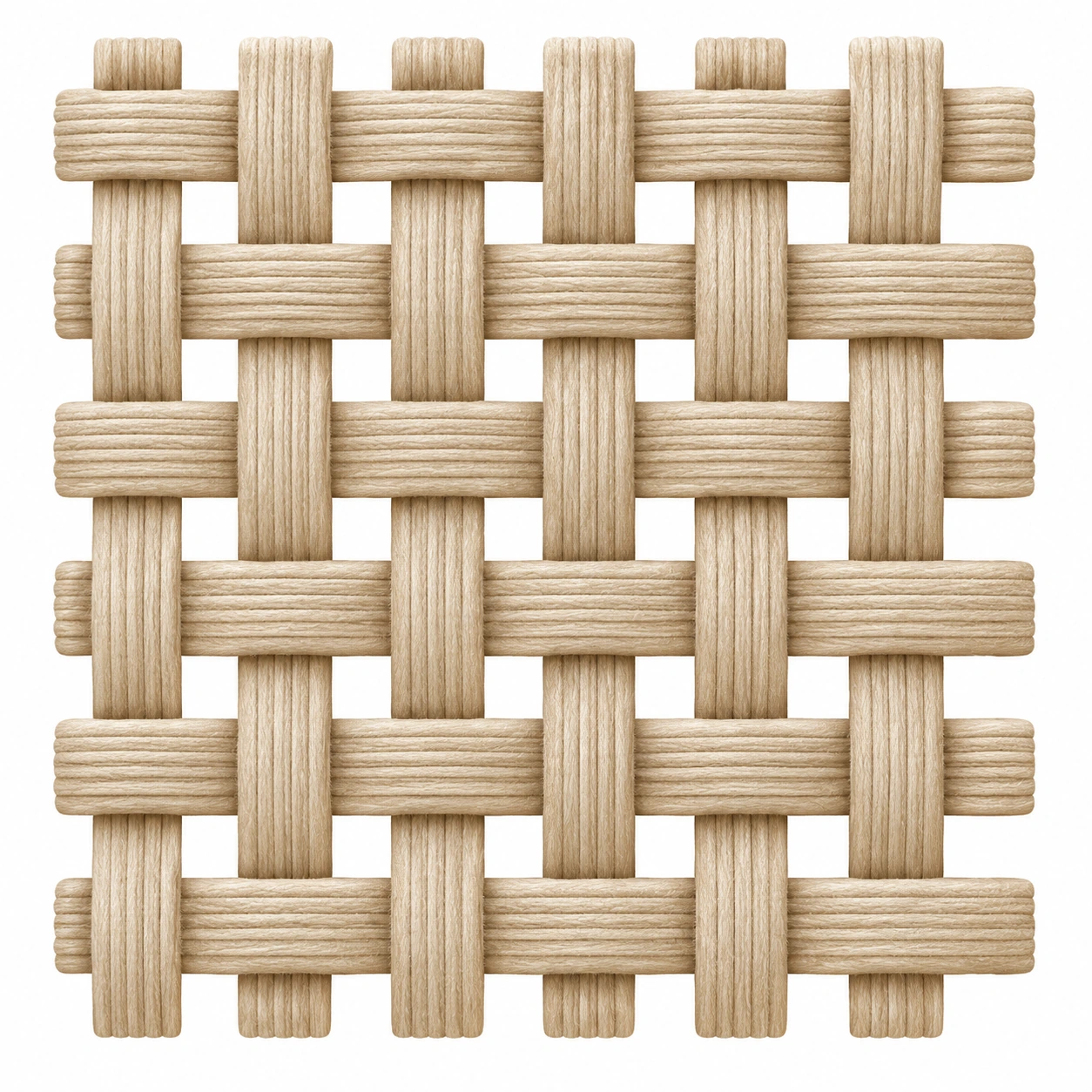
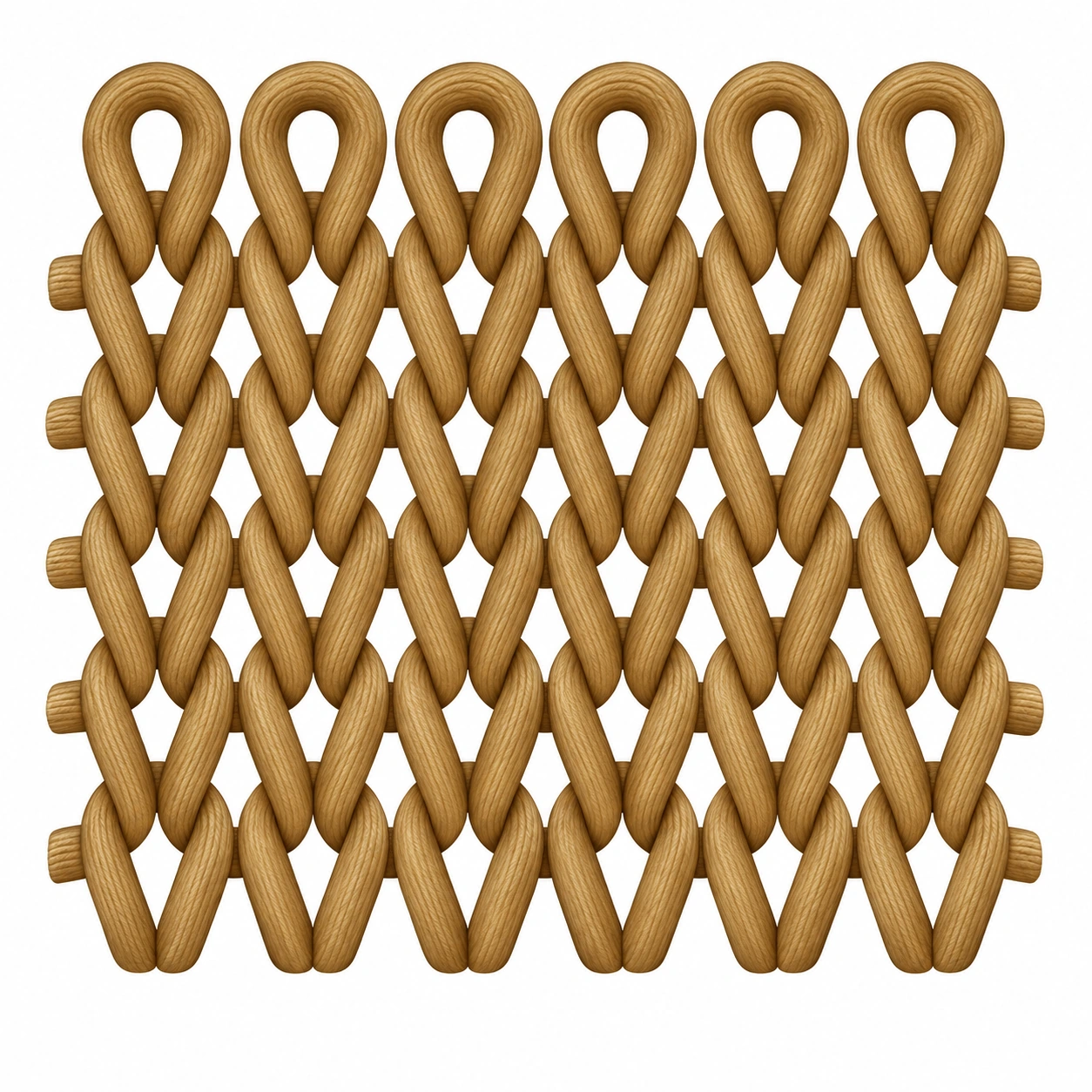
| Material direction | Why consider it | What to verify |
|---|---|---|
| Crisp white collar fabric | A compact white material can create a clean frame for the stock while supporting repeated closure and resisting collapse beneath the jacket. | Assess whiteness, opacity, edge recovery, dimensional change, colourfastness and structure after care on the assembled collar. |
| Light stretch body jersey | A smooth technical torso can reduce bulk and support shoulder movement under a show jacket while the neckline remains formal. | Test production colours for stretch, recovery, pilling, dry and wet opacity, shrinkage and any proposed moisture claim. |
| Compatible collar support | Interfacing or layered self-fabric can stabilize the stand, but stiffness and shrinkage must suit both the stock and next-to-skin use. | Launder and flex the complete neckline, inspecting bubbling, edge roll, distortion, heat and pressure against the rider. |
These are sourcing comparisons, not a list of stocked or certified fabrics. Confirm composition, weight, finish, availability and testing with the material selected for your project.
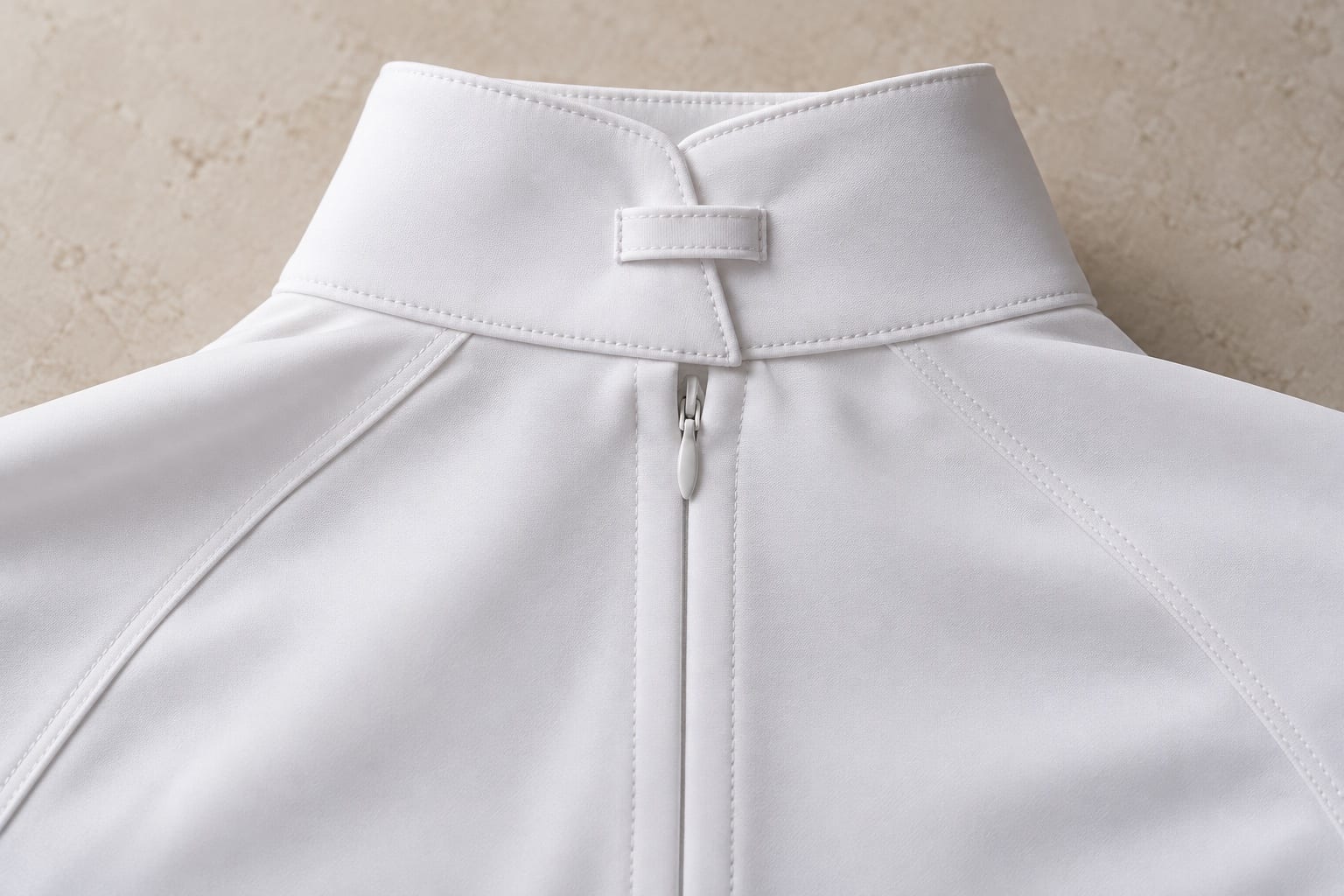 A CLOSER LOOK / DEVELOPMENT CONCEPT
IT’S IN
THE DETAILS.
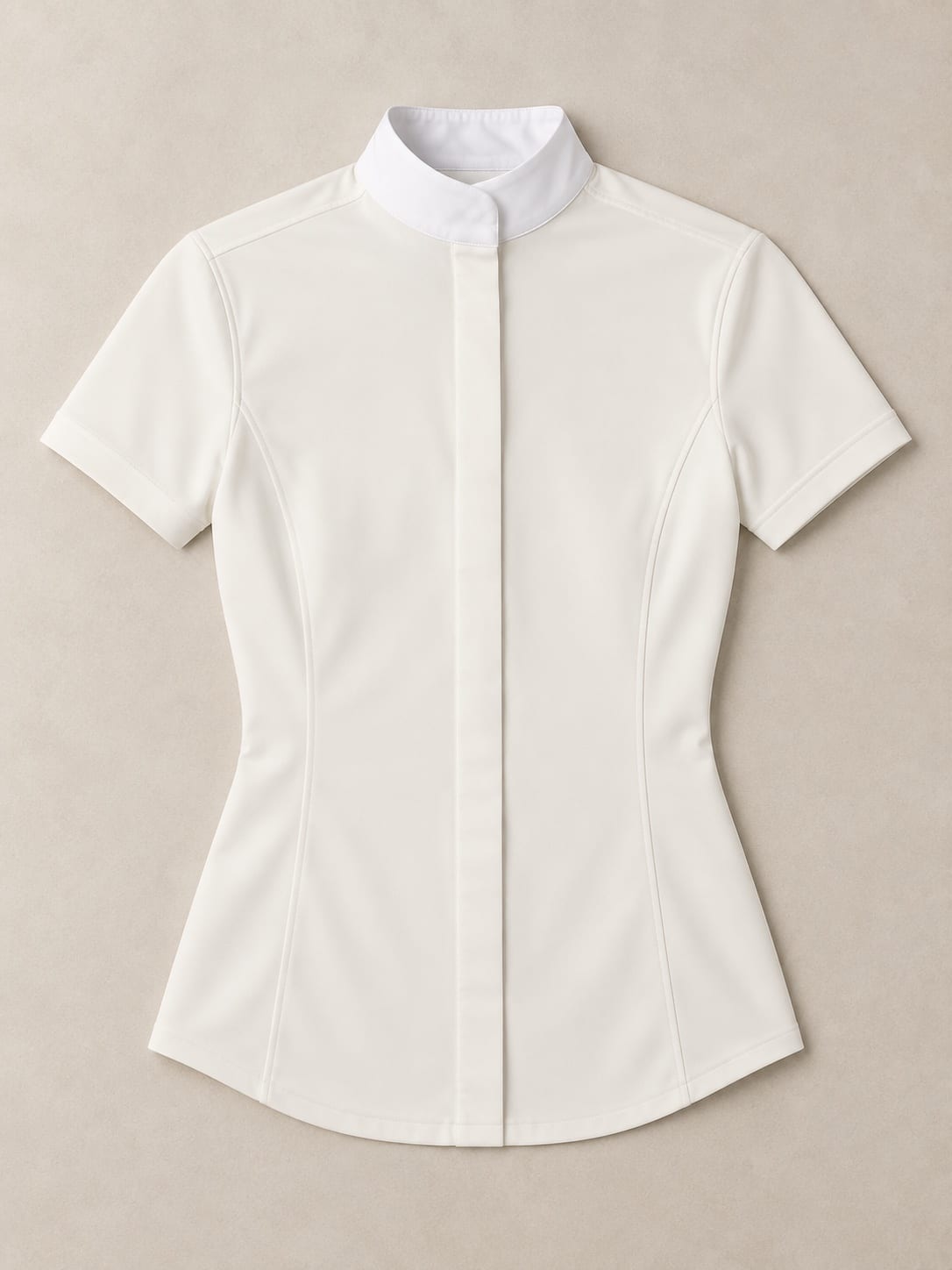
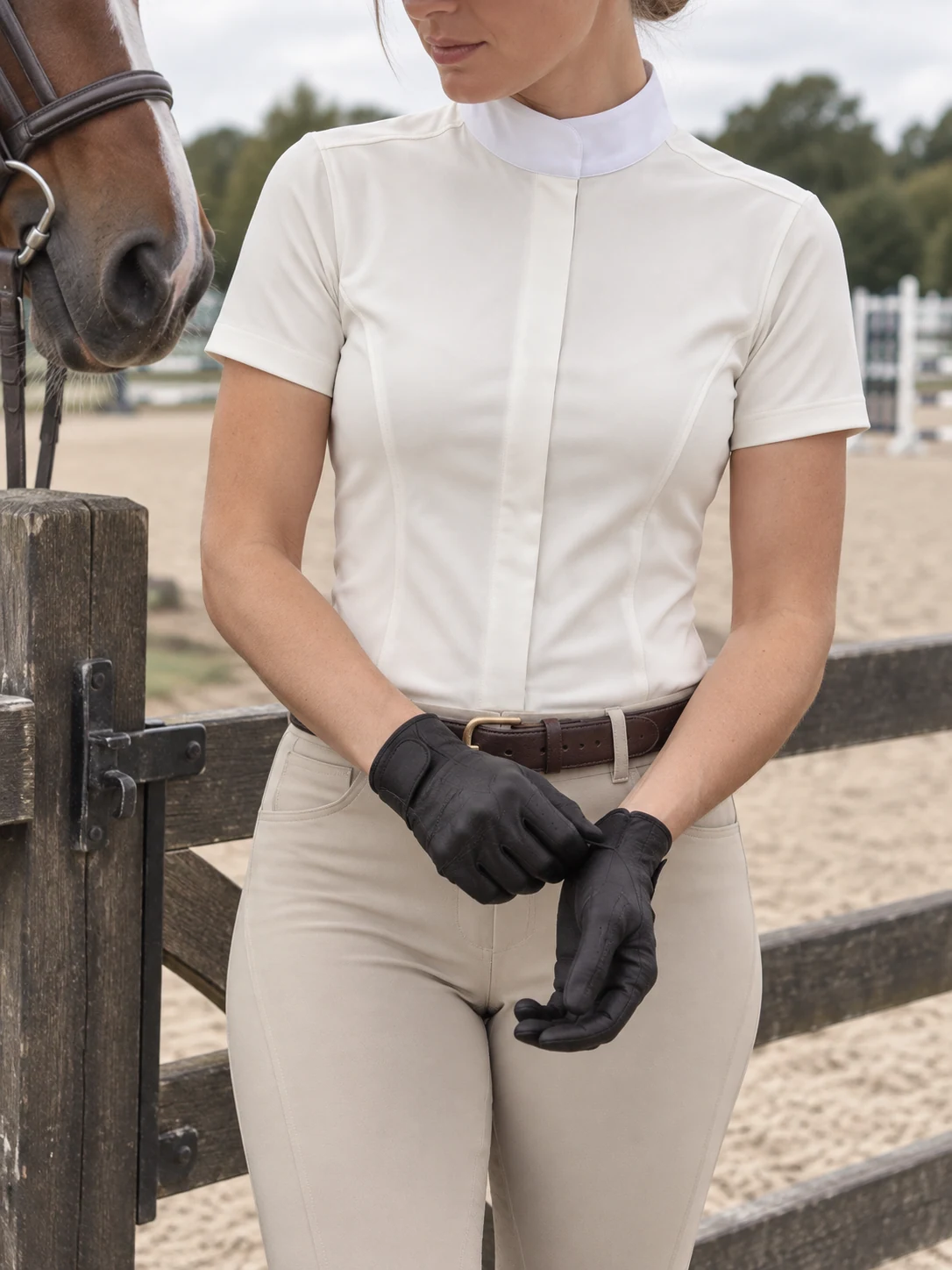
Stock-compatible stand
Shape height and circumference for the reference stock, providing smooth support without excessive overlap, gaping or throat pressure.
Hidden secure closure
Place snaps, zip or hook-and-loop so the stock conceals them and hard edges remain away from skin.
Jacket-aware shoulder
Build armhole and shoulder mobility for rein position without pulling the collar backward or lifting the body hem.
Tuck-length torso
Set the body long and stable enough to remain inside breeches through mounting, sitting trot and forward movement.
FROM THE BRIEF.
INTO THE WORKROOM.
Competition details need a precise brief: collar shape, front opening and a clean finish under the rider’s jacket.
Explore our factory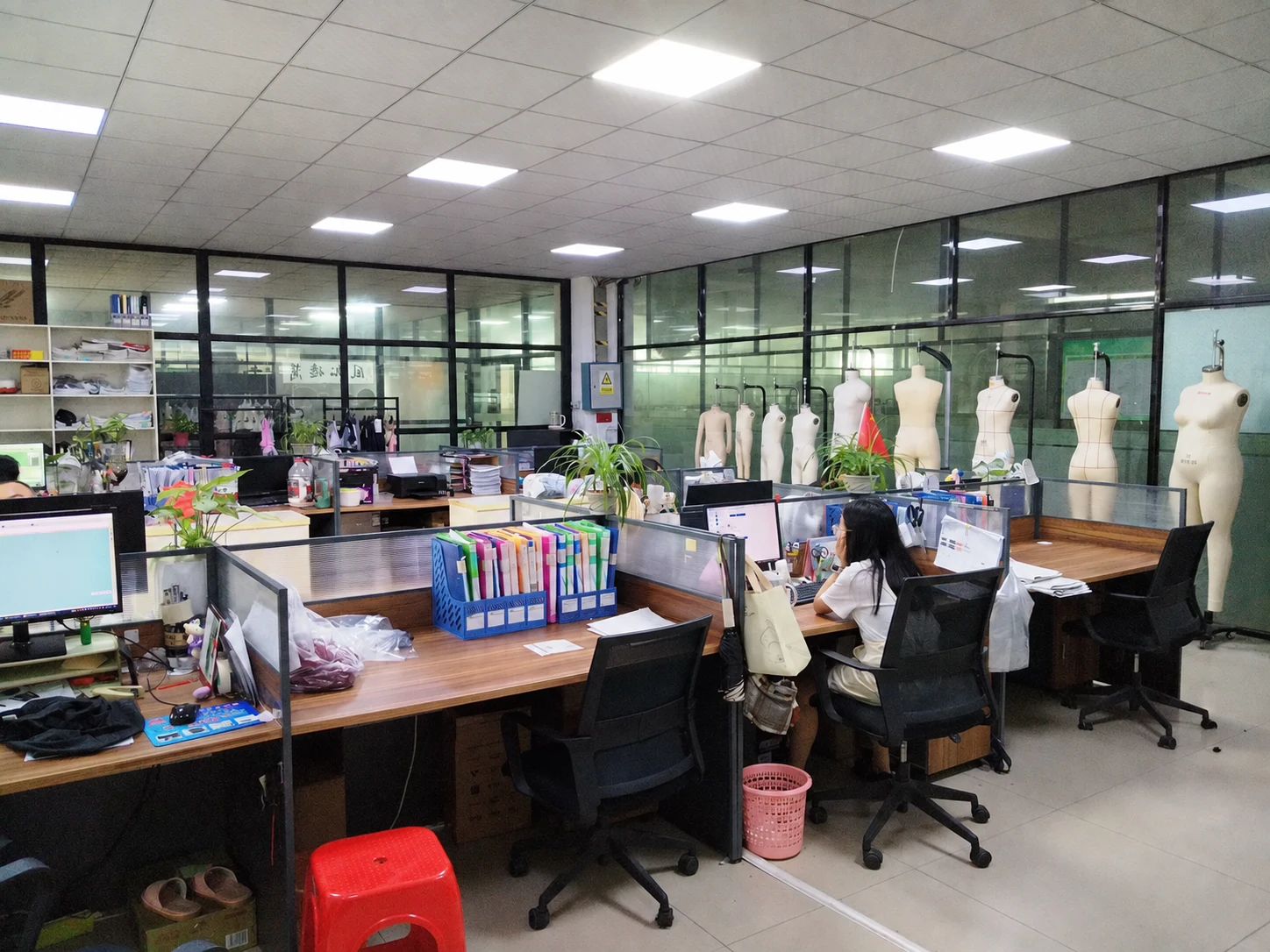
Stock-compatible stand
Shape height and circumference for the reference stock, providing smooth support without excessive overlap, gaping or throat pressure.
Carry this into approval Factory views show our working environment. Your garment follows its agreed specification and sample.GET THE
RIGHT FIT.
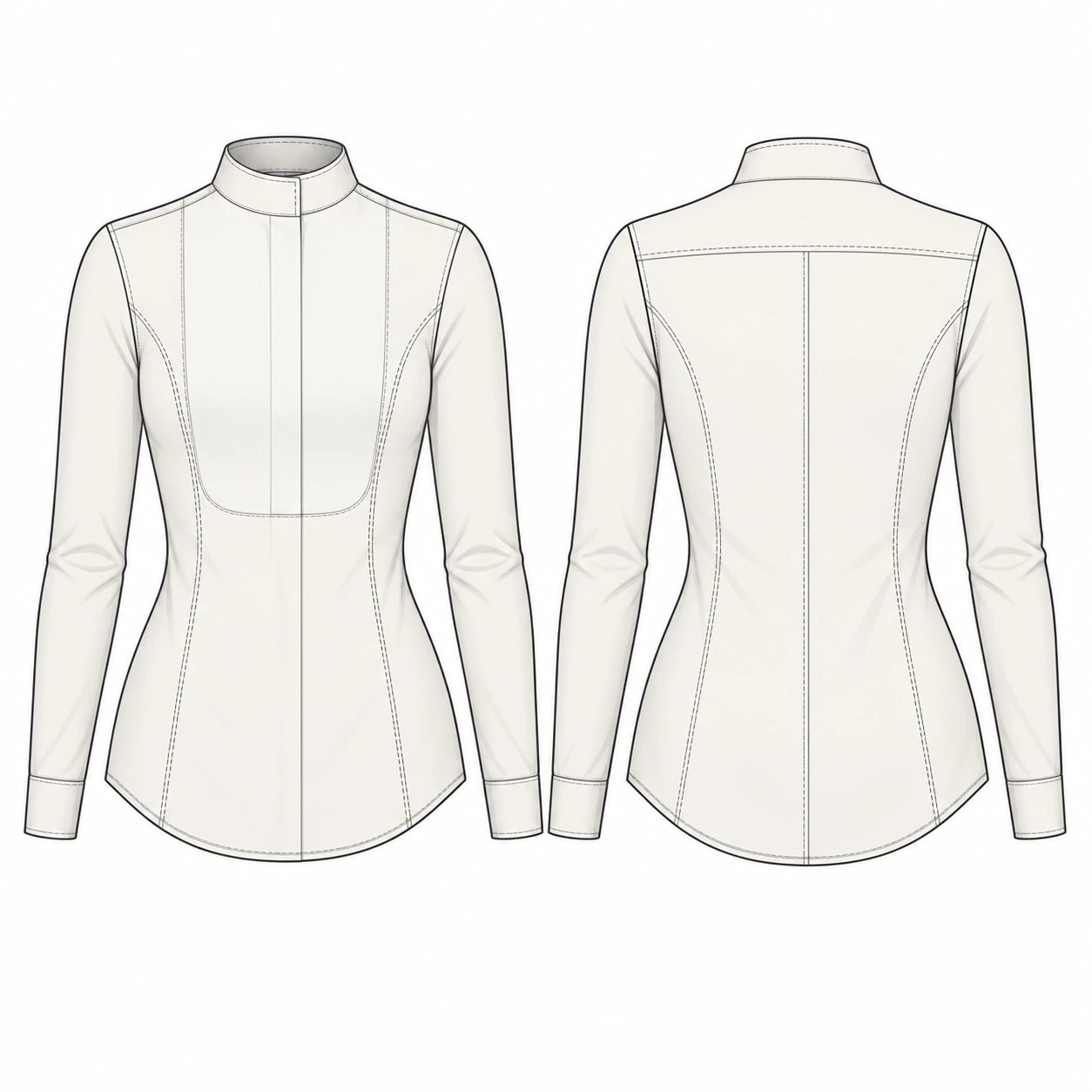
- AChest
- BShoulder span
- CSleeve length
- DBody length
A size label is only the beginning. Agree the measurement method, review the garment in use and keep the approved fit record with your specification.
Your fit-session checklist
Record the size worn, body measurements, intended underlayers and every proposed correction with the dated sample.
Note the size worn, body measurements, intended underlayers and each proposed correction. Recheck the affected measurement after a revision; confirm the size breakdown for each style and colour before bulk.
MAKE IT
RECOGNISABLY YOURS.
Use the product’s construction to guide decoration and finishing. Ask for placement, colour and material approval on the relevant sample.
Small details.
One identity.
Folded edges · fine weave
Textured stock · cord attachment
Raised edge · stitched placement
Material mockups with a live wordmark study. Print, weave, colour matching and placement are confirmed on your physical sample.
Stock interface
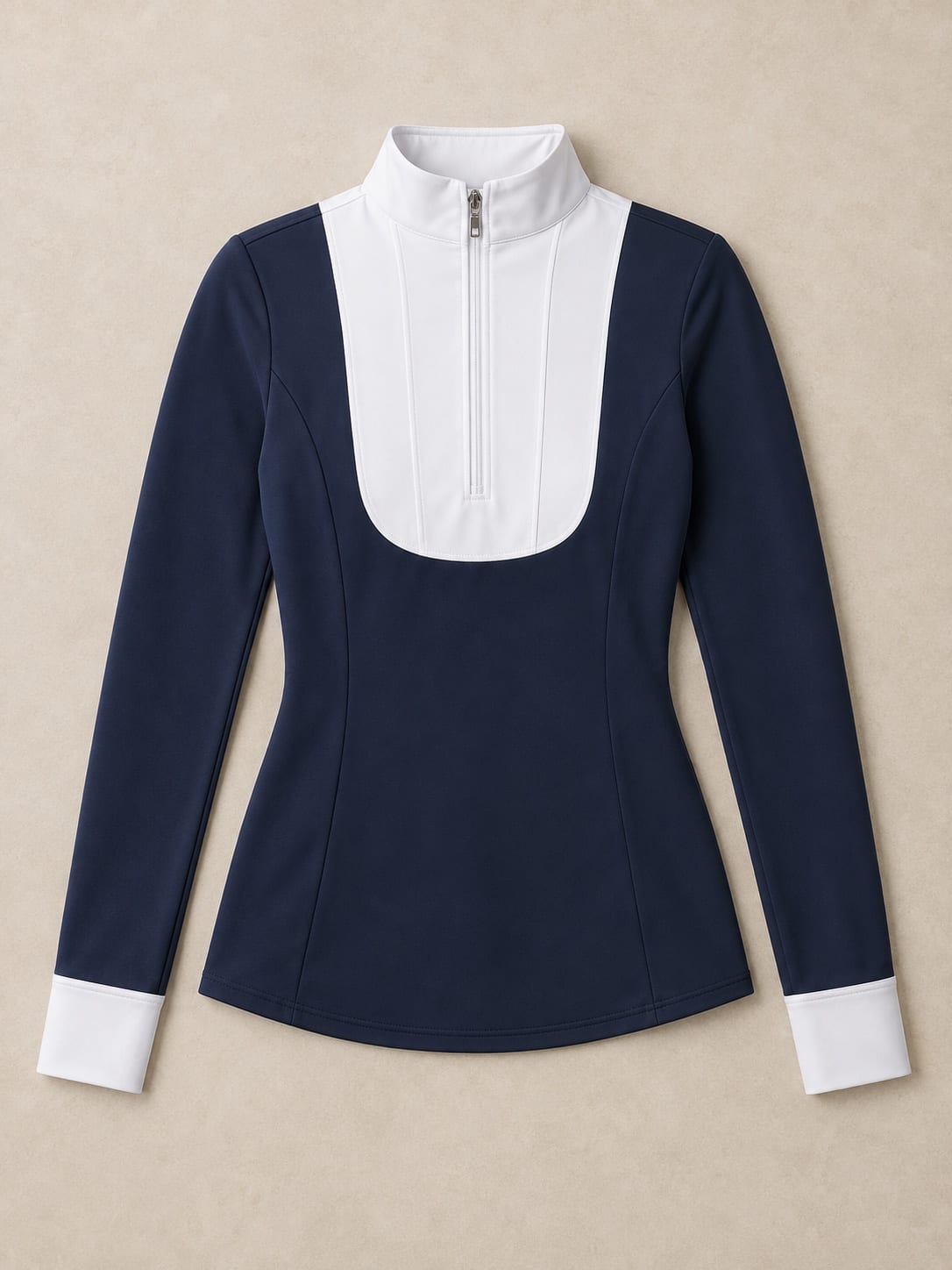
Develop stand height, loop or keeper, closure and overlap around the exact traditional or pre-tied stock supplied by the buyer.
White front option
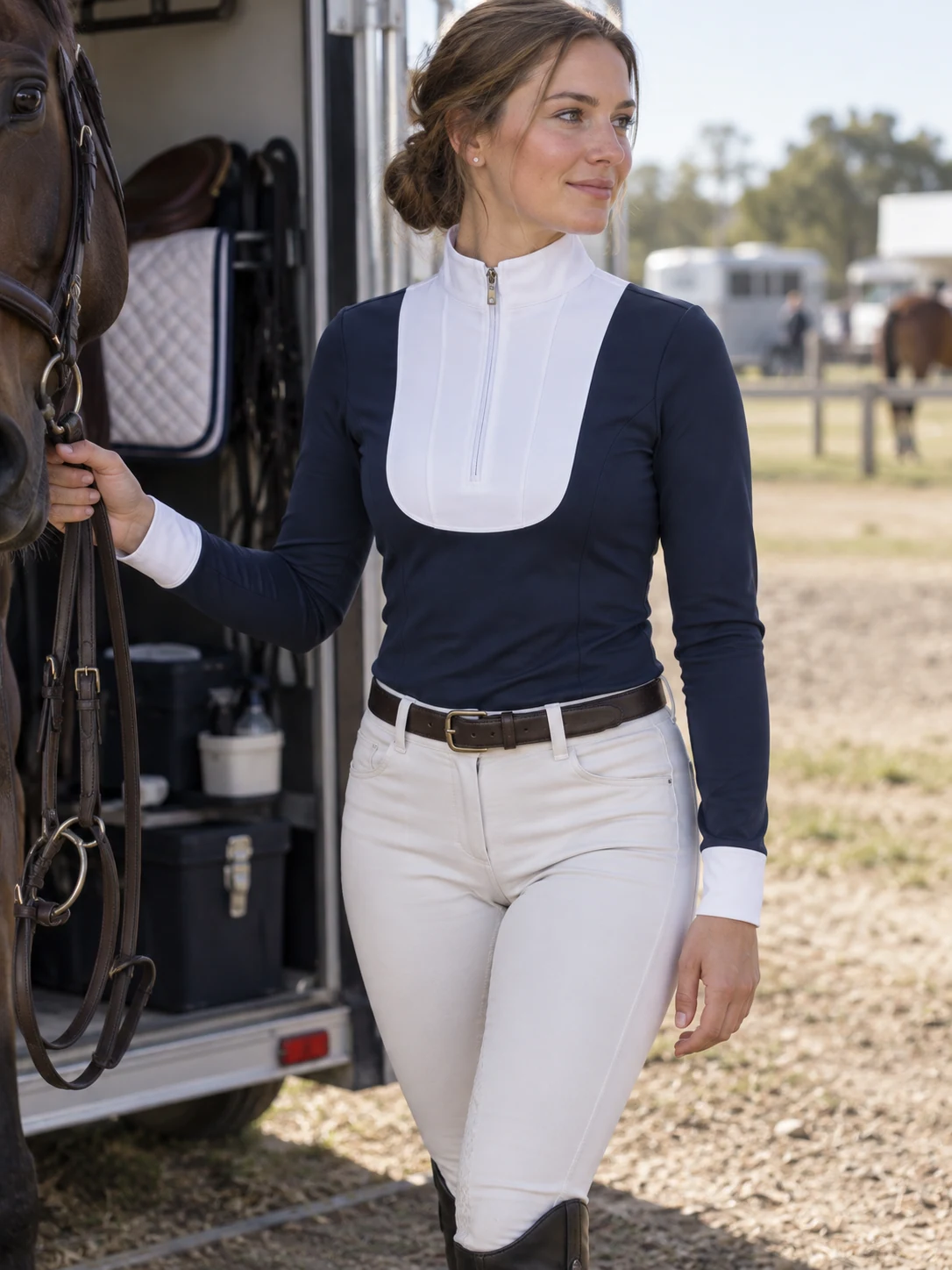
Add bib or contrast placket only after mapping jacket visibility and approving opacity, seam placement and shade relationship.
Rule-aware logos
Specify artwork, size and location against the current governing rules, with the buyer retaining responsibility for final competition approval.
Body ventilation
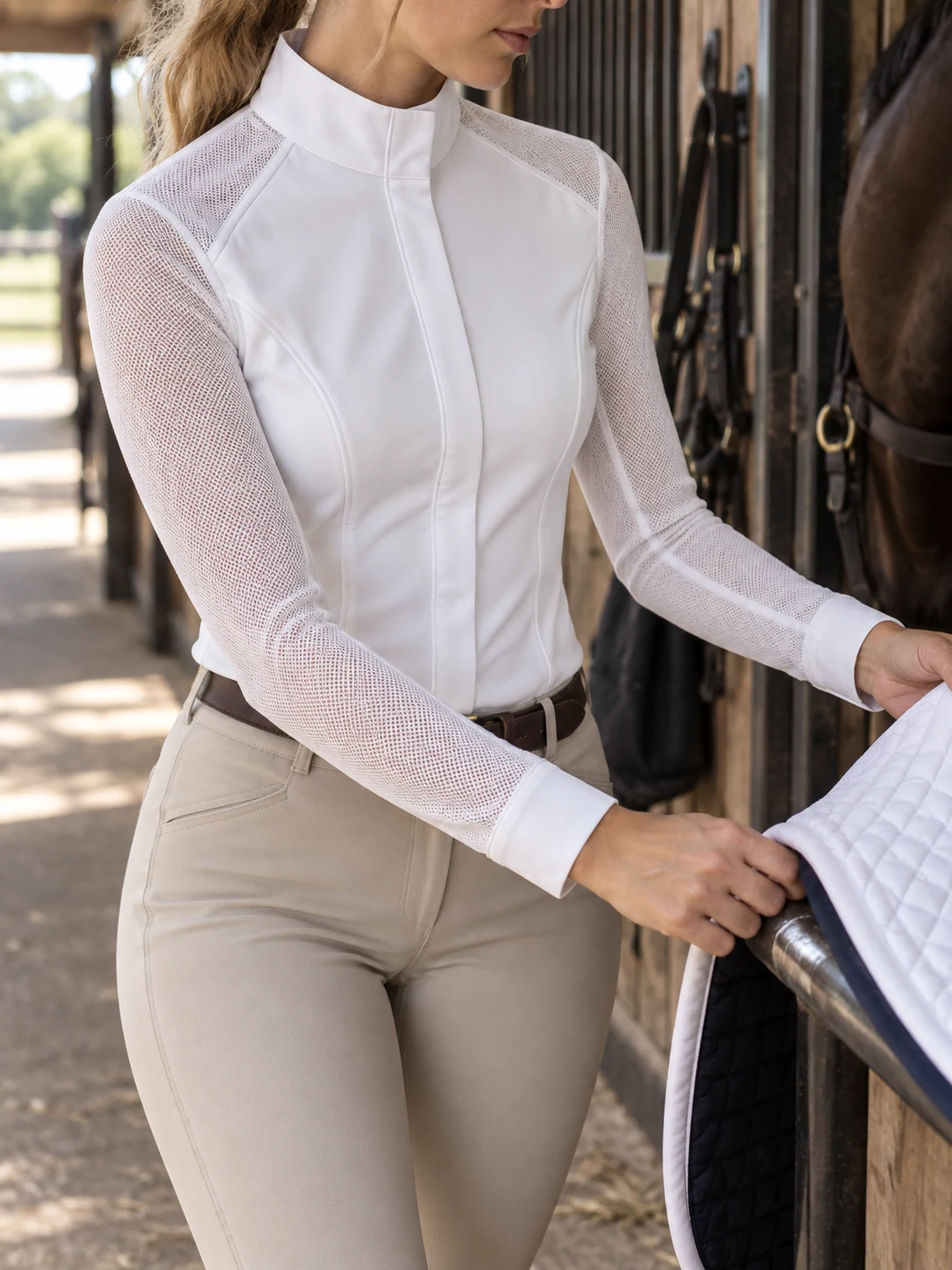
Use lighter jersey or concealed mesh under the jacket where appropriate, separating those zones from collar structure and formal visible areas.
APPROVE THE DETAIL.
THEN THE ORDER.
The first sample helps you make decisions. Define review conditions and acceptance criteria before you compare the result.
Review the stock-collar dressage shirt sample
Sampling takes 7–10 working days from the agreed start. Record each decision against the dated sample before bulk approval.
Rider, material direction, measurements and artwork.
DEFINE THE STARTTurn the agreed direction into a garment to review.
7–10 WORKING DAYSReview fit, finish and changes. Confirm the final specification.
REVISE IF NEEDEDProceed with agreed quantities, colours, labels and packing.
30–45 WORKING DAYSA shared development direction
Bring reference garments, your rider profile, target colours and any artwork. We turn these into the measurements, materials and construction questions that the sample needs to resolve.
Sample feedback can return to development. Revisions and transit are planned separately; timing begins from the agreed specification and start date.

KEEP THE APPROVAL.
WITH THE ORDER.
One agreed reference for the workroom: the dated sample, its specification and your confirmed order breakdown.
Sample decisions
- Stock fitting
Tie or attach the exact stock on the rider, then check closure, pressure, gaping and symmetry through head and shoulder movement.
- Full show ensemble
Wear with show jacket, breeches and gloves while mounted, photographing neckline visibility and body mobility from all sides.
- White shade
Compare collar, stock, bib and cuffs in daylight and arena light, checking opacity and mismatched colour cast.
Style, colour & size allocation
Confirm each style and colour separately, with the size allocation attached. The minimum is 100 pieces per style, per colour.
Labels, packing & timing
Agree label artwork, packing instructions and the production start. Bulk production takes 30–45 working days from the confirmed start; revisions and transit are planned separately.
A CLEARER BRIEF.
A MORE USEFUL QUOTE.
Price follows an agreed product, quantity and delivery scope. Use these inputs to compare proposals on the same basis.
Stock collar engineering
Layered stand, hidden closure, keepers and exact accessory fitting add development and operations.
Contrast white elements
Separate fabrics, interfacing and shade control increase materials, cutting and approval steps.
Technical body panels
Mesh or alternate jerseys add material minimums, seams and colour or stretch matching.
Rule-specific variants
Different markets or disciplines may require separate collars, sleeves, logos or samples.
Bring these six things
Planning baseline: 100 pieces minimum per style, per colour. Sampling takes 7–10 working days; bulk production takes 30–45 working days from the agreed start.
100 pieces minimum per style, per colour. State each colour quantity separately; confirm your proposed size allocation.
GOOD QUESTIONS.
BETTER DECISIONS.
Product-specific sourcing questions to resolve before sampling.
The buyer should identify and approve the current official rules for the intended discipline, federation, category and event. The development brief should use that dated interpretation and approved specification; final competition acceptance remains the buyer’s responsibility.
Stocks differ in width, thickness, closure and tying method. The accessory changes required collar height, circumference, overlap and keeper placement. Physical fitting avoids a technically correct shirt stand that fails with the customer’s chosen stock.
Wear shirt, stock and jacket through a normal mounted fitting. Turn and lower the head, swallow and reach forward; check pressure at throat and neck, hard closure edges, heat, gaping and whether the collar pulls backward.