 REINFORM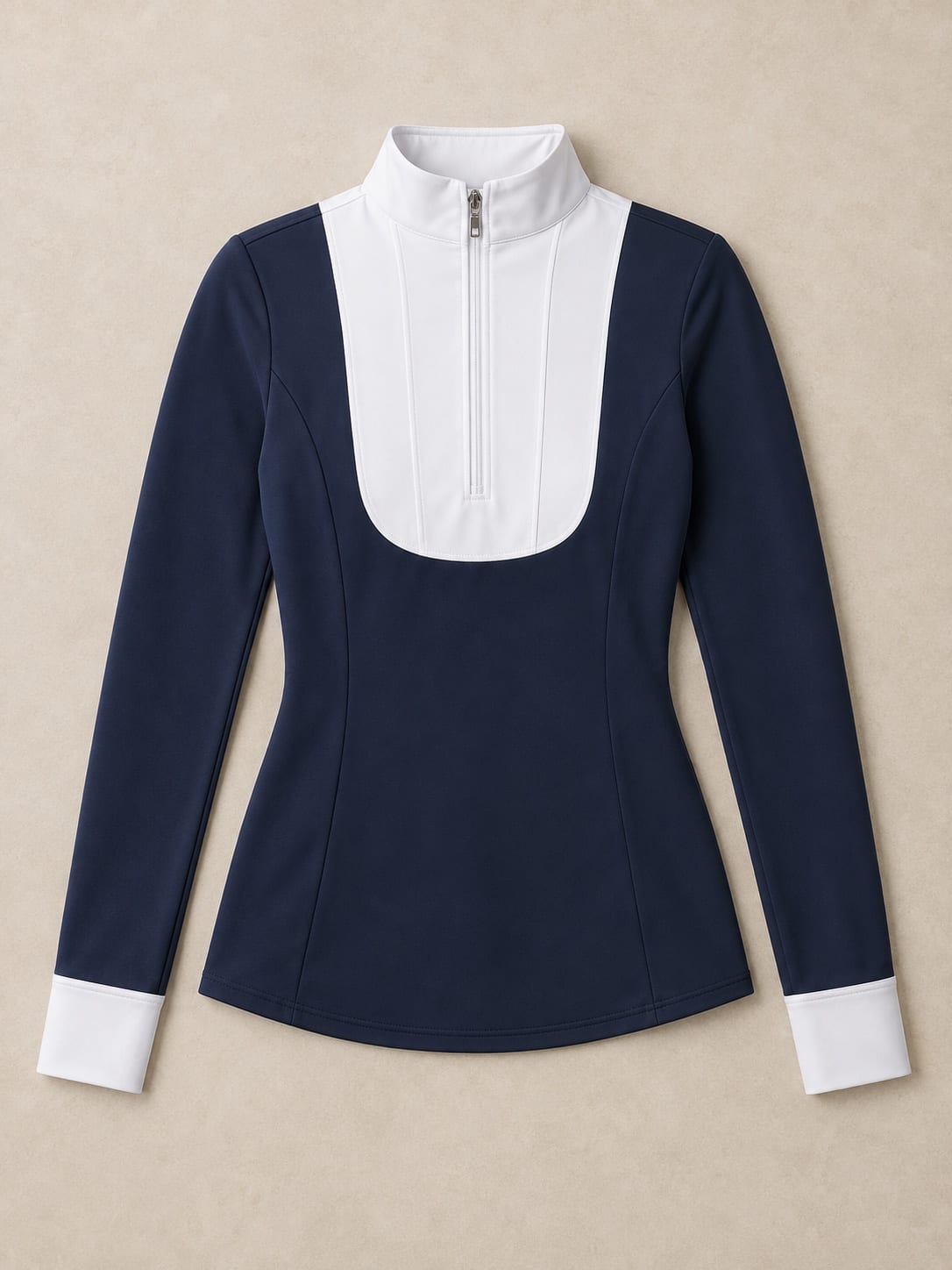
Keep the Competition Face Precise
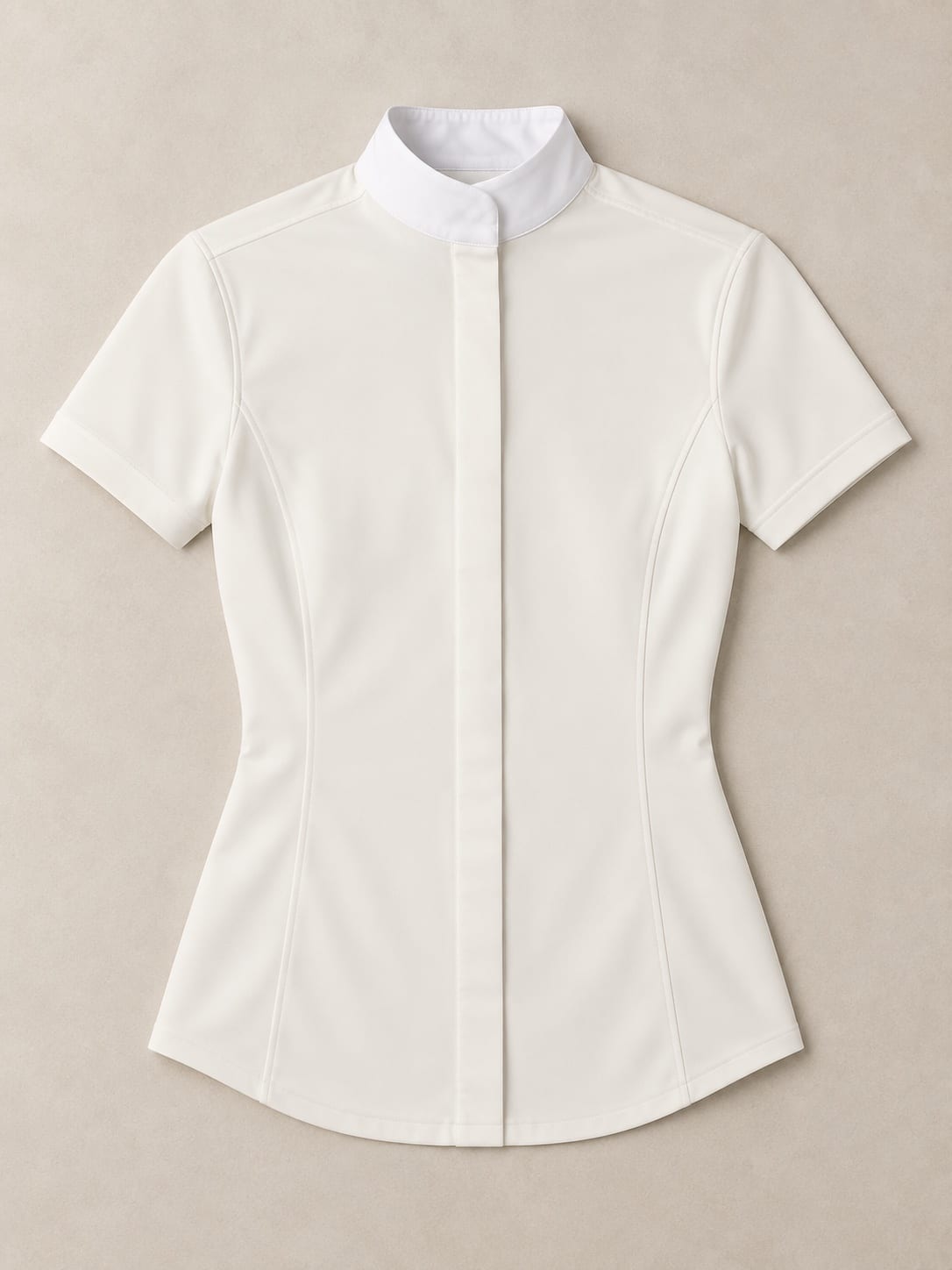
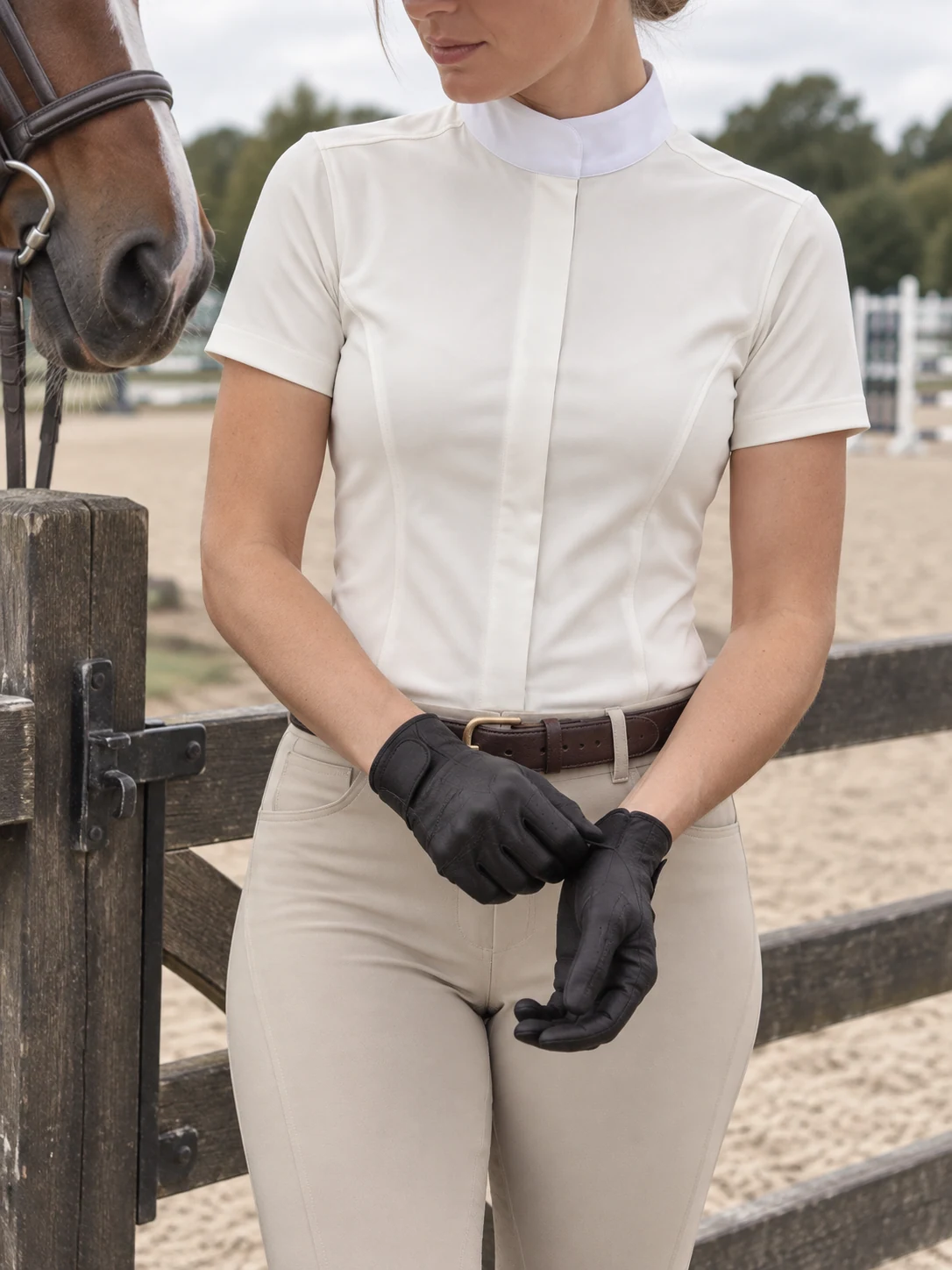
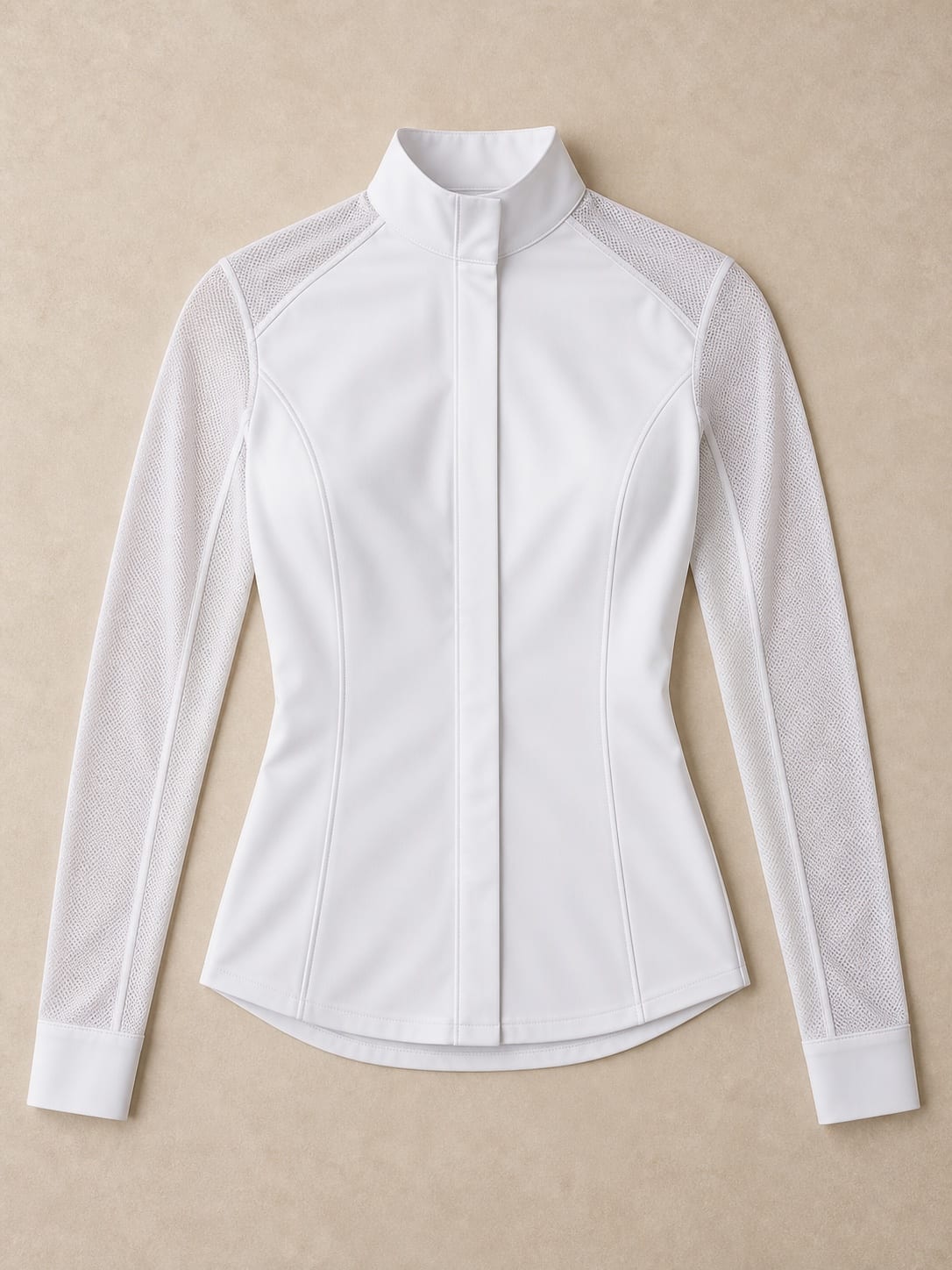
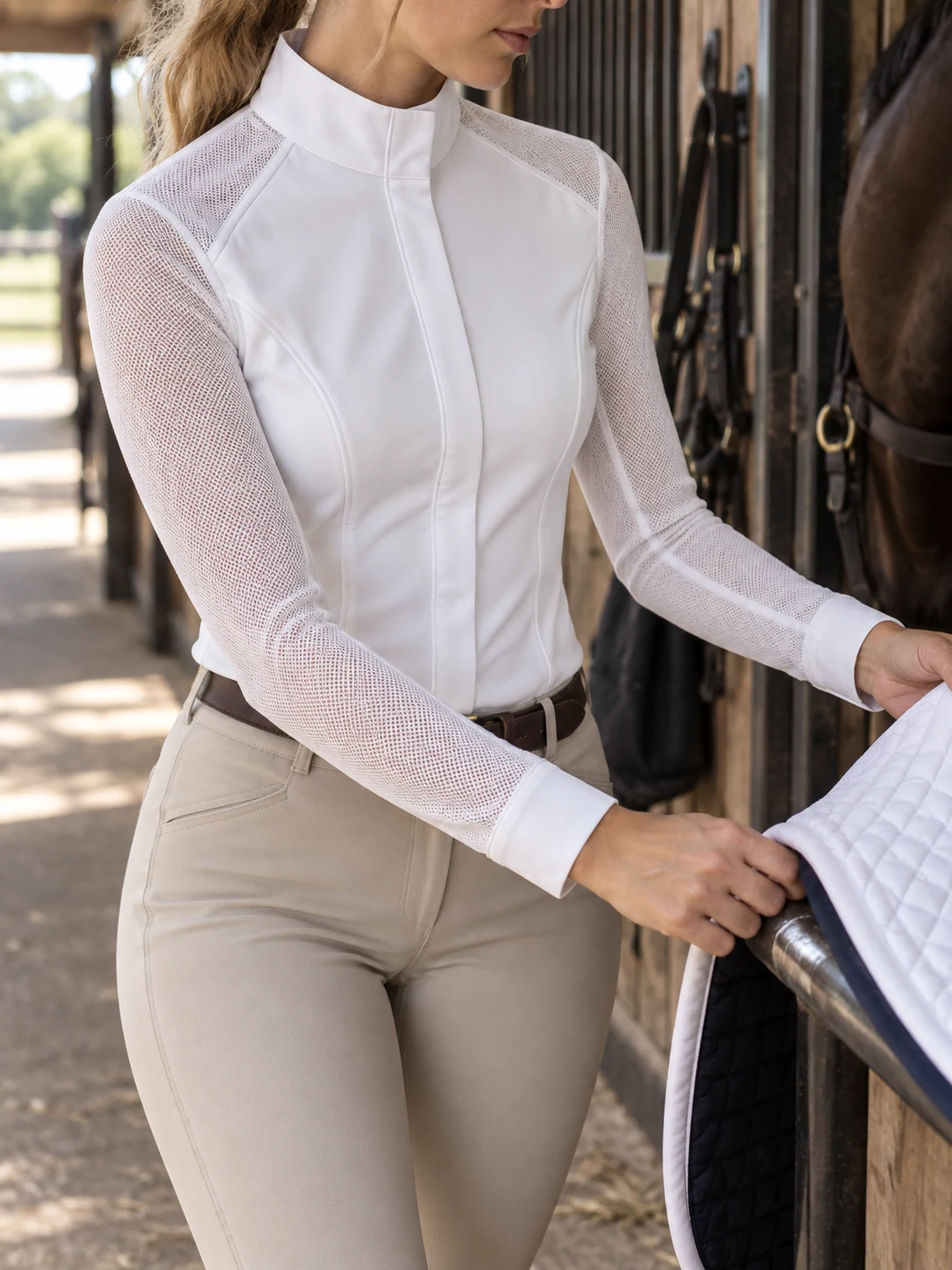
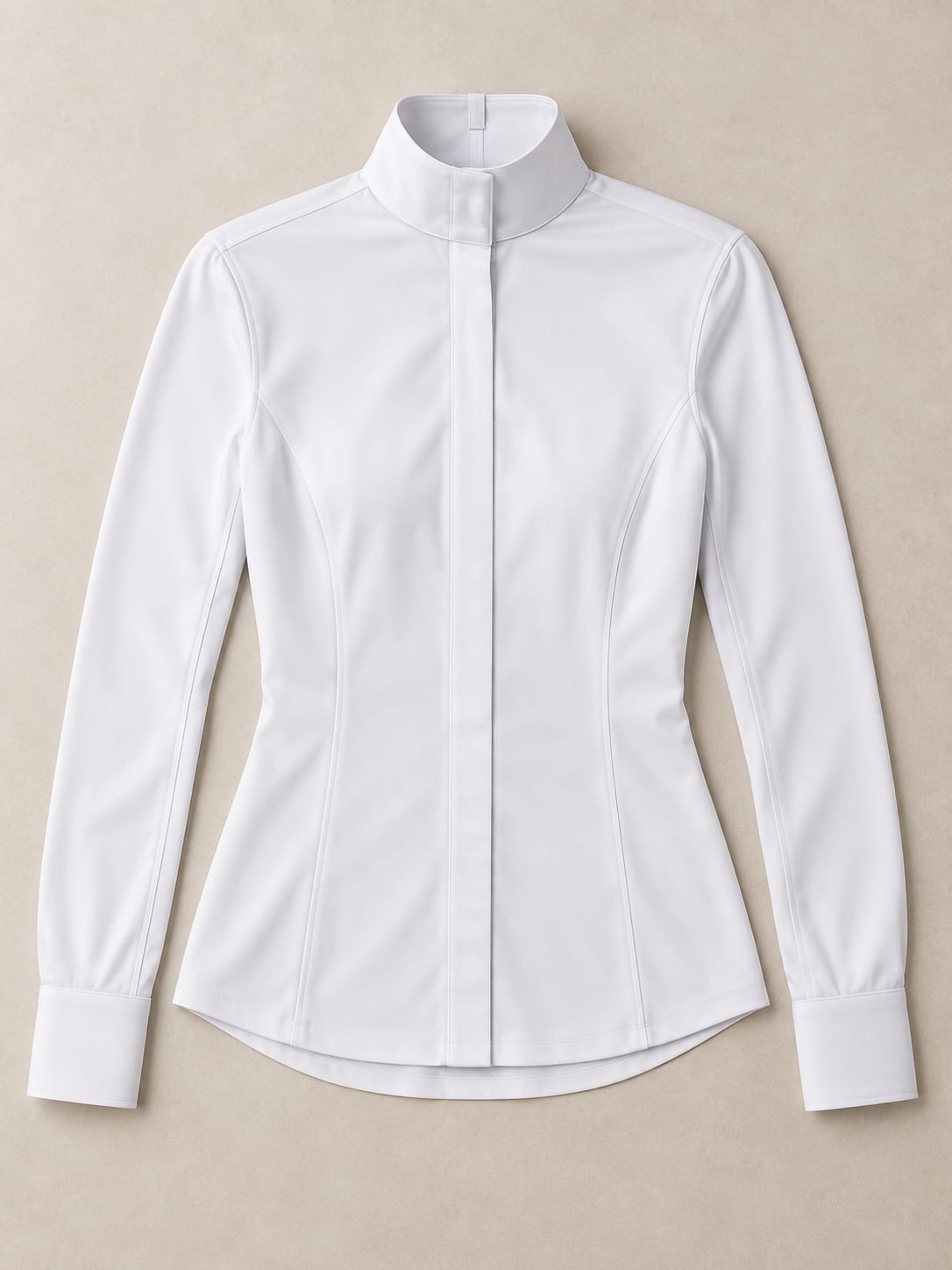
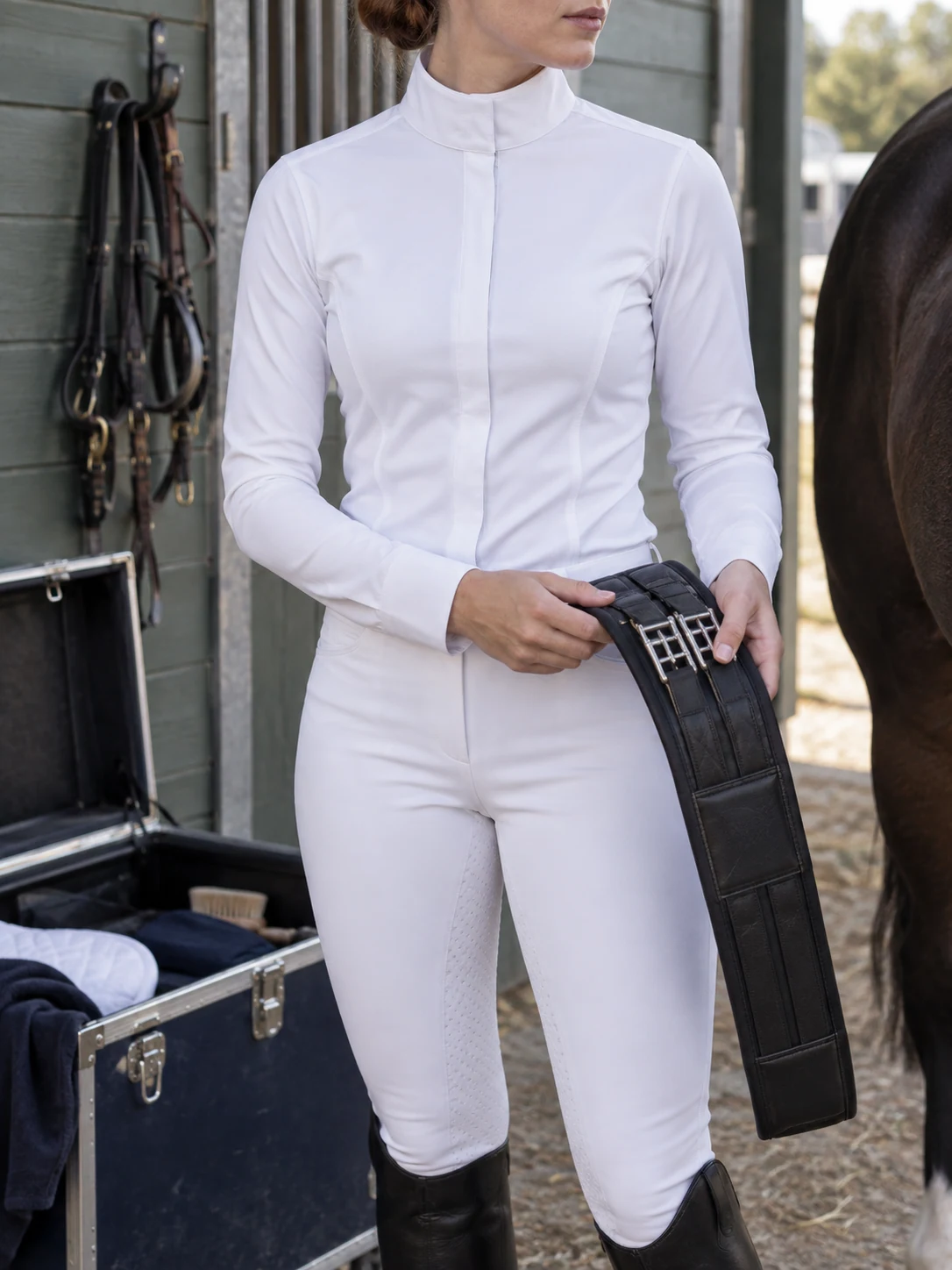
White-bib long-sleeve show shirt:
the private label buying guide.
Private label white-bib show shirts for equestrian brands: bib coverage, collar, cuffs, opacity and jacket fit before production. Request an OEM quote.
A development direction for your brand. Final material, construction and performance by specification and sample approval.START WITH
THE RIDER.
For dressage and competition brands, show-focused retailers and teams wanting a formal white front with a technical body that can remain comfortable beneath a jacket.
Product development context
A white-bib show shirt is a visual system: only part of it may be visible beneath a closed show jacket, but every layer affects comfort, opacity and laundering. Buyers should send the intended jacket neckline and opening as a reference, then define bib width, collar style, placket, cuff and body fit. White materials need review for show-through, colour cast and yellowing risk. Discipline and federation rules change, so the brief must name the market and competition level, and the buyer should confirm current dress requirements before approving artwork or styling.
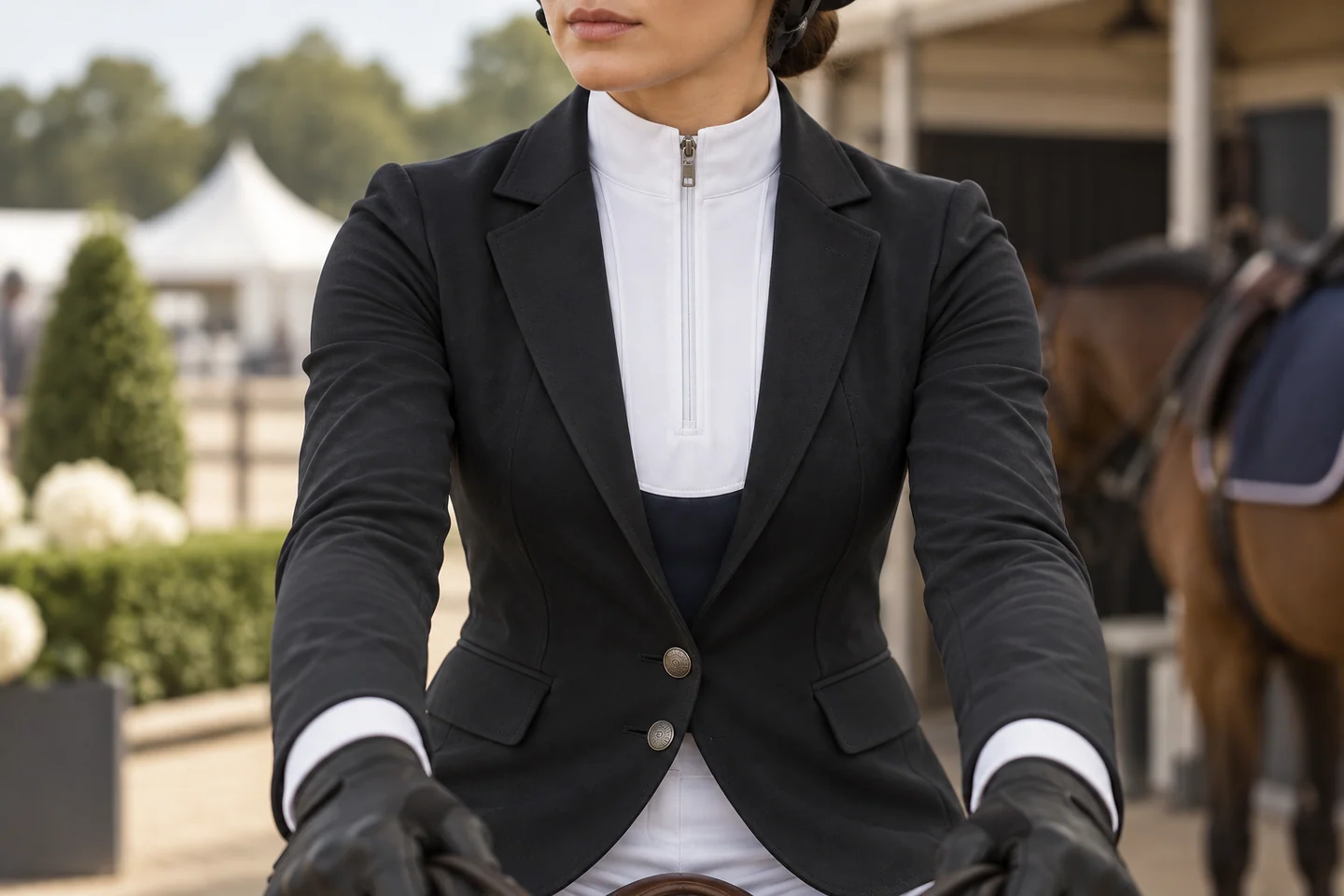
Jacket-window alignment
Map the exact area visible above and through the intended show jacket. Bib edges, base colour and placket should remain hidden or deliberately shown in every riding posture, including when the jacket pulls during forward reach.
White opacity
Review bib, collar and cuffs over skin and underlayers in arena light. Interfacing, seam allowances and labels can show through more than the base cloth, so approve the complete white assembly rather than relying on a swatch.
Rules by destination
Request discipline, federation, rider category and event level in the RFQ. The buyer or appointed compliance party should check current rules for shirt, collar, tie or stock and logo placement before placing an order; universal legality should never be inferred from one market’s approved design.
THE FABRIC
SETS THE FEEL.
Compare material directions against your rider, climate and care expectations. Request the actual fabric specification and evidence for any performance claim.
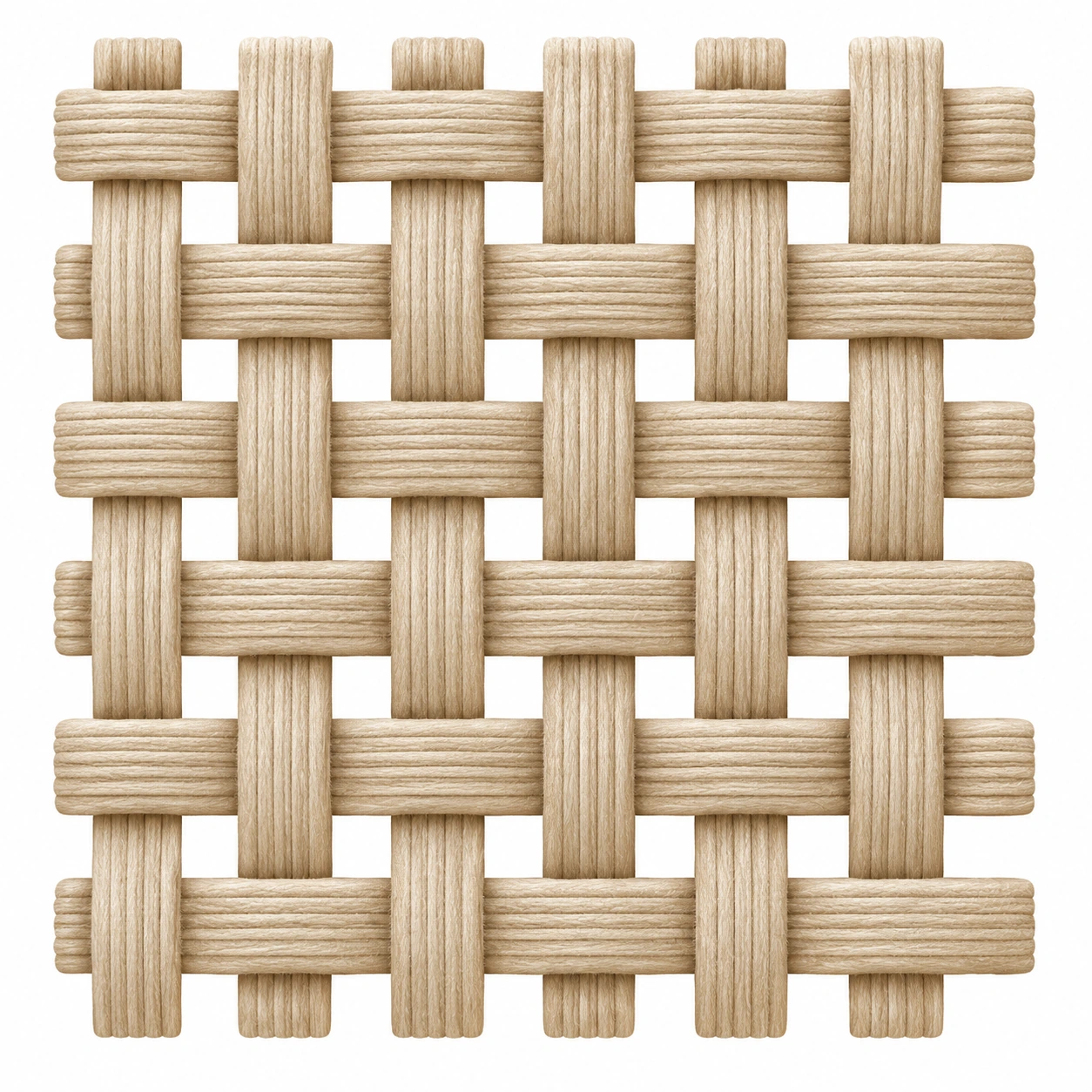
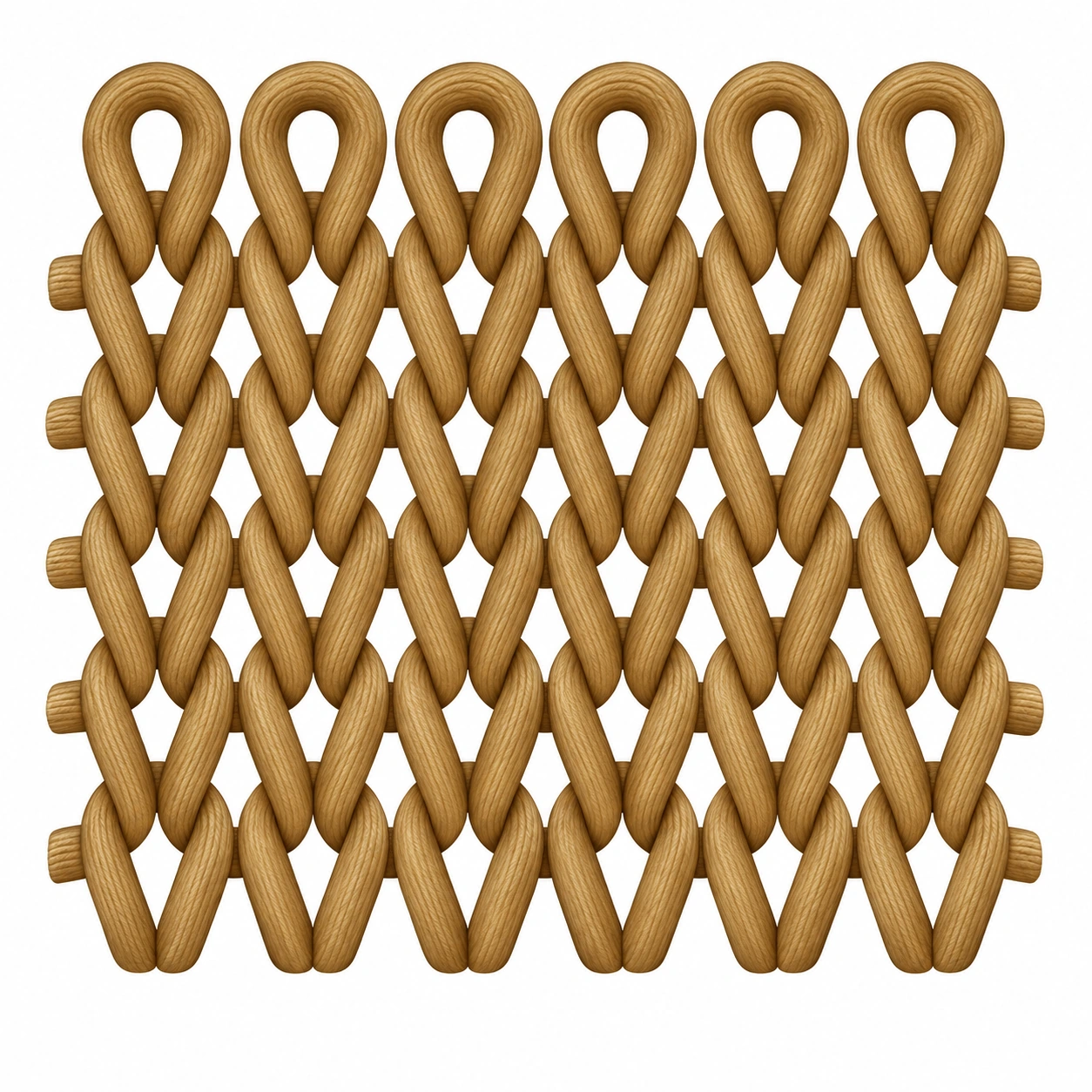
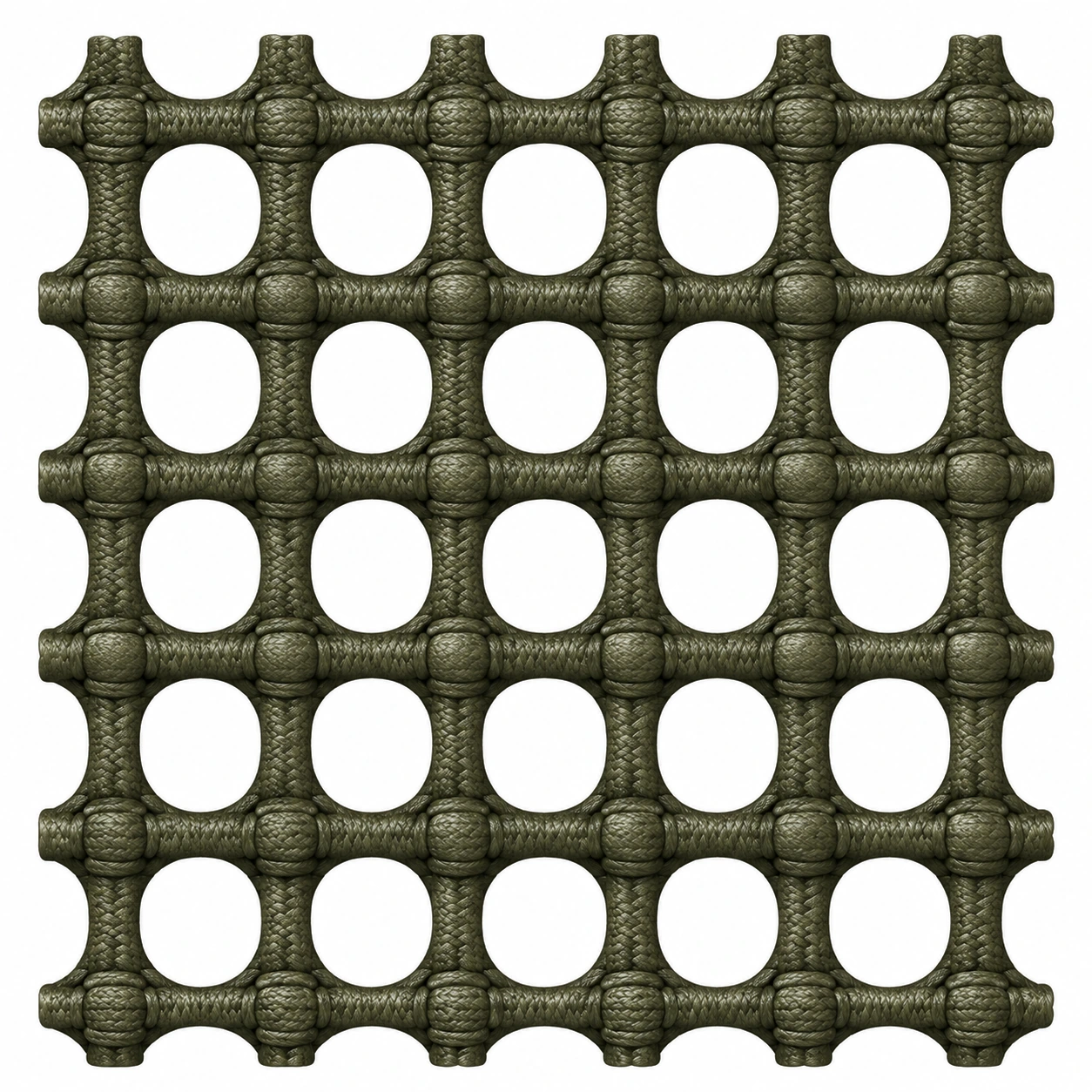
| Material direction | Why consider it | What to verify |
|---|---|---|
| Opaque white bib fabric | A compact white woven or knit direction can create a crisp formal face while concealing seam allowances and underlayers. Stretch must coordinate with the body. | Check colour cast, opacity, recovery, dimensional change, colourfastness and appearance after care on the fully assembled bib, collar and placket. |
| Stretch technical body jersey | A lighter torso and sleeve fabric can support movement and layer comfort beneath a jacket, with the bib supplying formal structure. | Test actual colours for stretch, recovery, pilling, wet opacity, shrinkage and any moisture-management claim before use in marketing. |
| Localized ventilation mesh | Underarm or upper-back mesh can reduce bulk and support airflow where the jacket conceals it, provided coverage and rules permit. | Review transparency, stretch compatibility, seam comfort and jacket interaction on the worn garment; exclude unsupported panels from broad performance claims. |
These are sourcing comparisons, not a list of stocked or certified fabrics. Confirm composition, weight, finish, availability and testing with the material selected for your project.
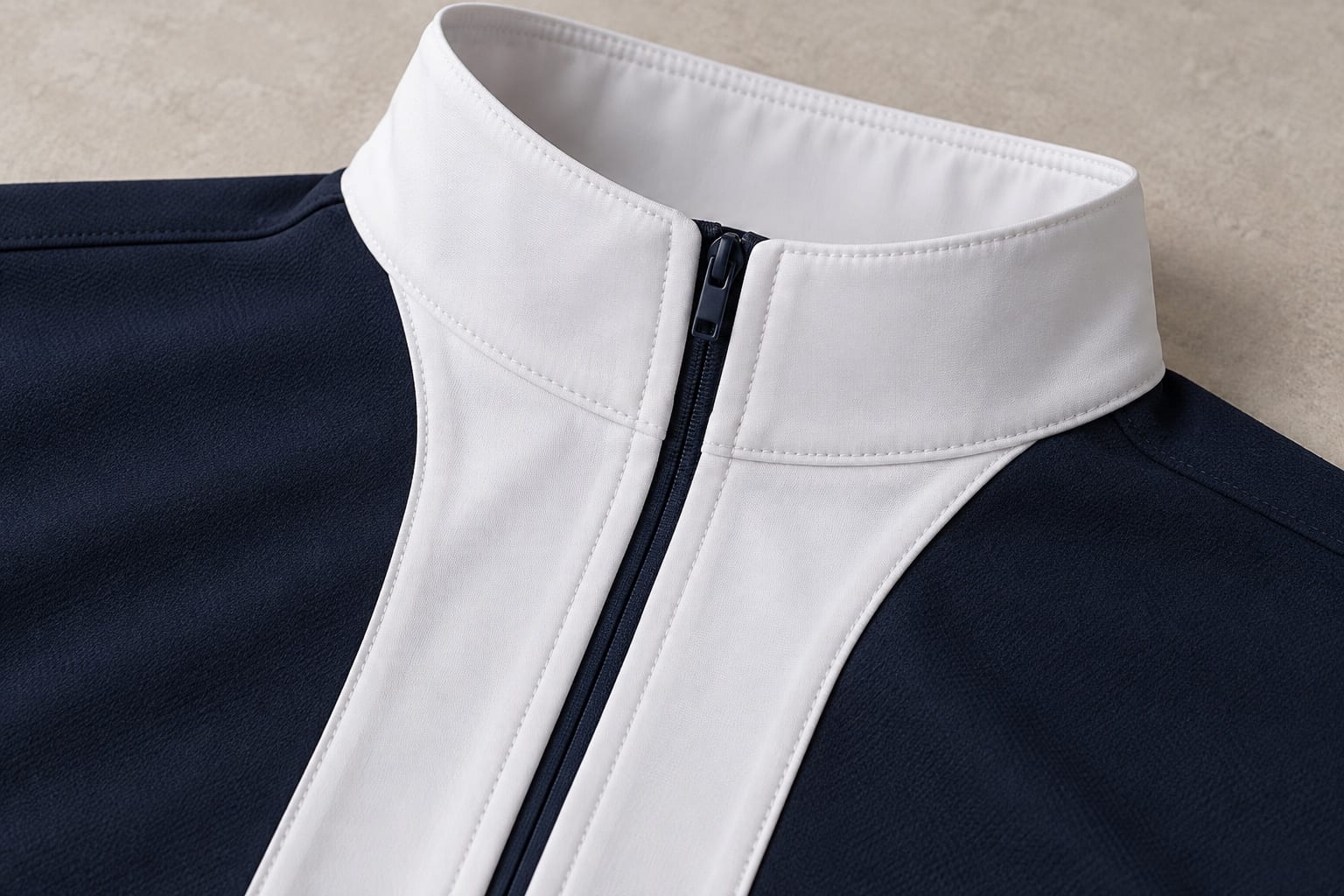 A CLOSER LOOK / DEVELOPMENT CONCEPT
IT’S IN
THE DETAILS.
Stable white bib
Shape and support the bib so it lies flat beneath the jacket without a stiff lower edge or visible bubbling.
Competition collar
Specify stand height, closure and stock or tie relationship against current rules and the buyer’s reference jacket.
Low-bulk cuffs
Keep cuffs smooth inside jacket sleeves and gloves while maintaining the approved white visual and easy closure.
Protected placket
Conceal functional closures cleanly, checking snaps, magnets or zips for care, security and destination-specific product considerations.
FROM THE BRIEF.
INTO THE WORKROOM.
Competition details need a precise brief: collar shape, front opening and a clean finish under the rider’s jacket.
Explore our factory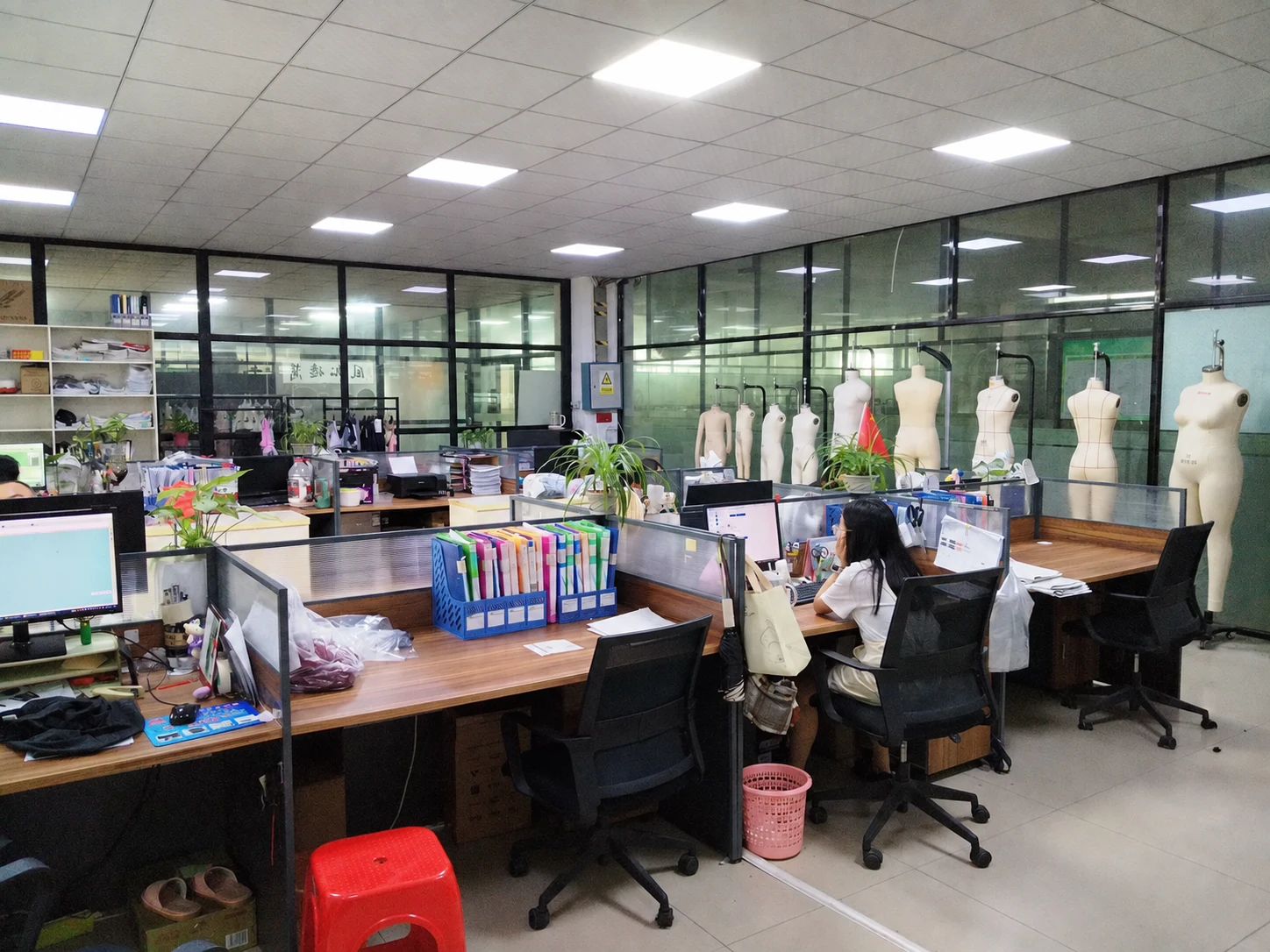
Stable white bib
Shape and support the bib so it lies flat beneath the jacket without a stiff lower edge or visible bubbling.
Carry this into approval Factory views show our working environment. Your garment follows its agreed specification and sample.GET THE
RIGHT FIT.
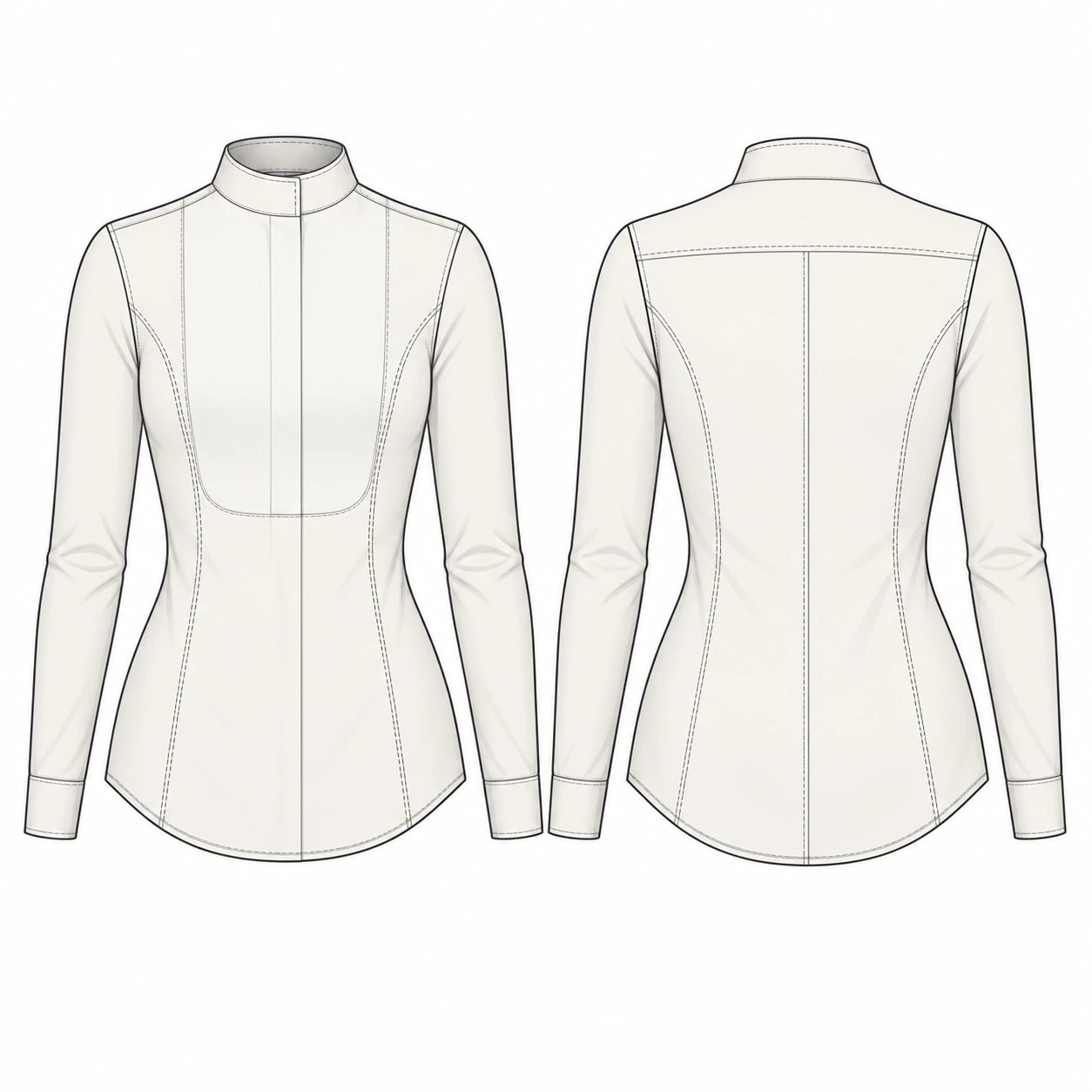
- AChest
- BShoulder span
- CSleeve length
- DBody length
A size label is only the beginning. Agree the measurement method, review the garment in use and keep the approved fit record with your specification.
Your fit-session checklist
Record the size worn, body measurements, intended underlayers and every proposed correction with the dated sample.
Note the size worn, body measurements, intended underlayers and each proposed correction. Recheck the affected measurement after a revision; confirm the size breakdown for each style and colour before bulk.
MAKE IT
RECOGNISABLY YOURS.
Use the product’s construction to guide decoration and finishing. Ask for placement, colour and material approval on the relevant sample.
Small details.
One identity.
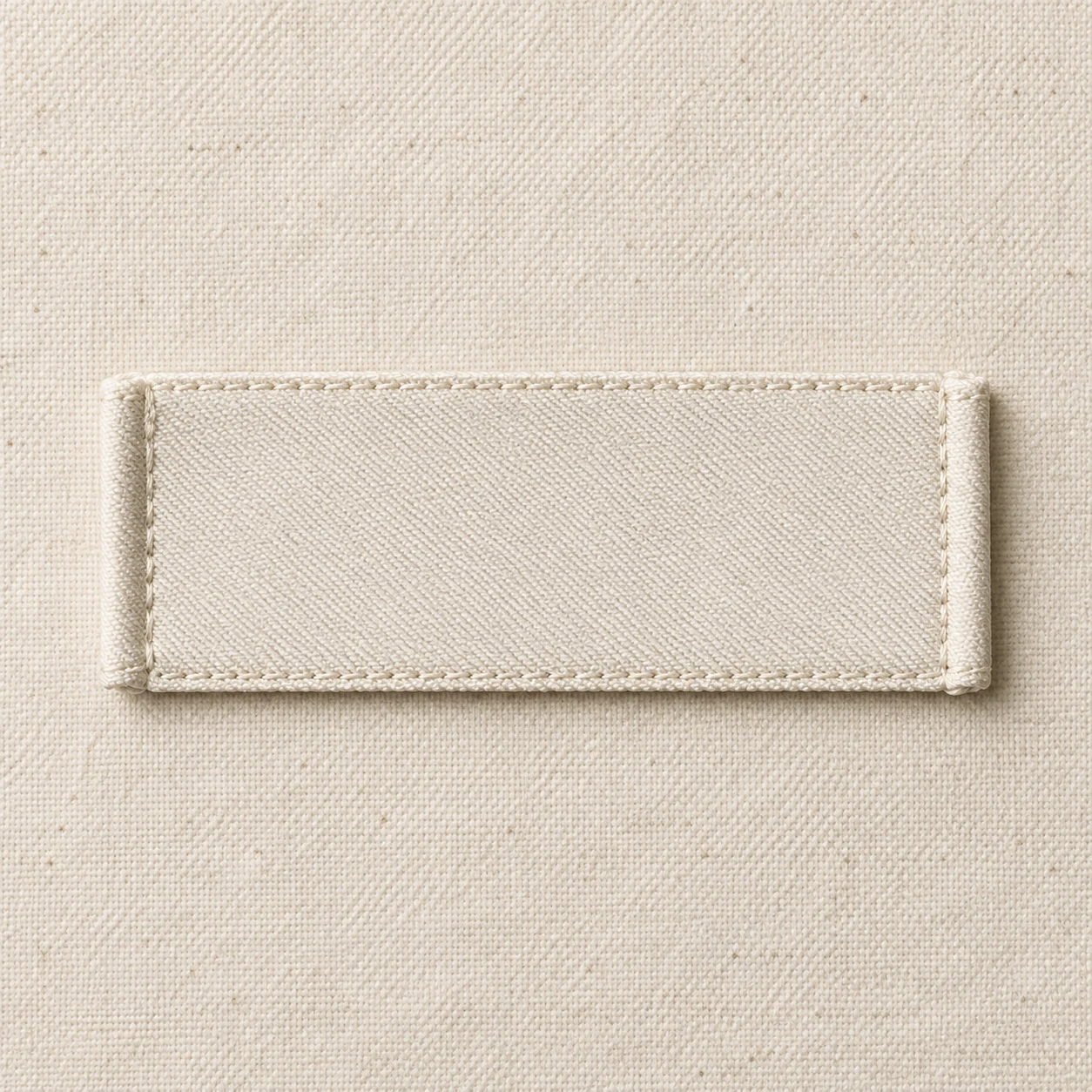
Folded edges · fine weave
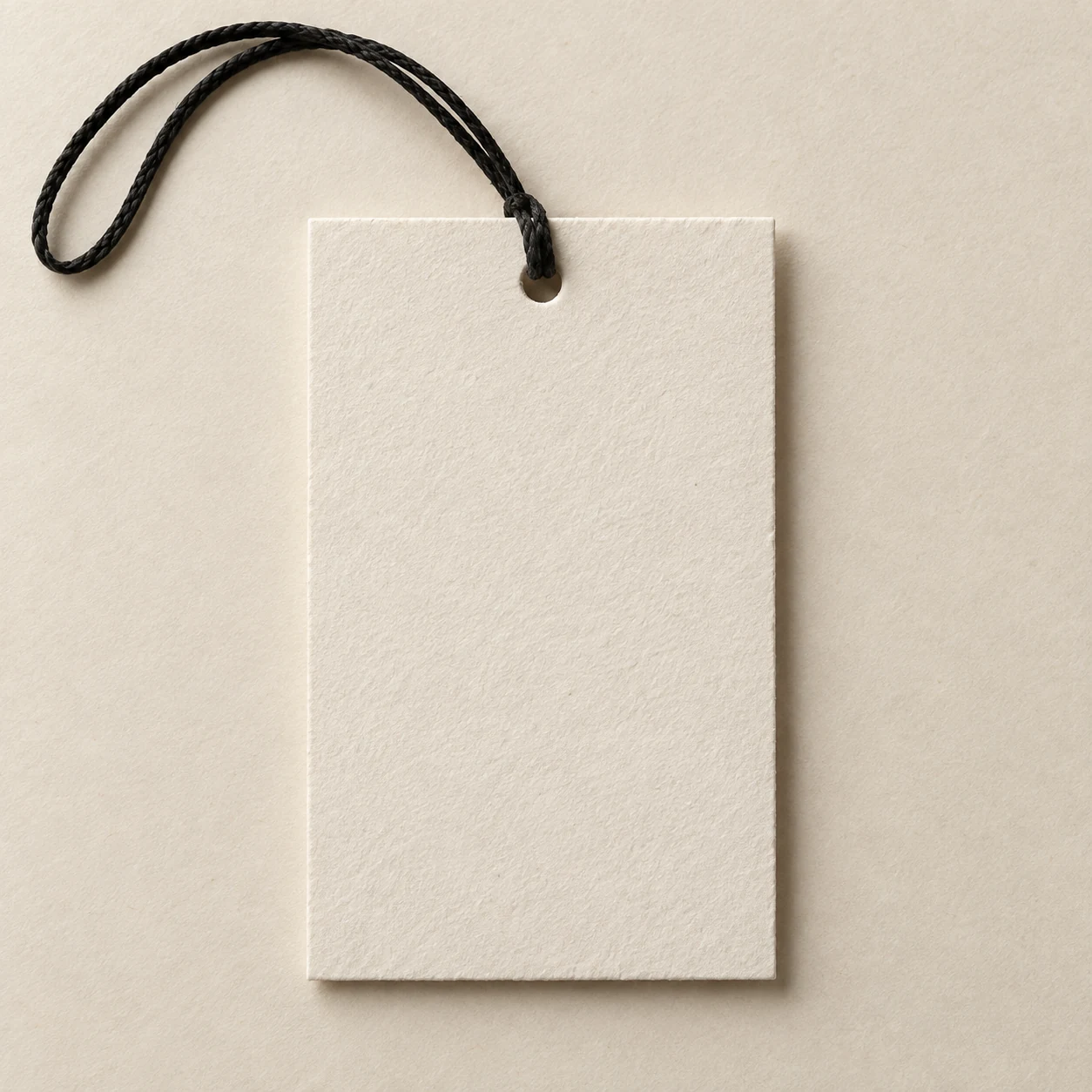
Textured stock · cord attachment
Raised edge · stitched placement
Material mockups with a live wordmark study. Print, weave, colour matching and placement are confirmed on your physical sample.
Bib shape
Define shoulder width, depth, curve and visibility map from the reference jacket; grade the shape rather than scaling artwork alone.
Collar system
Choose stand, wrap or stock-compatible construction after rule review, documenting closure order and the accessories used in sample fitting.
Subtle branding
Position logo size and method against current competition rules and jacket visibility, avoiding raised or abrasive applications at collar contact.
Body contrast
Select white, navy or another permitted base direction, then approve any visible transition when the jacket is open and closed.
APPROVE THE DETAIL.
THEN THE ORDER.
The first sample helps you make decisions. Define review conditions and acceptance criteria before you compare the result.
Review the white-bib long-sleeve show shirt sample
Sampling takes 7–10 working days from the agreed start. Record each decision against the dated sample before bulk approval.
Rider, material direction, measurements and artwork.
DEFINE THE STARTTurn the agreed direction into a garment to review.
7–10 WORKING DAYSReview fit, finish and changes. Confirm the final specification.
REVISE IF NEEDEDProceed with agreed quantities, colours, labels and packing.
30–45 WORKING DAYSA shared development direction
Bring reference garments, your rider profile, target colours and any artwork. We turn these into the measurements, materials and construction questions that the sample needs to resolve.
Sample feedback can return to development. Revisions and transit are planned separately; timing begins from the agreed specification and start date.

KEEP THE APPROVAL.
WITH THE ORDER.
One agreed reference for the workroom: the dated sample, its specification and your confirmed order breakdown.
Sample decisions
- Jacket pairing
Fit with the exact or dimensionally equivalent show jacket, photographing closed and open views while seated and reaching forward.
- White show-through
Inspect bib, collar, cuffs, interfacing and labels over contrasting underlayers in daylight, flash photography and bright indoor light.
- Neck system
Wear with specified stock or tie if applicable, checking pressure, closure security, heat, chin contact and smooth jacket overlap.
Style, colour & size allocation
Confirm each style and colour separately, with the size allocation attached. The minimum is 100 pieces per style, per colour.
Labels, packing & timing
Agree label artwork, packing instructions and the production start. Bulk production takes 30–45 working days from the confirmed start; revisions and transit are planned separately.
A CLEARER BRIEF.
A MORE USEFUL QUOTE.
Price follows an agreed product, quantity and delivery scope. Use these inputs to compare proposals on the same basis.
Contrast bib construction
Separate fabric, interfacing, curved joins and precise alignment add materials and operations.
Collar and placket
Structured layers, concealed closures and stock-compatible details increase components and sewing complexity.
White material control
Opacity, coordinated interlinings and shade approval can require alternate fabric or extra sampling.
Ventilation panels
Mesh adds another material minimum, pattern pieces, seams and colour or transparency checks.
Bring these six things
Planning baseline: 100 pieces minimum per style, per colour. Sampling takes 7–10 working days; bulk production takes 30–45 working days from the agreed start.
100 pieces minimum per style, per colour. State each colour quantity separately; confirm your proposed size allocation.
GOOD QUESTIONS.
BETTER DECISIONS.
Product-specific sourcing questions to resolve before sampling.
No. Dress requirements vary by discipline, federation, rider category and event level, and rules can change. Name the intended use, consult the current official rule source and approve collar, sleeves, colour and logos for that market.
The jacket defines which bib, collar and placket areas are visible and where layers overlap. Without it, a bib can end inside the opening or create bulky ridges that only appear in riding posture.
Inspect the assembled bib over realistic underlayers under varied lighting, then launder by the proposed care route. Review opacity, colour cast, seam and interfacing show-through, shrinkage, bubbling and closure marks against the approved sample.