01 / Shape the range
Start with the rider, season and selling channel. Choose the role of each garment, then calculate quantities per style and colour. A narrow range with a clear purpose is easier to brief than a list of unrelated references.
 REINFORM.
Equestrian apparel sourcing guides for brands and product teams: compare manufacturers and fabrics, review fit and closure evidence, approve care labels and plan quantities before production.
THE REINFORM FIELDNOTES
Learn how to choose a clothing manufacturer for private label show shirts: compare matched quotes, jacket-fit samples and evidence before bulk approval.
02 / Riding tights supplier questions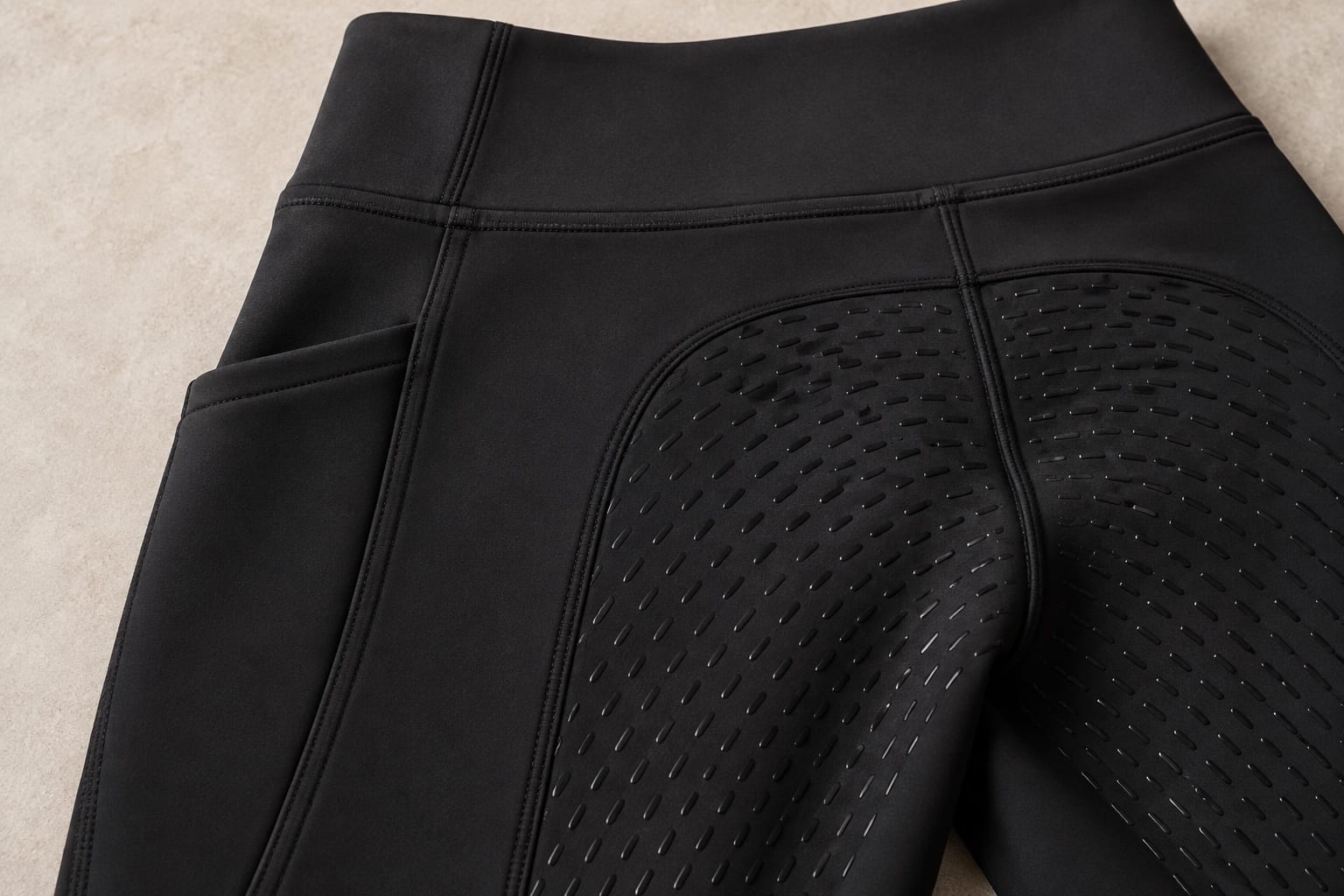
Questions to ask a clothing manufacturer before ordering private label riding tights: knit references, mesh, loaded pockets, grip, MOQ and sample approval.
03 / Fabric testing & approval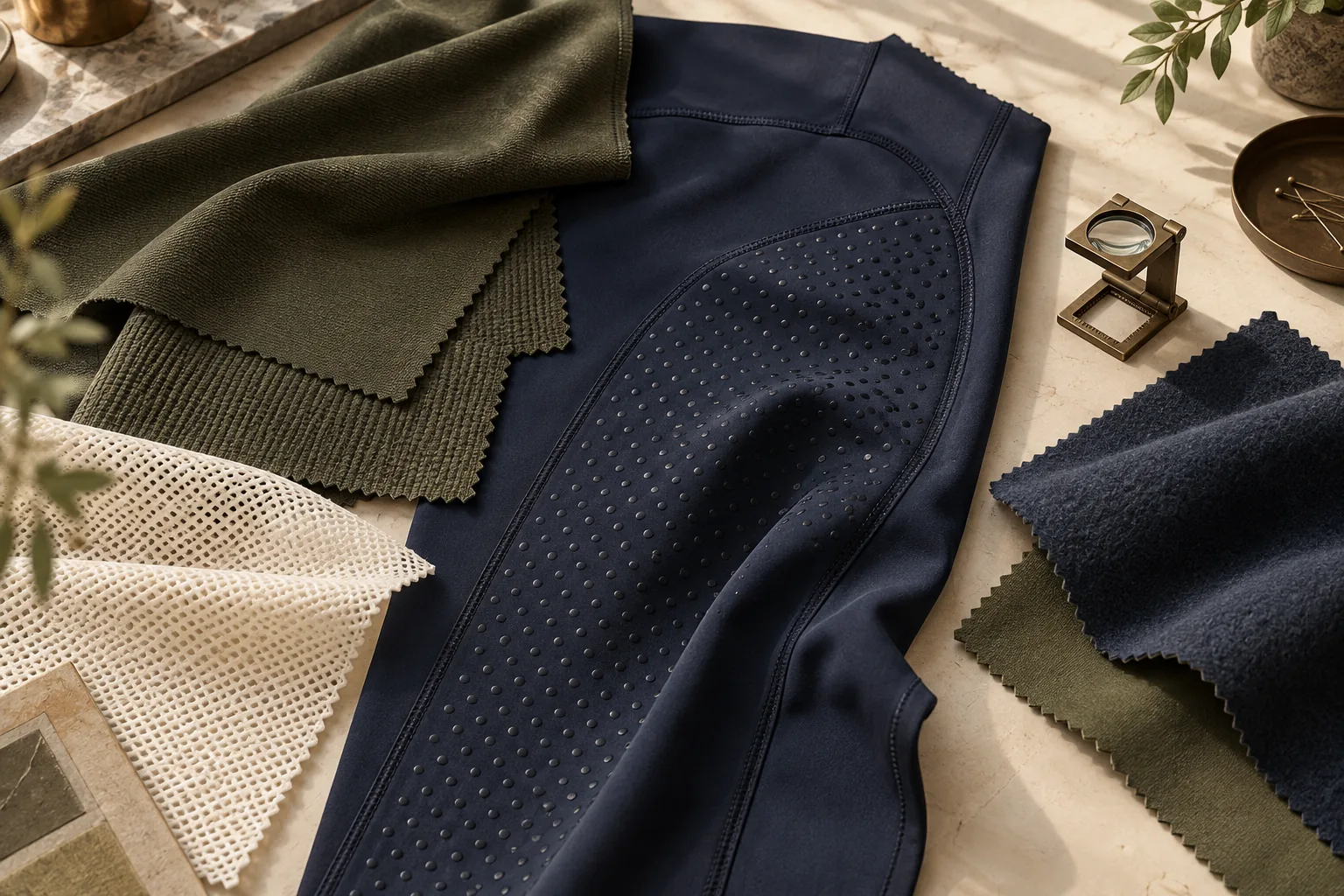
Specify equestrian apparel fabric testing before bulk production: choose methods, set acceptance criteria and turn lab reports into release decisions.
04 / Fit, grading and size-set approval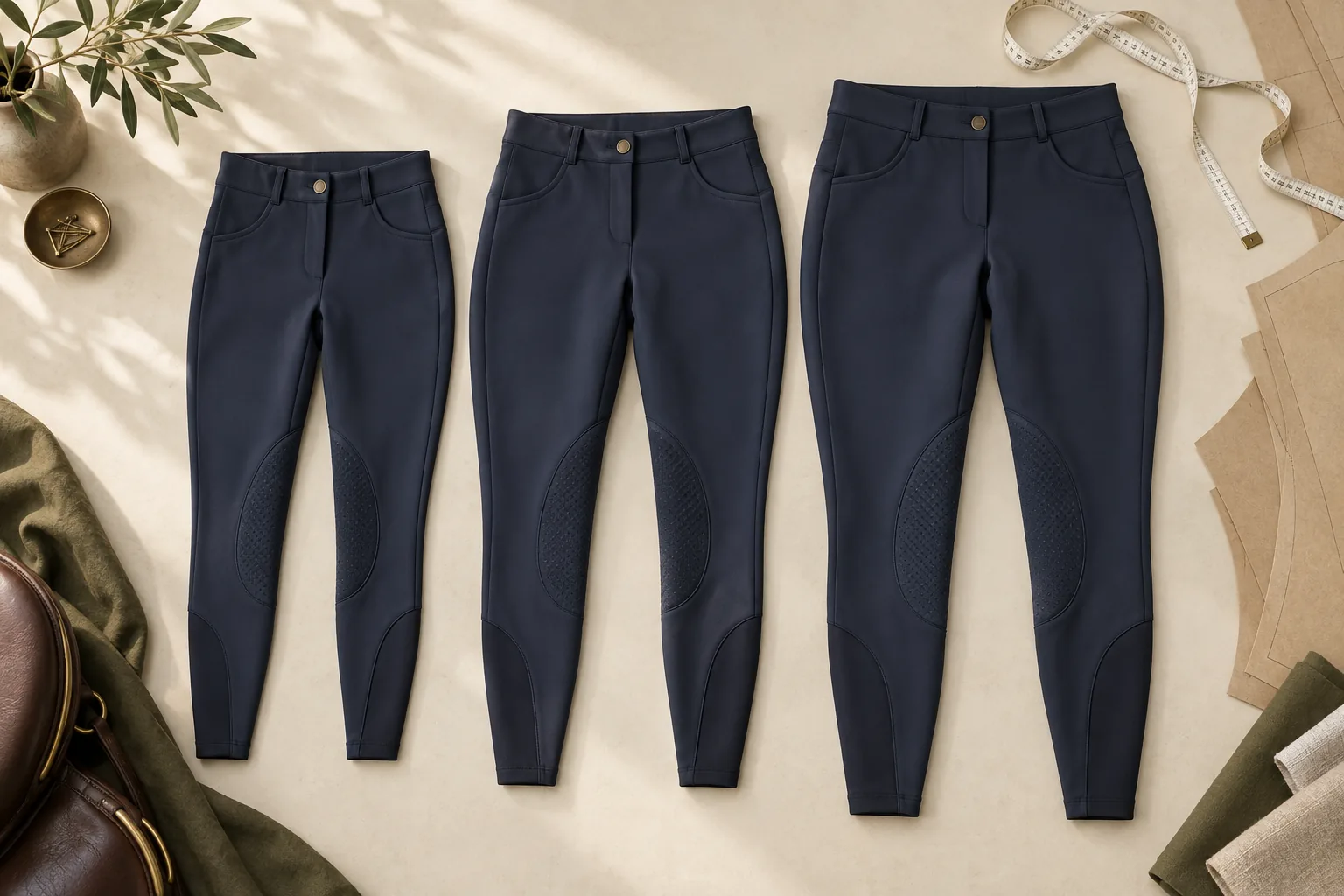
Approve a private label breeches size set using body data, garment POMs, grade rules, tolerances, mounted fit checks and a controlled worksheet.
05 / MOQ & collection planning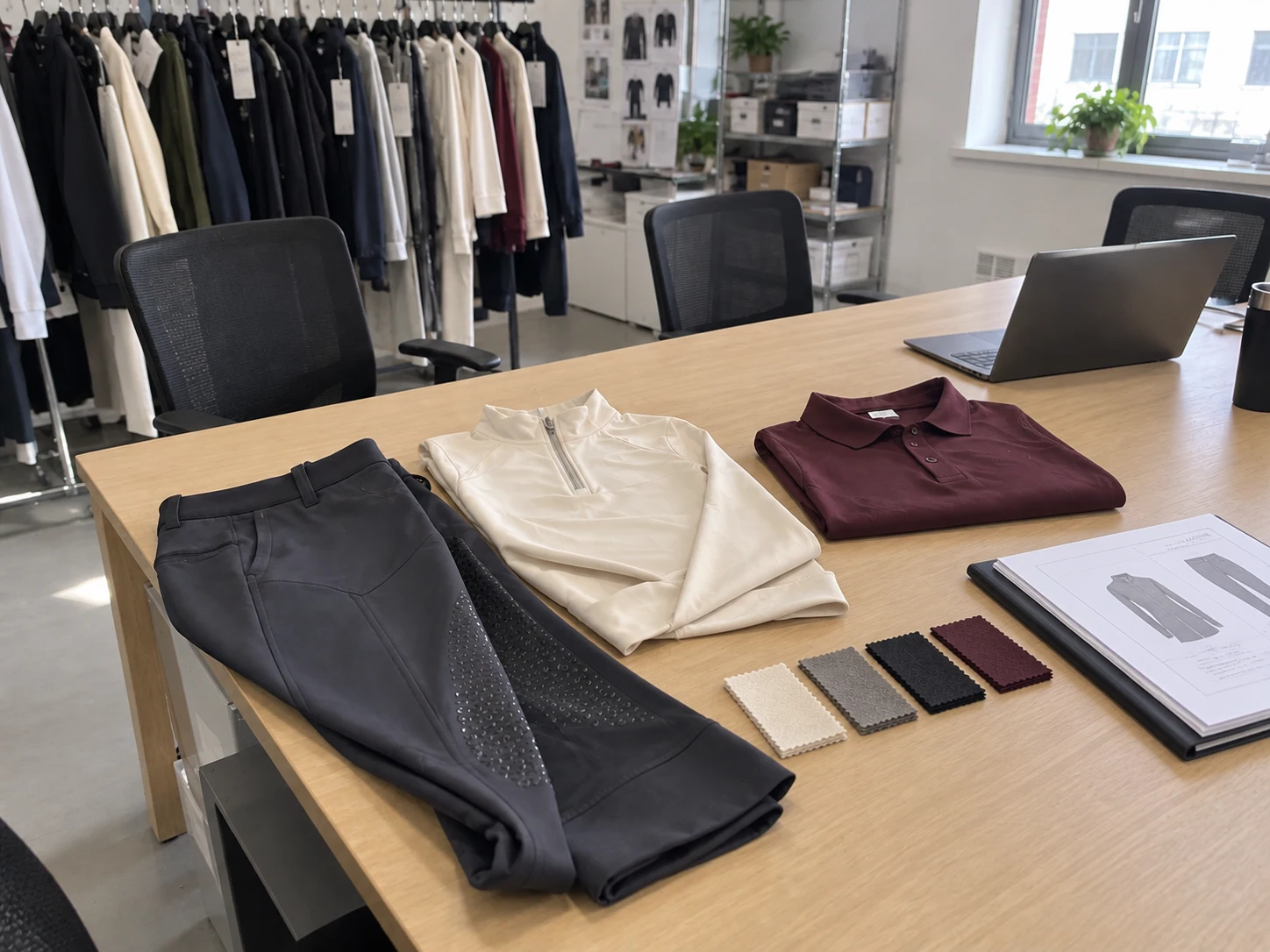
Plan your private label equestrian apparel MOQ: 300 pieces per style per colour. Calculate bulk quantities, size allocations and a focused first collection.
06 / Product development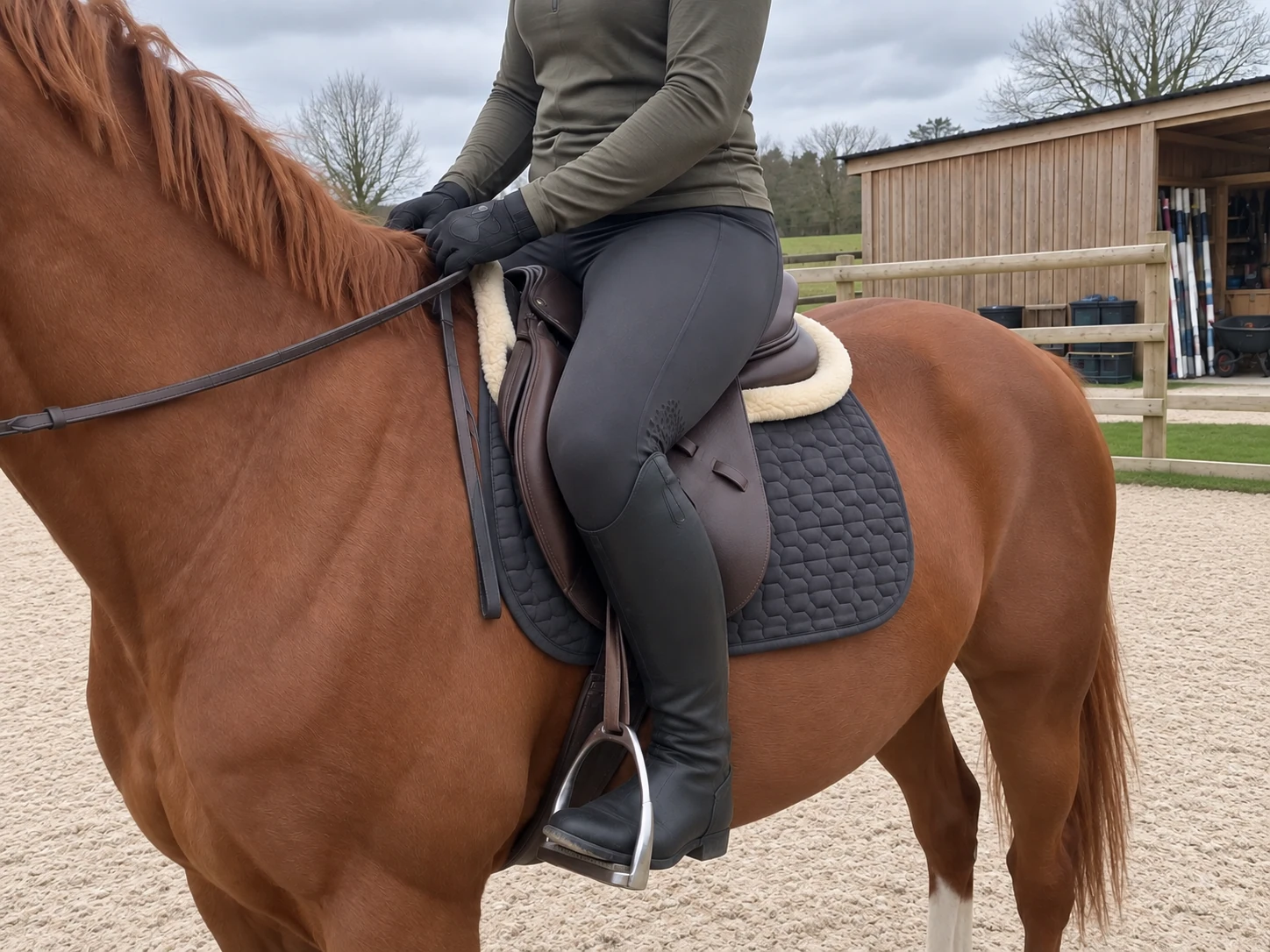
Compare breeches and riding tights for private label sourcing: woven versus knit fabrics, grip development, sample checks and product positioning for your brand.
07 / Sampling & sourcing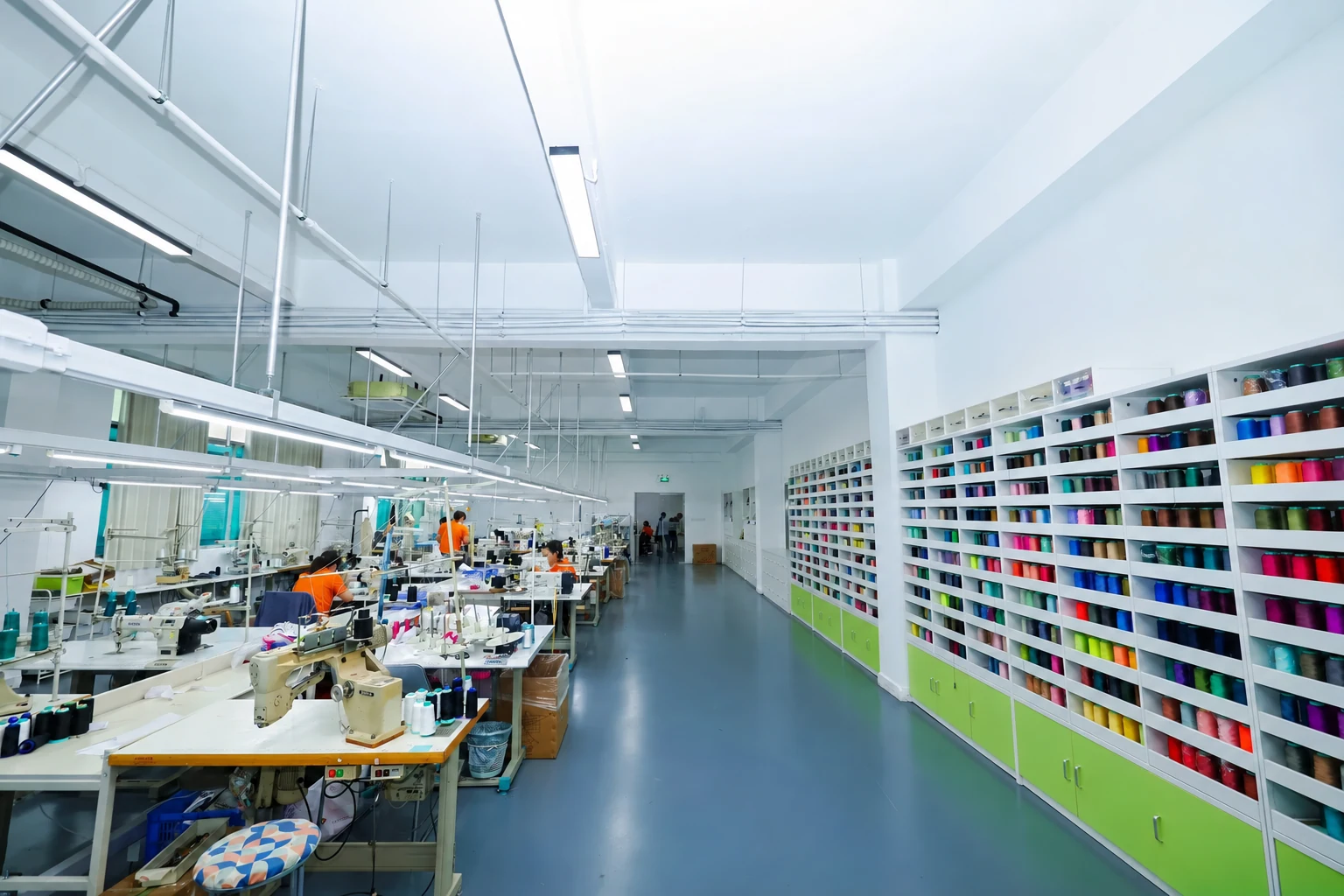
Prepare an equestrian apparel sampling checklist for OEM production: tech packs, fit, fabrics, grip, trims and a dated approval record before bulk manufacturing.
08 / Chemical testing brief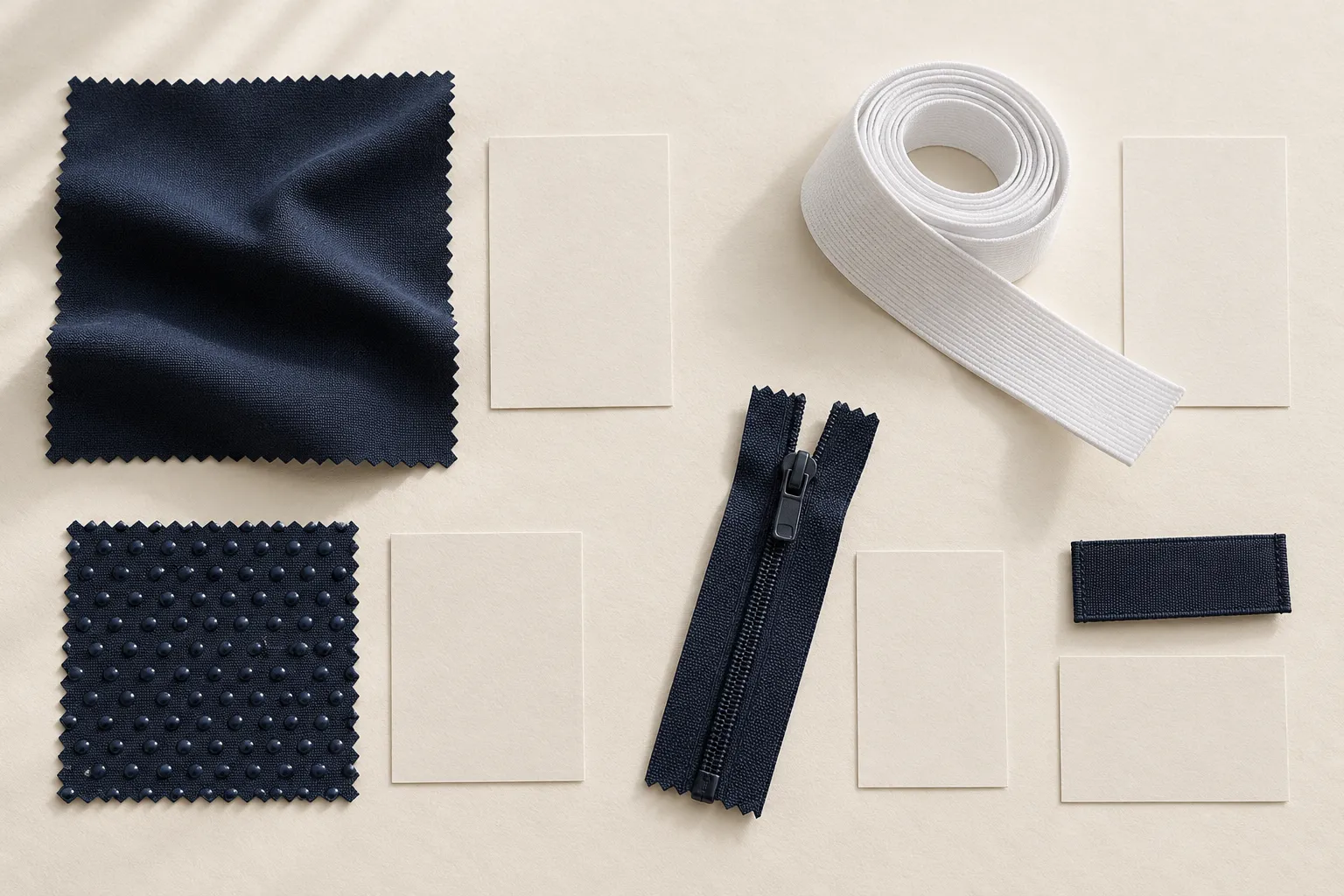
Build an RSL testing brief for equestrian apparel: map components, agree laboratory scope and review reports before approving materials for bulk orders.
09 / Material traceability
Check a GRS transaction certificate against apparel order and shipment records. Use a buyer checklist for authentication, discrepancies and claim approval.
10 / Production quality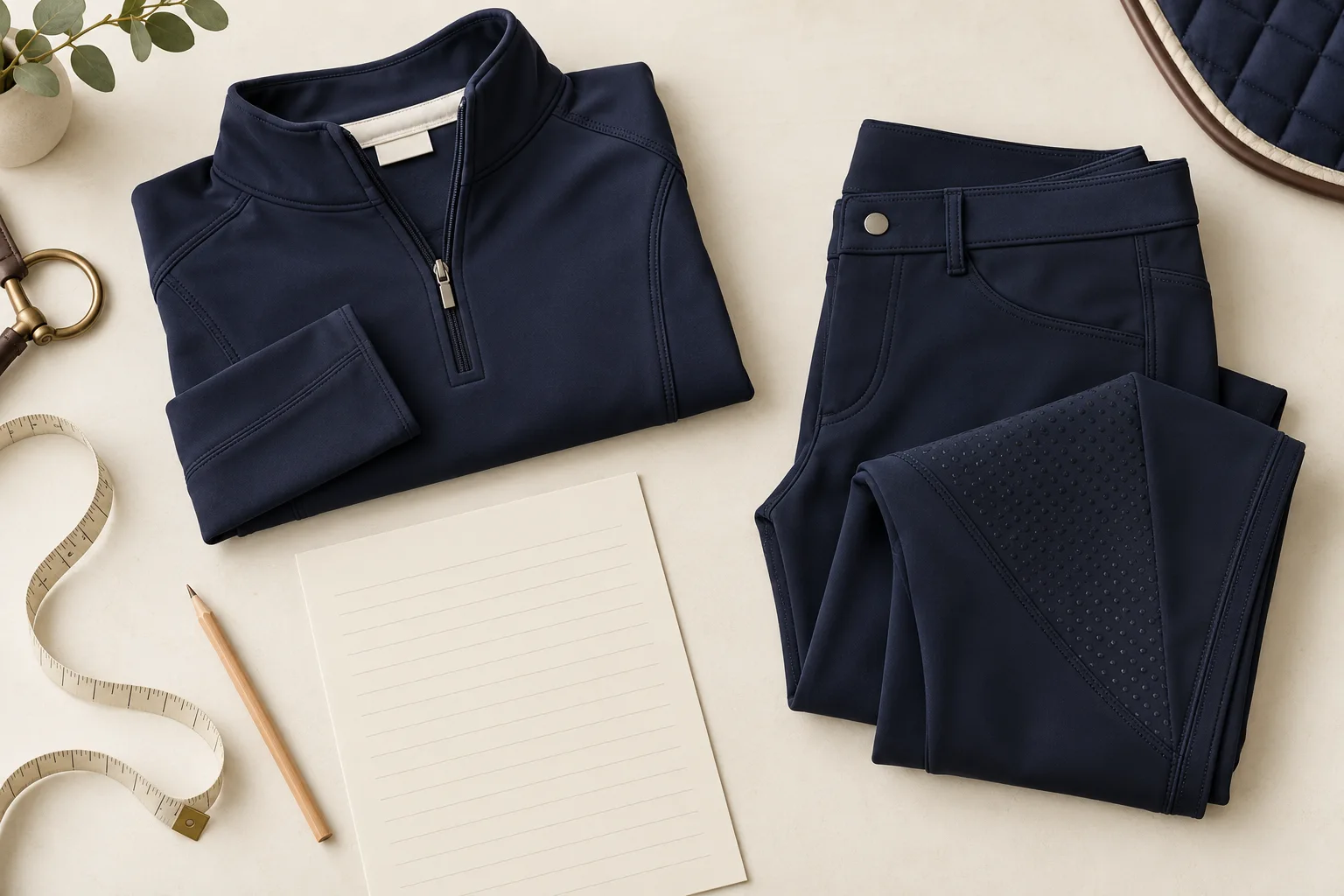
Prepare an AQL inspection brief for riding apparel: define the lot, agree defect classes and sampling rules, then assign correction and release decisions.
11 / Colour development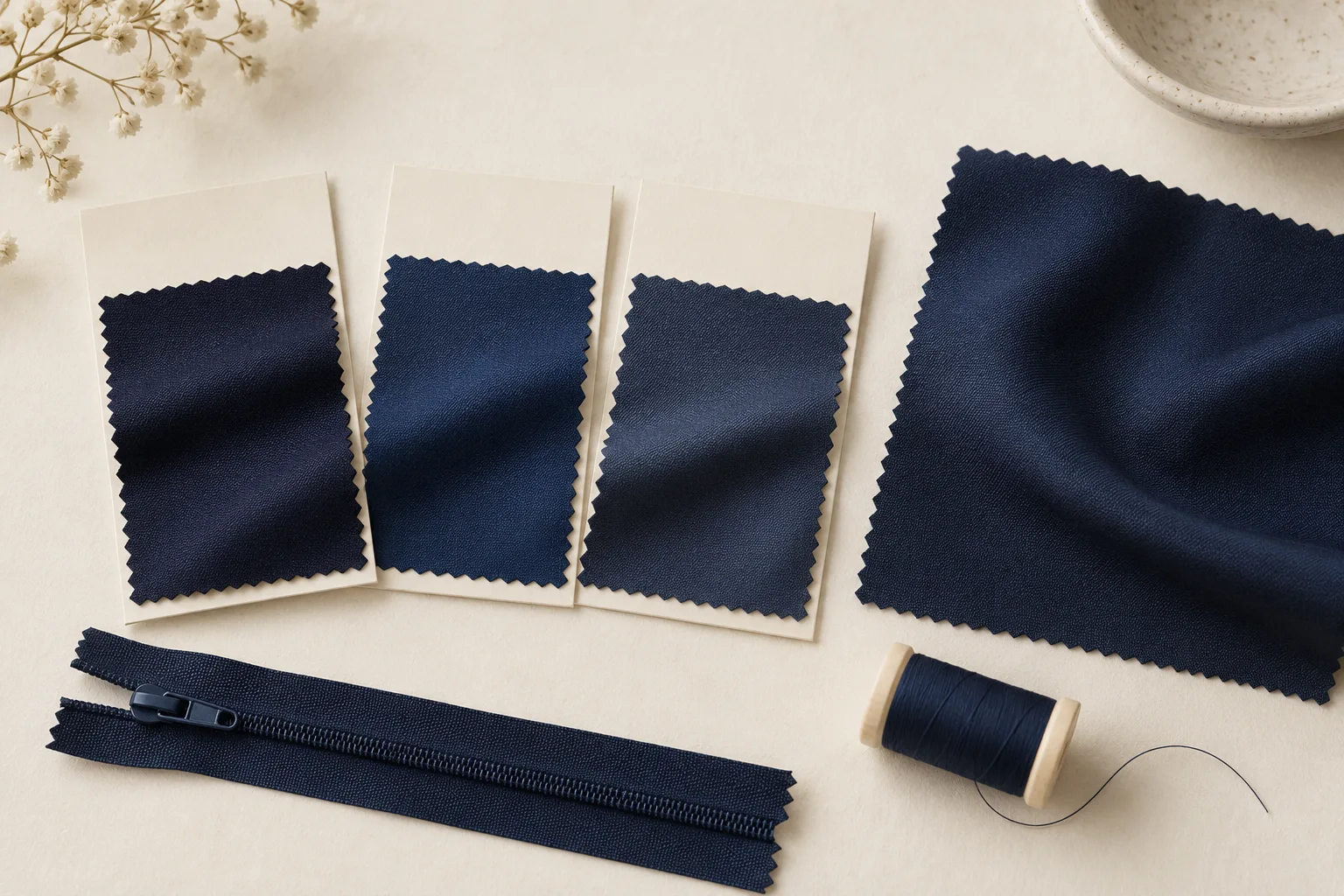
Plan lab dip approval for equestrian apparel: agree colour standards, review conditions, record revisions and check bulk fabric and matching components.
12 / Trims & garment development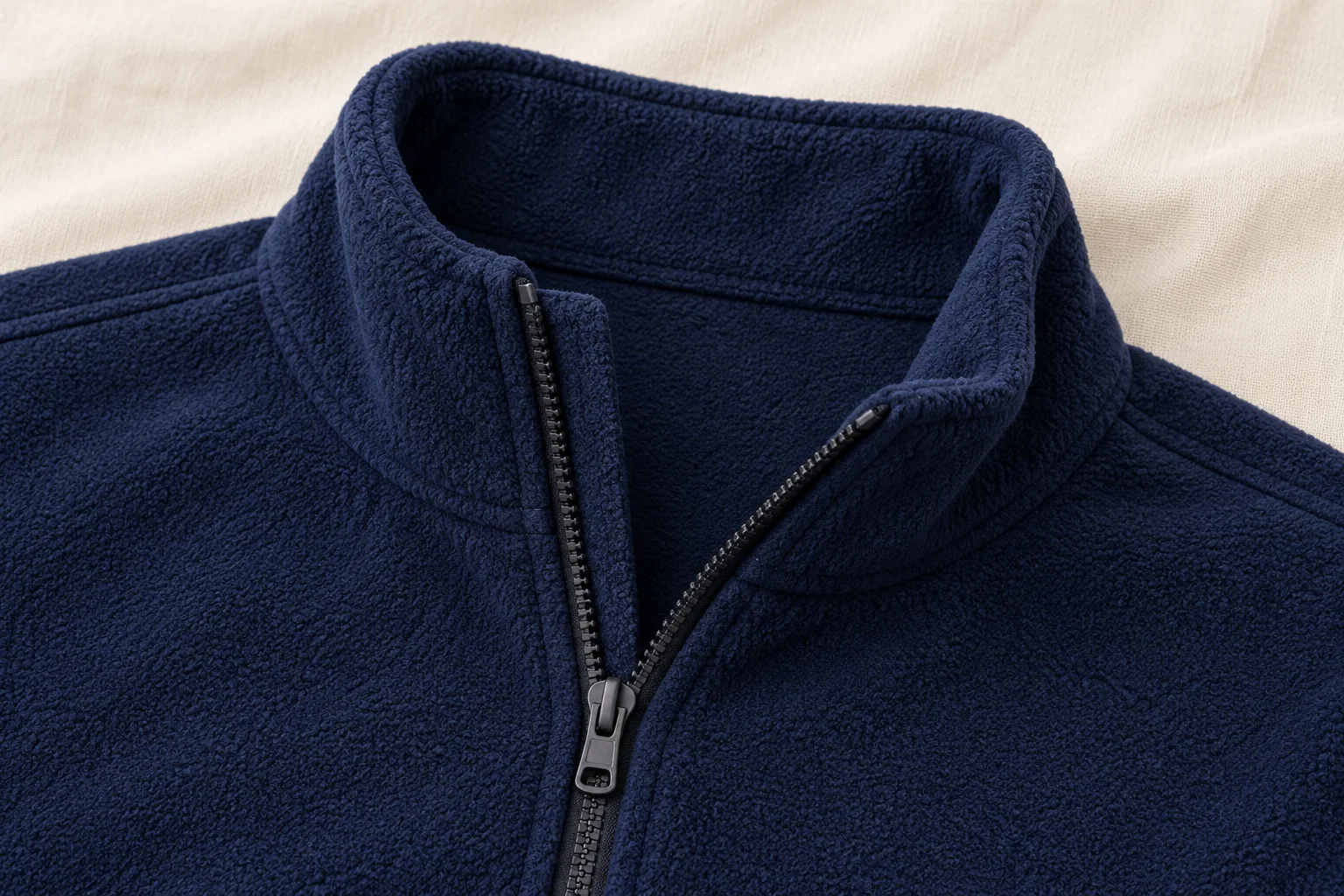
Plan zipper testing for riding apparel: review component evidence, check the sewn closure, assess care effects and record approval before bulk.
13 / LABELS & PRODUCTION APPROVAL
Approve clothing care labels before bulk: separate US, UK and EU reviews, connect instructions to garment evidence, and control artwork and printed samples.
14 / Sewn construction evidence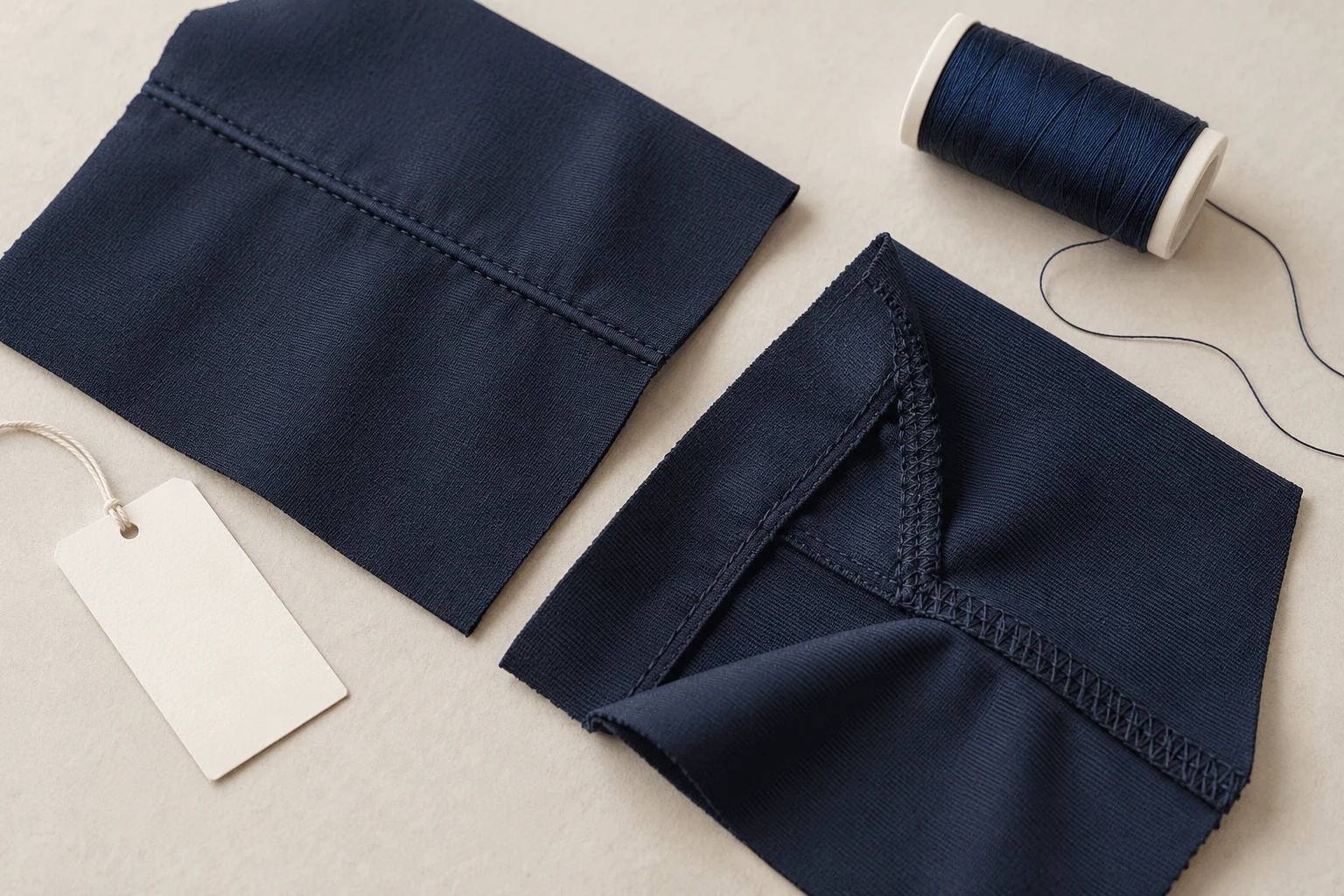
Brief a seam strength test for an equestrian garment: identify the sewn assembly, confirm the method with the laboratory and interpret the reported failure.
15 / Packing and shipment reconciliation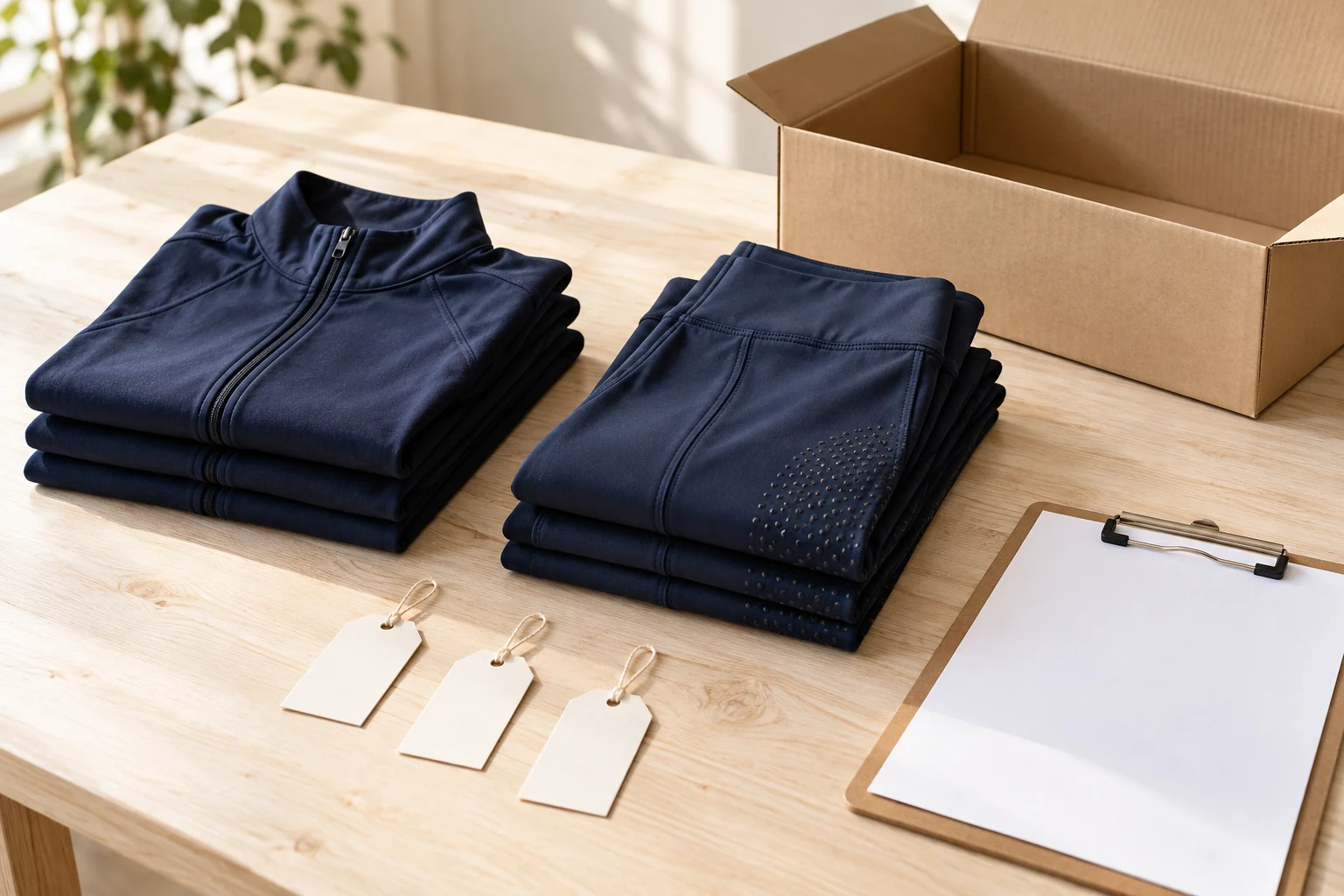
Build a garment packing list that connects the approved purchase order and SKU size-colour quantities to carton contents, split shipments and final dispatch records.
16 / Early bulk production decisions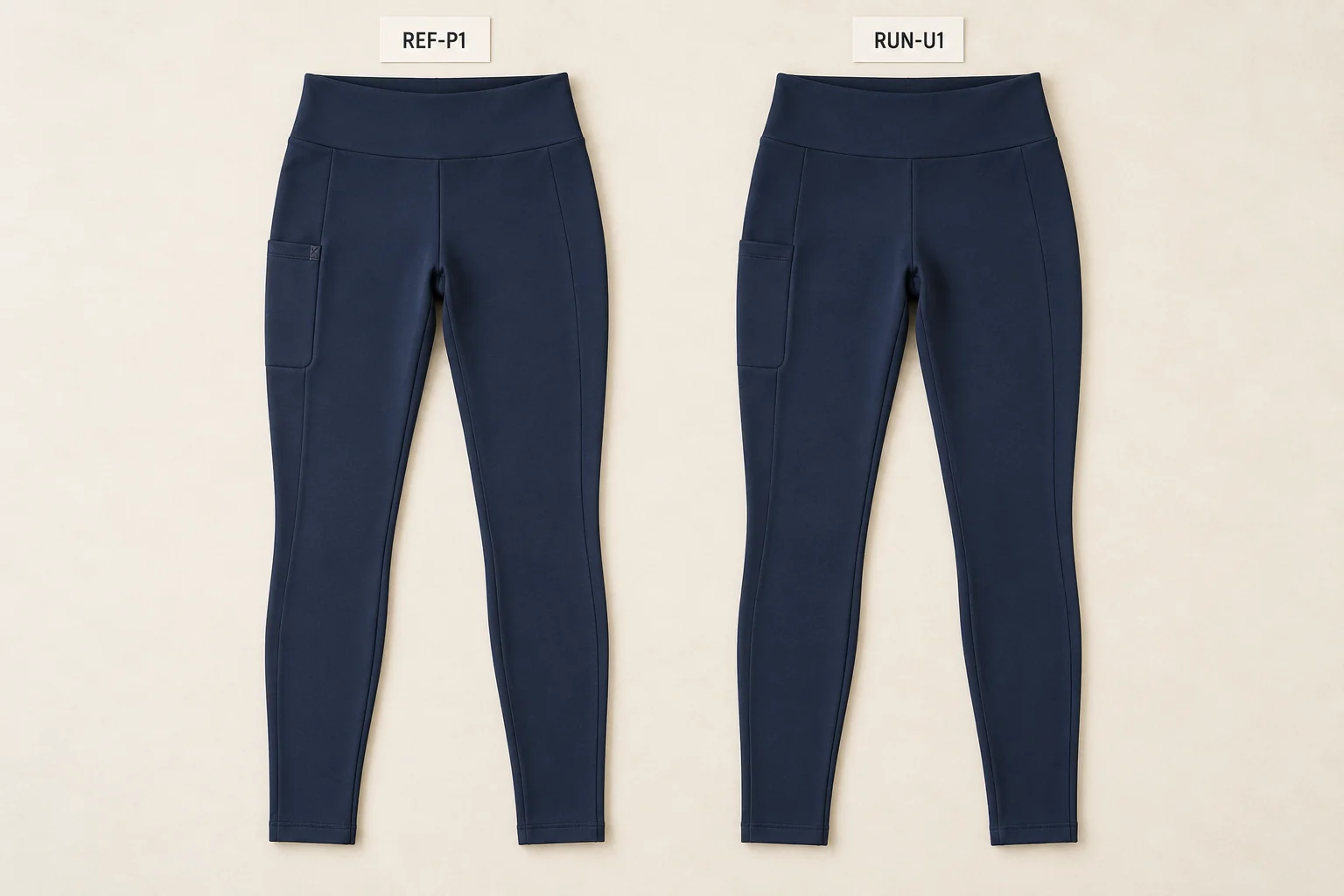
Use a top of production sample to compare early bulk garments with the approved reference and control corrections, work in progress and the remaining order.
17 / Seam appearance & sample approval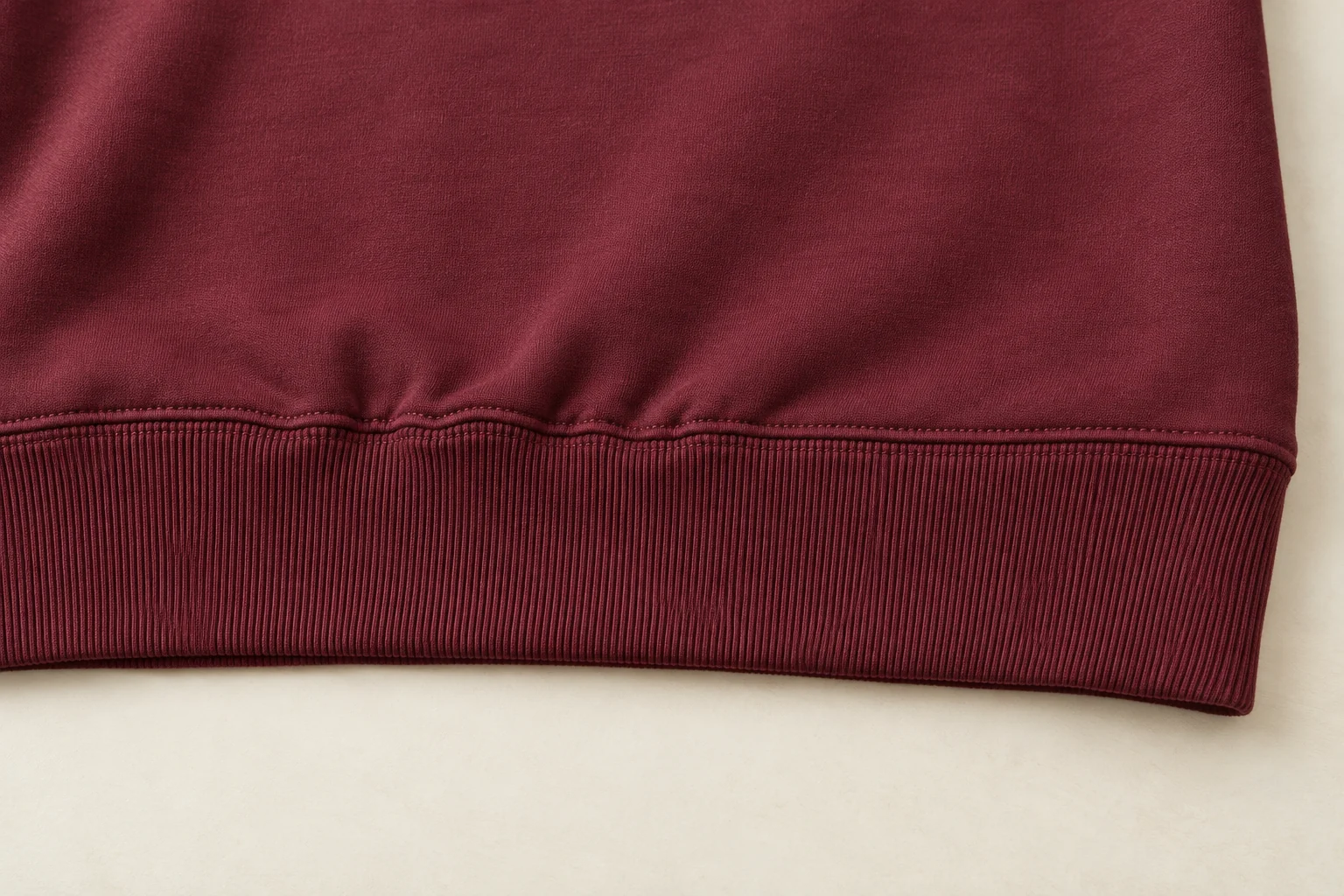
Review seam puckering on a named garment join: record the observation, supplier hypothesis and trial, then compare care states before approval.
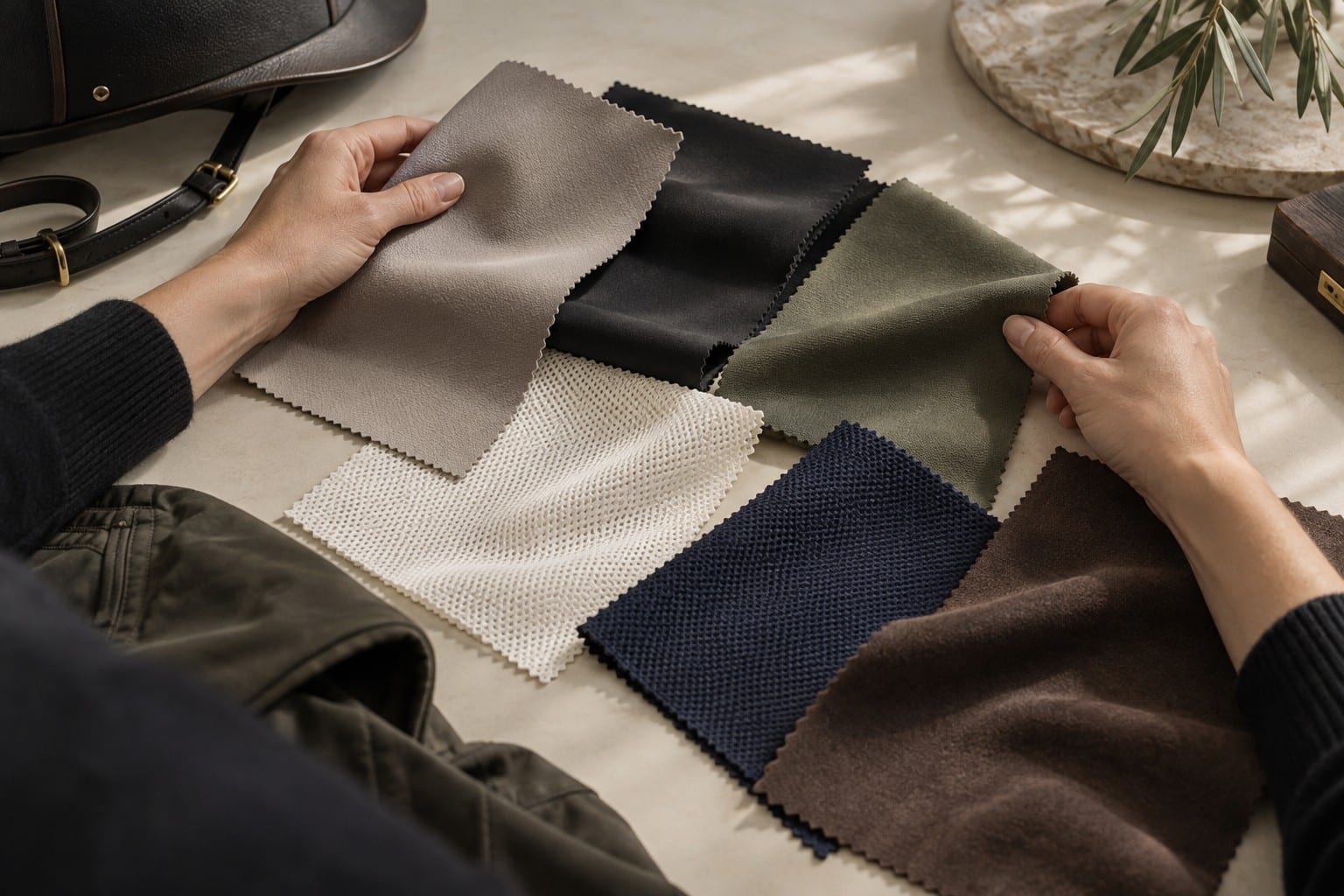
Start with the rider, season and selling channel. Choose the role of each garment, then calculate quantities per style and colour. A narrow range with a clear purpose is easier to brief than a list of unrelated references.
Use the category comparison to choose a product direction. Open its buying guide to compare materials, construction and fit priorities. Record the trade-offs that matter to your buyer.
Translate your priorities into checks before the sample arrives. Agree who will assess the fit, how feedback will be recorded and which decisions must close before production.
Take the next step with a product-specific
procurement guide.
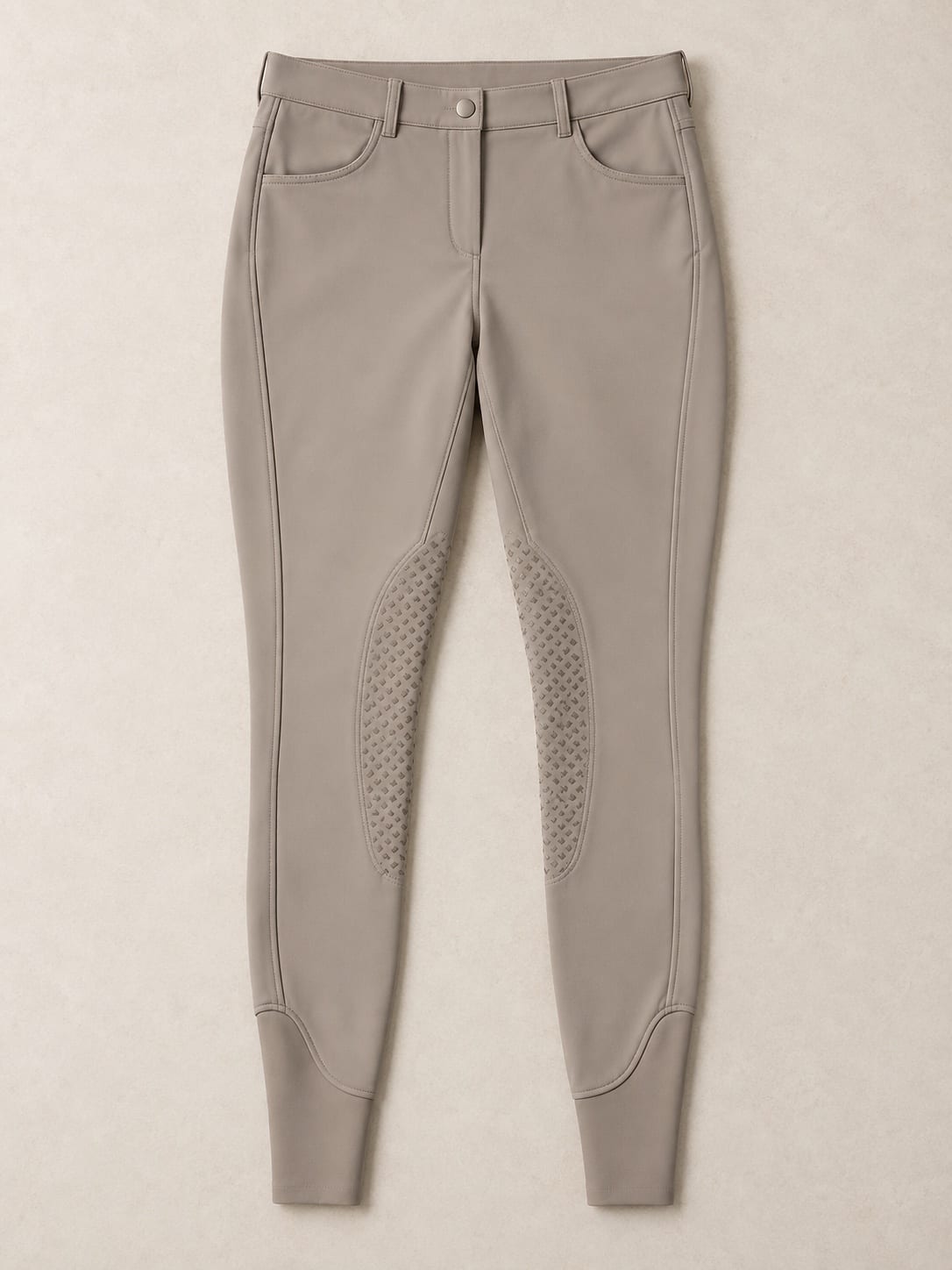
Private label knee-grip riding breeches for brands. Specify knee patch position, leg articulation and boot fit before sampling and bulk production.
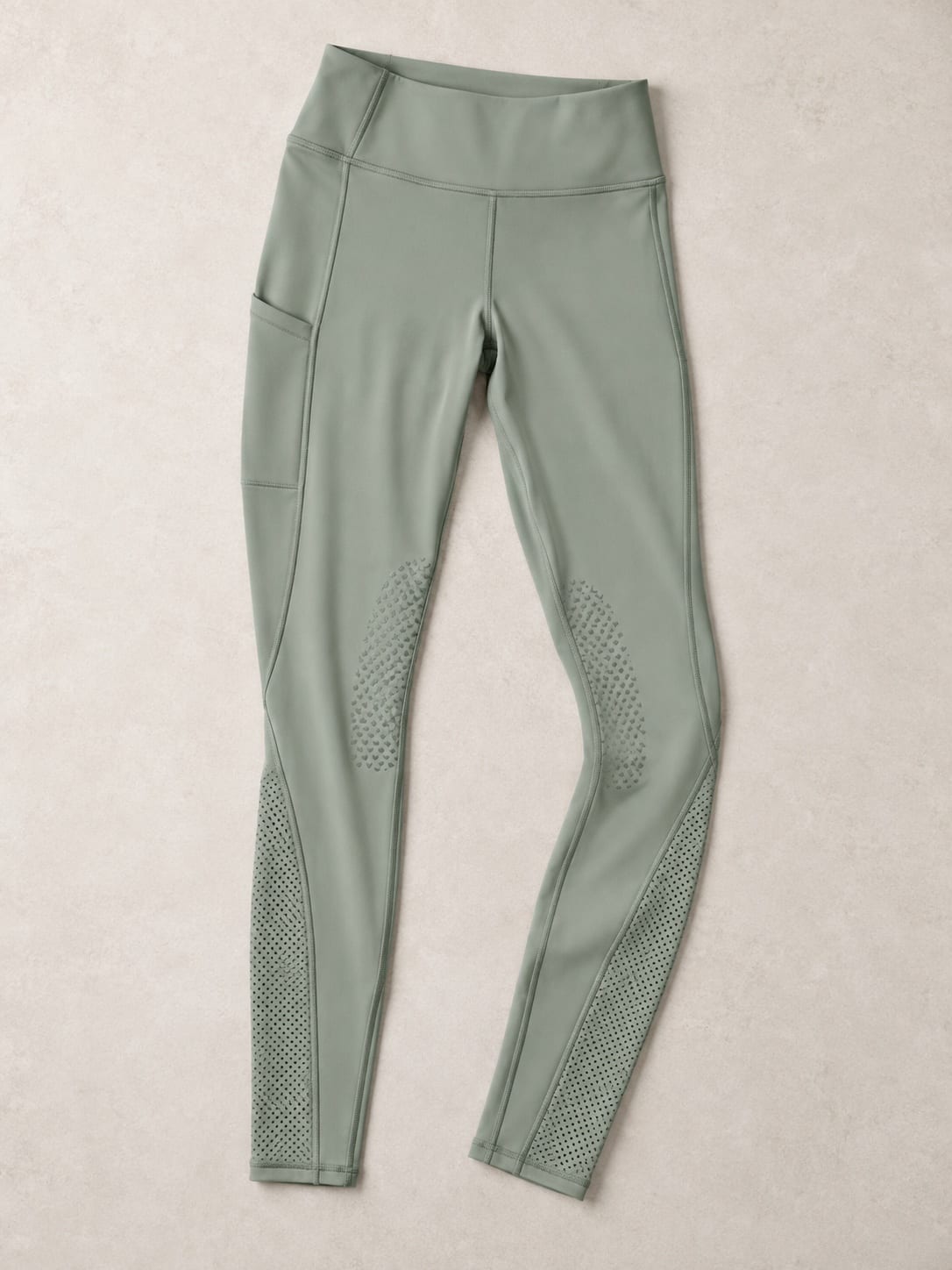
Read the buying guideSource private label mesh riding leggings from a factory: approve panel placement, knit coverage and loaded-pocket fit. MOQ 300 per style, per colour.
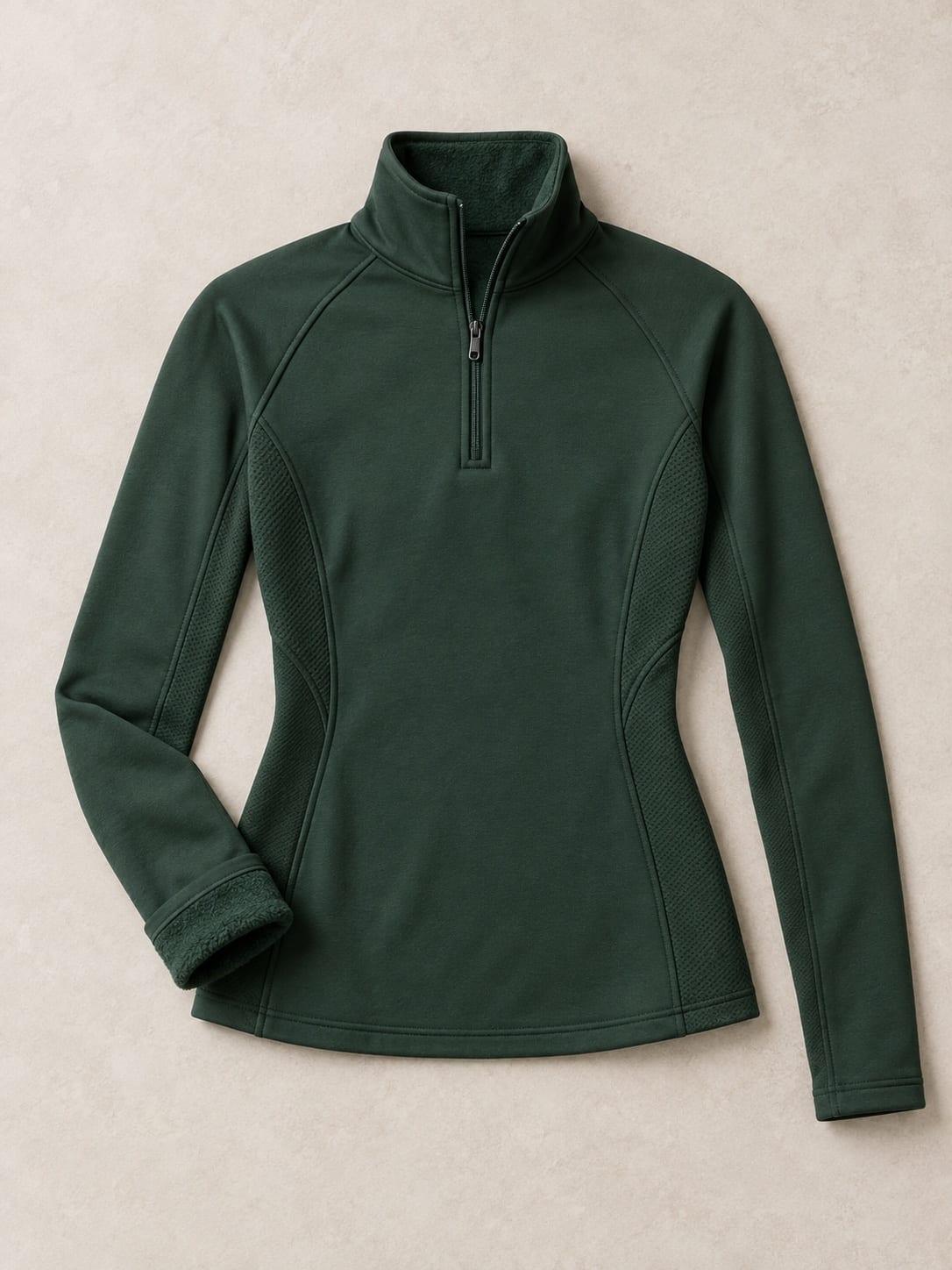
Read the buying guidePrivate label brushed winter riding base layers for brands. Specify brushed finish, sleeve fit and layering allowance before sampling and bulk production.
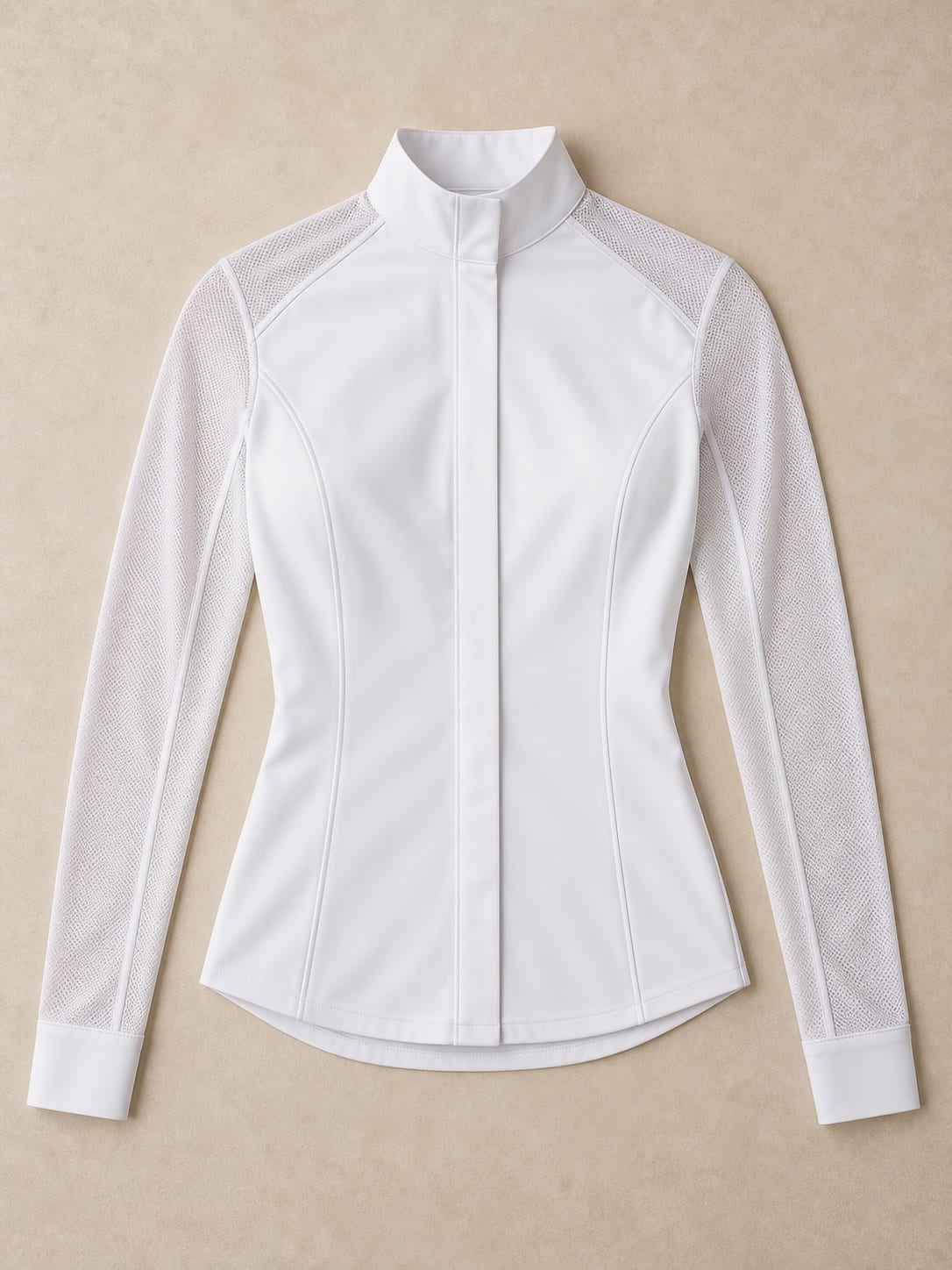
Read the buying guidePrivate label mesh-sleeve show shirts for brands. Specify mesh transparency, recovery and cuff transitions before sampling and bulk production.
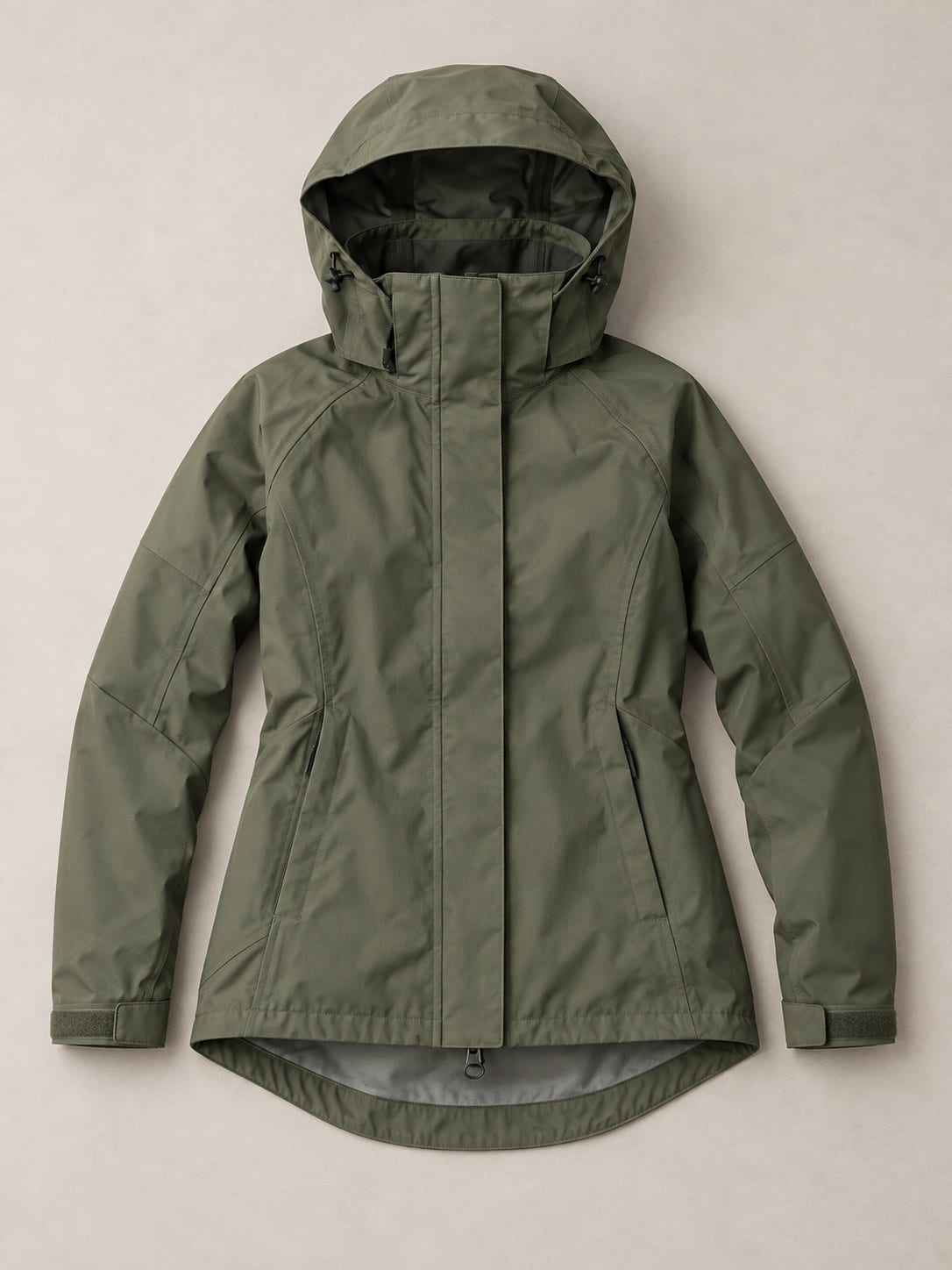
Read the buying guidePrivate label rain riding shells for brands. Specify seam construction, hood fit and weather-test requirements before sampling and bulk production.
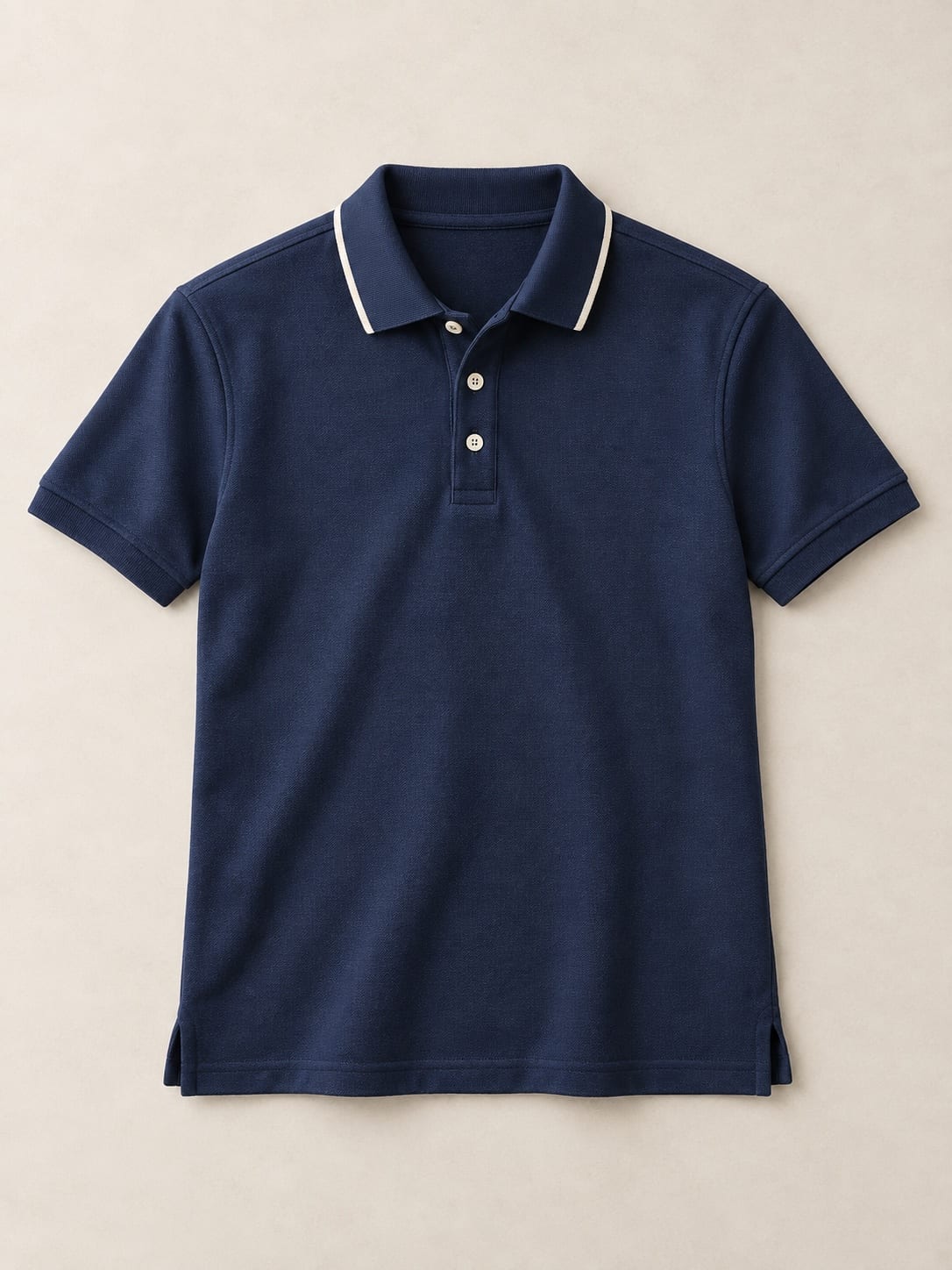
Read the buying guidePrivate label piqué equestrian club polos for brands. Specify embroidery, roster sizing and repeat-order colour before sampling and bulk production.
Read the buying guide