 REINFORM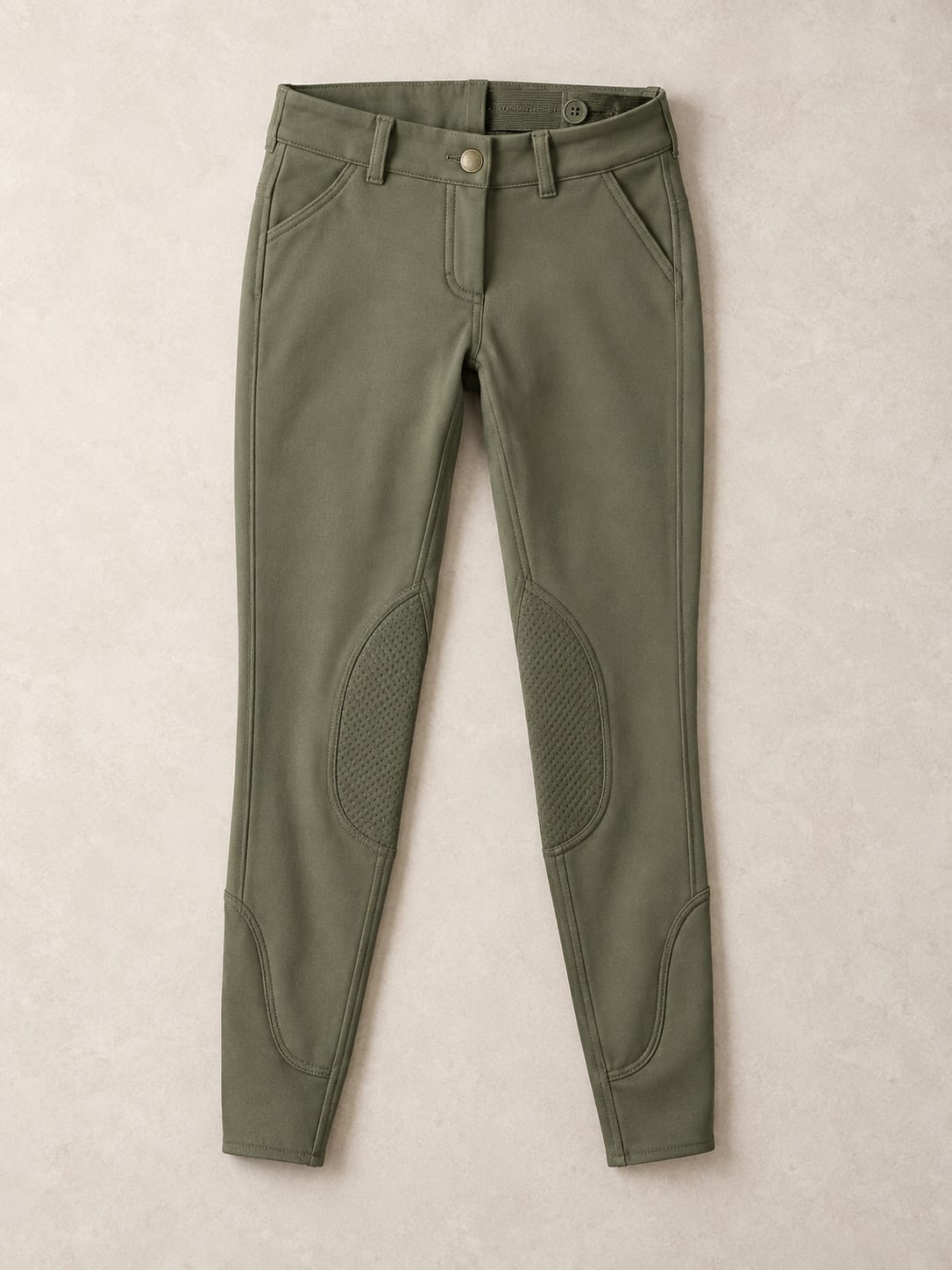
Fit Growing Riders With Care
Youth adjustable-waist breeches:
the private label buying guide.
Private label youth adjustable-waist breeches for equestrian brands: waist adjustment, youth grading, grip placement and trim review. Request an OEM quote.
A development direction for your brand. Final material, construction and performance by specification and sample approval.START WITH
THE RIDER.
For pony clubs, riding schools, junior-focused brands and retailers seeking a durable entry or show breech that accommodates waist variation without relying on oversized adult styling.
Product development context
Youth breeches need more than smaller adult measurements. Children change quickly in height and proportion, ride at different skill levels and often share a product decision with parents, instructors or clubs. An adjustable waist can extend useful fit, but only when the elastic, buttons and internal channels remain comfortable and secure. Buyers should define age range, body data, inseam structure, grip type and dressing independence before styling. The strongest youth programme uses age labels as navigation while basing patterns and approval on actual body and garment measurements.
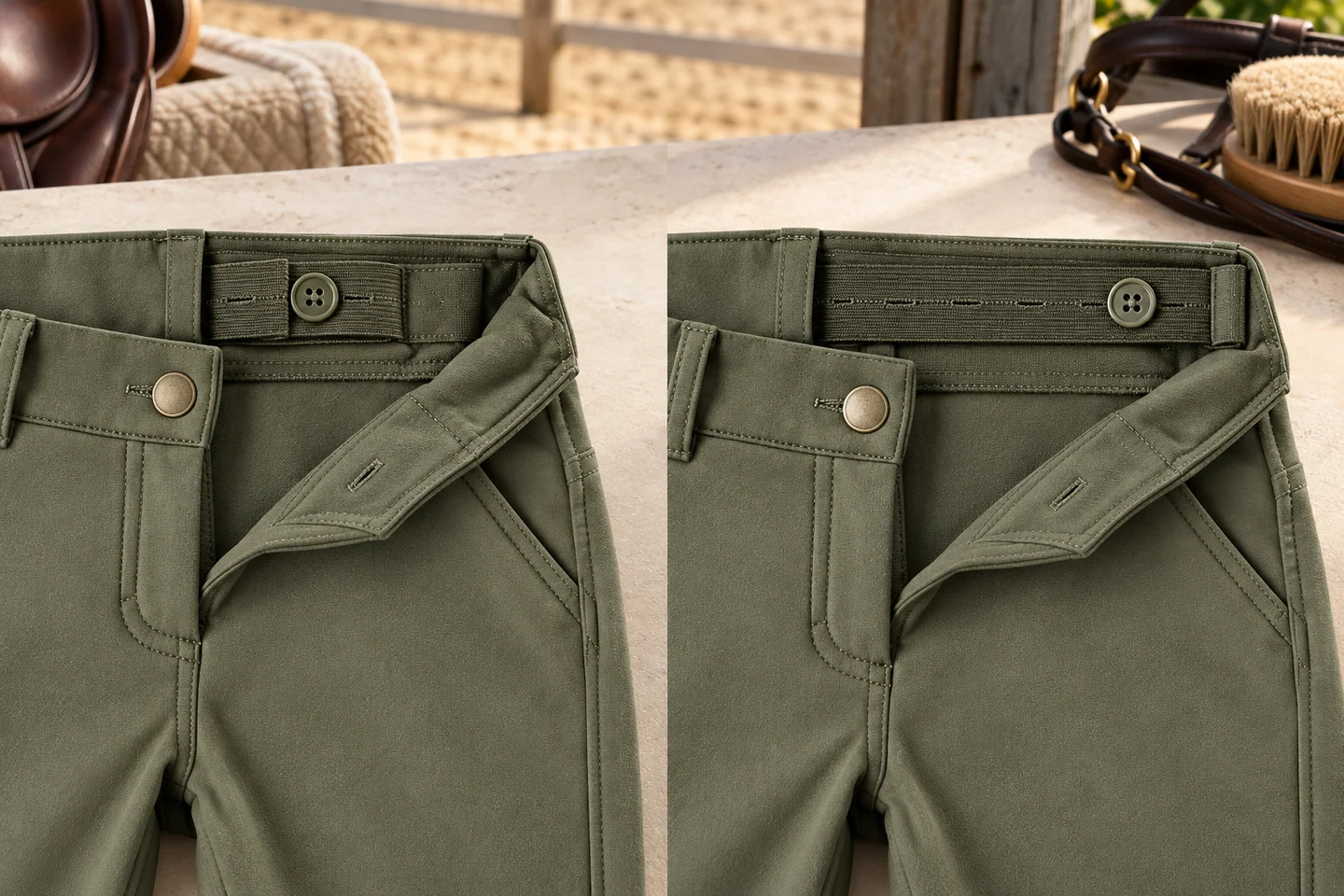
Secure adjustment
Place internal button elastic and anchoring away from pressure points, using components appropriate to the intended age group. The system should stay captured at maximum and minimum settings and remain understandable for a child dressing without help.
Growth-aware proportions
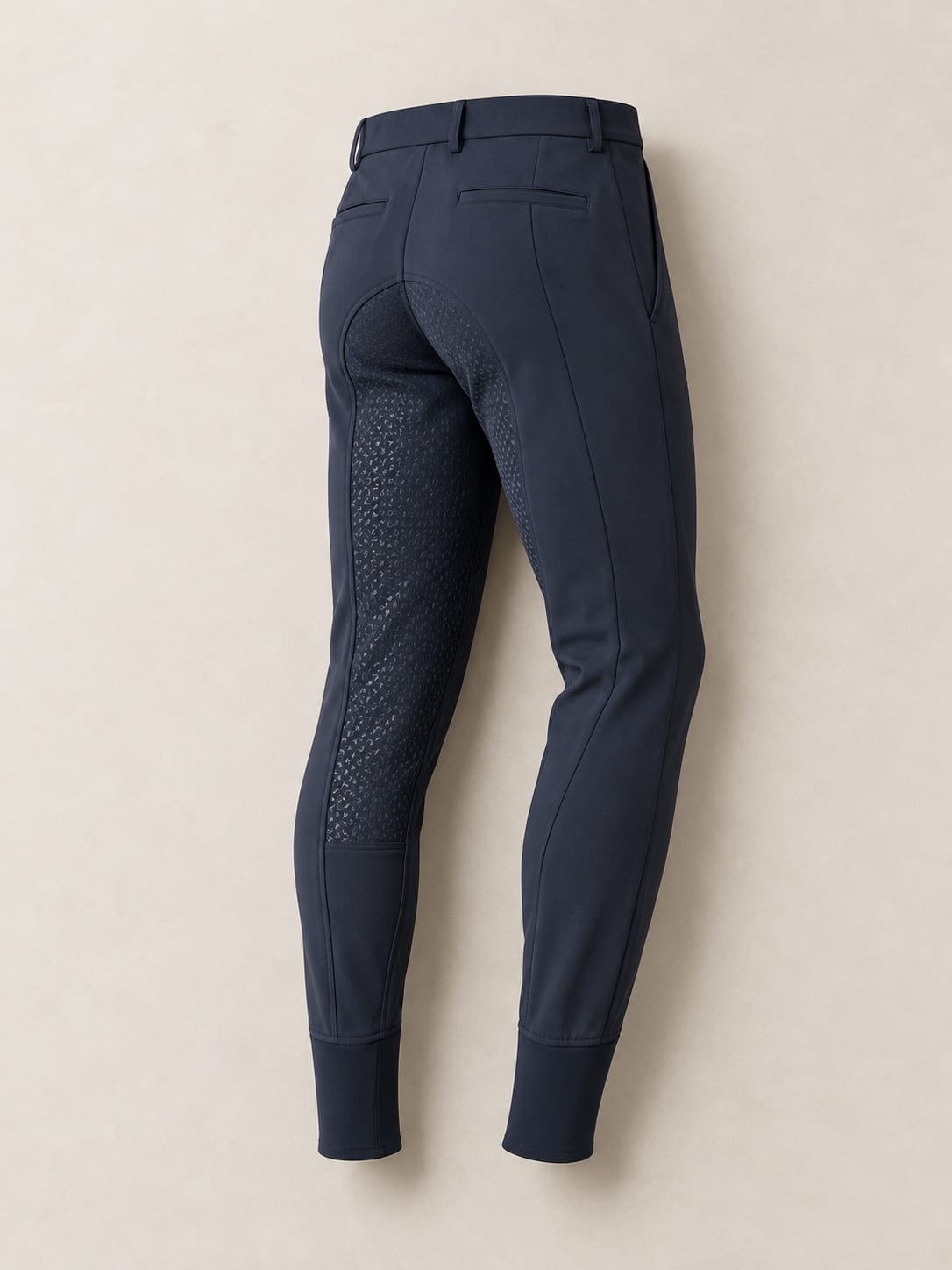
Do not add length and width uniformly. Build waist, seat, rise, thigh, knee and inseam grades from the selected body standard or buyer data, then check whether adjacent ages need different knee placement and adjustment range.
Durable daily use
Riding-school garments face frequent washing, tack friction and repeated dressing. Specify replaceable or robust closures, reinforced belt loops and a care route supported by evidence from the complete garment, including grip and adjustable-waist components.
THE FABRIC
SETS THE FEEL.
Compare material directions against your rider, climate and care expectations. Request the actual fabric specification and evidence for any performance claim.
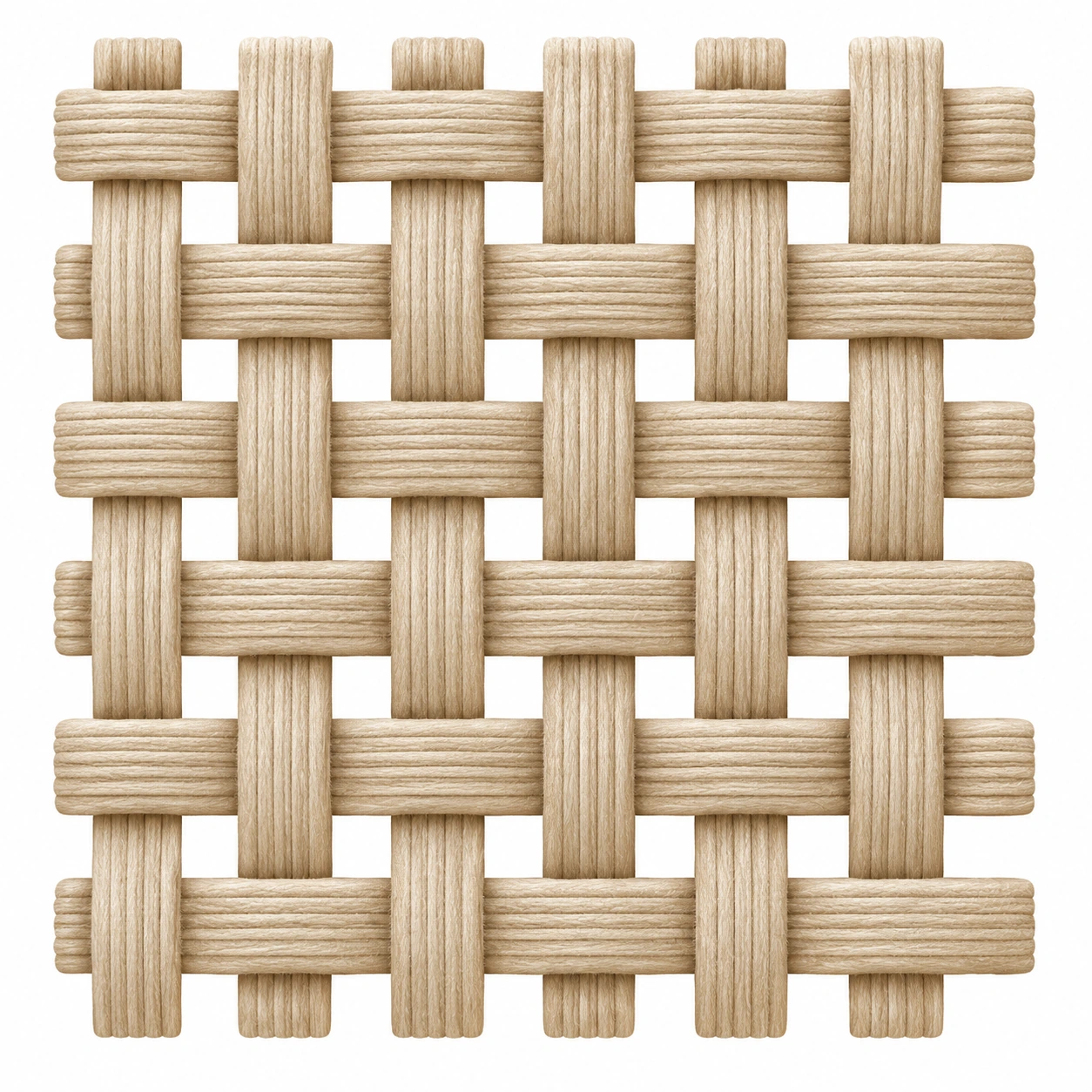
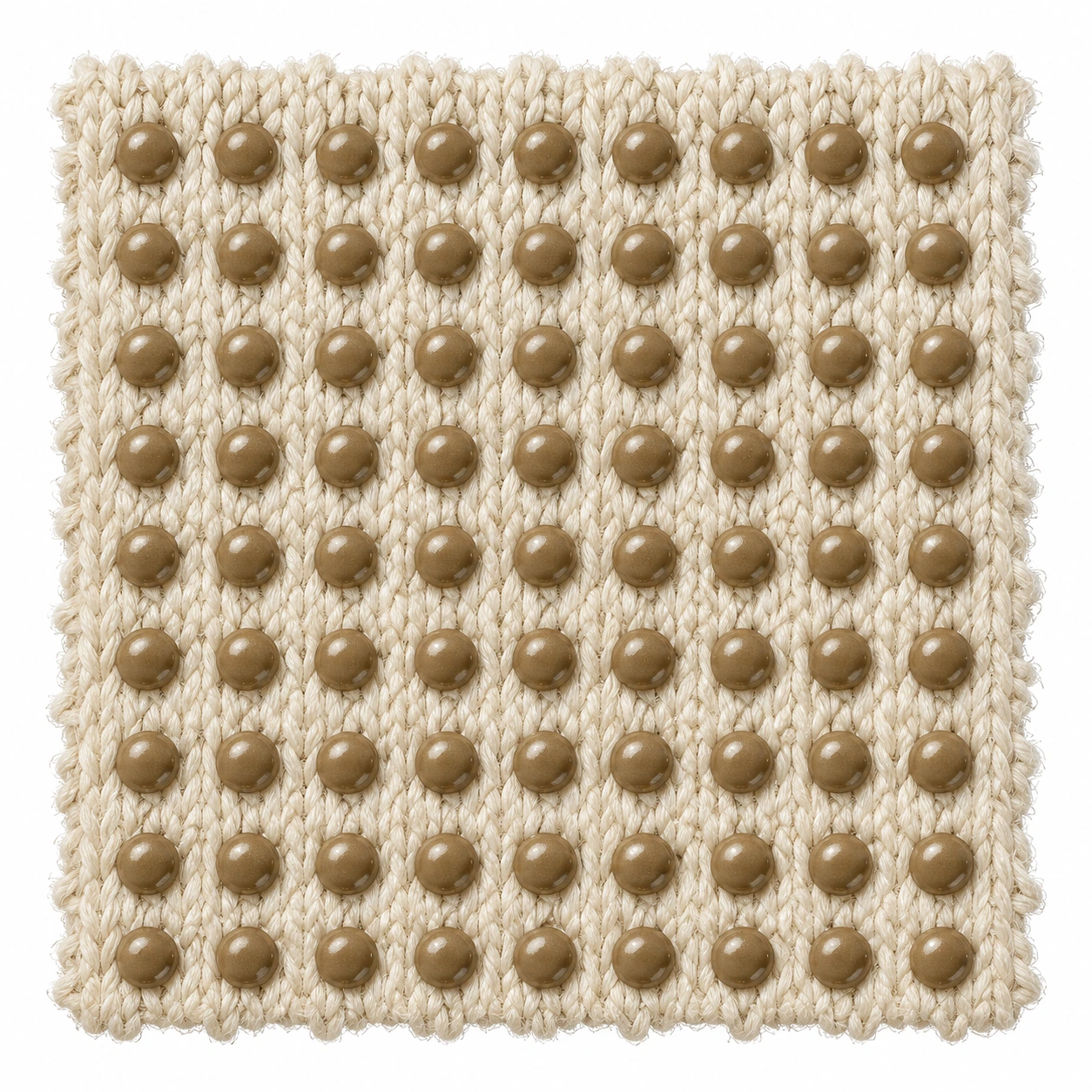
| Material direction | Why consider it | What to verify |
|---|---|---|
| Resilient stretch woven | A compact stretch fabric can retain a traditional breech appearance while supporting active movement and repeat use. The buyer should set hand, weight and coverage targets appropriate to children and climate. | Review production-colour testing for recovery, pilling, abrasion, dimensional change, colourfastness and opacity, with special attention to high-wash school programmes. |
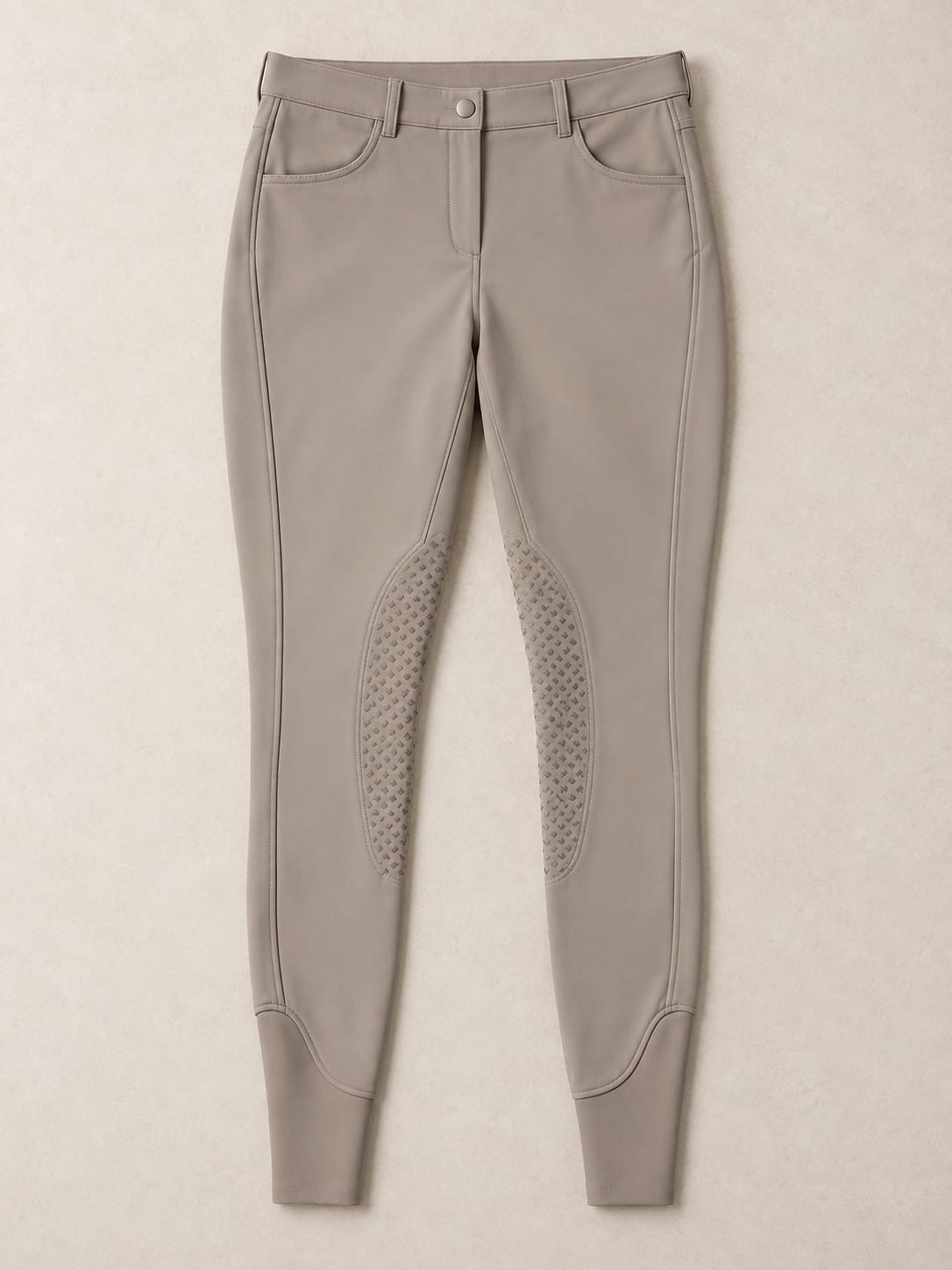
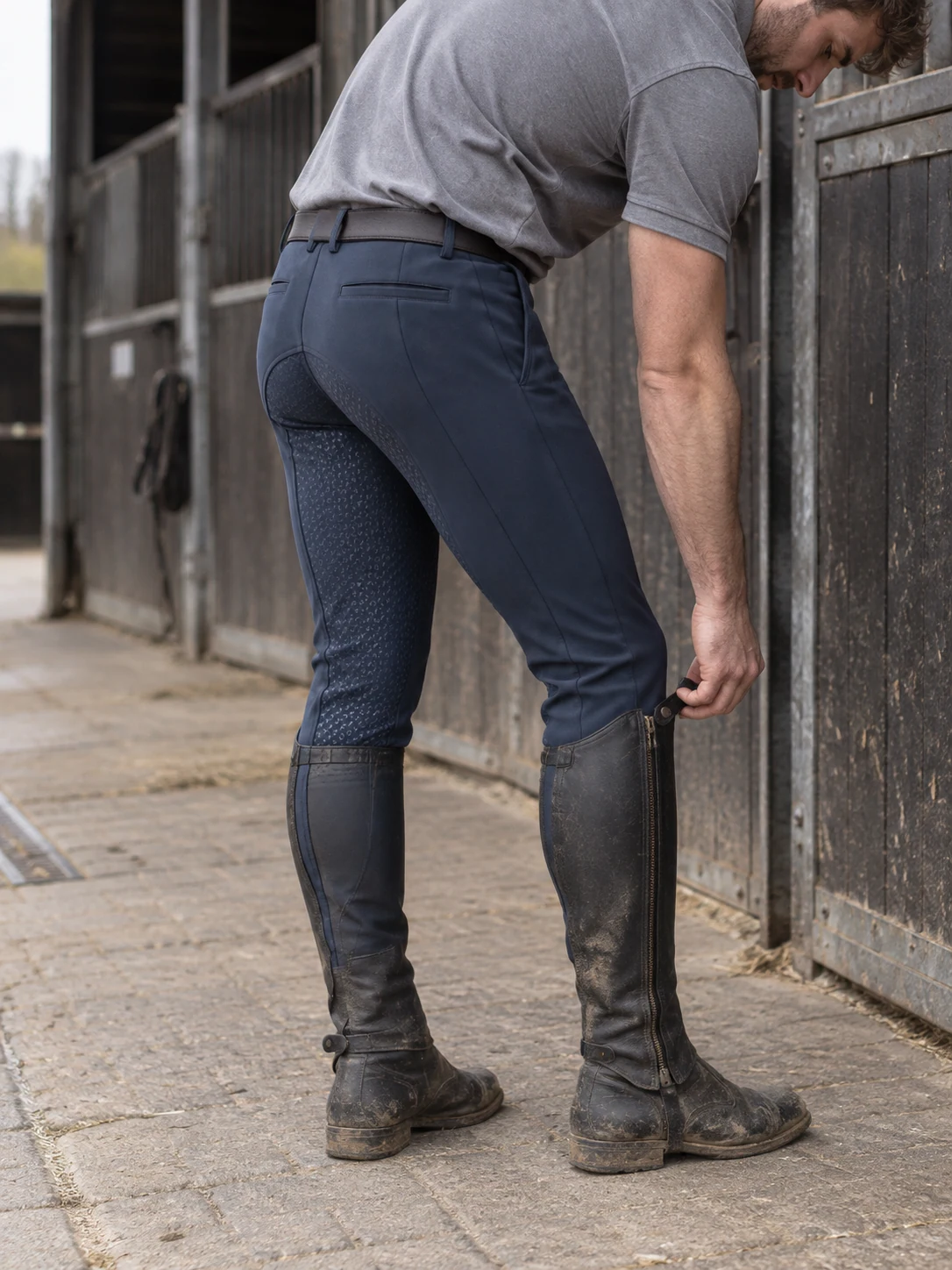
| Flexible knee-grip print | A lighter knee grip can support developing riders while keeping the rest of the seat mobile. The contact zone changes with child proportions and must be size aware. | Approve artwork strike-offs, check patch location on multiple youth sizes and inspect adhesion and surface change after repeated proposed care cycles. |
| Soft internal adjustment materials | Buttonhole elastic, anchors and facing sit close to skin and may be felt during long lessons. Material choice should prioritize smooth edges, secure recovery and wash compatibility. | Inspect component documentation, cycle the adjustment repeatedly, wear-test under a tucked shirt and confirm that laundering does not twist or expose hardware. |
These are sourcing comparisons, not a list of stocked or certified fabrics. Confirm composition, weight, finish, availability and testing with the material selected for your project.
 A CLOSER LOOK / DEVELOPMENT CONCEPT
IT’S IN
THE DETAILS.
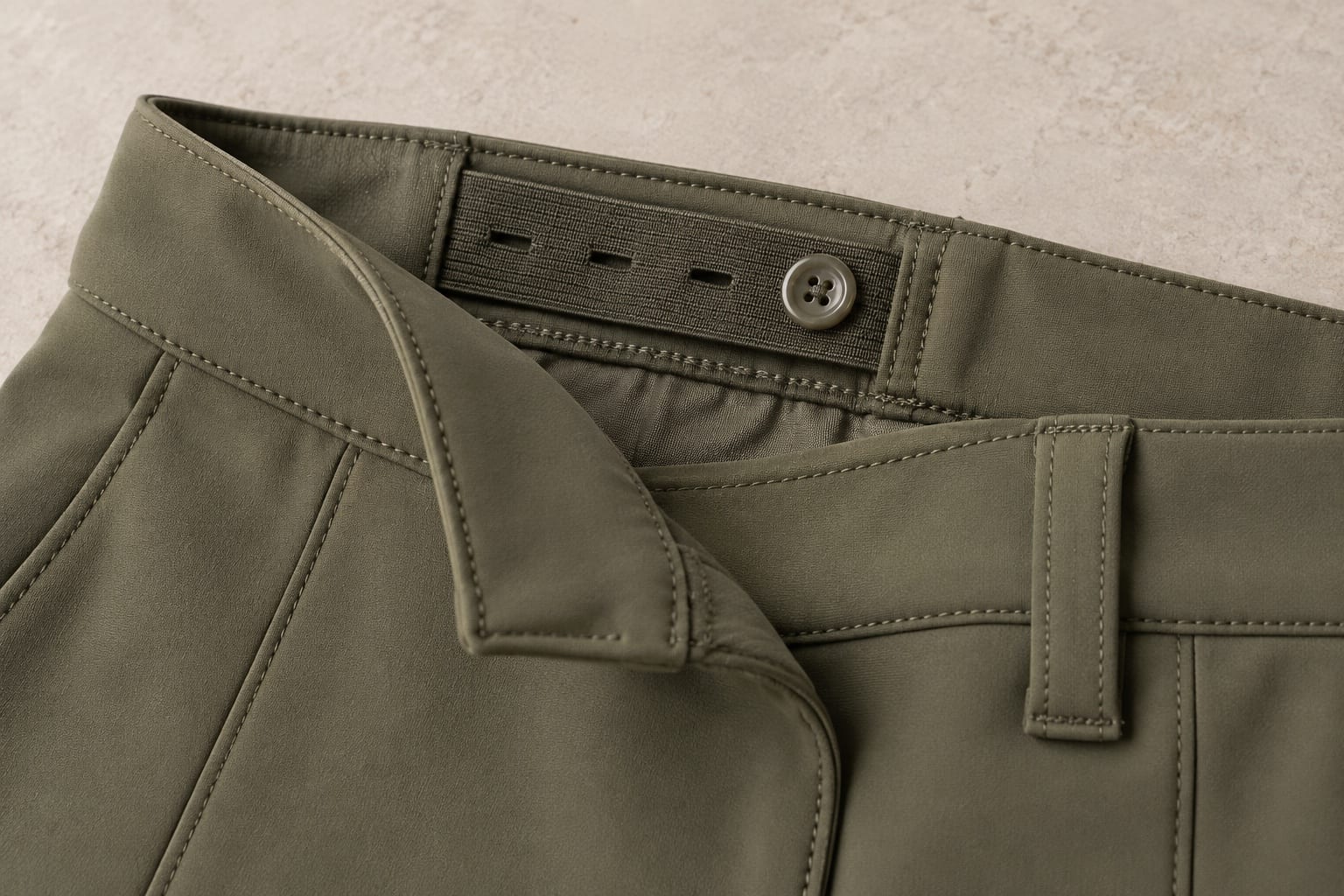
Captured waist adjuster
Design the internal elastic so no loose end can withdraw into the casing, and keep buttons covered from direct skin contact.
Size-specific knee
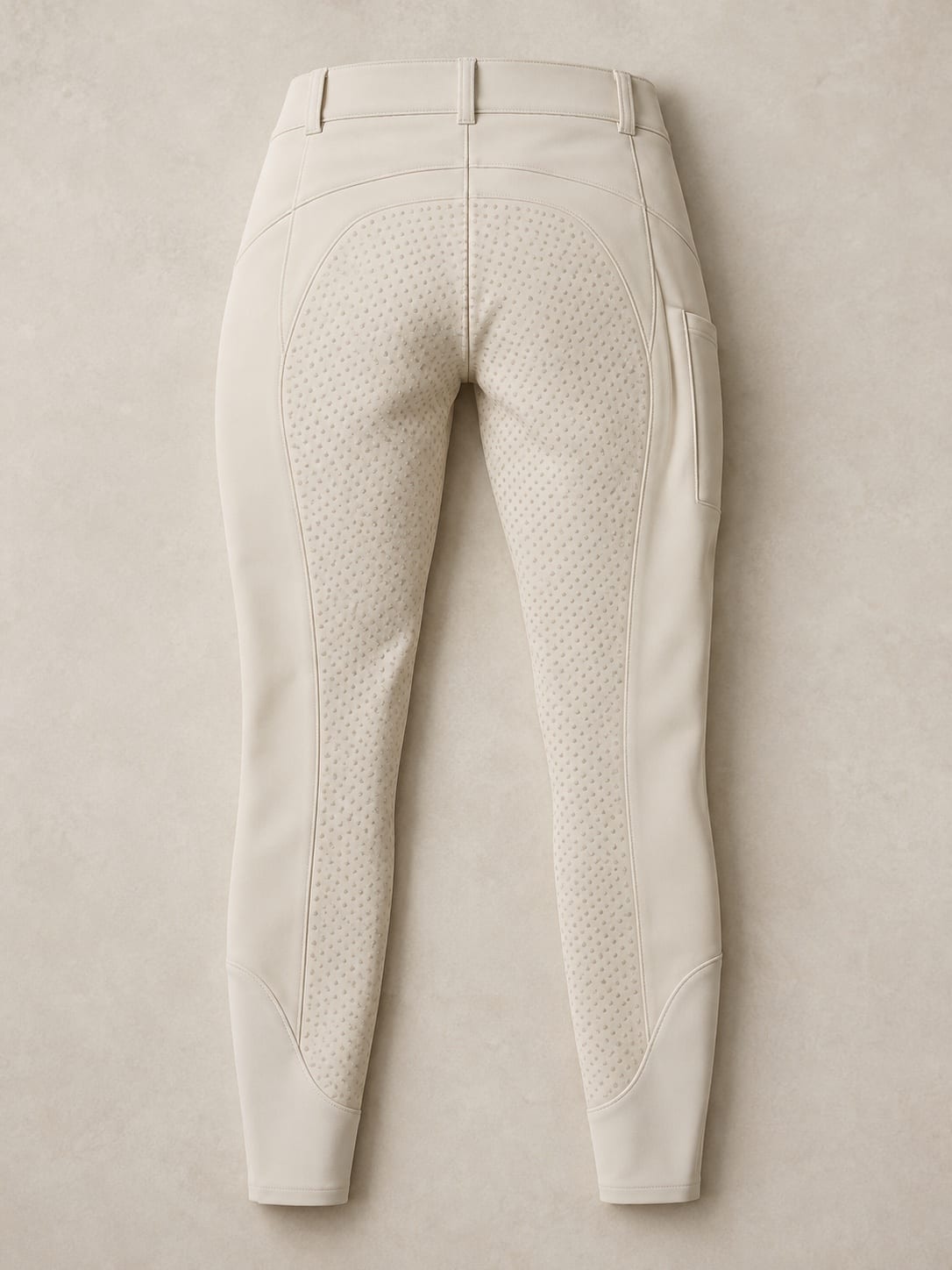
Grade knee shaping and grip position from anatomy and riding posture, checking children across the planned height range.
Easy dressing
Choose fly, hook, snap and ankle treatments that target riders can operate reliably while still meeting the intended tailored appearance.
Reinforced wear points
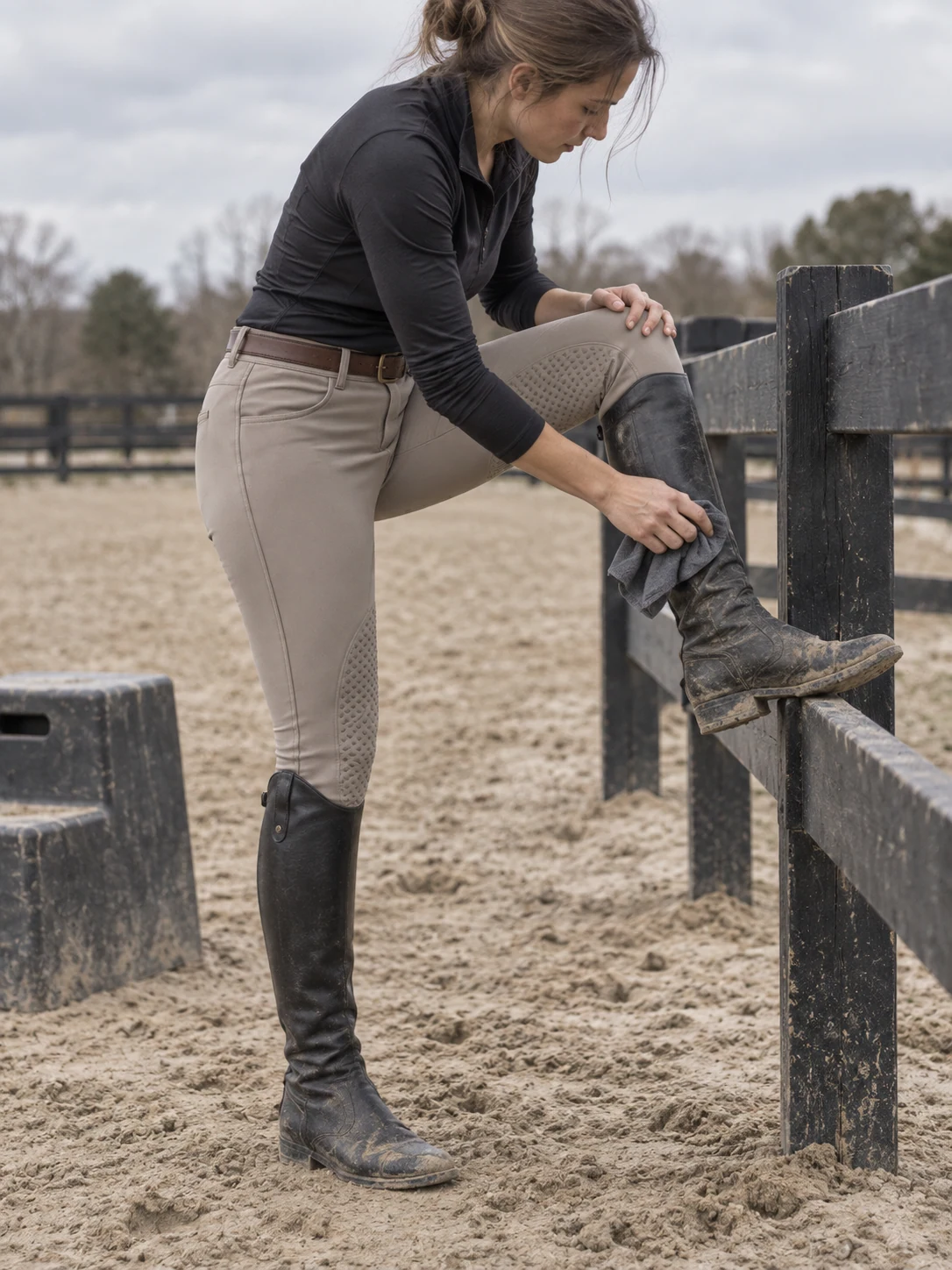
Review belt-loop bases, pocket corners, crotch seams and grip edges for repeated school use without promising durability beyond verified evidence.
FROM THE BRIEF.
INTO THE WORKROOM.
Start with the riding position. Carry the agreed rise, leg shape and grip placement through the sample.
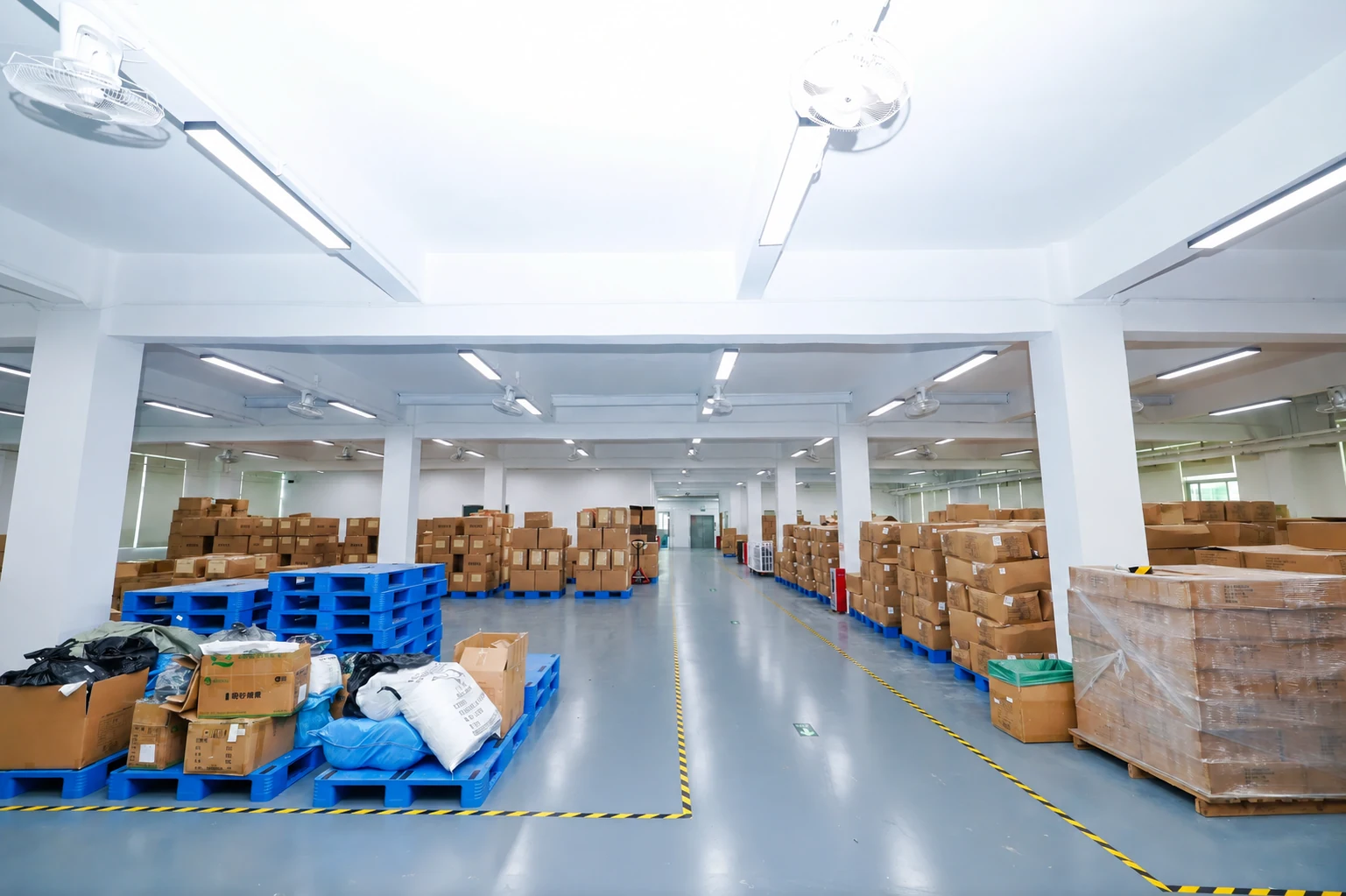
Explore our factory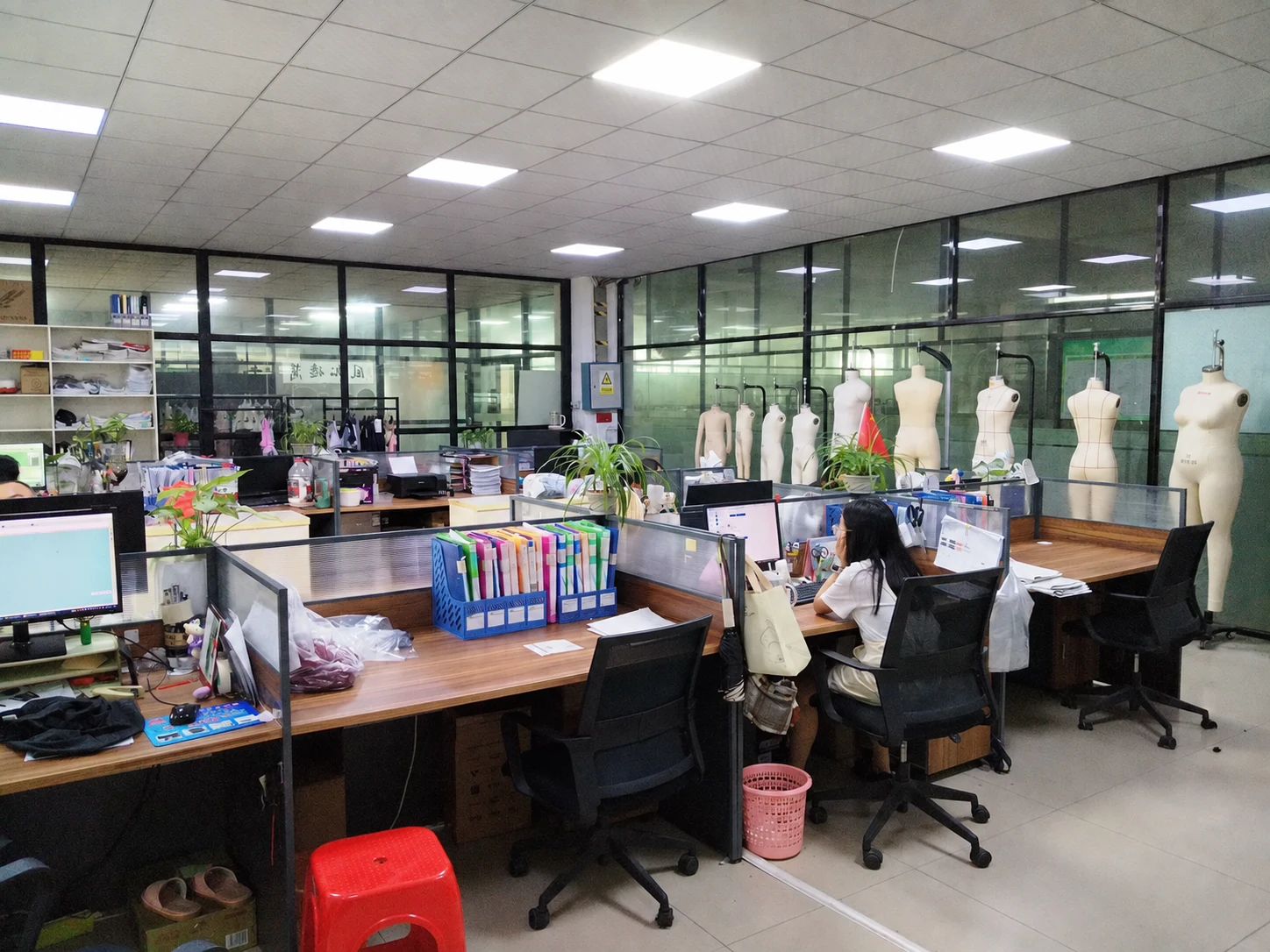
Captured waist adjuster
Design the internal elastic so no loose end can withdraw into the casing, and keep buttons covered from direct skin contact.
Carry this into approval Factory views show our working environment. Your garment follows its agreed specification and sample.GET THE
RIGHT FIT.
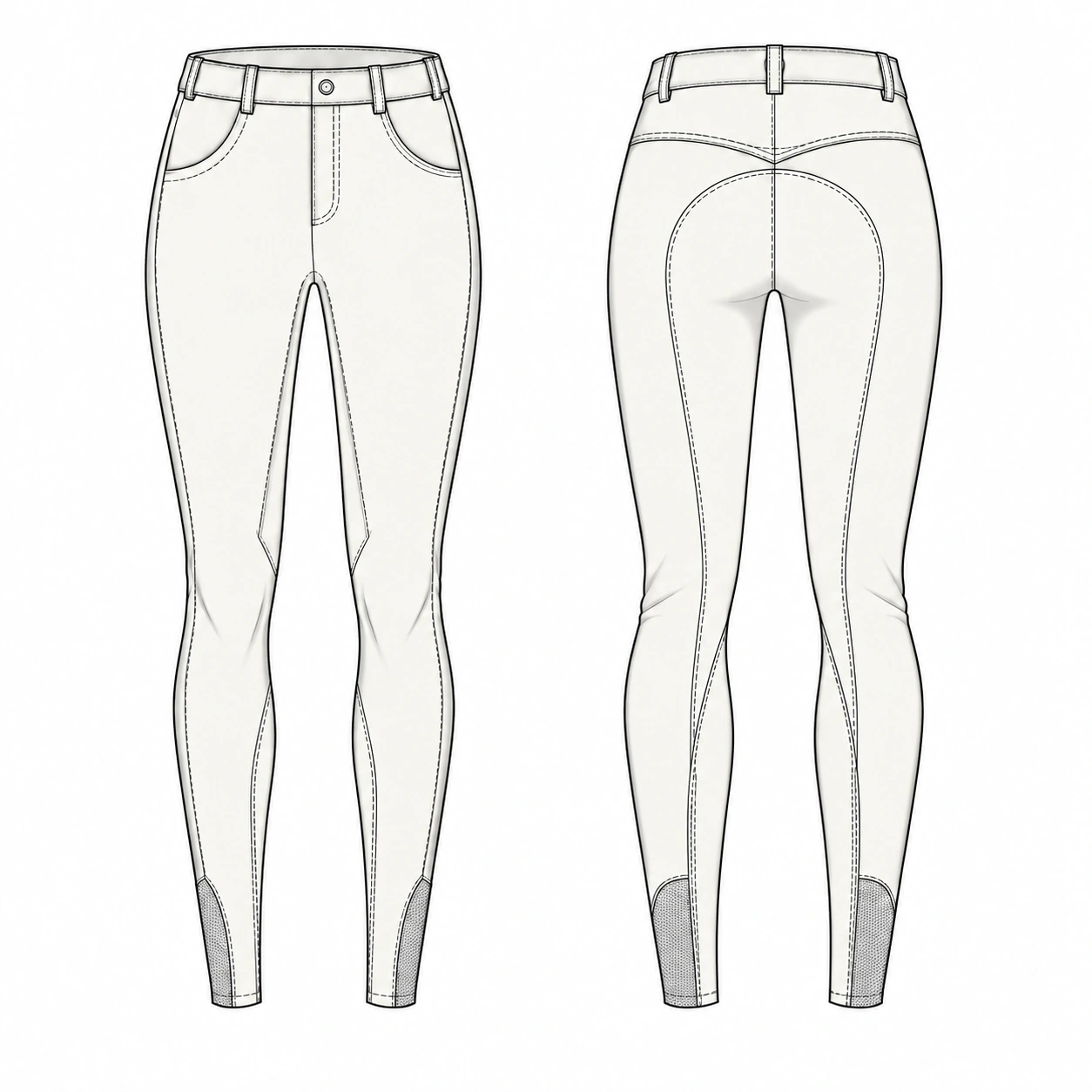
- AWaist
- BHip
- CRise
- DInseam
A size label is only the beginning. Agree the measurement method, review the garment in use and keep the approved fit record with your specification.
Your fit-session checklist
Record the size worn, body measurements, intended underlayers and every proposed correction with the dated sample.
Note the size worn, body measurements, intended underlayers and each proposed correction. Recheck the affected measurement after a revision; confirm the size breakdown for each style and colour before bulk.
MAKE IT
RECOGNISABLY YOURS.
Use the product’s construction to guide decoration and finishing. Ask for placement, colour and material approval on the relevant sample.
Small details.
One identity.
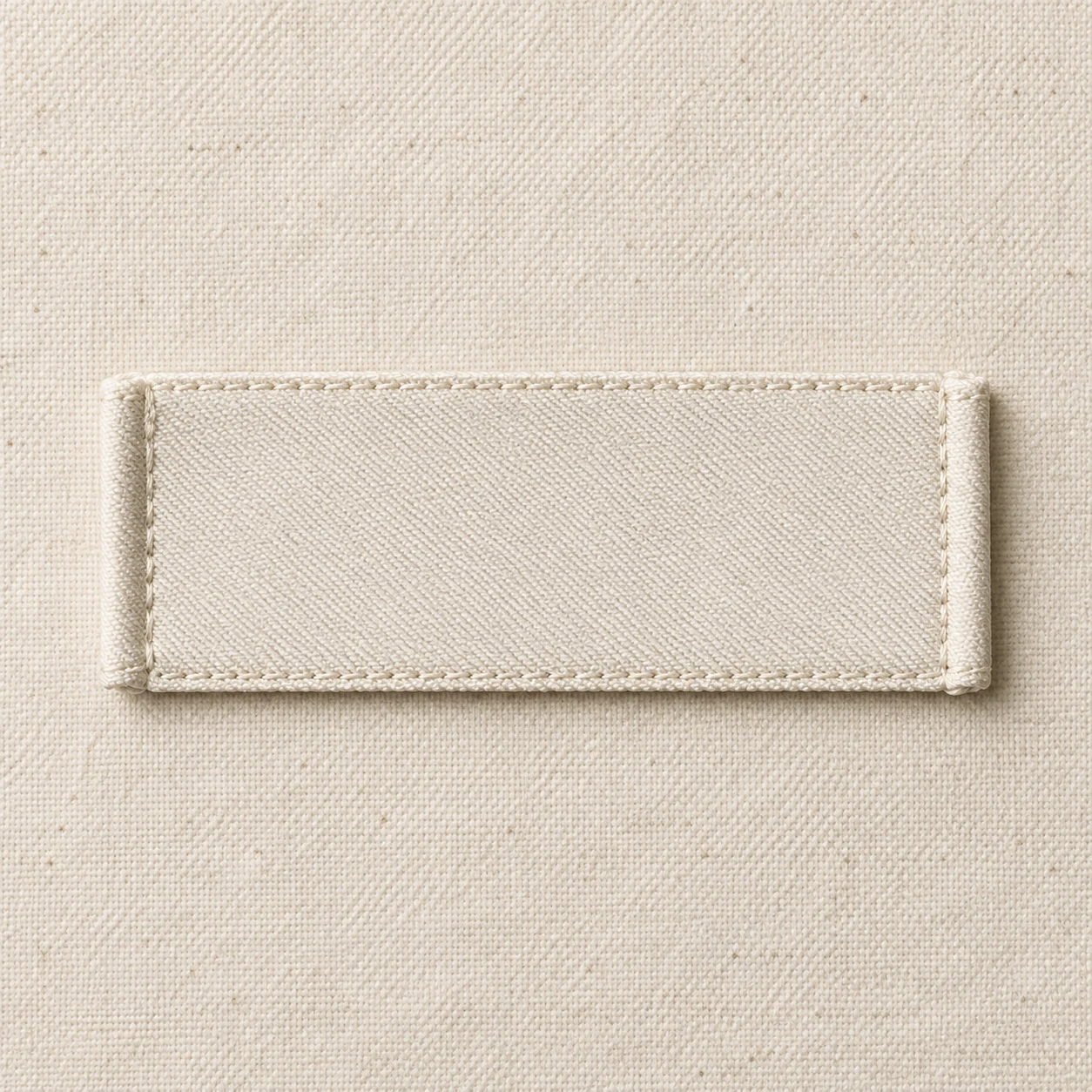
Folded edges · fine weave
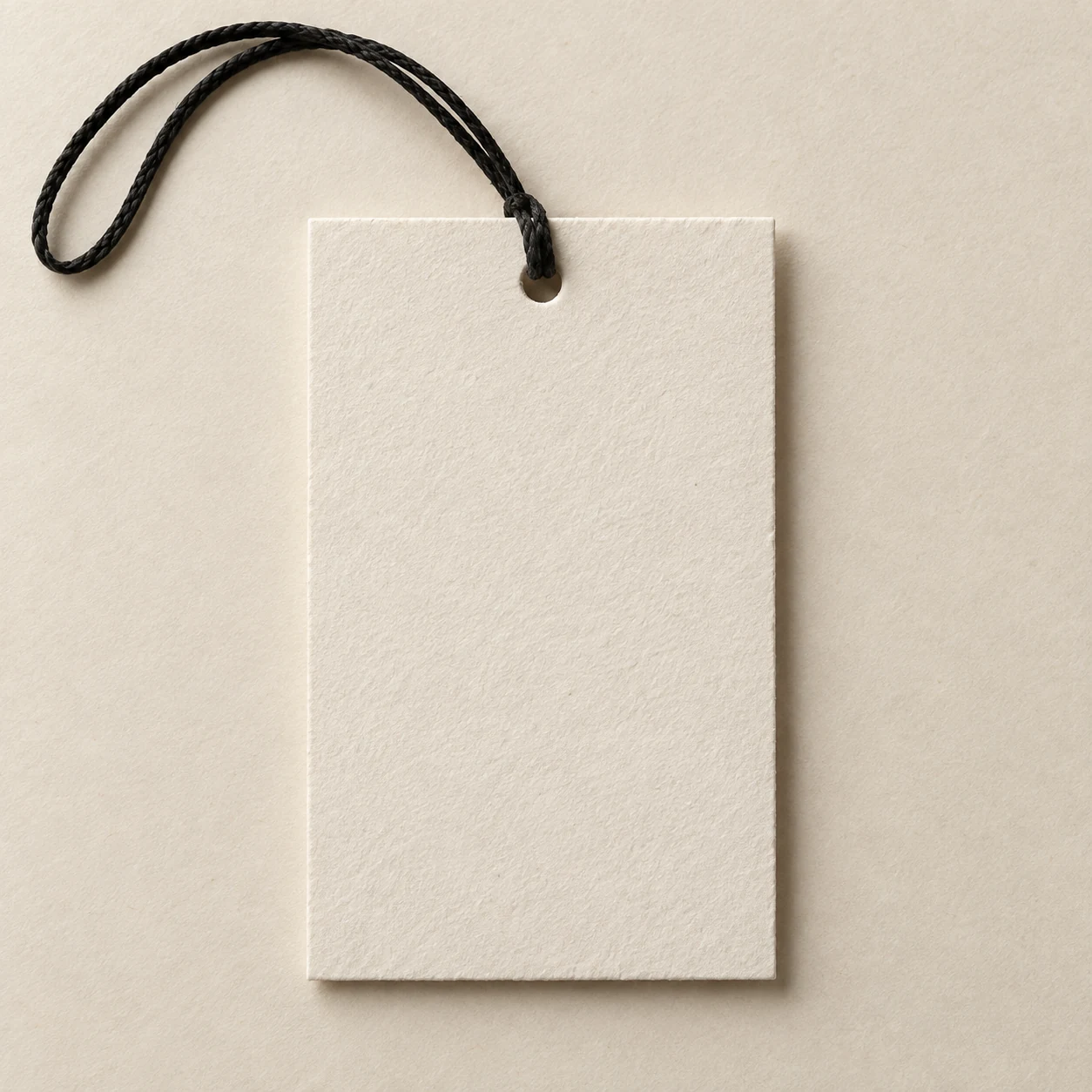
Textured stock · cord attachment
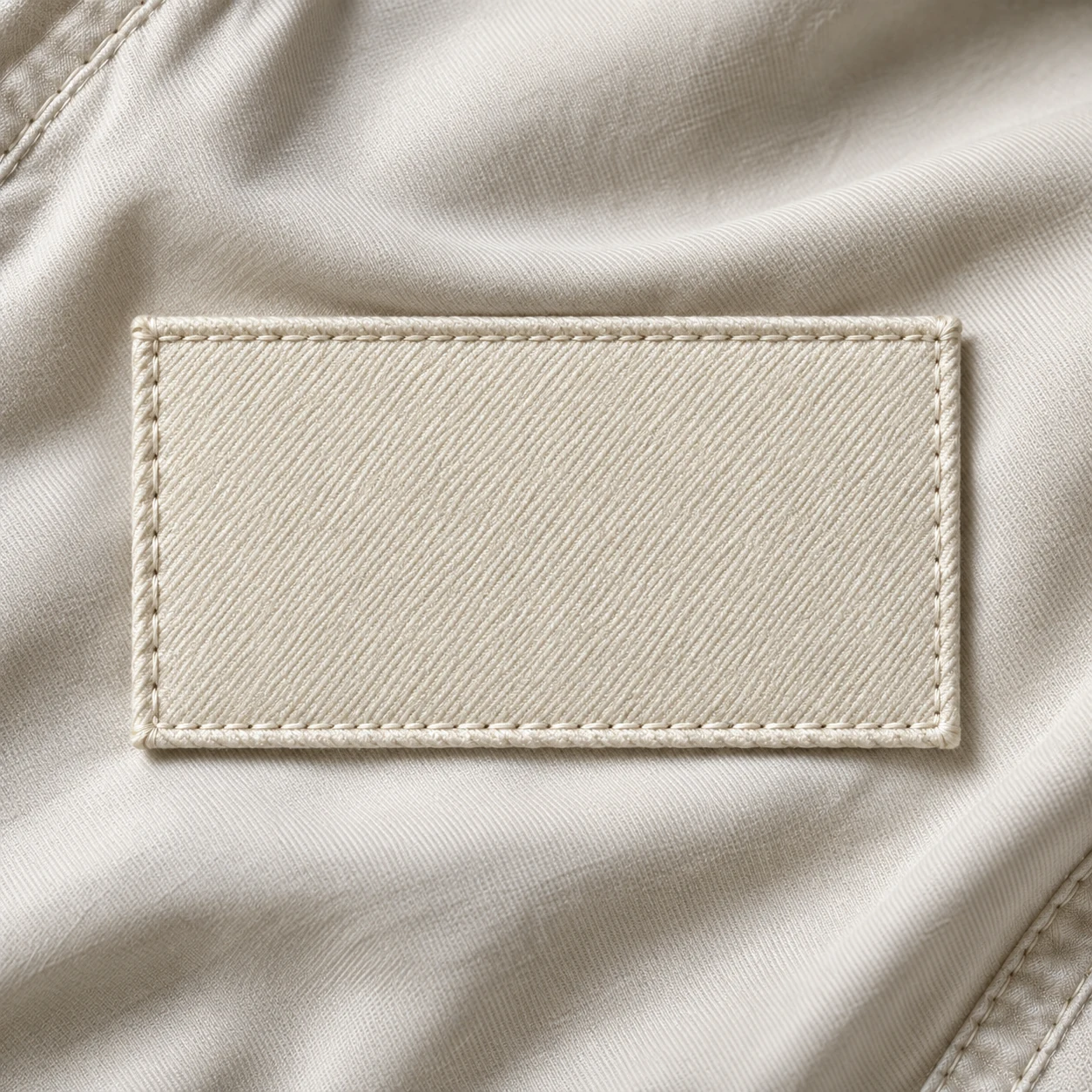
Raised edge · stitched placement
Material mockups with a live wordmark study. Print, weave, colour matching and placement are confirmed on your physical sample.
Adjustment range
Specify maximum and minimum finished waist, elastic travel, anchor positions and overlap; record the approved setting used for garment measurements and photography.
School identification
Add discreet name-label space, club embroidery or colour accents where appropriate, keeping hard trims and raised artwork away from saddle and boot contact.
Junior sizing
Choose age, numeric or height-based consumer labels, then provide conversion tables backed by the actual block rather than copying another brand’s names.
Grip and pockets
Select knee, full-seat or no grip and decide whether pockets are functional. Keep storage scale proportional and test contents specified by the buyer.
APPROVE THE DETAIL.
THEN THE ORDER.
The first sample helps you make decisions. Define review conditions and acceptance criteria before you compare the result.
Review the youth adjustable-waist breeches sample
Sampling takes 7–10 working days from the agreed start. Record each decision against the dated sample before bulk approval.
Rider, material direction, measurements and artwork.
DEFINE THE STARTTurn the agreed direction into a garment to review.
7–10 WORKING DAYSReview fit, finish and changes. Confirm the final specification.
REVISE IF NEEDEDProceed with agreed quantities, colours, labels and packing.
30–45 WORKING DAYSA shared development direction
Bring reference garments, your rider profile, target colours and any artwork. We turn these into the measurements, materials and construction questions that the sample needs to resolve.
Sample feedback can return to development. Revisions and transit are planned separately; timing begins from the agreed specification and start date.
KEEP THE APPROVAL.
WITH THE ORDER.
One agreed reference for the workroom: the dated sample, its specification and your confirmed order breakdown.
Sample decisions
- Adjustment security
Cycle every buttonhole, pull firmly at both extremes and confirm the elastic stays captured, flat and covered after laundering.
- Child usability
Ask target-age fit riders to dress, fasten and adjust the breeches with normal instruction, observing pinching, confusion and excessive force.
- Mounted proportions
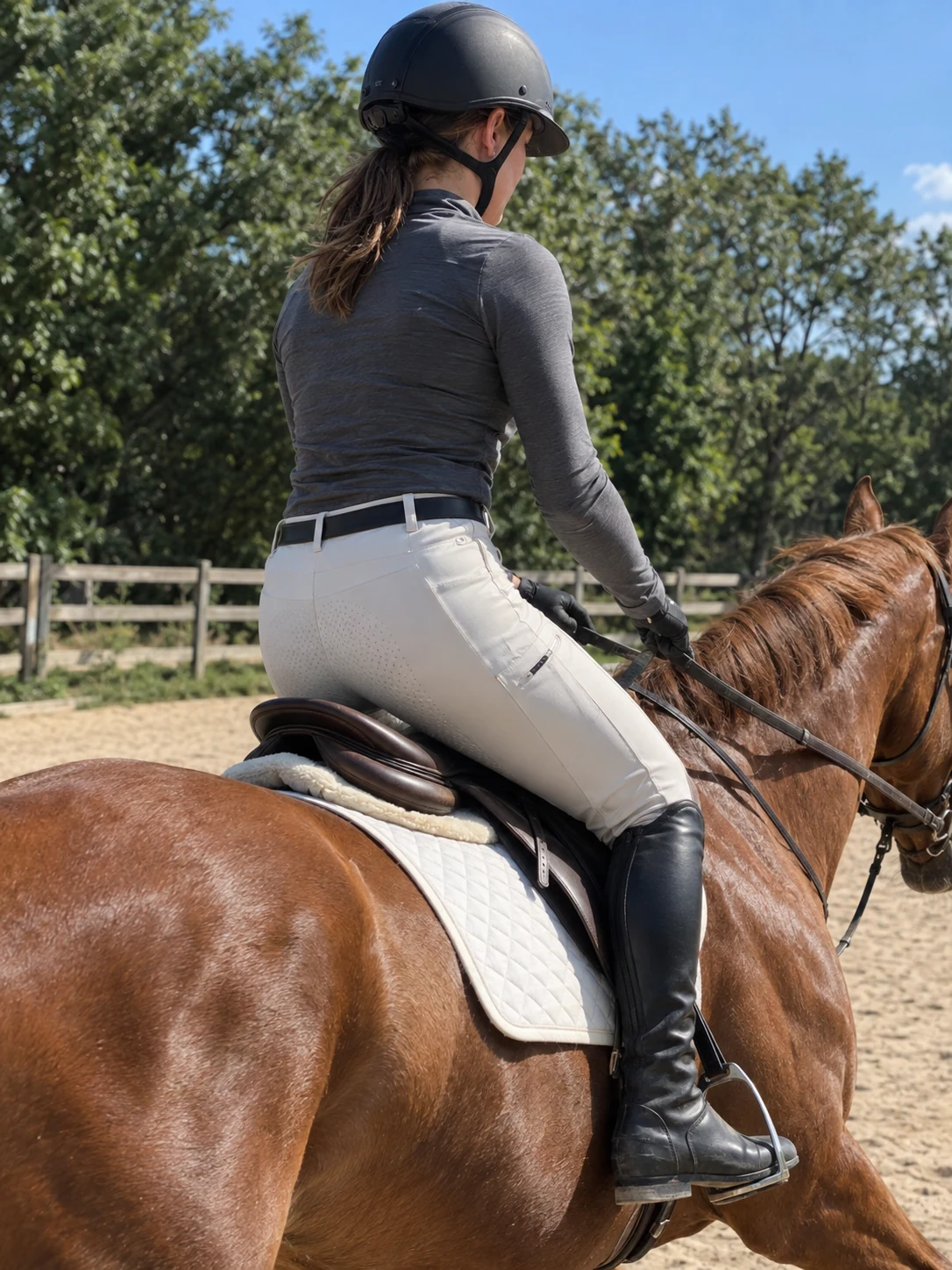
Photograph front, side and back while seated and in light seat, checking rise, knee position and excess fabric independently.
Style, colour & size allocation
Confirm each style and colour separately, with the size allocation attached. The minimum is 100 pieces per style, per colour.
Labels, packing & timing
Agree label artwork, packing instructions and the production start. Bulk production takes 30–45 working days from the confirmed start; revisions and transit are planned separately.
A CLEARER BRIEF.
A MORE USEFUL QUOTE.
Price follows an agreed product, quantity and delivery scope. Use these inputs to compare proposals on the same basis.
Adjustable waistband
Internal casing, buttonhole elastic, anchors, covering and extra assembly add components and sewing operations.
Youth size set
A broad age or height range requires more grading validation and may need multiple fit samples.
Grip application
Custom artwork, size-specific placements and coverage level affect tooling, printing and inspection time.
Club personalization
Multiple logos, names, roster sorting or special packaging increase artwork control and handling.
Bring these six things
Planning baseline: 100 pieces minimum per style, per colour. Sampling takes 7–10 working days; bulk production takes 30–45 working days from the agreed start.
100 pieces minimum per style, per colour. State each colour quantity separately; confirm your proposed size allocation.
GOOD QUESTIONS.
BETTER DECISIONS.
Product-specific sourcing questions to resolve before sampling.
Set a measured waist adjustment range from target-body data rather than a vague age span. Extra room should not produce folds at the seat or move knee grip away from contact. Height growth may still require separate inseam or jodhpur options.
No automatic transfer is reliable. Children’s knee level, thigh length and riding posture vary from adult proportions. Reposition and, where necessary, resize the patch on sampled youth sizes using the intended saddle and stirrup length.
Send a roster with measured sizes, style and colour quantities, logo artwork, personalization rules, packing order and required date. Confirm how replacements or late roster changes will be handled before approval, especially when the bulk MOQ applies per style and colour.