 REINFORM
Resolve the Formal Front in the Riding Position
Blazer manufacturer for equestrian competition development.
Brief a blazer manufacturer on equestrian competition development: lapel roll, three-button balance, light lining and seated fit. MOQ 300 per style/colour.
CONTENT REVIEW /
A development direction for your brand. Final material, construction and performance by specification and sample approval.START WITH
THE RIDER.
For equestrian brands developing a formal competition outer jacket for the US, UK and Europe, with a defined rider, show-shirt layer and fit brief.
Product development context
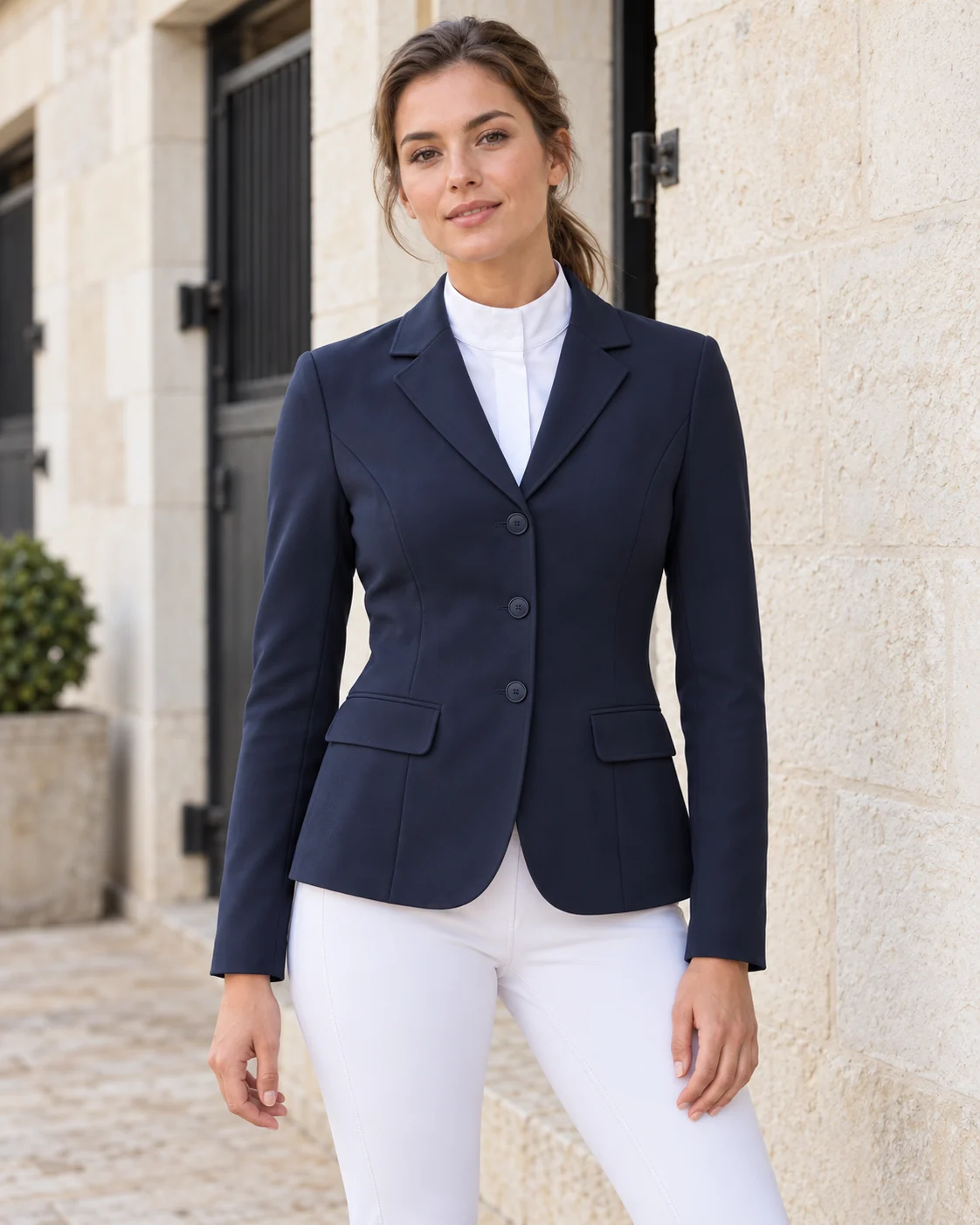
REINFORM supports OEM/ODM sample development for equestrian competition blazers. For brands briefing a blazer manufacturer, this proposed navy direction combines a notch lapel, three-button front, front darts and princess shaping, light sewn lining, a rear centre vent and two horizontal flap pockets. Long sleeves complete the formal outer garment; it has no stand collar, zip or hood. Develop its balance over the intended show shirt and in the specified riding posture, rather than approving the standing silhouette alone. Composition, weight, performance and certification remain unconfirmed. The development direction is subject to material and construction review, sample quotation and whole-garment sample approval; it is not evidence of an existing finished product or production photograph.
Balance the front over the shirt
Name the shirt, collar and intended fastening state for review. Check lapel position, front overlap and button strain standing and seated; avoid correcting a balance problem by adding width at an unrelated point.
Develop the lapel with its support
Approve shell, facing and proposed support together. Record lapel roll and notch alignment after pressing and the agreed care process; a crisp initial presentation alone does not establish lasting appearance.
Keep the vent and sleeve review connected
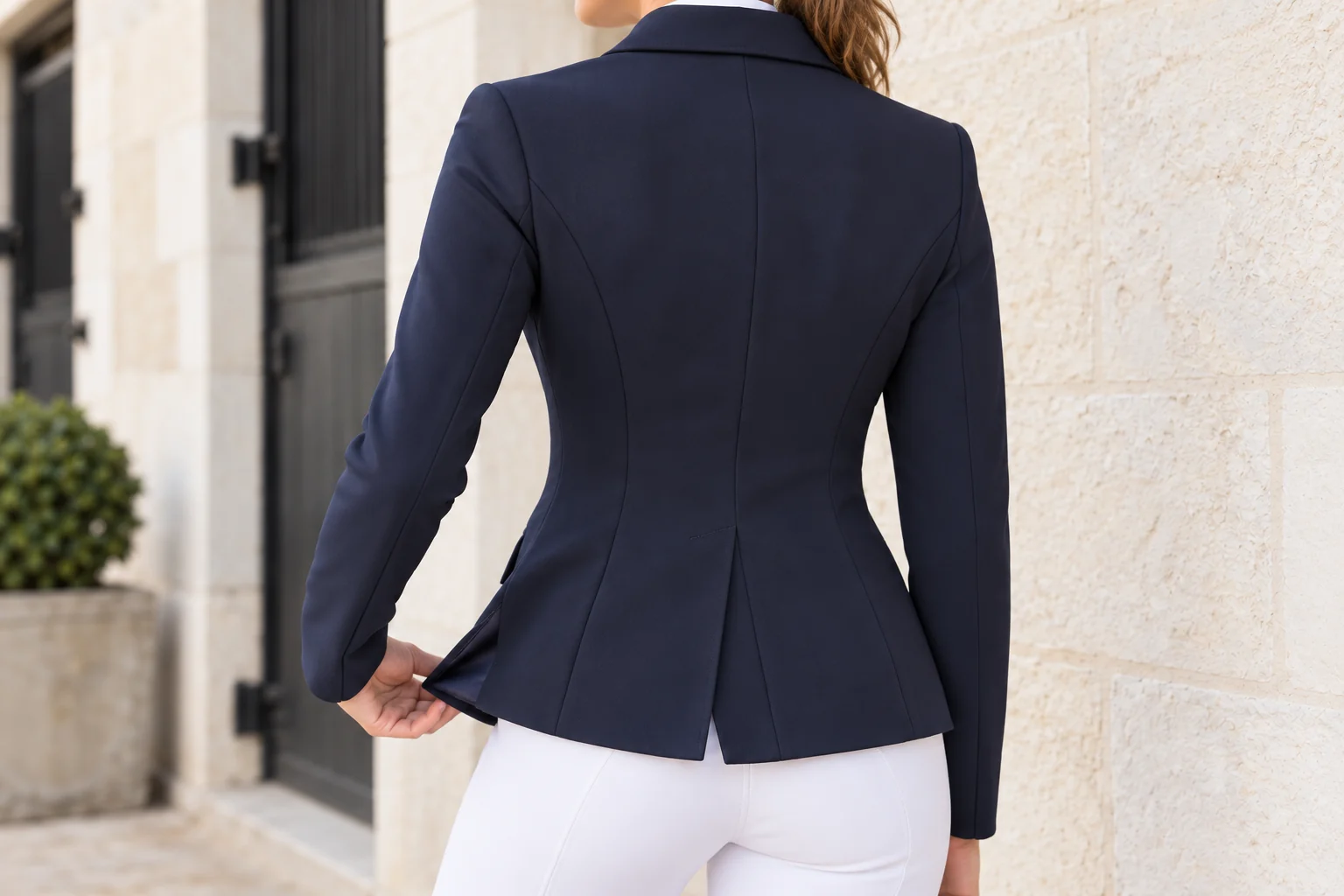
Forward reach can lift the body and change how the centre vent lies. Check sleeve pitch, back balance and vent overlap together over the intended shirt, using the same movement sequence at each sample revision.
THE FABRIC
SETS THE FEEL.
Compare material directions against your rider, climate and care expectations. Request the actual fabric specification and evidence for any performance claim.
| Material direction | Why consider it | What to verify |
|---|---|---|
| Shell selected for formal drape | Compare candidate shells for the intended shaped silhouette and hand. Fibre content, GSM and stretch remain selections, rather than facts established by the concept's appearance. | Review seam appearance, dimensional stability, colourfastness and relevant strength or abrasion evidence for the chosen fabric. Assess the actual sewn shell with its support and lining components. |
| Lapel, facing and local support | A facing and suitable local support help define the front edge, notch and button area. Their material and application route must be compatible with the selected shell. | Inspect the proposed assembly for strike-through, bubbling, edge distortion and changed hand after agreed pressing and care. Confirm the actual support reference before releasing the BOM. |
| Light sewn lining and pocketing | The lining provides an internal finish and a layer interface beneath the shell. Keep lining and pocketing identities separate where their required weight or construction differs. | Check lining ease through reach and at the vent, plus colour transfer and seam behaviour after care. Review pocket-bag support without treating a light lining as a performance claim. |
These are sourcing comparisons, not a list of stocked or certified fabrics. Confirm composition, weight, finish, availability and testing with the material selected for your project.
 DEVELOPMENT DETAIL / REAR CENTRE VENT
IT’S IN
THE DETAILS.
What your blazer manufacturer needs
Draw the notch lapel, front darts, princess lines and three-button closure with matching points and measurement references. Keep the shaping and closure coordinates traceable to the pattern revision used for the sample.
Front edge, buttons and buttonholes
Specify button and buttonhole dimensions, spacing and front overlap without assuming a trim brand. Review alignment, reinforcement and fastening through the selected shell/support assembly; inspect lapel roll with the front in its agreed wearing state.
Sleeve, lining and centre vent
Develop sleeve pitch over the named shirt and provide appropriate lining allowance. Inspect the rear centre vent for overlap, internal finish and movement, checking that lining or hem attachment does not pull it out of position.
Two horizontal flap pockets
Set equal pocket heights, entry lines and flap proportions against the shaped front. Review corners, bag attachment and the relationship to darts and princess seams; compare unloaded appearance with the agreed small test load.
FROM THE BRIEF.
INTO THE WORKROOM.
Layers, movement and hardware belong in one development conversation. Resolve them on the sample before bulk.
Explore our factory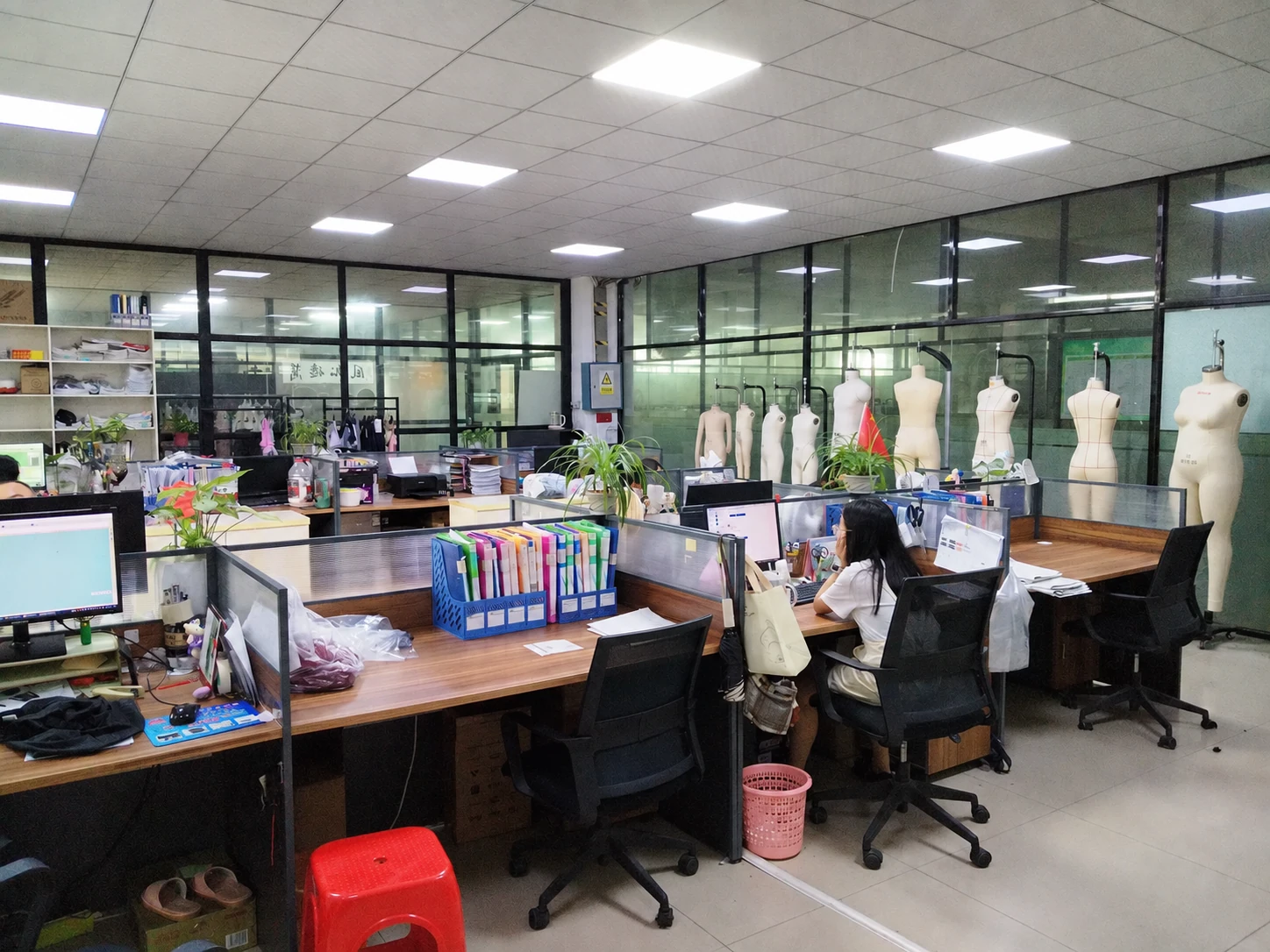
What your blazer manufacturer needs
Draw the notch lapel, front darts, princess lines and three-button closure with matching points and measurement references. Keep the shaping and closure coordinates traceable to the pattern revision used for the sample.
Carry this into approval Factory views show our working environment. Your garment follows its agreed specification and sample.GET THE
RIGHT FIT.
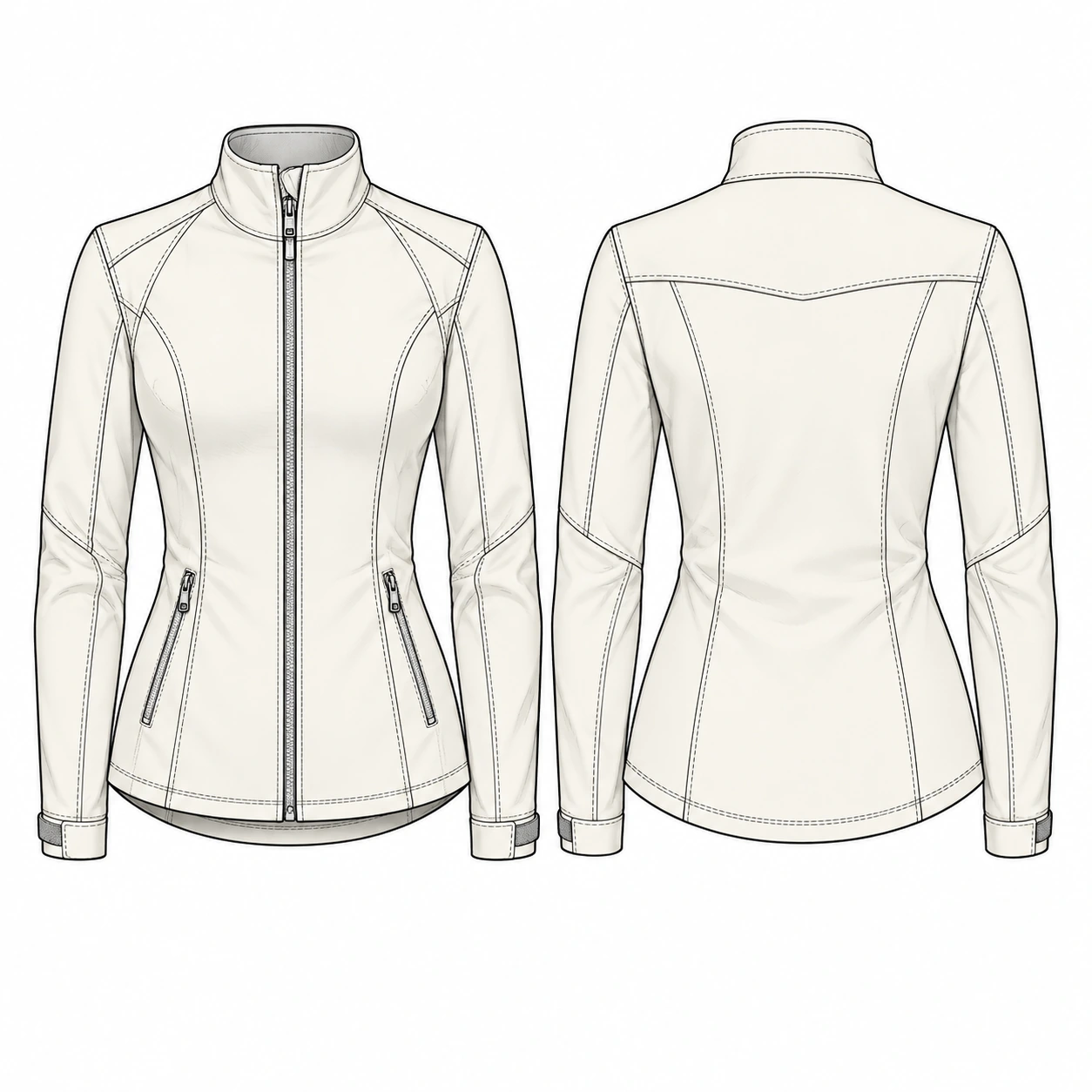
- AChest
- BShoulder span
- CSleeve length
- DBack length
A size label is only the beginning. Agree the measurement method, review the garment in use and keep the approved fit record with your specification.
Your fit-session checklist
Record the size worn, body measurements, intended underlayers and every proposed correction with the dated sample.
Note the size worn, body measurements, intended underlayers and each proposed correction. Recheck the affected measurement after a revision; confirm the size breakdown for each style and colour before bulk.
MAKE IT
RECOGNISABLY YOURS.
Use the product’s construction to guide decoration and finishing. Ask for placement, colour and material approval on the relevant sample.
Small details.
One identity.
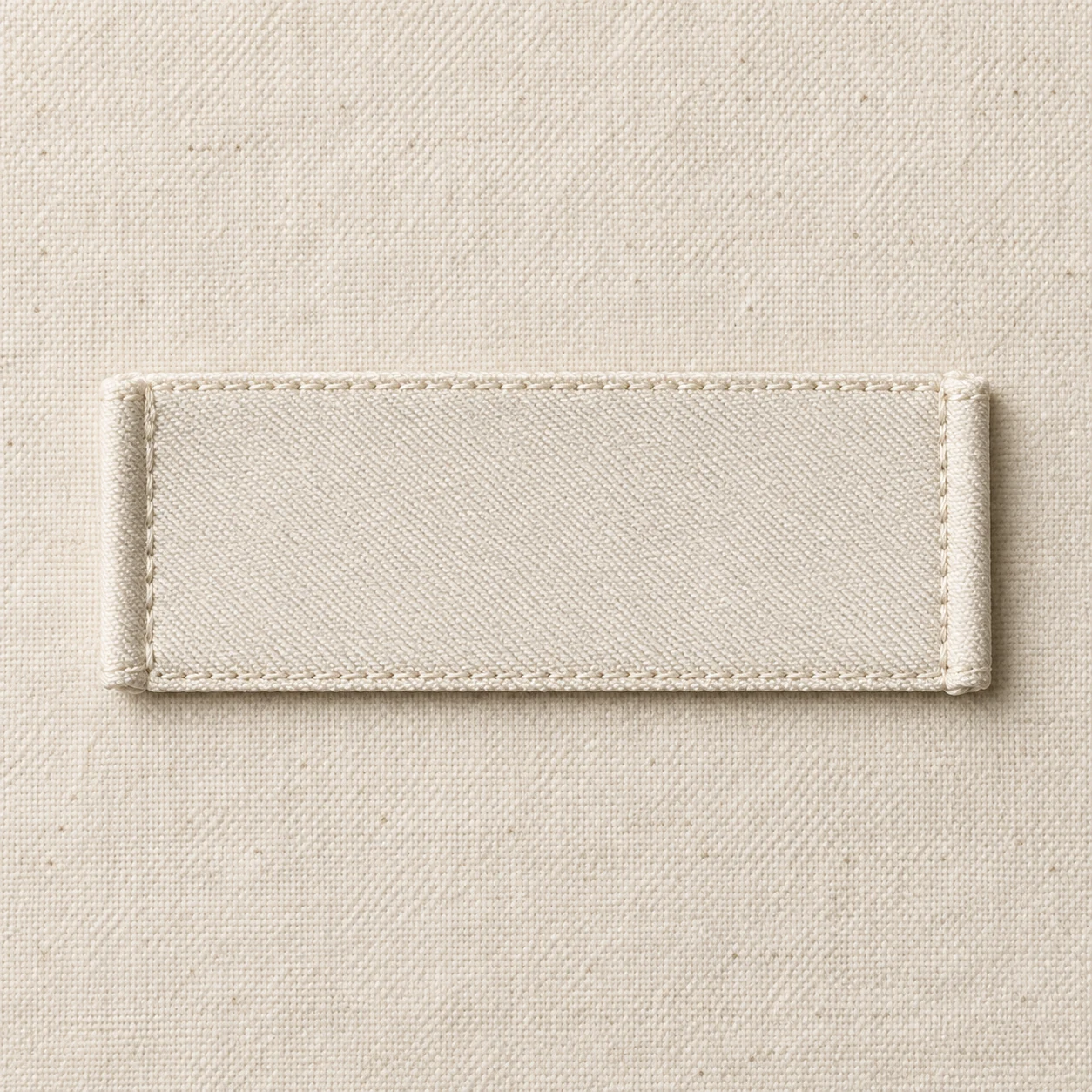
Folded edges · fine weave
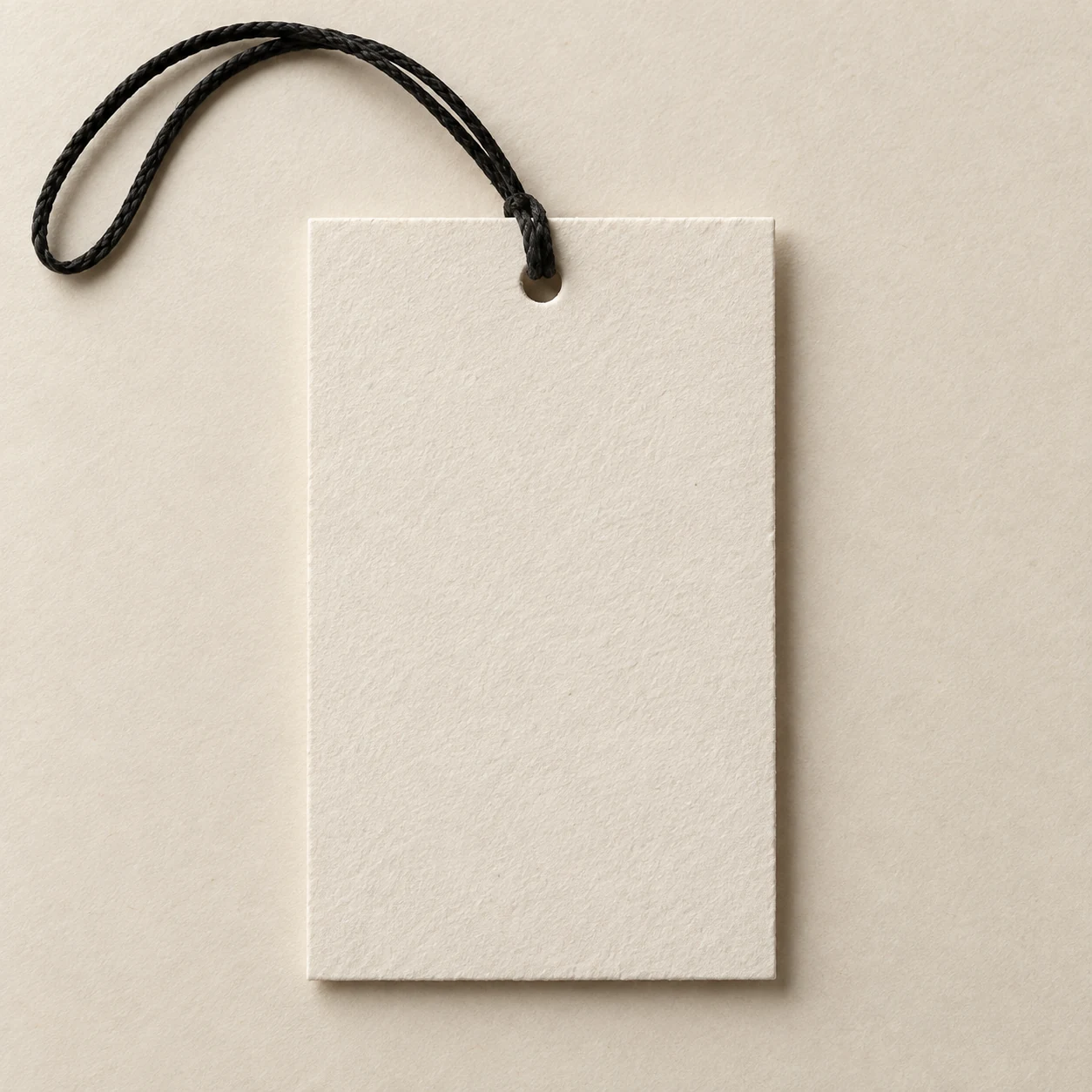
Textured stock · cord attachment
Raised edge · stitched placement
Material mockups with a live wordmark study. Print, weave, colour matching and placement are confirmed on your physical sample.
Body and lapel proportions
Set lapel width, notch position, front length and shaping for the target measurement block. Approve their relationship on the complete garment, not separate drawings alone.
Shell, lining and button colour
Provide physical colour references and trim samples. Review shell, lining, buttons and thread together, recording which components intentionally match or contrast.
Brand details
Map restrained artwork, labels or selected branded buttons in the technical brief. Sample their application for front distortion, backing contact and the intended formal appearance.
Size range and market brief
Define each measurement block and destination. Provide any discipline-specific presentation requirements for review; label, fit and competition-rule questions require their own project references.
APPROVE THE DETAIL.
THEN THE ORDER.
The first sample helps you make decisions. Define review conditions and acceptance criteria before you compare the result.
Review the equestrian competition blazer sample
Sampling takes 7–10 working days from the agreed start. Record each decision against the dated sample before bulk approval.
Rider, material direction, measurements and artwork.
DEFINE THE STARTTurn the agreed direction into a garment to review.
7–10 WORKING DAYSReview fit, finish and changes. Confirm the final specification.
REVISE IF NEEDEDProceed with agreed quantities, colours, labels and packing.
30–45 WORKING DAYSA shared development direction
Bring reference garments, your rider profile, target colours and any artwork. We turn these into the measurements, materials and construction questions that the sample needs to resolve.
Sample feedback can return to development. Revisions and transit are planned separately; timing begins from the agreed specification and start date.

KEEP THE APPROVAL.
WITH THE ORDER.
One agreed reference for the workroom: the dated sample, its specification and your confirmed order breakdown.
Sample decisions
- Lapel and shaped-front appearance
Photograph both fronts under consistent review conditions before and after agreed pressing and care. Record notch symmetry, lapel roll, seam puckering, front-edge shape and any visible support impression on the selected shell.
- Closure alignment and strain
Check button spacing, buttonhole position and front overlap on the assembled sample. Review operation and strain standing and seated over the named shirt, keeping the agreed fastening state with the approval record.
- Sleeve reach and lining allowance
Repeat the specified forward-reach sequence with bent elbows. Inspect cuff movement, shoulder/back pull, lining drag and body lift across the planned fit sizes, then record pattern corrections at named measurement points.
Style, colour & size allocation
Confirm each style and colour separately, with the size allocation attached. The minimum is 300 pieces per style, per colour.
Labels, packing & timing
Agree label artwork, packing instructions and the production start. Bulk production takes 30–45 working days from the confirmed start; revisions and transit are planned separately.
A CLEARER BRIEF.
A MORE USEFUL QUOTE.
Price follows an agreed product, quantity and delivery scope. Use these inputs to compare proposals on the same basis.
Shell and support package
Shell selection, facing/support compatibility, lining and colour development affect material and sampling costs. Quote against named references and the intended care route.
Shaping and finishing
Darts, princess seams, lapel/front-edge work, centre vent and pressing require construction review. Additional fitting corrections or a changed support system alter development scope.
Pockets and branded trims
Flap proportions, pocket-bag construction, button specification and decoration trials add separate components and operations. Confirm artwork and trim changes before comparing bulk quotations.
Approval sequence and dates
Sampling is 7–10 working days and bulk 30–45 working days from agreed start conditions. Material sourcing, fit revisions, evidence work and shipping need separate confirmation.
Bring these six things
Planning baseline: 300 pieces minimum per style, per colour. Sampling takes 7–10 working days; bulk production takes 30–45 working days from the agreed start.
300 pieces minimum per style, per colour. State each colour quantity separately; confirm your proposed size allocation.
GOOD QUESTIONS.
BETTER DECISIONS.
Product-specific sourcing questions to resolve before sampling.
Can REINFORM develop this equestrian competition blazer through OEM/ODM?
Yes. OEM/ODM sample development is supported for this equestrian blazer direction. Submit the construction and fit brief for material review, feasibility, sample quotation and approval. This confirms development scope, not an existing finished specification or completed production case. MOQ is 300 pieces per style, per colour.
How is this different from a show shirt or riding softshell?
It is the separate formal outer garment: notch lapels, a three-button front, shaped darts and princess seams, light lining, flap pockets and a centre vent. The shirts remain inner garments; the existing softshell has a stand-collar zip-front shell brief.
Does the development brief establish competition approval or tested performance?
No. The intended federation, discipline and market requirements need their own review. The concept establishes no certification, waterproofing, material rating or protective compatibility. Agree the selected construction and appropriate evidence before using any such claim.