 REINFORM
Develop the Hood, Body and Team Identity Together
Hoodie manufacturer for equestrian team development.
Brief a hoodie manufacturer on full-zip equestrian teamwear: three-panel hood, raglan fit, rib edges, pockets and sample approval. MOQ 300 per style/colour.
CONTENT REVIEW /
A development direction for your brand. Final material, construction and performance by specification and sample approval.START WITH
THE RIDER.
For equestrian brands and teamwear programmes developing an original hooded knit layer for the US, UK and Europe, with their own fit and artwork requirements.
Product development context
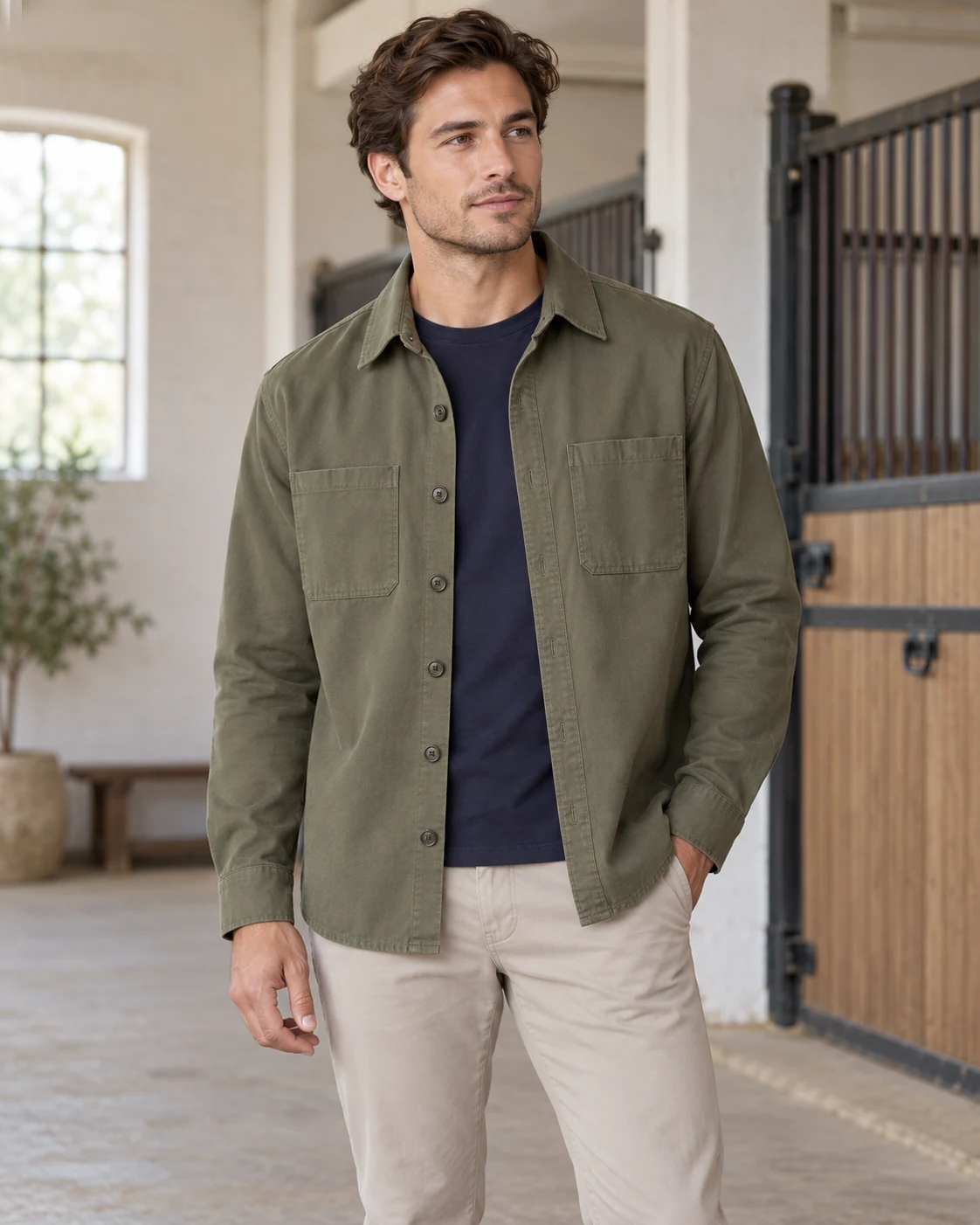
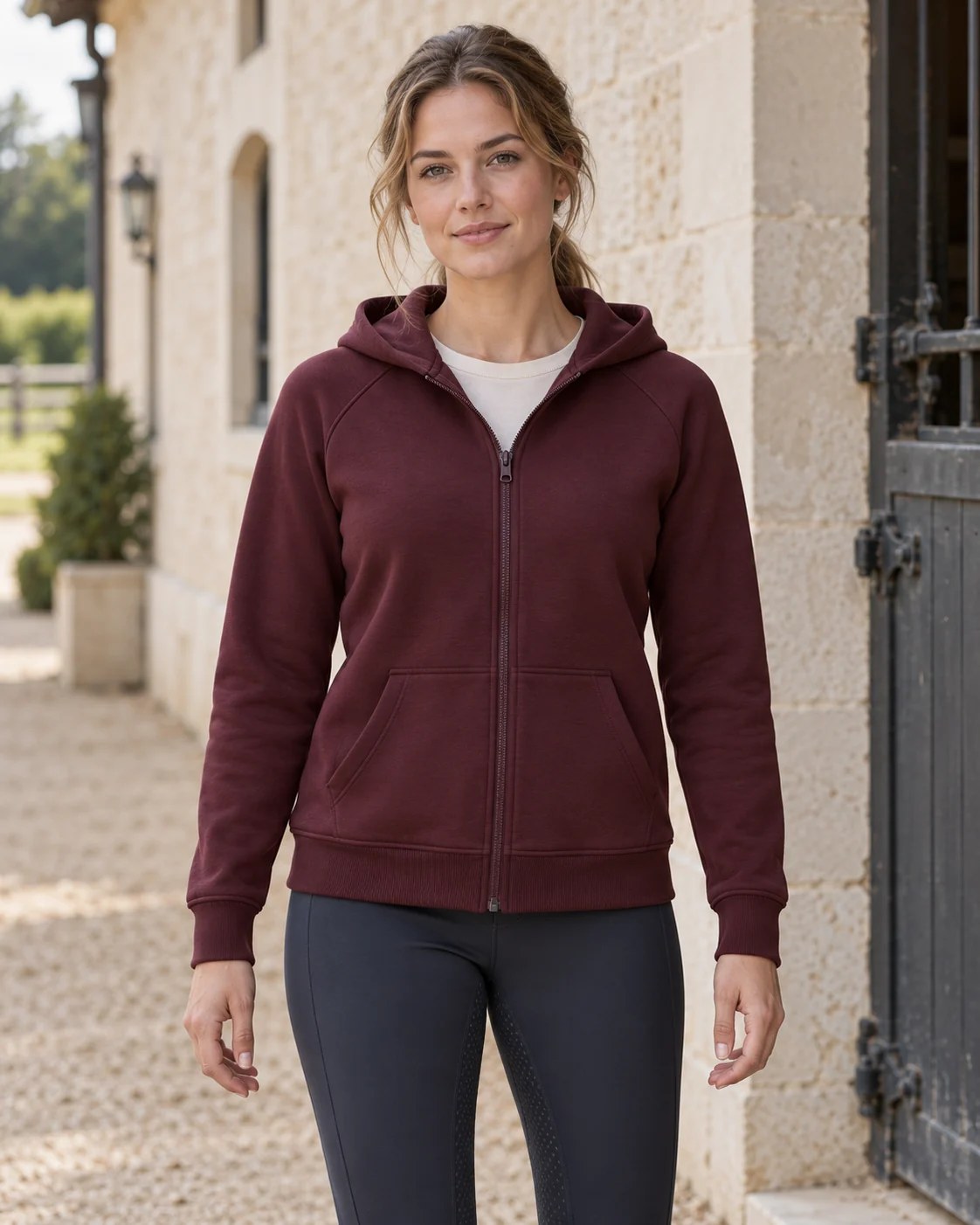
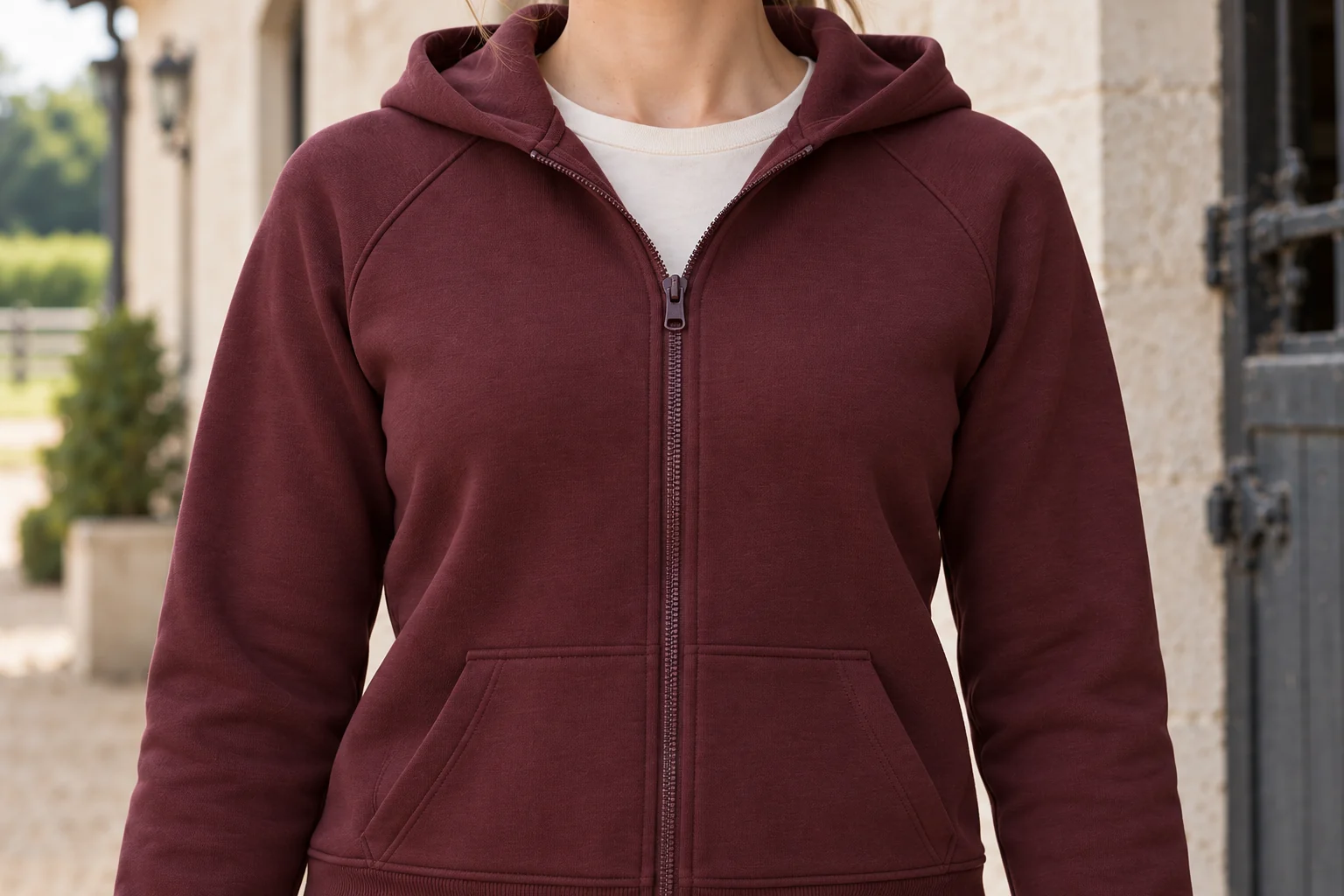
Bring your brief to REINFORM when selecting a hoodie manufacturer for equestrian teamwear development. This burgundy direction combines a fixed three-panel hood, raglan long sleeves, a tonal full-length zip, split kangaroo pockets and rib cuffs and hem. The proposed knit has a smooth face and brushed reverse; its composition and weight remain unselected. Develop it as an independent layer over the named shirt for adult team, stable and travel use. Hood balance, pocket support and edge recovery create a different brief from the existing stand-collar fleece jacket. Confirm materials, construction feasibility, sample quotation and approval during project development; the concept establishes no tested performance or existing stock.
Balance the hood at the neckline
Specify the centre and side panels, opening shape and hood-to-neck seam. Review the hood raised and resting behind the neck; its weight should be assessed for front-neck pull and shoulder distortion on the actual sample.
Approve the zip against the knit
Compare the selected body, support and zip tape as an assembled front. Check waviness and equal front lengths before and after agreed care, rather than approving a loose zip or a flat fabric swatch alone.
Give team artwork a stable position
Place artwork around the raglan seams, pocket openings and moving front edges. Agree the wearer list and placement revision before decoration trials; a logo must be approved on the actual knit and backing combination.
THE FABRIC
SETS THE FEEL.
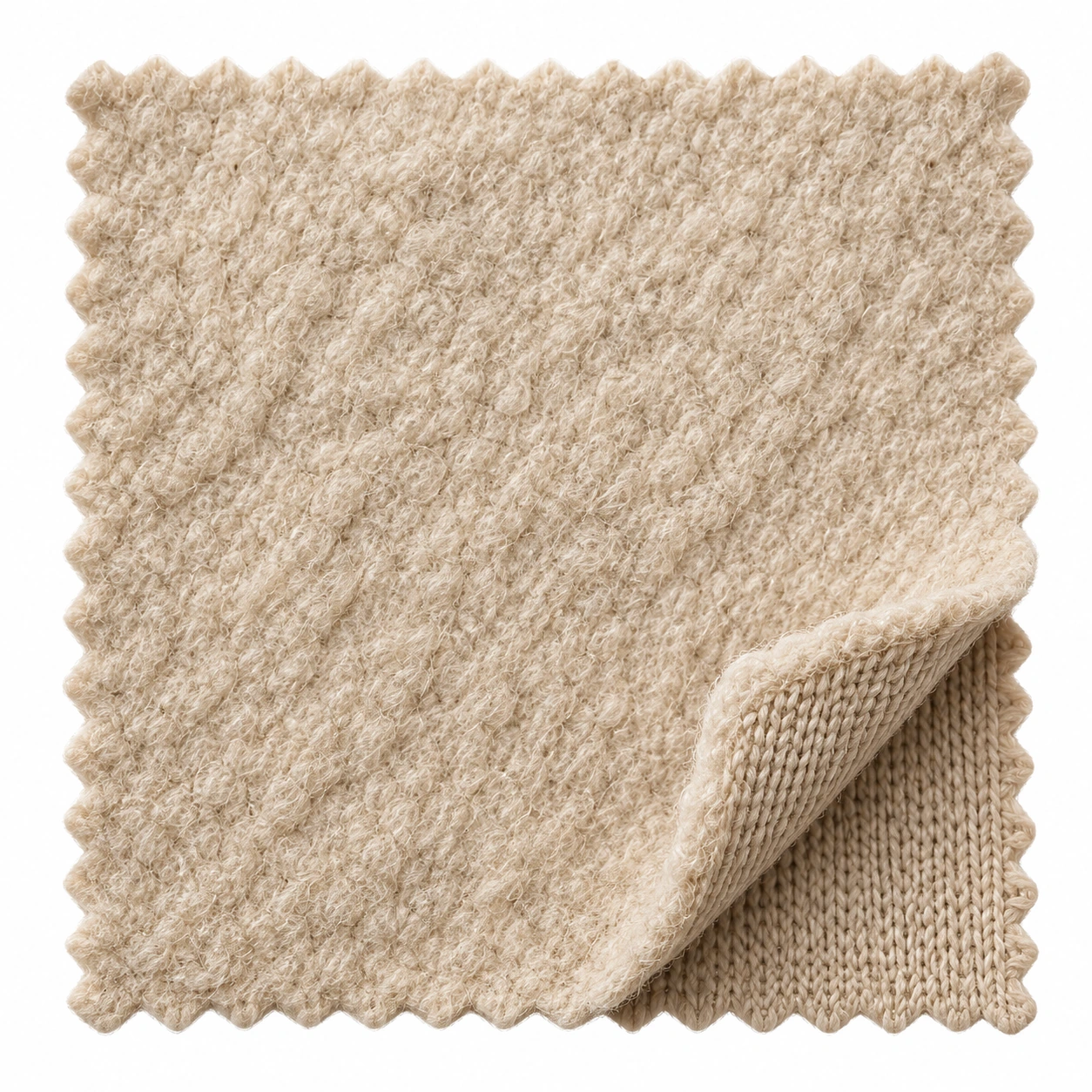
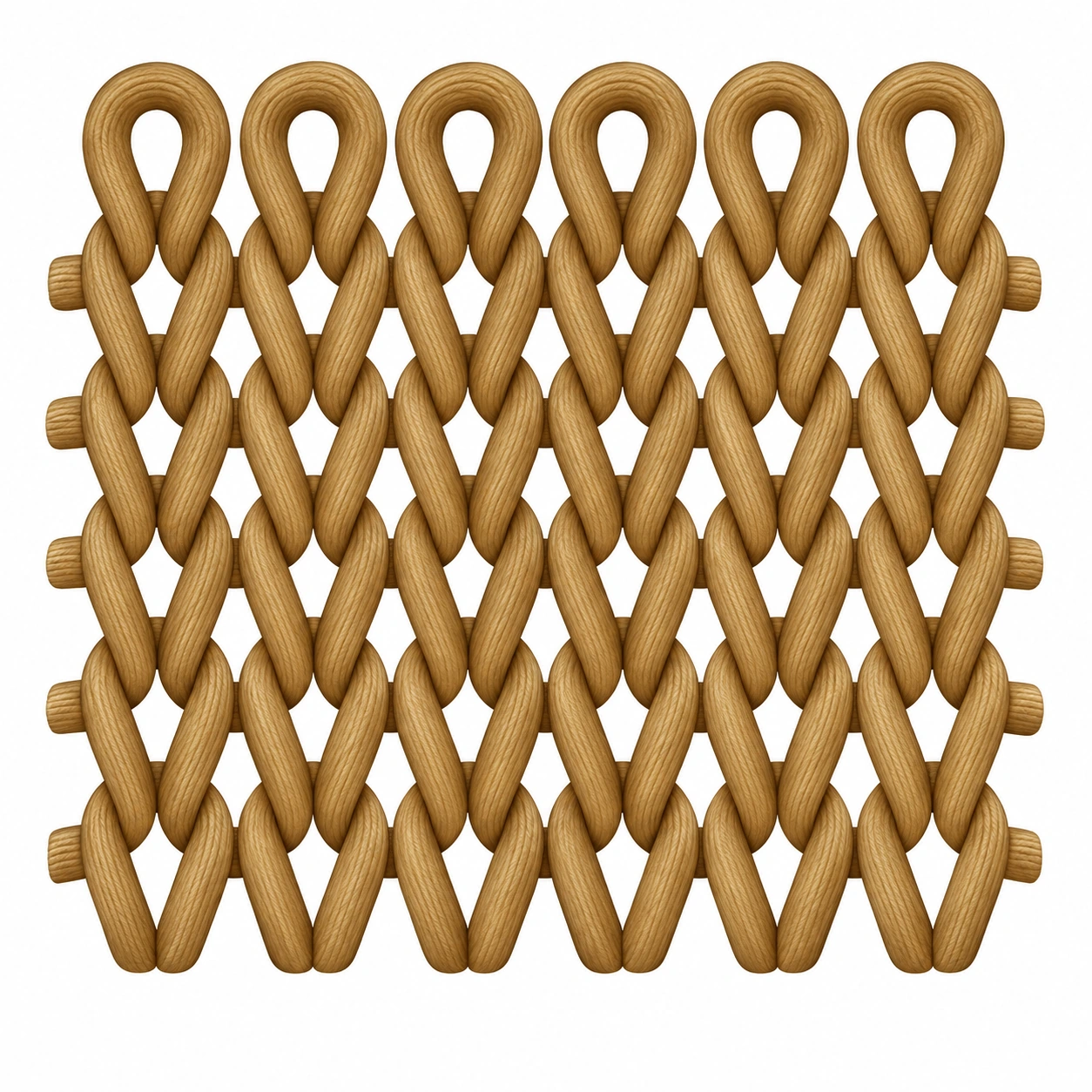
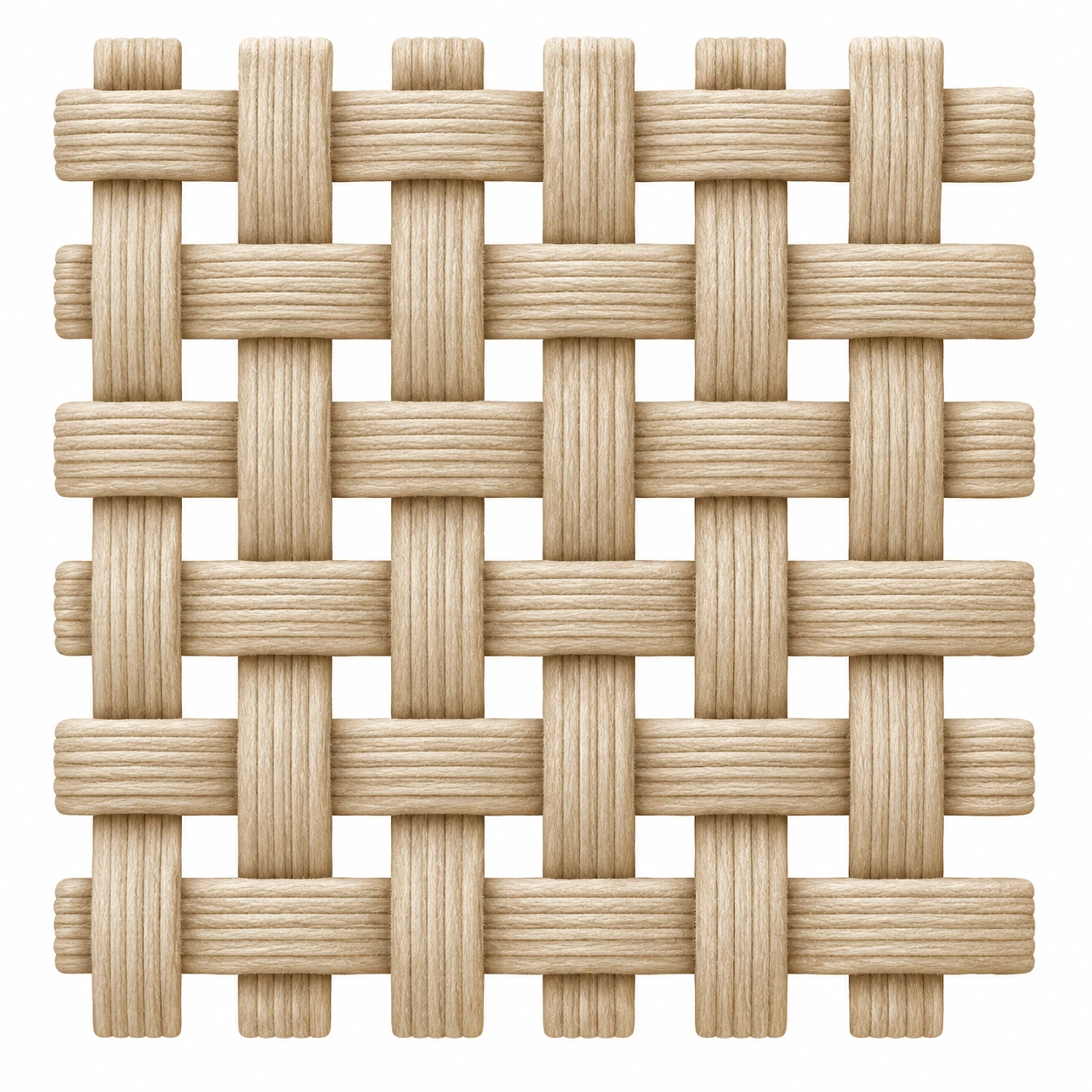
Compare material directions against your rider, climate and care expectations. Request the actual fabric specification and evidence for any performance claim.
| Material direction | Why consider it | What to verify |
|---|---|---|
| Smooth-face brushed knit body | The selected direction presents a smooth outer face and brushed reverse. Actual thickness, stretch, hand and composition must suit the intended shirt-layer allowance. | Record the physical reference and assess surface change, colour transfer and dimensional behaviour after agreed care. Do not derive warmth, pilling or drying claims from the brushed appearance. |
| Rib cuffs and lower band | Separate rib components define the wrist and lower opening. Their extension, recovery and finished depth need to be developed with the body rather than selected by colour alone. | Review cuff passage and hem recovery on assembled joins. Compare care-related change, shade and seam distortion between rib and body using the proposed finished-garment routine. |
| Hood, pocket and zip-support components | The hood's inside finish, pocket support and front stabilisation can need different treatment from the main body. Keep each reference identifiable in the BOM. | Check neckline bulk, pocket-opening extension and front-edge stability. Approve compatible components through a sewn trial before fixing support, backing or pocket construction. |
These are sourcing comparisons, not a list of stocked or certified fabrics. Confirm composition, weight, finish, availability and testing with the material selected for your project.
 DEVELOPMENT DETAIL / HOOD, ZIP & POCKETS
IT’S IN
THE DETAILS.
What your hoodie manufacturer needs
Draw the fixed three-panel hood with no drawcords or eyelets. Mark panel orientation, matching points, seam allowance and inner finish; record the opening and neck-seam measurement methods so size changes remain traceable.
Raglan sleeve and underarm joins
Set raglan seam routes and sleeve pitch over the named shirt. Review front and back reach and inspect underarm intersections for bulk. More sleeve width should not substitute for correcting an unbalanced seam route.
Tonal zip and rib junctions
Specify zip length, puller access and inside coverage, keeping the two lower-band ends level. Review how body, rib and tape feed together; Coats identifies uneven feeding and component dimensional differences among possible puckering causes.
Split kangaroo pockets
Keep the two pocket sections separate across the full front opening. Define entry shape, usable depth and attachment. Load them with the agreed objects to inspect opening sag, front-edge pull and pocket-corner stress.
FROM THE BRIEF.
INTO THE WORKROOM.
Layers, movement and hardware belong in one development conversation. Resolve them on the sample before bulk.
Explore our factory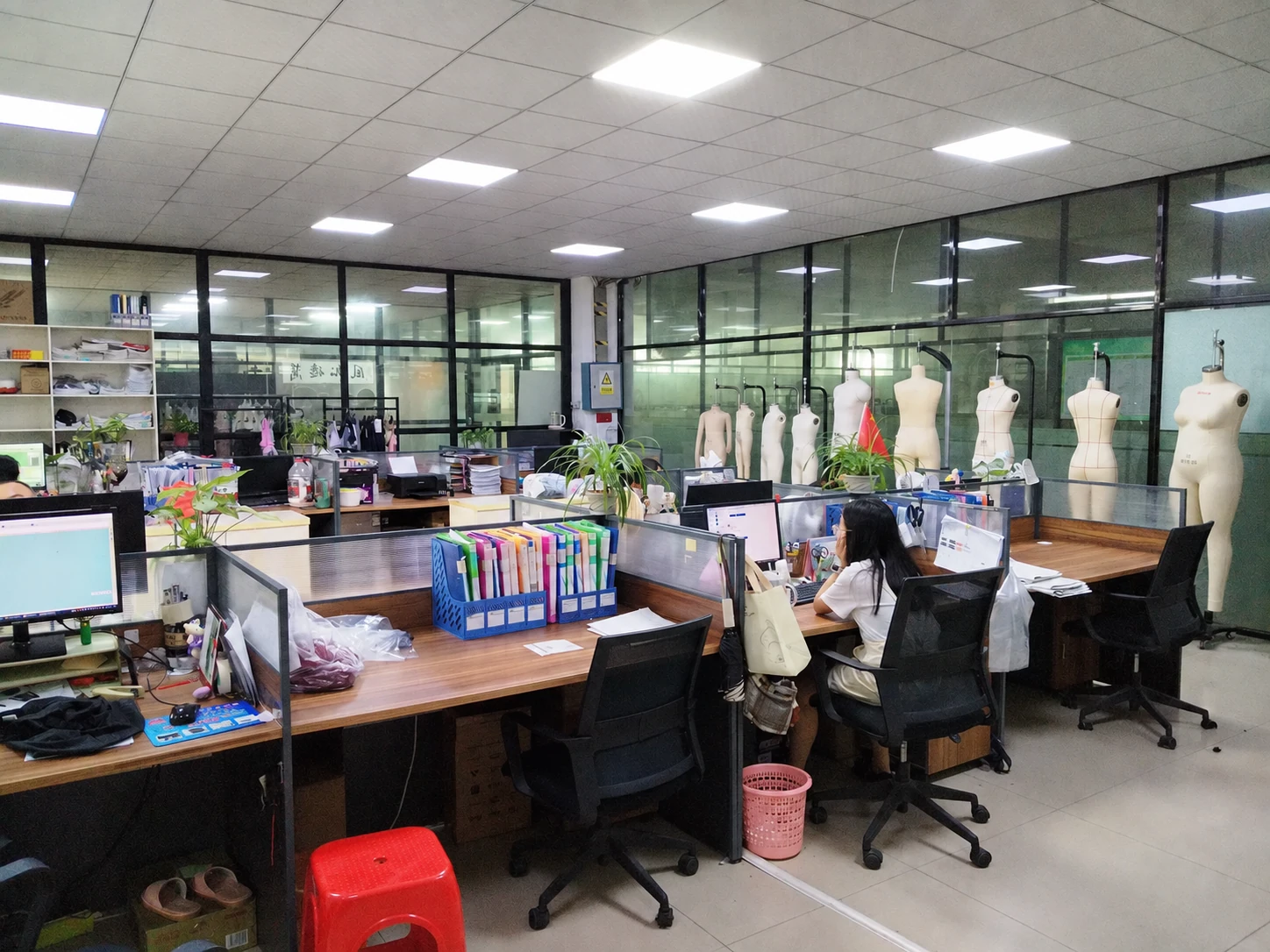
What your hoodie manufacturer needs
Draw the fixed three-panel hood with no drawcords or eyelets. Mark panel orientation, matching points, seam allowance and inner finish; record the opening and neck-seam measurement methods so size changes remain traceable.
Carry this into approval Factory views show our working environment. Your garment follows its agreed specification and sample.GET THE
RIGHT FIT.
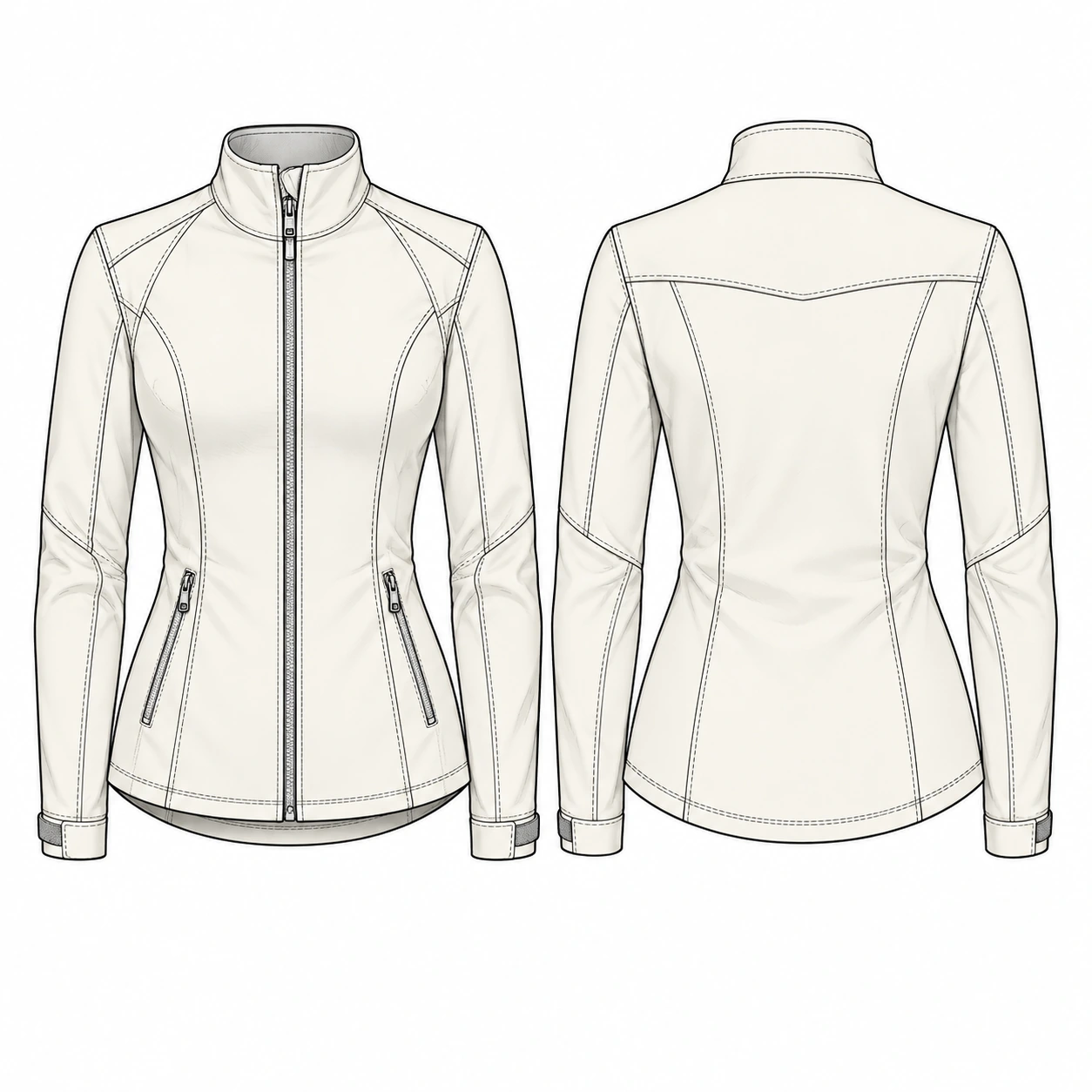
- AChest
- BShoulder span
- CSleeve length
- DBack length
A size label is only the beginning. Agree the measurement method, review the garment in use and keep the approved fit record with your specification.
Your fit-session checklist
Record the size worn, body measurements, intended underlayers and every proposed correction with the dated sample.
Note the size worn, body measurements, intended underlayers and each proposed correction. Recheck the affected measurement after a revision; confirm the size breakdown for each style and colour before bulk.
MAKE IT
RECOGNISABLY YOURS.
Use the product’s construction to guide decoration and finishing. Ask for placement, colour and material approval on the relevant sample.
Small details.
One identity.
Folded edges · fine weave
Textured stock · cord attachment
Raised edge · stitched placement
Material mockups with a live wordmark study. Print, weave, colour matching and placement are confirmed on your physical sample.
Team colour references
Set separate references for the body, rib, zip tape and artwork. Approve their relationship together; matching colour names do not establish a matching shade.
Artwork and allocation
Provide logo dimensions, location and any individual name list. Sample the application and approve the current roster and packing allocation before bulk decoration.
Hood and edge proportions
Develop hood opening, panel balance, cuff depth and lower-band depth within this fixed, uncorded direction. Evaluate proportion changes on the complete layered sample.
Labels and packing
Submit label artwork, placement, destination countries and size identification. Confirm the selected-material declarations, care basis and team packing references before releasing the specification.
APPROVE THE DETAIL.
THEN THE ORDER.
The first sample helps you make decisions. Define review conditions and acceptance criteria before you compare the result.
Review the full-zip equestrian team hoodie sample
Sampling takes 7–10 working days from the agreed start. Record each decision against the dated sample before bulk approval.
Rider, material direction, measurements and artwork.
DEFINE THE STARTTurn the agreed direction into a garment to review.
7–10 WORKING DAYSReview fit, finish and changes. Confirm the final specification.
REVISE IF NEEDEDProceed with agreed quantities, colours, labels and packing.
30–45 WORKING DAYSA shared development direction
Bring reference garments, your rider profile, target colours and any artwork. We turn these into the measurements, materials and construction questions that the sample needs to resolve.
Sample feedback can return to development. Revisions and transit are planned separately; timing begins from the agreed specification and start date.

KEEP THE APPROVAL.
WITH THE ORDER.
One agreed reference for the workroom: the dated sample, its specification and your confirmed order breakdown.
Sample decisions
- Hood and neckline balance
Compare both hood positions over the approved shirt layer. Record front-neck pull, shoulder lift, seam symmetry and the inside finish, then carry any correction into the dated pattern and measurement revision.
- Front zip and rib alignment
Measure both front edges and operate the zip on the garment. Inspect tape waviness, uneven rib ends and local puckering before and after the agreed care process; record where the appearance changes.
- Reach and layer passage
Review forward reach, bending and dressing with the named shirt. Check raglan joins, underarm bulk, cuff passage and hem movement across the intended sizes, rather than transferring one wearer's approval to the range.
Style, colour & size allocation
Confirm each style and colour separately, with the size allocation attached. The minimum is 300 pieces per style, per colour.
Labels, packing & timing
Agree label artwork, packing instructions and the production start. Bulk production takes 30–45 working days from the confirmed start; revisions and transit are planned separately.
A CLEARER BRIEF.
A MORE USEFUL QUOTE.
Price follows an agreed product, quantity and delivery scope. Use these inputs to compare proposals on the same basis.
Body and rib selection
Material construction, thickness, colour development and compatible rib minimums influence the quote. Compare proposals against the same references and care requirements.
Hood and front assembly
Three-panel hood finishing, zip support, guards and the lower-band junction affect cutting and sewing. Record proposed alternatives as separate construction versions.
Team decoration
Artwork trials, individual names and allocation changes add setup and handling. Separate development revisions and decoration charges from the garment bulk quotation.
Approvals and schedule
Sampling is 7–10 working days and bulk 30–45 working days from agreed start conditions. Confirm material readiness, revision rounds, team allocation and transport separately.
Bring these six things
Planning baseline: 300 pieces minimum per style, per colour. Sampling takes 7–10 working days; bulk production takes 30–45 working days from the agreed start.
300 pieces minimum per style, per colour. State each colour quantity separately; confirm your proposed size allocation.
GOOD QUESTIONS.
BETTER DECISIONS.
Product-specific sourcing questions to resolve before sampling.
Can this be developed as original equestrian teamwear?
Yes, bring the complete brief for OEM/ODM sample development. Review materials, hood and pocket construction, fit, artwork and the sample quotation together. This proposed direction is not an existing approved stock garment; MOQ is 300 pieces per style, per colour.
Is this the existing full-zip fleece jacket with a new name?
No. This brief includes a fixed three-panel hood, raglan sleeves, split kangaroo pockets and rib edges in a smooth-face brushed-knit direction. The existing fleece jacket has a stand collar and a different material, opening and pocket-development brief.
Does a brushed reverse establish a warmth or anti-pilling claim?
It establishes neither. Agree the material identity and relevant evidence for any intended claim. Intertek lists separate care, colourfastness and physical-testing categories; selecting a category does not mean this hoodie has a report or a guaranteed performance level.