 REINFORM
Develop the Midlayer Around Riding Movement
Fleece jacket manufacturer for equestrian OEM development.
Brief a fleece jacket manufacturer on equestrian OEM development: full zip, collar, mounted fit, material approval and QC. MOQ 300 per style/colour.
CONTENT REVIEW /
A development direction for your brand. Final material, construction and performance by specification and sample approval.START WITH
THE RIDER.
For brands developing equestrian collections for the US, UK and Europe, with a technical brief for original OEM/ODM sampling.
Product development context
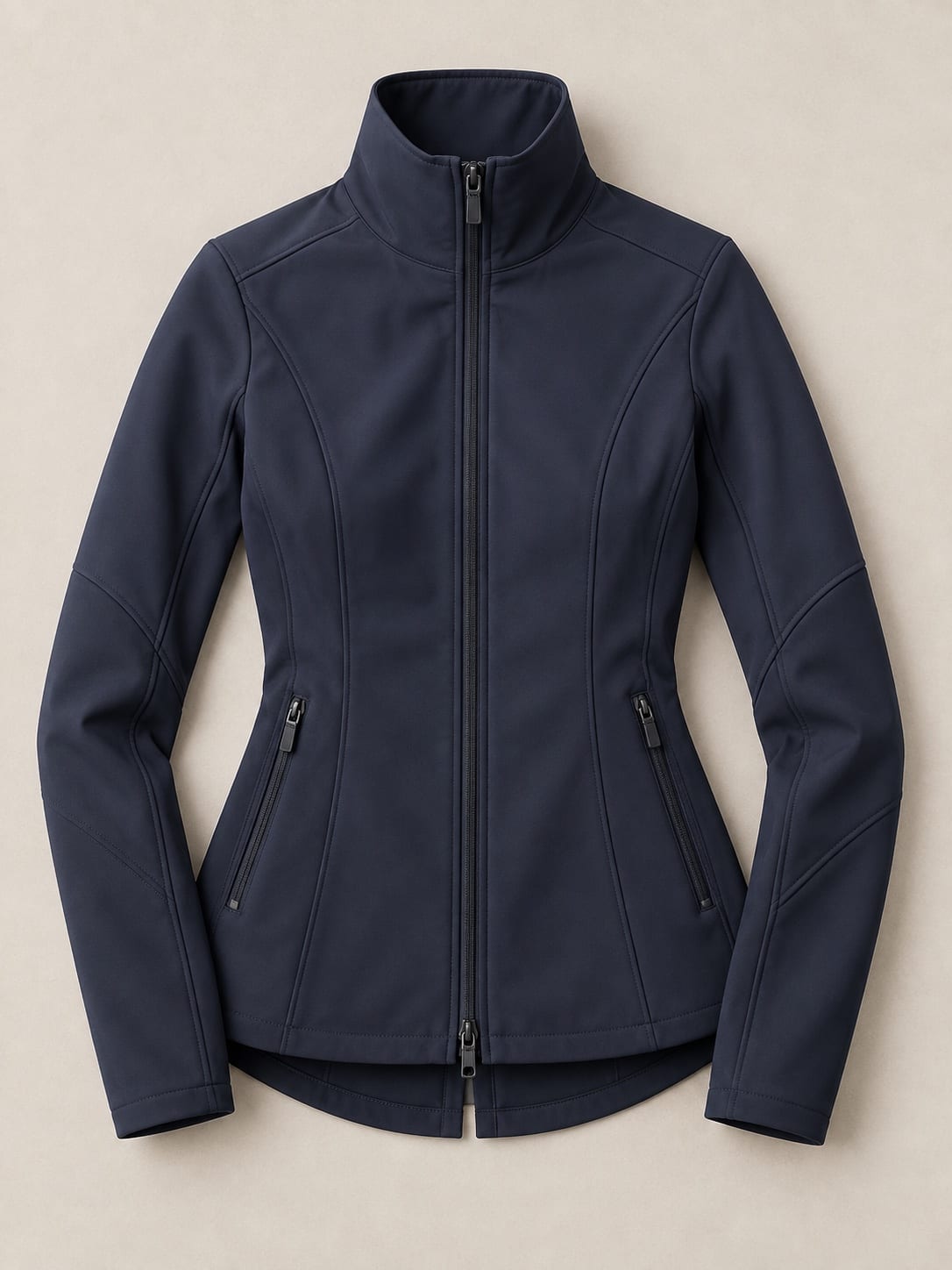
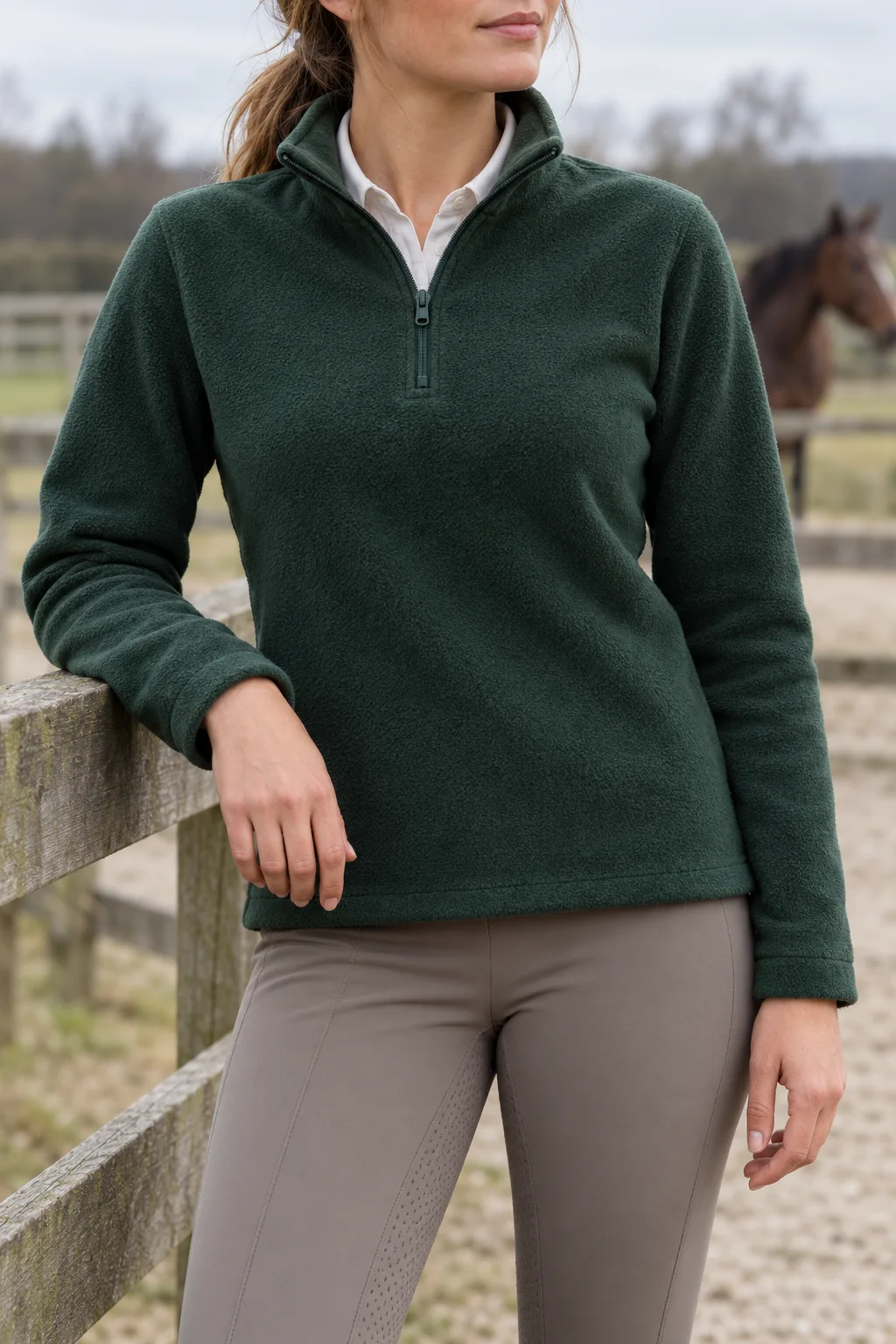
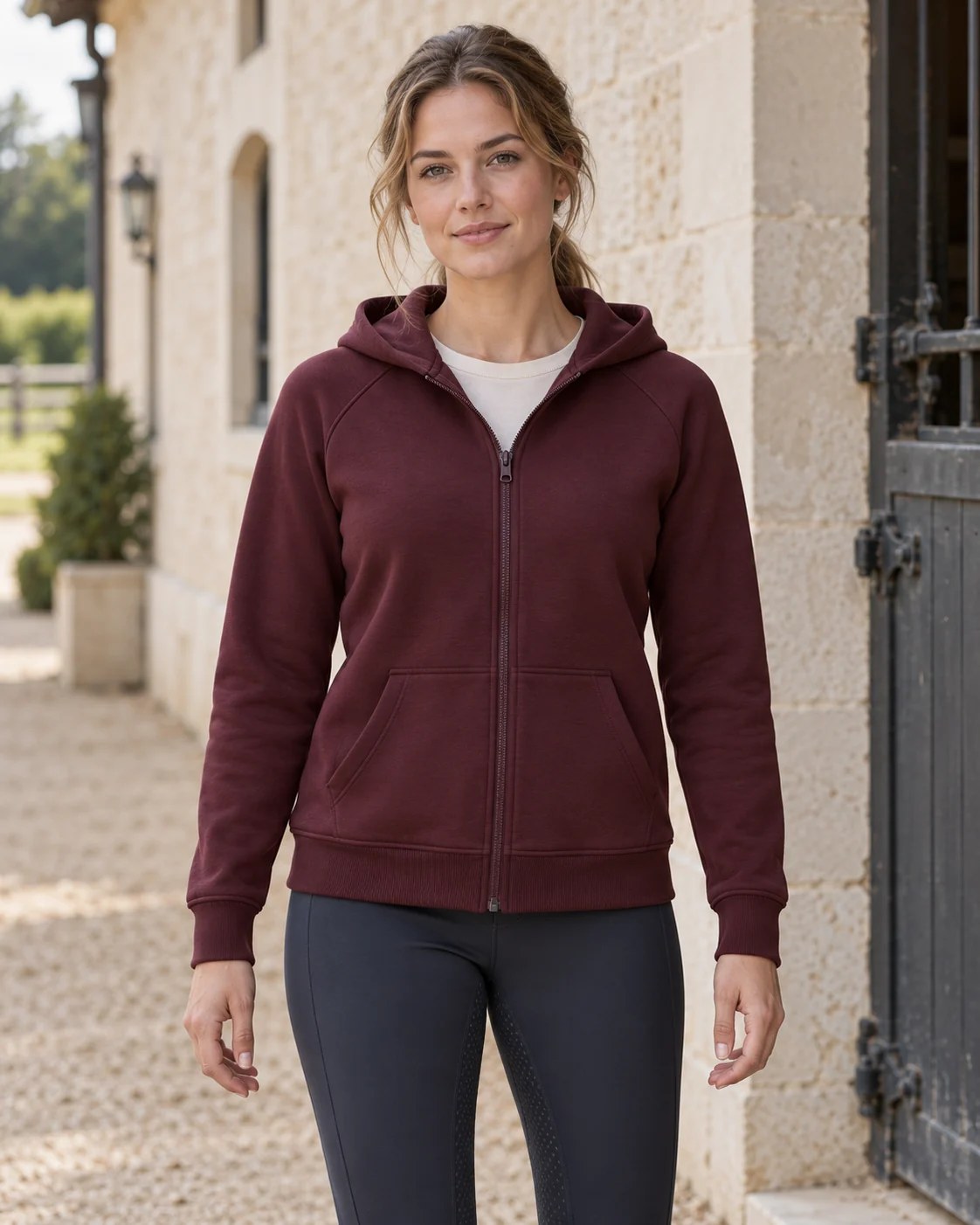
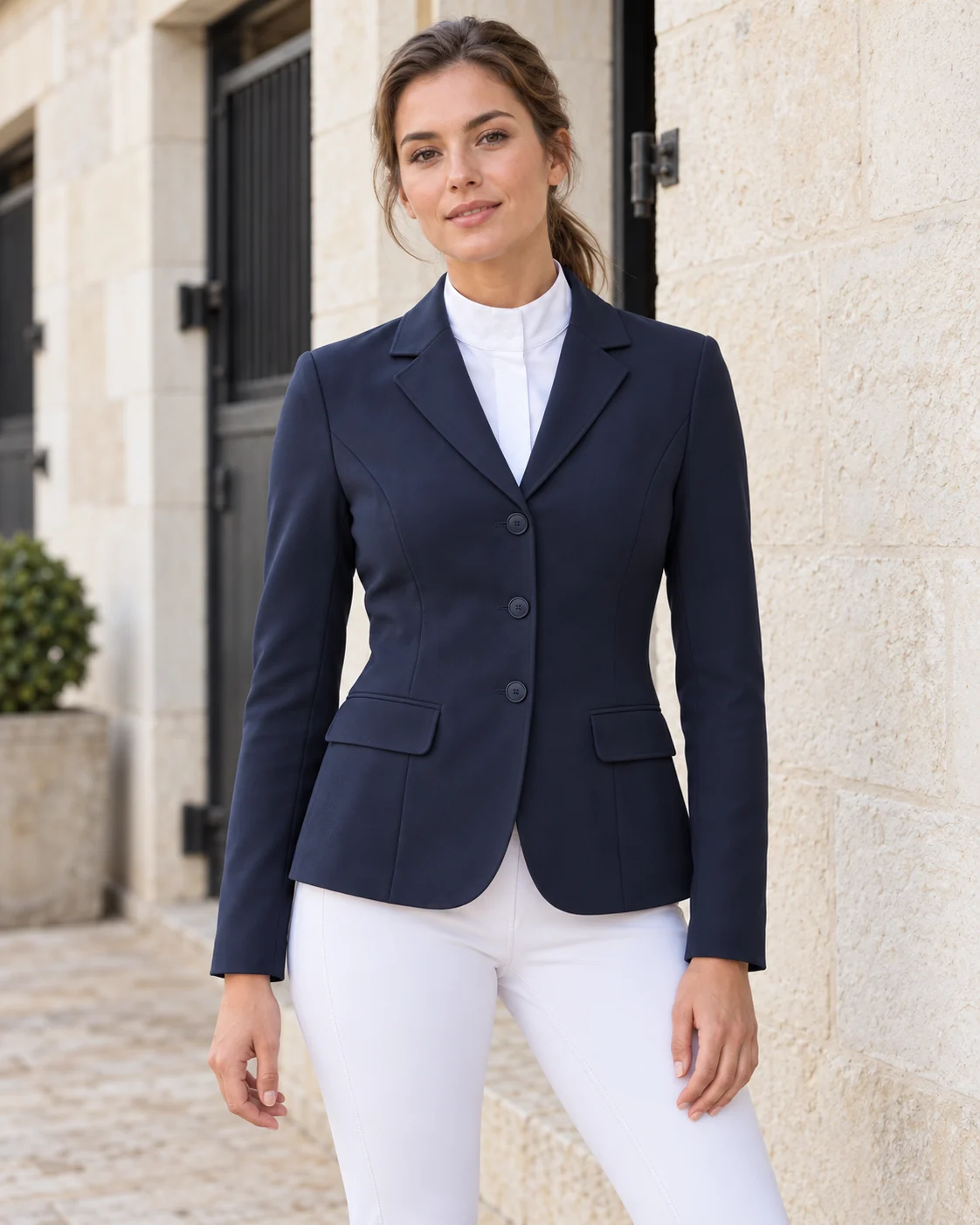
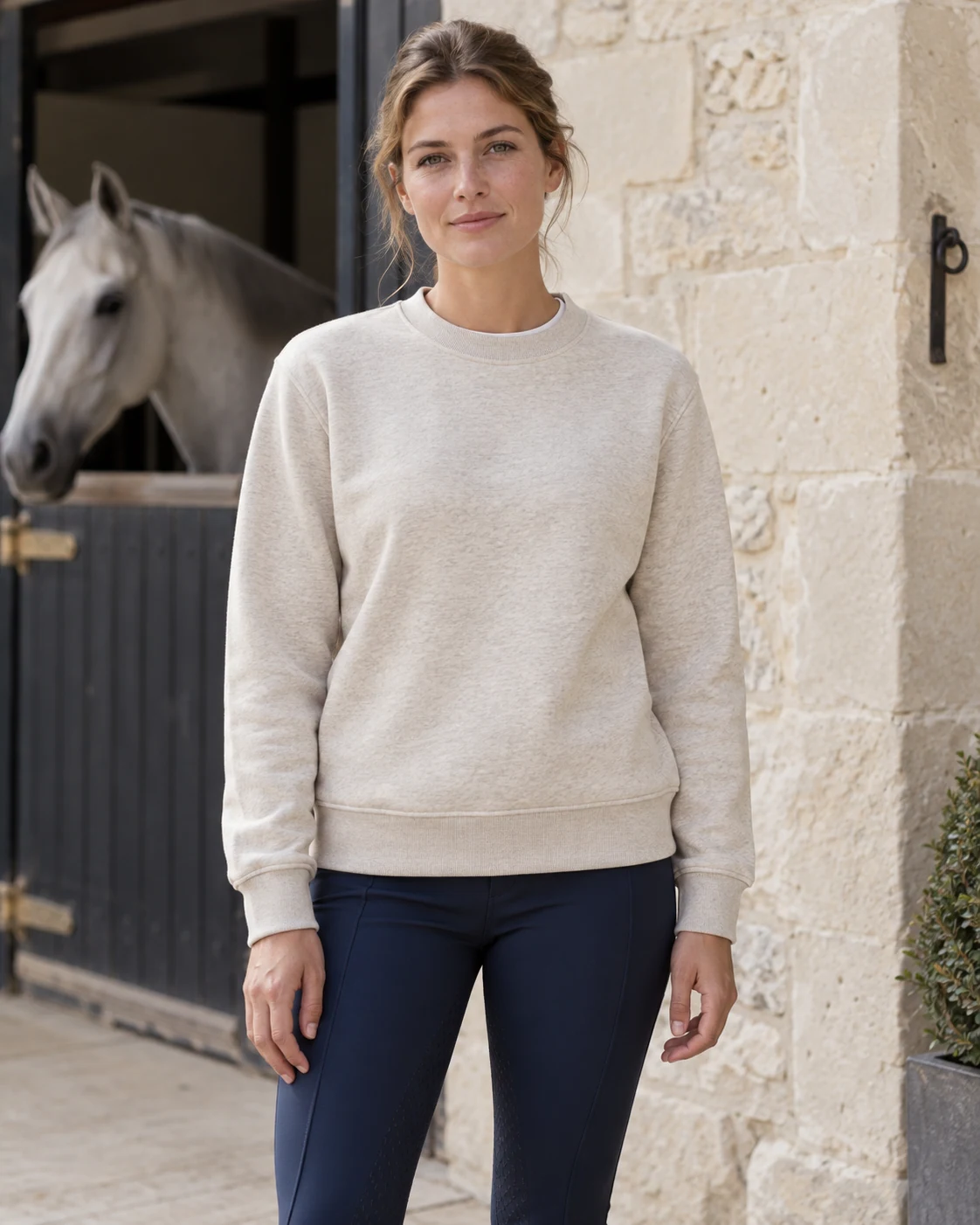
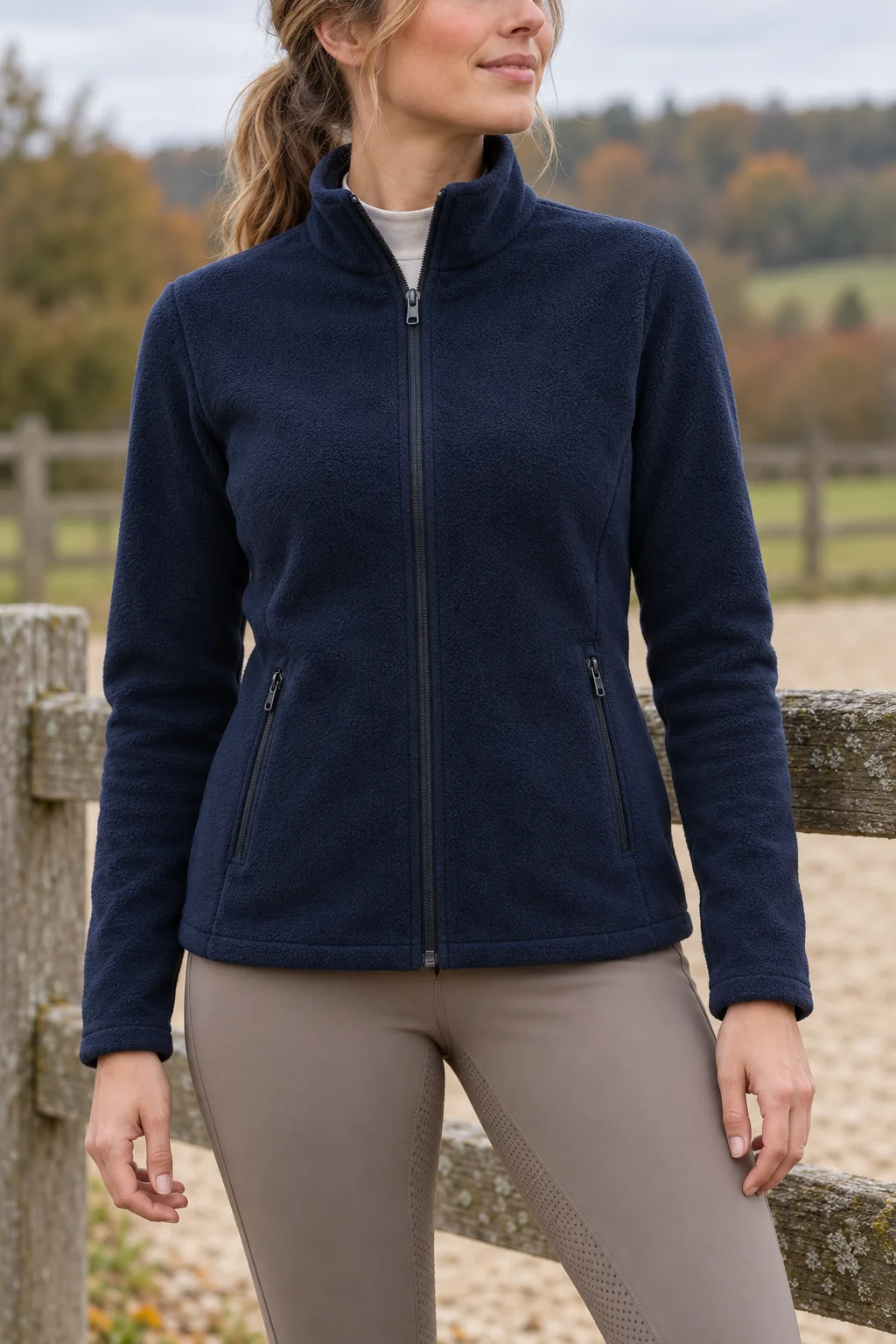
REINFORM offers OEM/ODM sample development for equestrian brands briefing a fleece jacket manufacturer. This full-zip direction is a separate, long-sleeved midlayer with a stand collar and no hood. Define its place over a riding shirt and beneath the intended outer jacket before choosing fabric. It differs from a close-fitting brushed base layer, a bonded softshell and a padded stable jacket in construction and fit brief. The navy images show a proposed development direction; they establish no composition, fabric weight or tested performance. MOQ is 300 pieces per style, per colour, with final specifications agreed through development.
Set the layering allowance
Name the shirt worn underneath and the shell worn over it. Approve chest, upper-arm and cuff ease together; adding body width alone will not resolve a sleeve that catches inside the outer layer.
Specify the surface evidence
Supply a physical fleece reference and separate its appearance from proposed claims. Agree an appropriate pilling method, care conditions and acceptance criteria with the laboratory; a soft hand is no evidence of wash durability.
Review the closed front while seated
Check collar clearance, zip waviness and front-hem contact in the riding position. Record the intended closure and hem length before deciding whether a different zip arrangement needs a separate development sample.
THE FABRIC
SETS THE FEEL.
Compare material directions against your rider, climate and care expectations. Request the actual fabric specification and evidence for any performance claim.
| Material direction | Why consider it | What to verify |
|---|---|---|
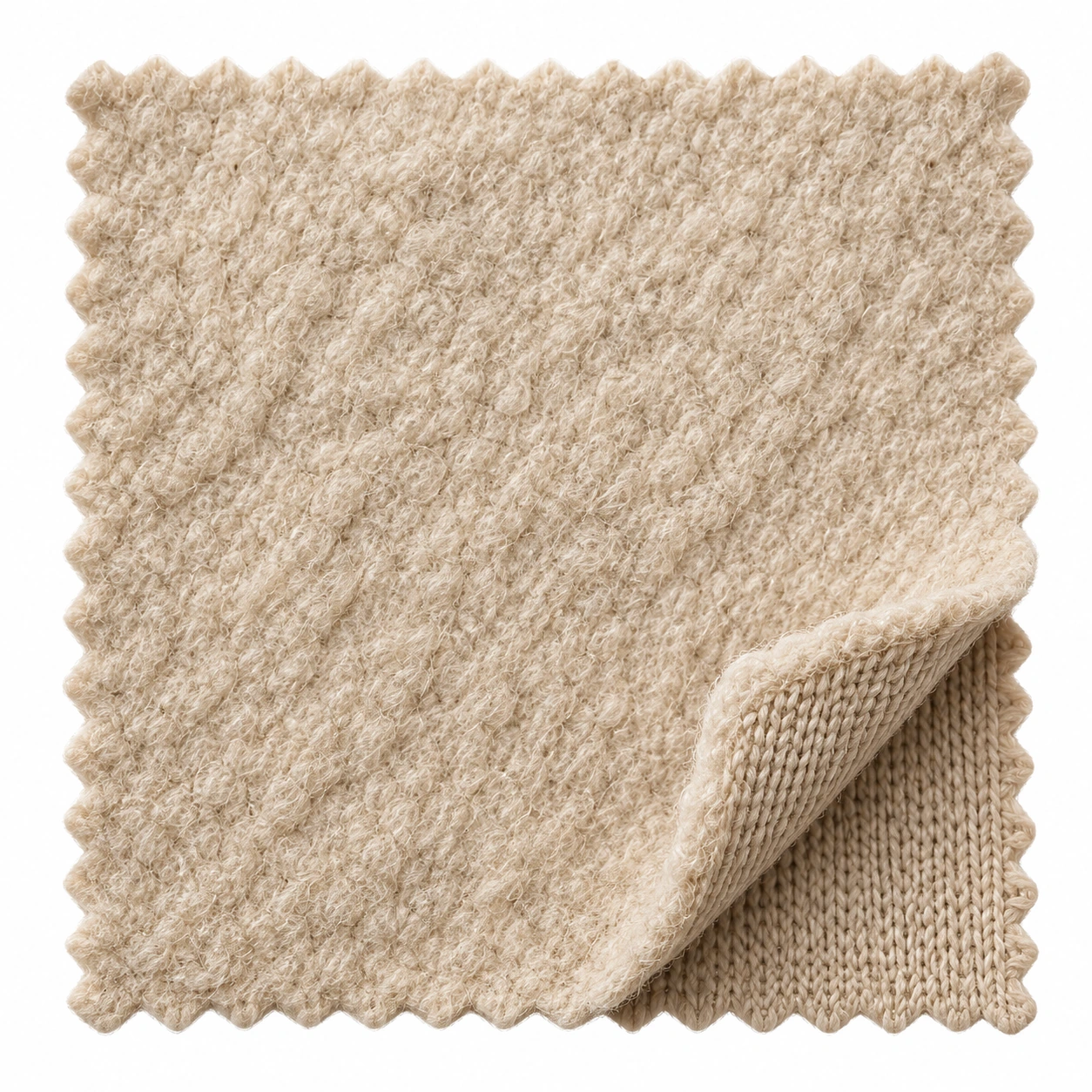
| Low-pile fleece direction | A low-pile candidate can be assessed where sleeve bulk and passage beneath an outer jacket matter. Composition, weight and stretch remain to be selected. | Compare actual swatches for thickness, recovery, shedding and post-care appearance. Agree measurable acceptance criteria before releasing the chosen material reference. |
| Fuller raised-surface fleece direction | A fuller surface offers a different visual and tactile direction. Its suitability depends on the approved layer combination rather than the concept image. | Review seam bulk, collar turnover and pocket outline on the garment. Any warmth or anti-pilling claim requires relevant evidence for the specified material. |
| Pocketing, facing and edge materials | Pocket bags and local facings can be selected separately to manage opening stability and internal bulk. They need their own material and colour references. | Check colour transfer, seam behaviour and dimensional compatibility after agreed care. Approve facing contact at the chin and pocket-bag movement against the base layer. |
These are sourcing comparisons, not a list of stocked or certified fabrics. Confirm composition, weight, finish, availability and testing with the material selected for your project.
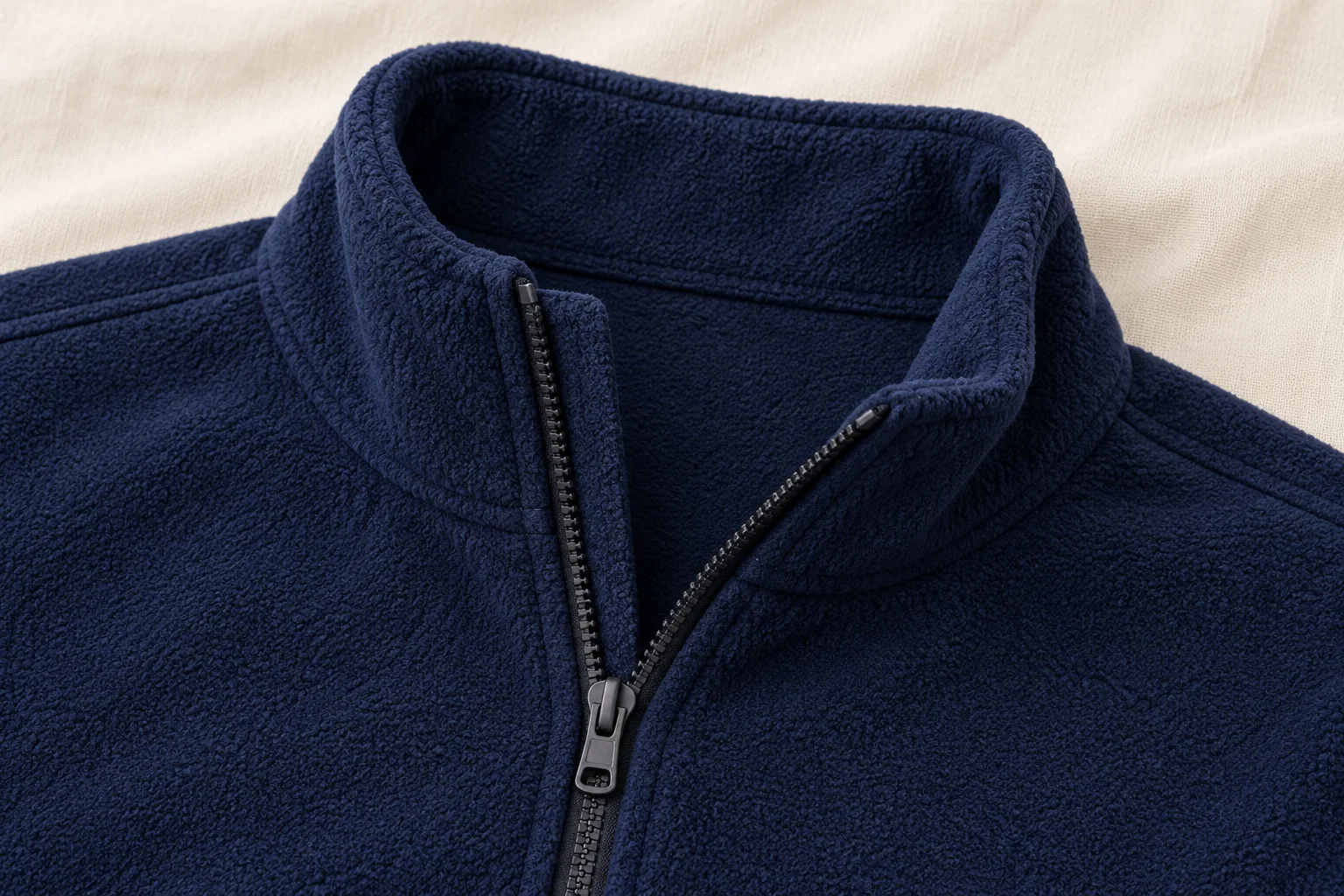 DEVELOPMENT DETAIL / FLEECE, ZIP & GUARD
IT’S IN
THE DETAILS.
Brief your fleece jacket manufacturer
Identify the chosen fleece, surface direction and panel orientation in the BOM. Mark seam allowances and internal finishes, then inspect an assembled sample for trapped pile, uneven edges and bulky seam intersections.
Full zip, guard and stand collar
Specify zip type, length, puller and guard coverage without assuming a brand. Check insertion symmetry, chin contact and gloved operation; the collar must permit head movement without pushing the zip against the throat.
Sleeves and riding hem
Shape the sleeve and body around forward reach. Assess cuff migration and front-hem folding while seated, then confirm back coverage over the waistband without fabric collecting against the saddle.
Pocket position and attachment
Draw opening height, bag depth and attachment points. Check the agreed test objects when seated and reaching; a pocket approved empty can pull the side seam or create a pressure point when loaded.
FROM THE BRIEF.
INTO THE WORKROOM.
Layers, movement and hardware belong in one development conversation. Resolve them on the sample before bulk.
Explore our factory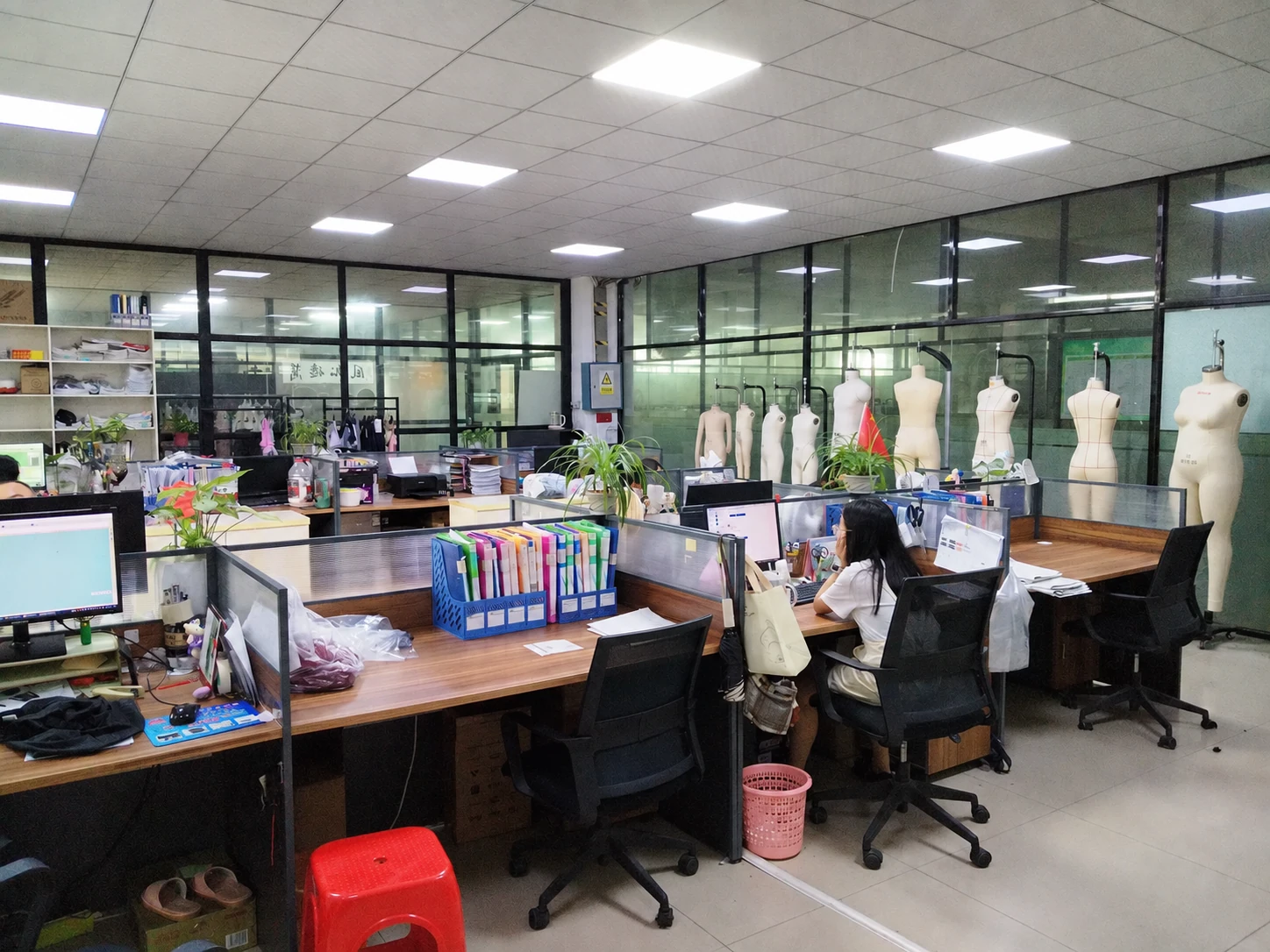
Brief your fleece jacket manufacturer
Identify the chosen fleece, surface direction and panel orientation in the BOM. Mark seam allowances and internal finishes, then inspect an assembled sample for trapped pile, uneven edges and bulky seam intersections.
Carry this into approval Factory views show our working environment. Your garment follows its agreed specification and sample.GET THE
RIGHT FIT.
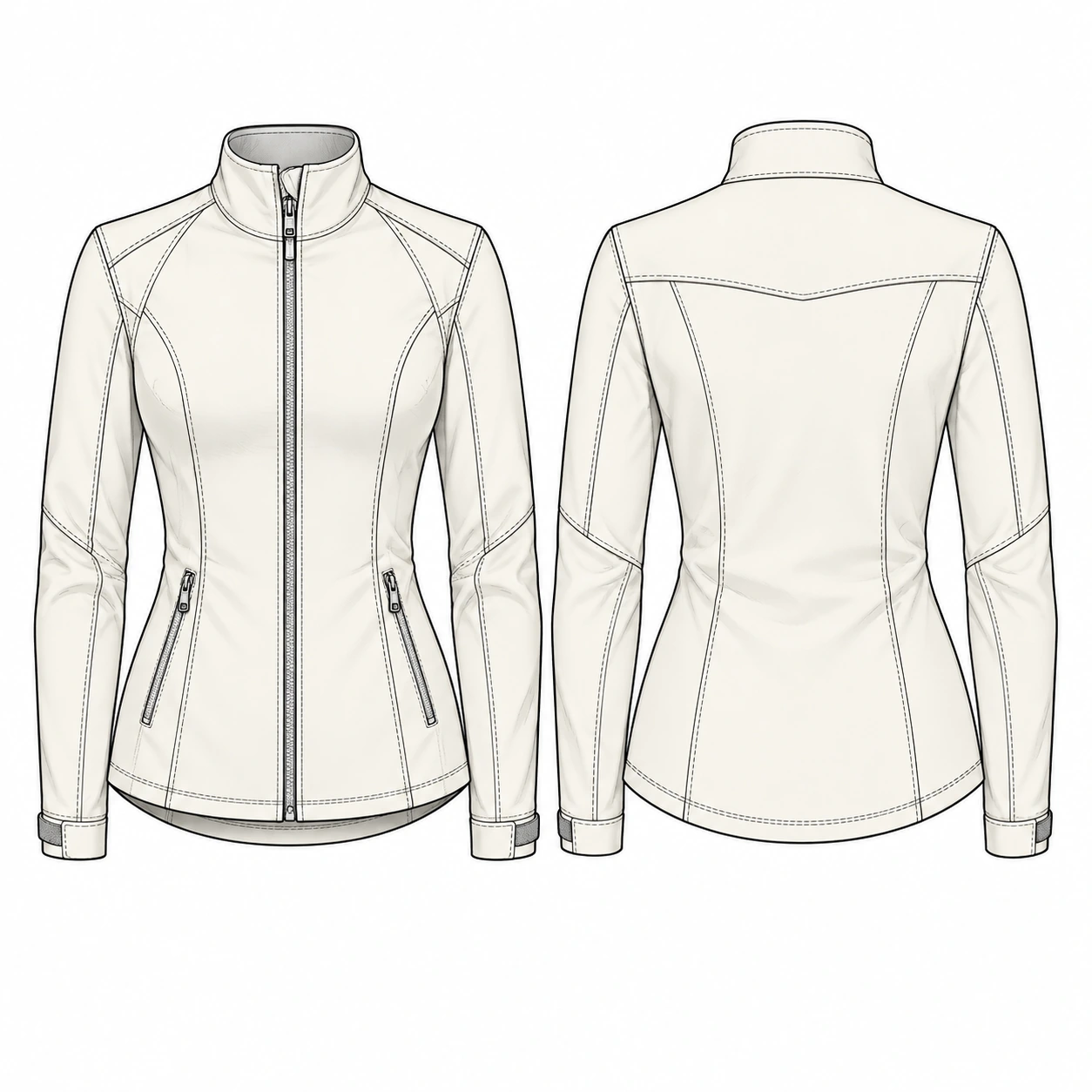
- AChest
- BShoulder span
- CSleeve length
- DBack length
A size label is only the beginning. Agree the measurement method, review the garment in use and keep the approved fit record with your specification.
Your fit-session checklist
Record the size worn, body measurements, intended underlayers and every proposed correction with the dated sample.
Note the size worn, body measurements, intended underlayers and each proposed correction. Recheck the affected measurement after a revision; confirm the size breakdown for each style and colour before bulk.
MAKE IT
RECOGNISABLY YOURS.
Use the product’s construction to guide decoration and finishing. Ask for placement, colour and material approval on the relevant sample.
Small details.
One identity.
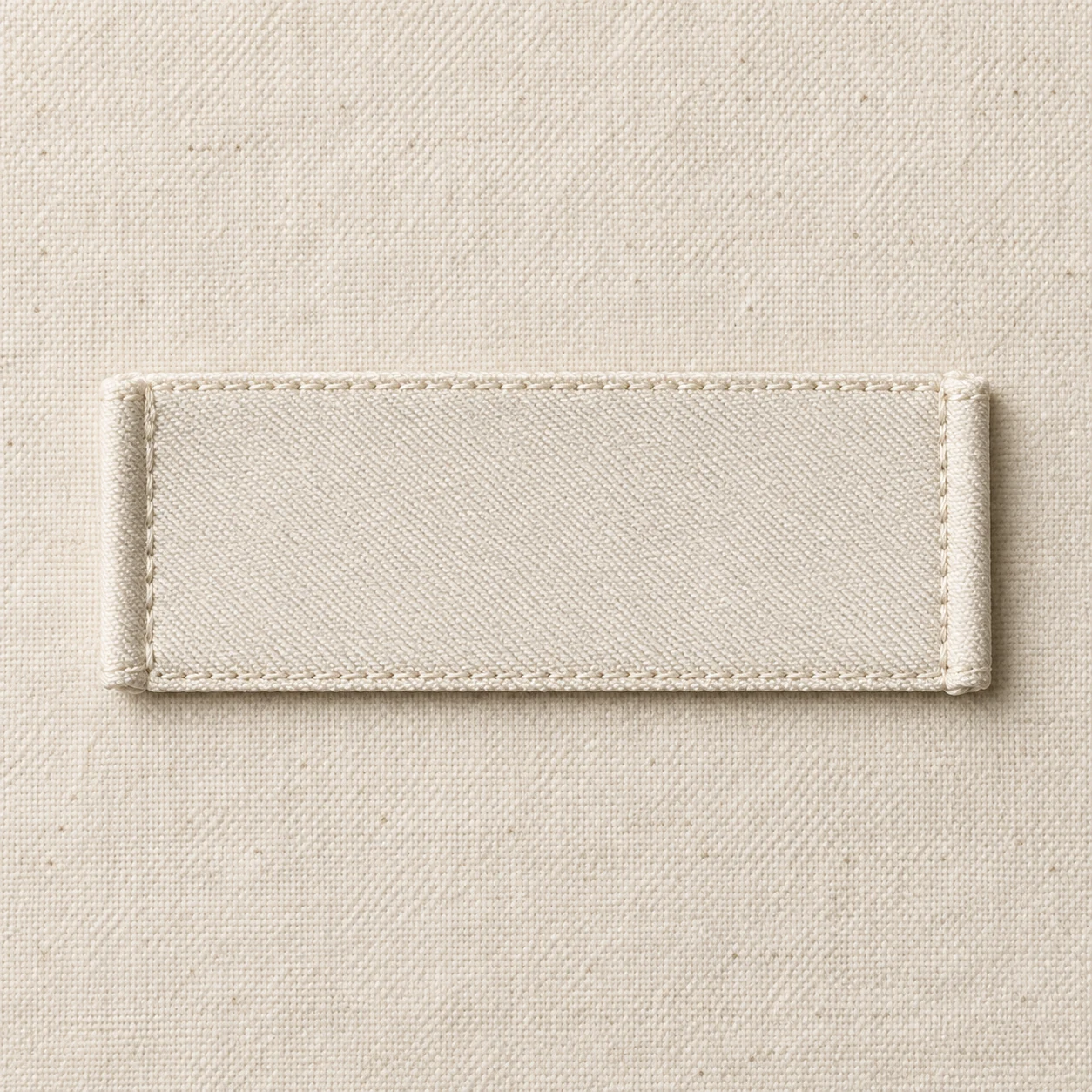
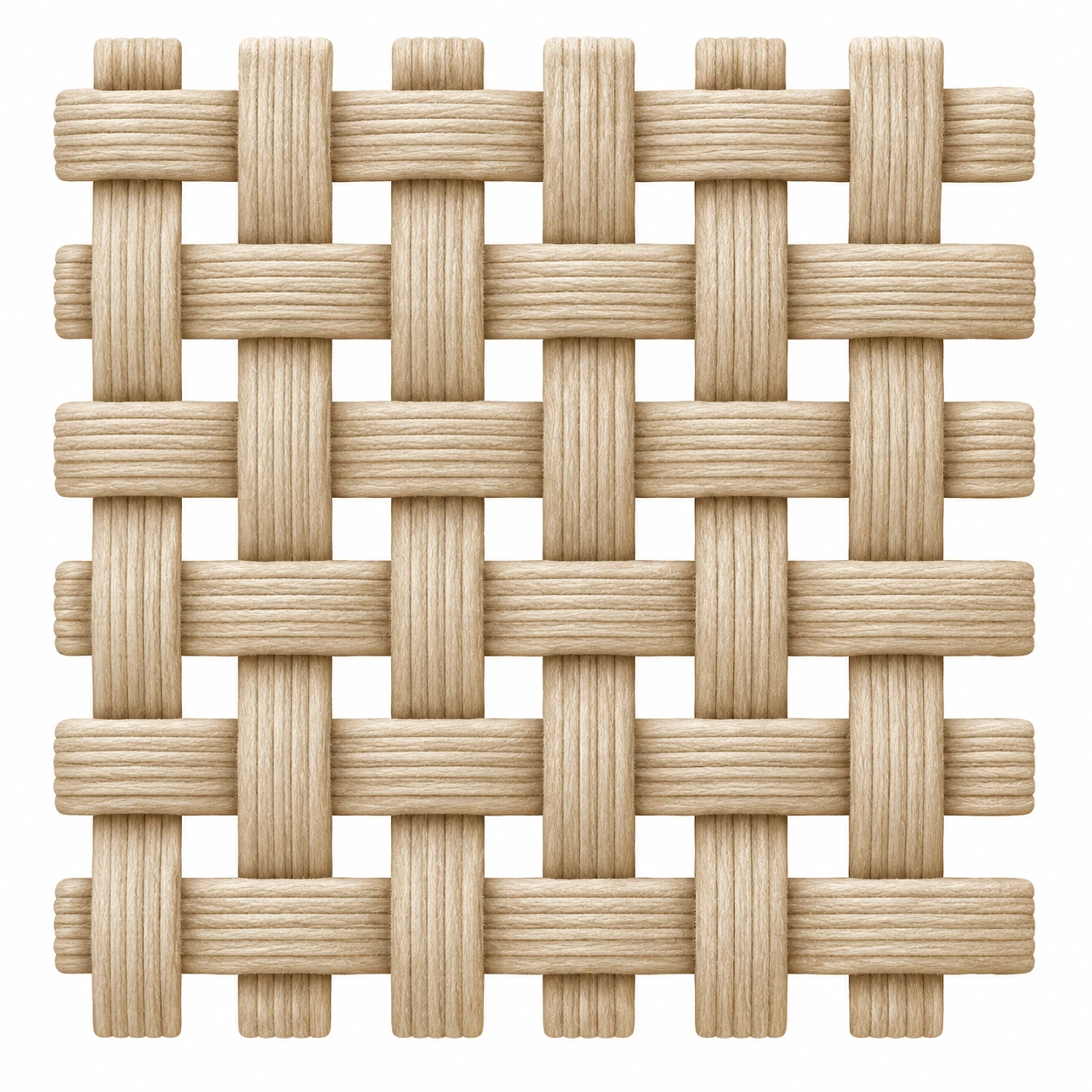
Folded edges · fine weave
Textured stock · cord attachment
Raised edge · stitched placement
Material mockups with a live wordmark study. Print, weave, colour matching and placement are confirmed on your physical sample.
Colour and surface
Provide a physical colour standard and surface reference. Approve lab dips on the selected fleece, then review production fabric and trim shades separately.
Brand artwork
Supply logo dimensions and position. Sample the proposed embroidery or transfer on the selected fleece, checking pile disturbance, backing contact and post-care appearance.
Cuffs, hem and pockets
Draw the required opening and edge finishes. Review binding tension, pocket placement and local reinforcement as part of the mounted fit sample.
Labels and market brief
List destination countries, language and label artwork requirements for review. Confirm fibre declarations and care instructions from the approved material and evidence for each market.
APPROVE THE DETAIL.
THEN THE ORDER.
The first sample helps you make decisions. Define review conditions and acceptance criteria before you compare the result.
Review the full-zip fleece riding jacket sample
Sampling takes 7–10 working days from the agreed start. Record each decision against the dated sample before bulk approval.
Rider, material direction, measurements and artwork.
DEFINE THE STARTTurn the agreed direction into a garment to review.
7–10 WORKING DAYSReview fit, finish and changes. Confirm the final specification.
REVISE IF NEEDEDProceed with agreed quantities, colours, labels and packing.
30–45 WORKING DAYSA shared development direction
Bring reference garments, your rider profile, target colours and any artwork. We turn these into the measurements, materials and construction questions that the sample needs to resolve.
Sample feedback can return to development. Revisions and transit are planned separately; timing begins from the agreed specification and start date.

KEEP THE APPROVAL.
WITH THE ORDER.
One agreed reference for the workroom: the dated sample, its specification and your confirmed order breakdown.
Sample decisions
- Material identity and surface
Match fabric and colour references to the BOM. Agree an applicable pilling method: ISO 12945-3 includes napped fleeces but excludes specimens unable to tumble freely; do not assume a passing grade.
- Care and assembled appearance
Record measurements, photographs and zip operation before and after agreed care. ISO 15487 addresses garment appearance after washing and drying; specify the actual programme, assessment points and acceptance criteria separately.
- Collar, closure and reach
Review the zipped collar and guard on the fitted garment, then repeat rein reach and seated movements over the named shirt. Record contact, cuff movement and hem distortion for pattern corrections.
Style, colour & size allocation
Confirm each style and colour separately, with the size allocation attached. The minimum is 300 pieces per style, per colour.
Labels, packing & timing
Agree label artwork, packing instructions and the production start. Bulk production takes 30–45 working days from the confirmed start; revisions and transit are planned separately.
A CLEARER BRIEF.
A MORE USEFUL QUOTE.
Price follows an agreed product, quantity and delivery scope. Use these inputs to compare proposals on the same basis.
Fleece selection and evidence
Composition, weight, surface, colour development and agreed testing affect the quote. Confirm the selected material before comparing costs from fleece jacket manufacturers.
Closure and internal finish
Zip specification, guards, facings, bindings and pocket construction change component and assembly requirements. Quote proposed alternatives against the same drawing and finish standard.
Artwork and revisions
Decoration trials, placement changes and additional fit rounds affect development scope. Separate sample, testing and revision charges from the bulk quotation.
Approval readiness and timing
Sampling is 7–10 working days and bulk 30–45 working days from the agreed project start conditions. Confirm material readiness, approval gates, revisions and freight separately.
Bring these six things
Planning baseline: 300 pieces minimum per style, per colour. Sampling takes 7–10 working days; bulk production takes 30–45 working days from the agreed start.
300 pieces minimum per style, per colour. State each colour quantity separately; confirm your proposed size allocation.
GOOD QUESTIONS.
BETTER DECISIONS.
Product-specific sourcing questions to resolve before sampling.
Can REINFORM develop a full-zip equestrian fleece jacket through OEM/ODM?
Yes. OEM/ODM sample development is available for this separate sleeved fleece jacket. Share the technical brief and references for project review; material, trim, fit, costs and production specification require confirmation. MOQ is 300 pieces per style, per colour.
Is the pictured fleece anti-pilling or certified recycled?
The images establish neither claim. Composition, GSM and recycled content are unconfirmed. Anti-static, quick-drying, warmth, wind and water claims also need relevant evidence before use; the concept is not a laboratory report or production photograph.
How should this fit differently from a brushed base layer?
Develop it as an independently worn jacket with allowance for the named shirt, full-front closure and usable pockets. Approve that allowance beneath the intended outer jacket, while checking sleeve reach and seated hem behaviour on the sample.