 REINFORM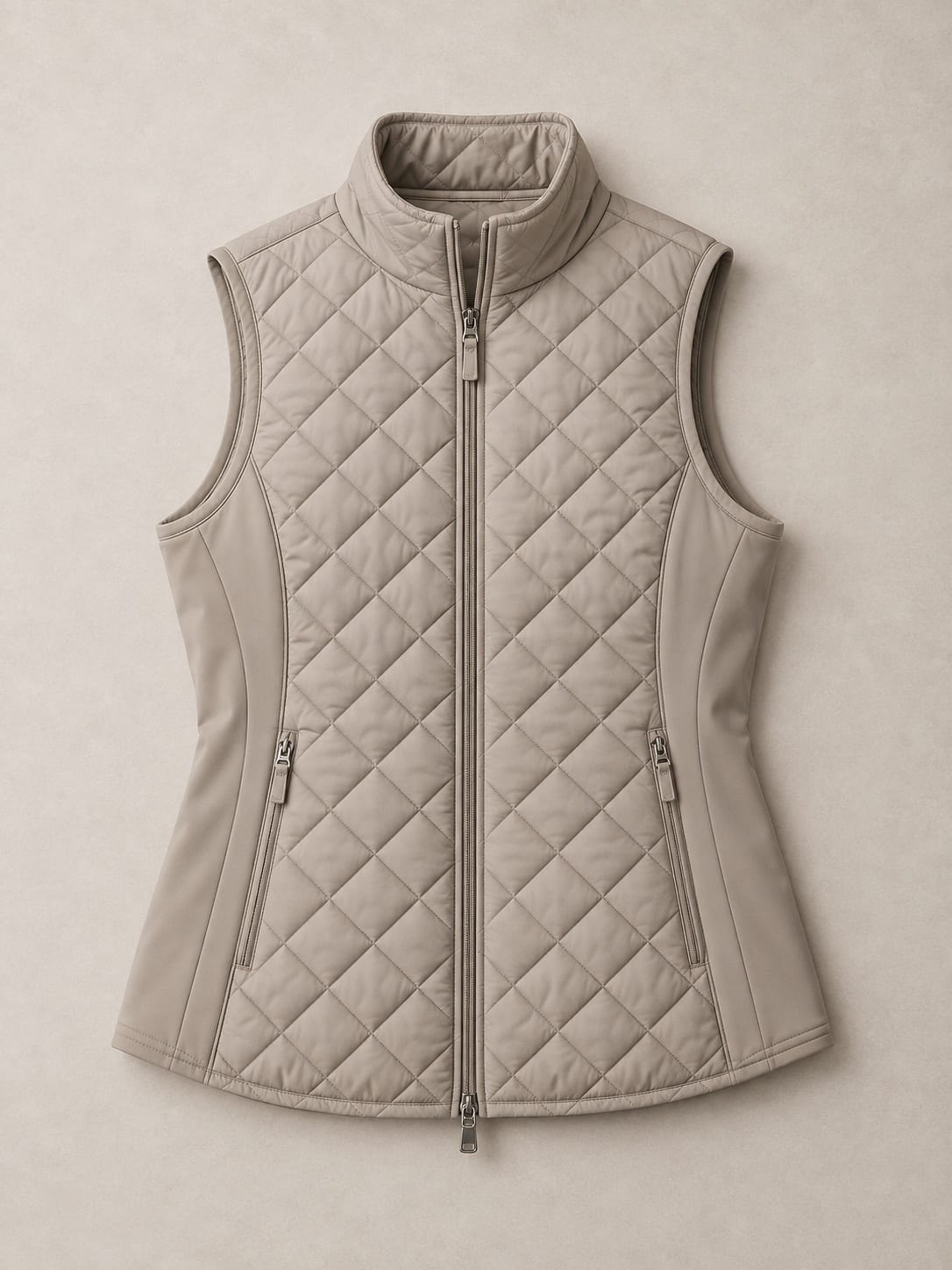
Warm the Core, Clear the Saddle
Quilted riding gilet:
the private label buying guide.
Private label quilted riding gilets for equestrian brands: length, insulation, two-way zips, pockets and armhole fit. Request an OEM quote.
A development direction for your brand. Final material, construction and performance by specification and sample approval.START WITH
THE RIDER.
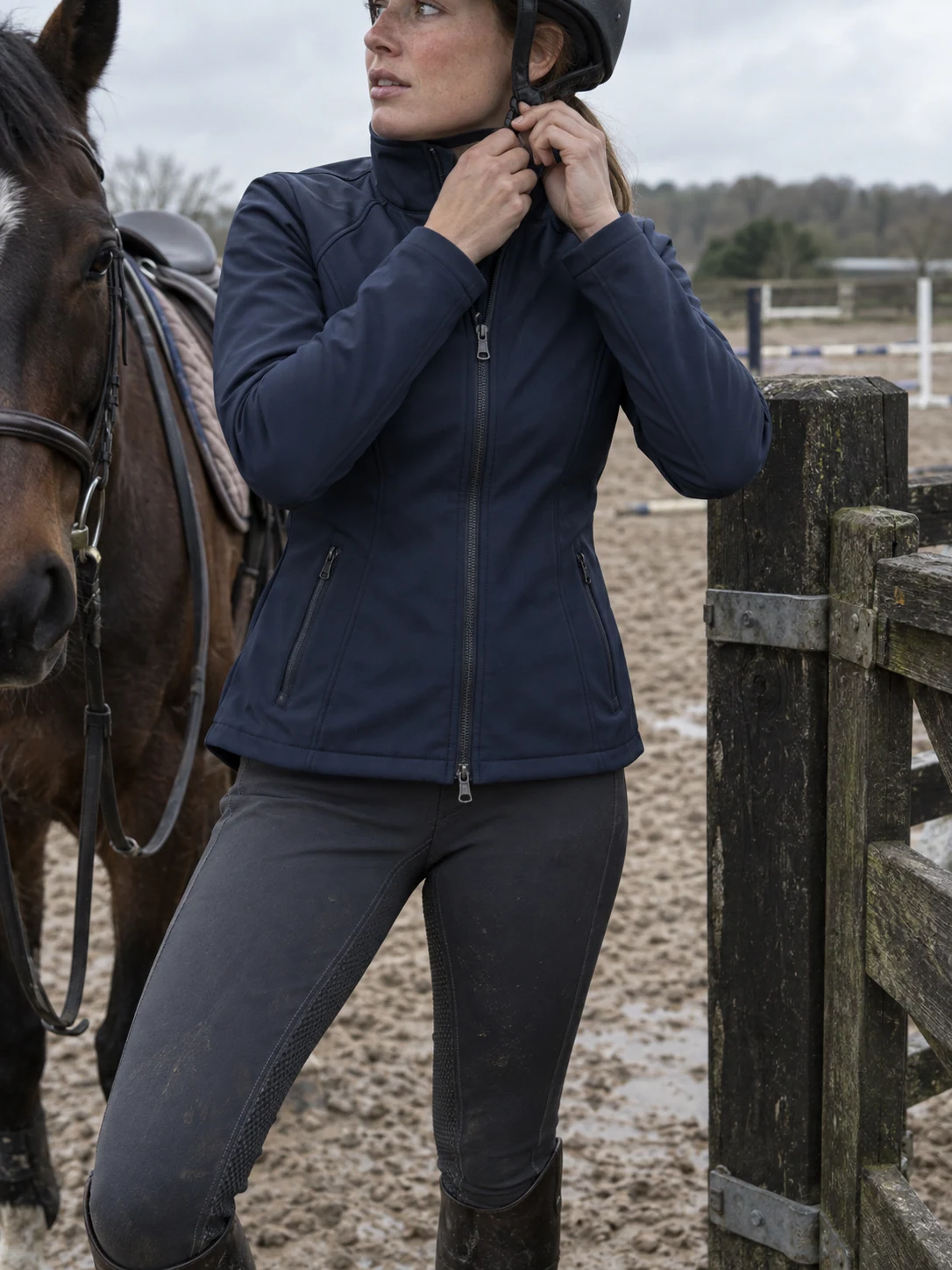
For riding brands, clubs, stable teams and tack retailers seeking a versatile autumn or winter layer that carries branding while keeping arms free for riding and chores.
Product development context
A riding gilet has to insulate the torso without catching the saddle, restricting the shoulder or bunching beneath a coat. Quilt scale, fill loft and shell stiffness influence fit as much as body measurements do. Buyers should define whether the gilet is an outer layer, mid-layer or team uniform, then set hem length, armhole coverage, collar, zip direction and pocket use around that role. Water resistance, warmth or recycled-content claims require documented support for the chosen materials and construction; the visual language of quilting alone does not prove performance.
Saddle clearance
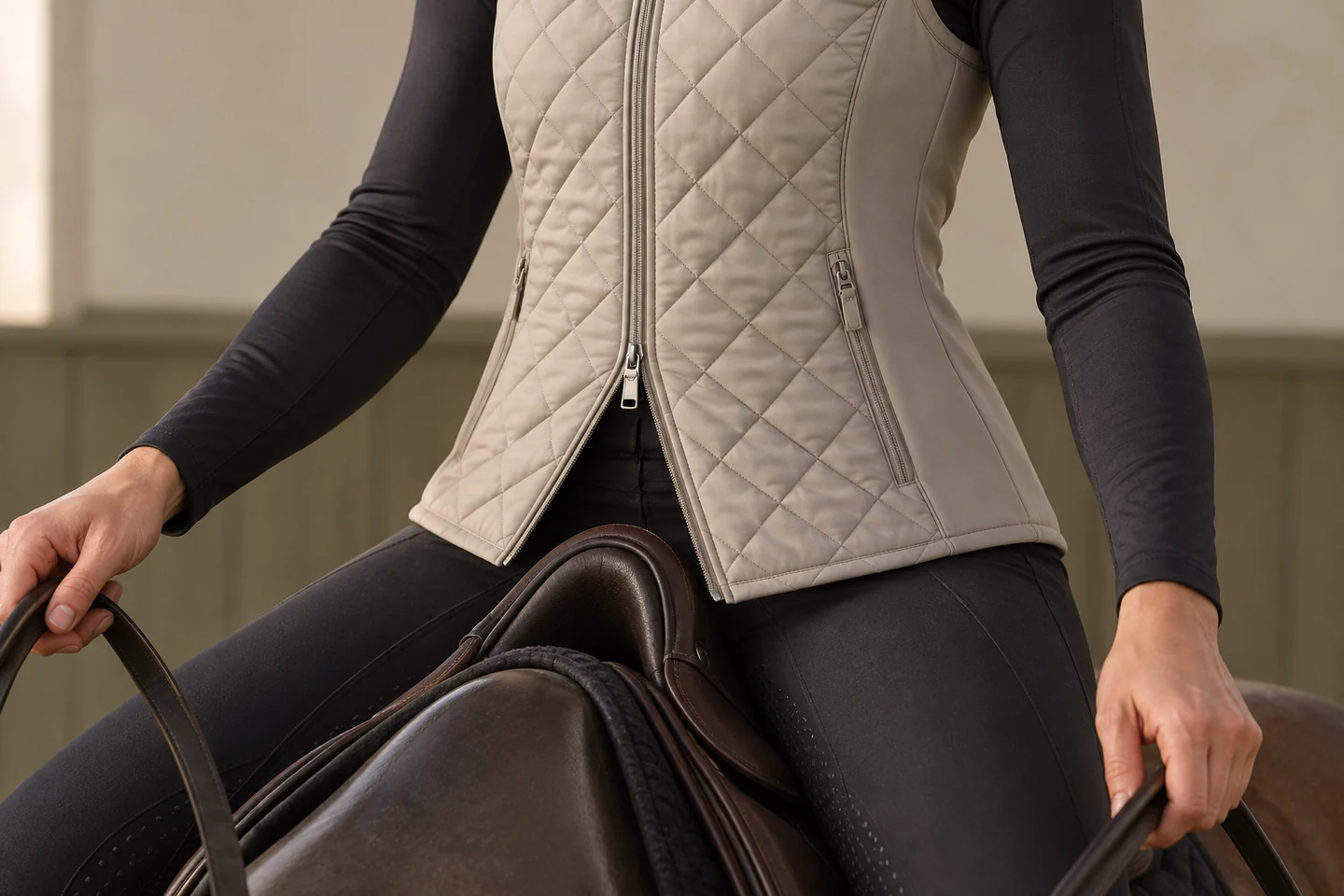
Set centre-front, side and back lengths in the mounted position, not only standing. The hem and lower zip should clear the pommel and avoid folding into the rider’s lap; a two-way opening can help when correctly positioned.
Loft and mobility
Choose fill weight and quilt spacing with armhole and shoulder movement in mind. Overfilled panels can push into the neck or restrict forward reach, while sparse channels may allow migration if the fill and quilting are incompatible.
Layering ease
Fit over the intended base or mid-layer and, if relevant, beneath a shell. Document chest, waist, sweep and armhole ease for that system so buyers do not approve a slim sample that only works over a T-shirt.
THE FABRIC
SETS THE FEEL.
Compare material directions against your rider, climate and care expectations. Request the actual fabric specification and evidence for any performance claim.
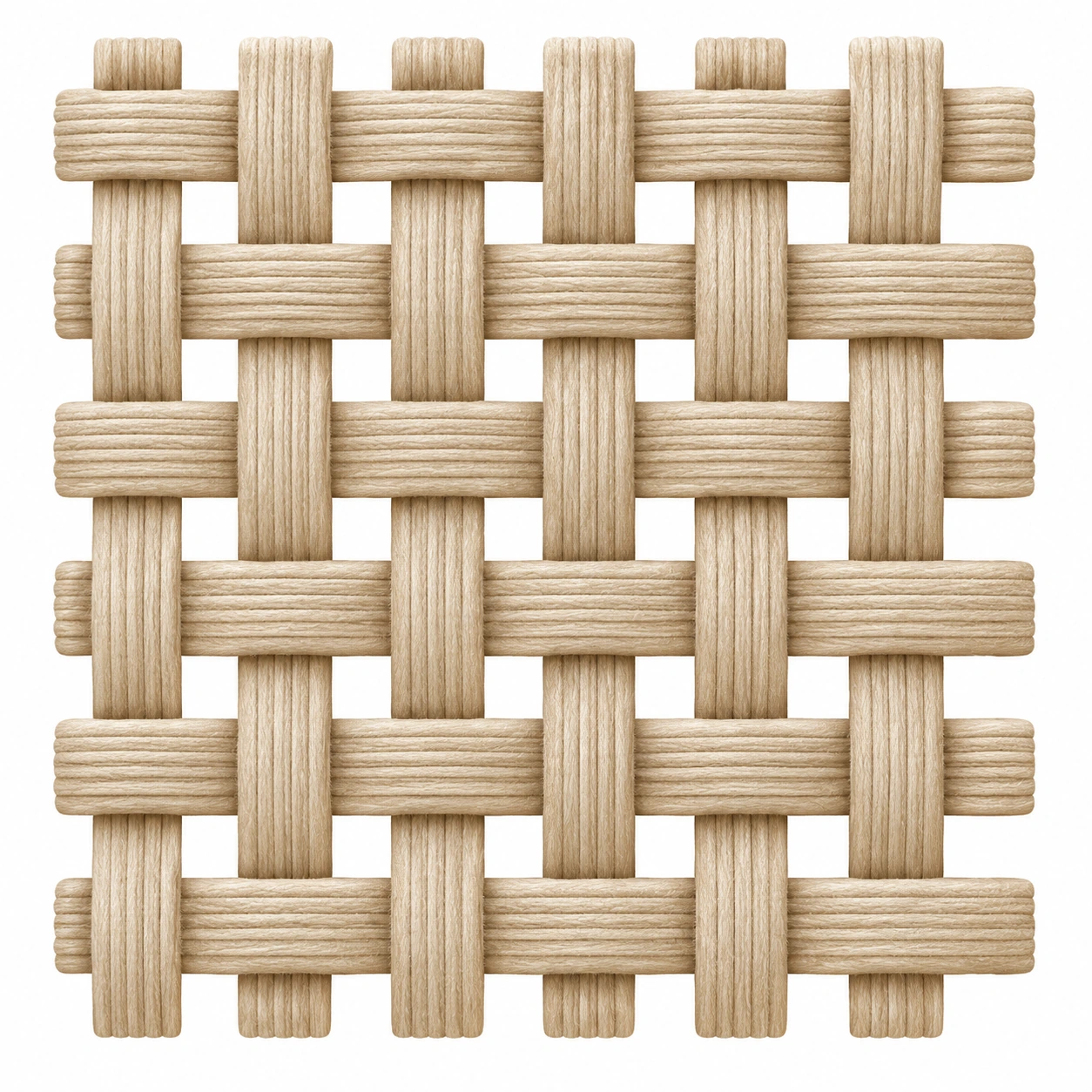
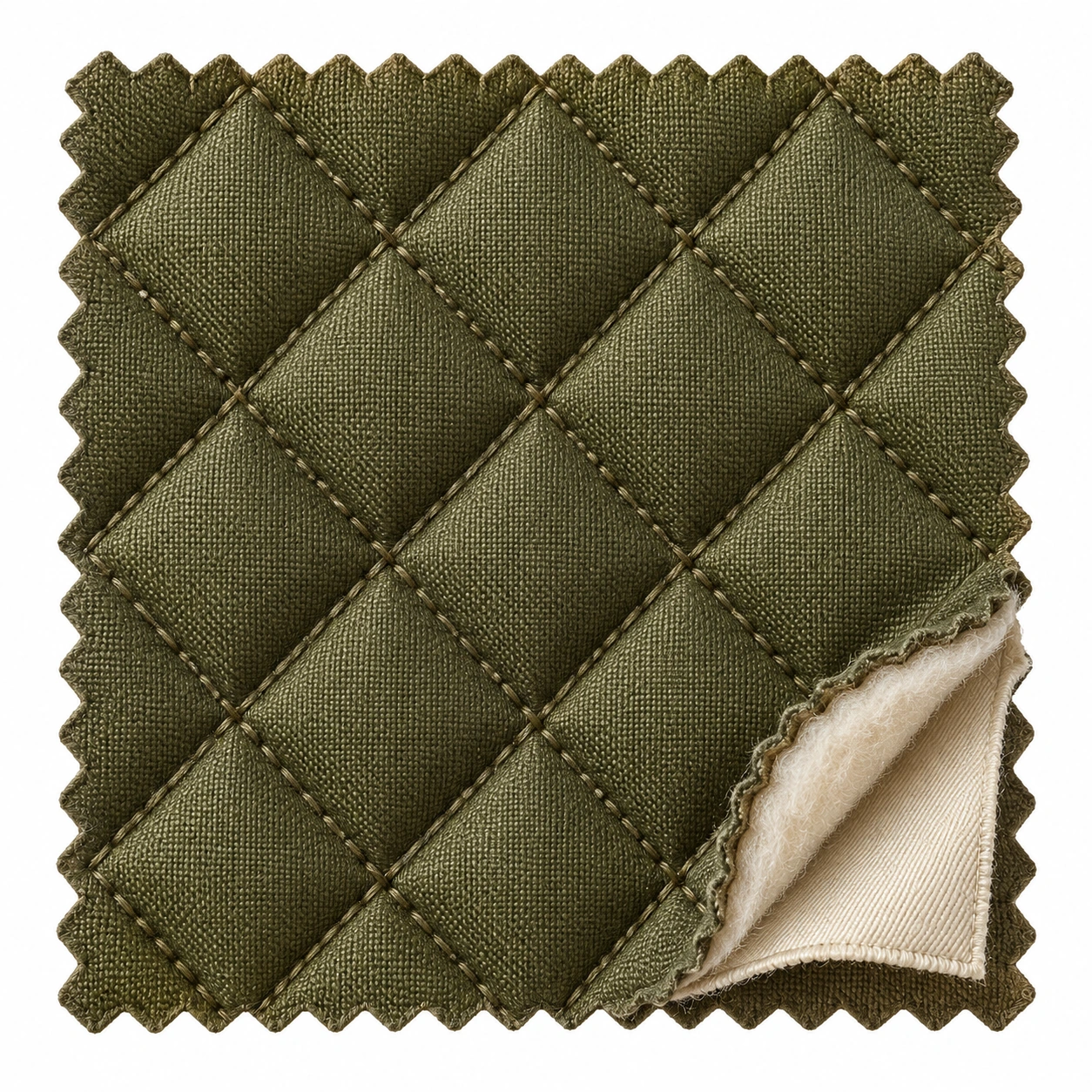
| Material direction | Why consider it | What to verify |
|---|---|---|
| Light woven shell | A smooth shell can support quilting, resist everyday snagging and slide beneath an outer coat. Hand, weight and finish should match the gilet’s intended role. | Test actual colours for abrasion, snagging, colourfastness, dimensional change and any agreed water-repellent claim after relevant care. |
| Synthetic insulation direction | Sheet or loose synthetic fill can provide loft without animal-down positioning, but weight, recovery and channel design affect migration and bulk. | Review supplier documentation, fill distribution, thickness and recovery before and after laundering; substantiate recycled or thermal claims separately. |
| Stretch side panels | Uninsulated or lightly backed stretch panels can reduce bulk and improve close fit at the waist and armhole. | Check wind exposure, stretch recovery, colour match, seam compatibility and how panels behave beneath a jacket or against the saddle. |
These are sourcing comparisons, not a list of stocked or certified fabrics. Confirm composition, weight, finish, availability and testing with the material selected for your project.
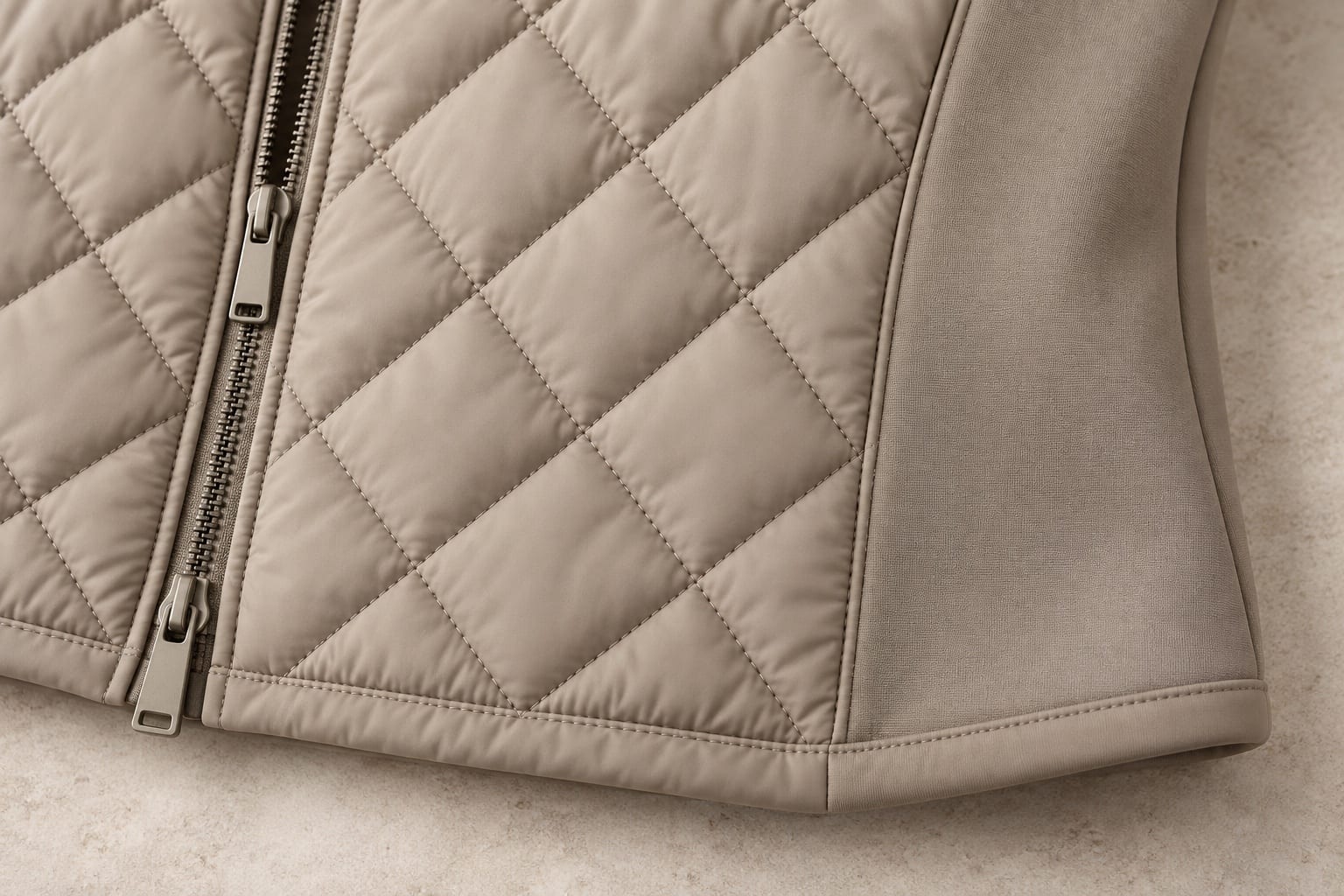 A CLOSER LOOK / DEVELOPMENT CONCEPT
IT’S IN
THE DETAILS.
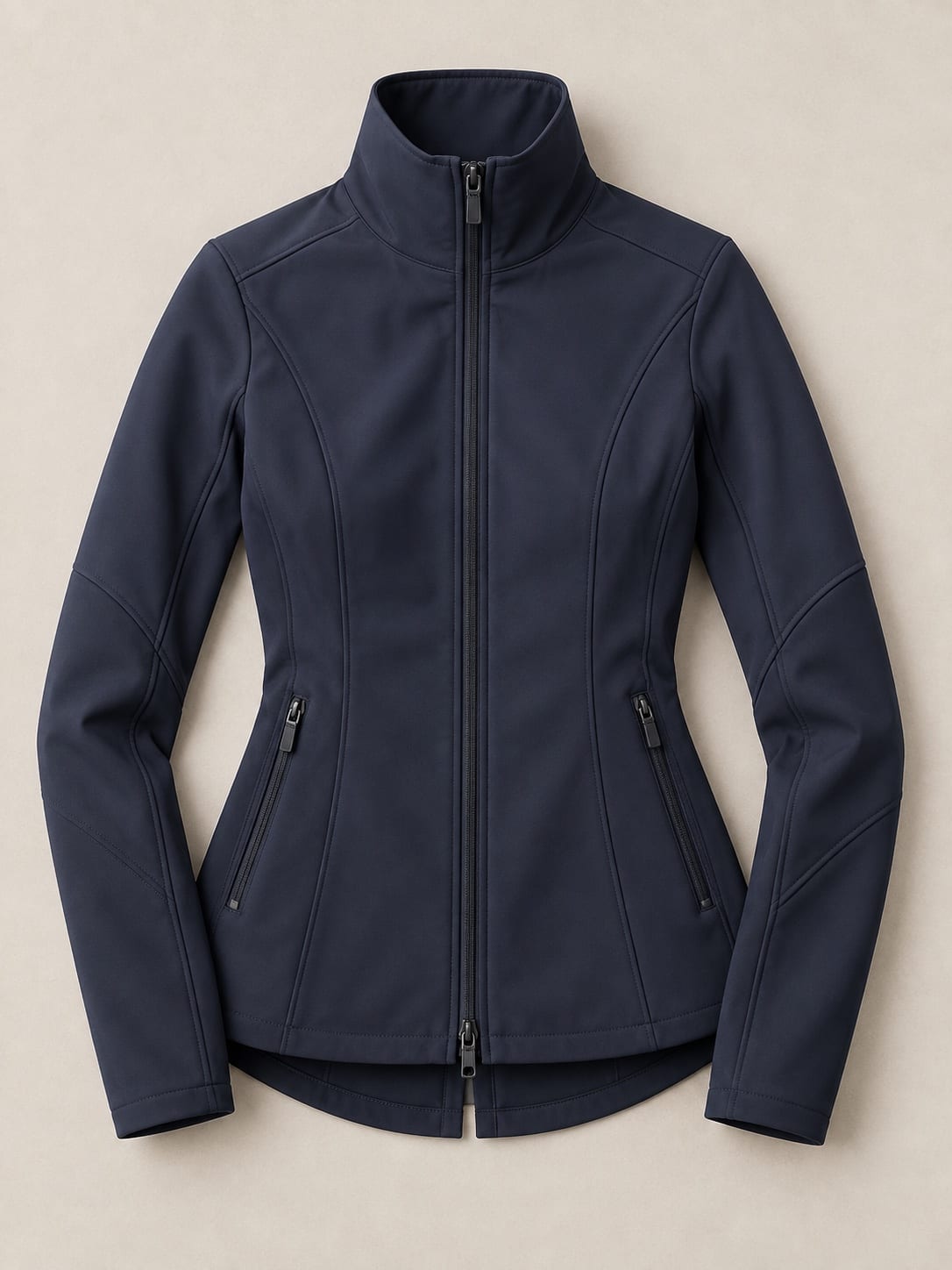
Two-way front zip
Position lower slider for mounted release, with guards that protect skin, base layers and the saddle from hard edges.
Controlled quilting
Set channel or baffle dimensions to hold the selected fill evenly while preserving drape and logo-safe zones.
Mobile armholes
Shape shoulder and armhole edges for forward reach, controlling gaping without cutting into the underarm over layers.
Saddle-safe pockets
Angle zipped storage for gloved access and keep loaded bags clear of the rider’s hip crease and saddle.
FROM THE BRIEF.
INTO THE WORKROOM.
Layers, movement and hardware belong in one development conversation. Resolve them on the sample before bulk.
Explore our factory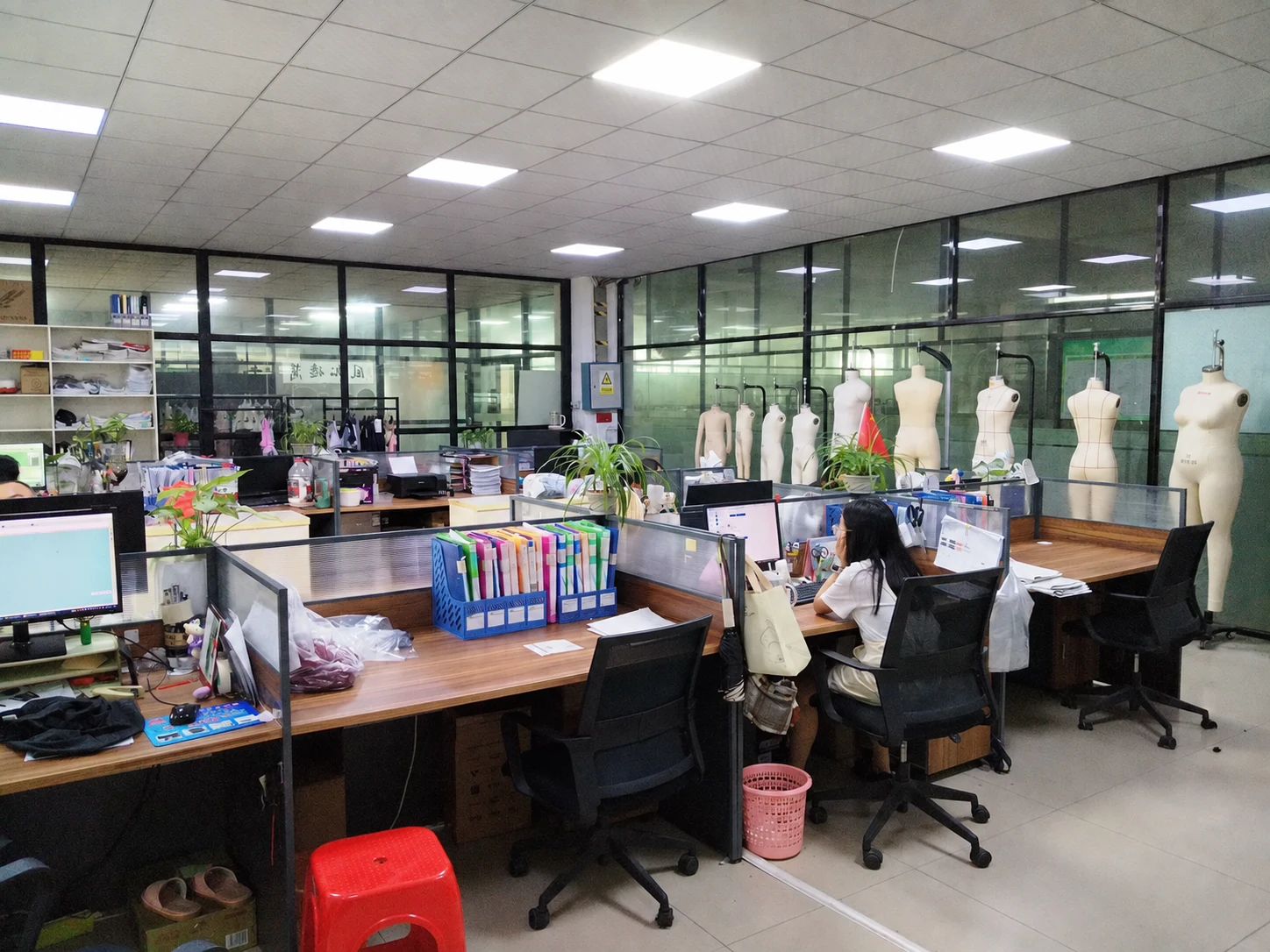
Two-way front zip
Position lower slider for mounted release, with guards that protect skin, base layers and the saddle from hard edges.
Carry this into approval Factory views show our working environment. Your garment follows its agreed specification and sample.GET THE
RIGHT FIT.
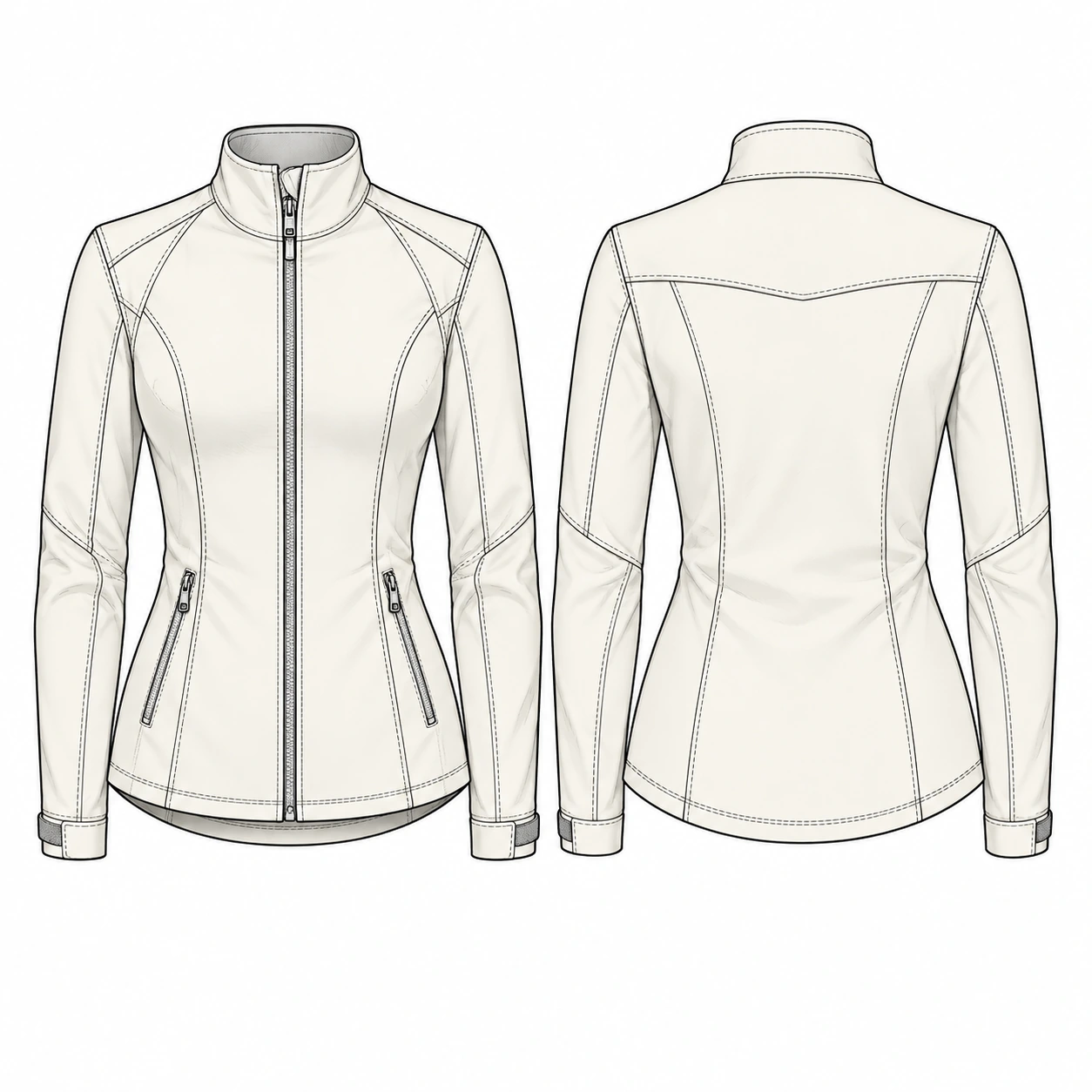
- AChest
- BShoulder span
- CSleeve length
- DBack length
A size label is only the beginning. Agree the measurement method, review the garment in use and keep the approved fit record with your specification.
Your fit-session checklist
Record the size worn, body measurements, intended underlayers and every proposed correction with the dated sample.
Note the size worn, body measurements, intended underlayers and each proposed correction. Recheck the affected measurement after a revision; confirm the size breakdown for each style and colour before bulk.
MAKE IT
RECOGNISABLY YOURS.
Use the product’s construction to guide decoration and finishing. Ask for placement, colour and material approval on the relevant sample.
Small details.
One identity.
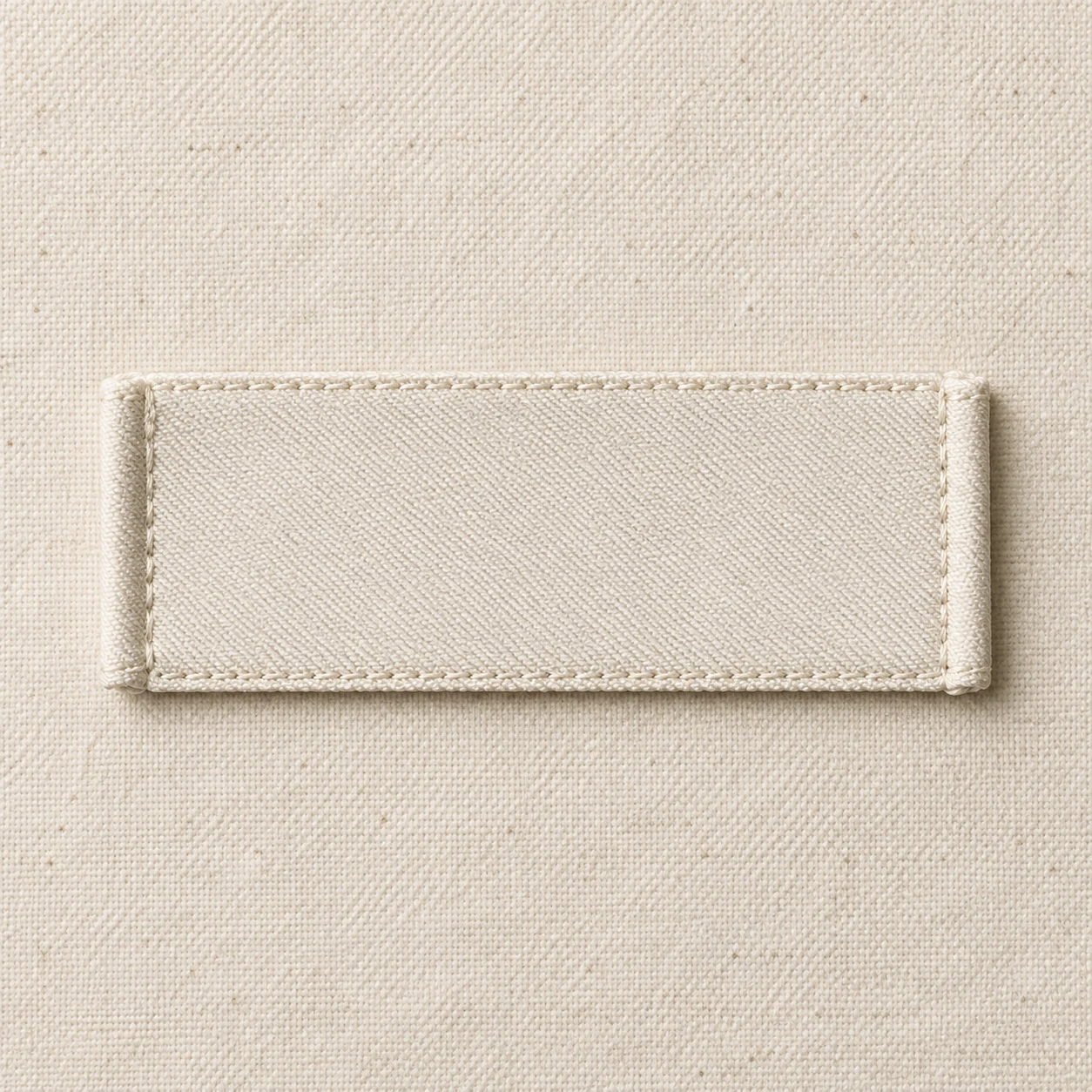
Folded edges · fine weave
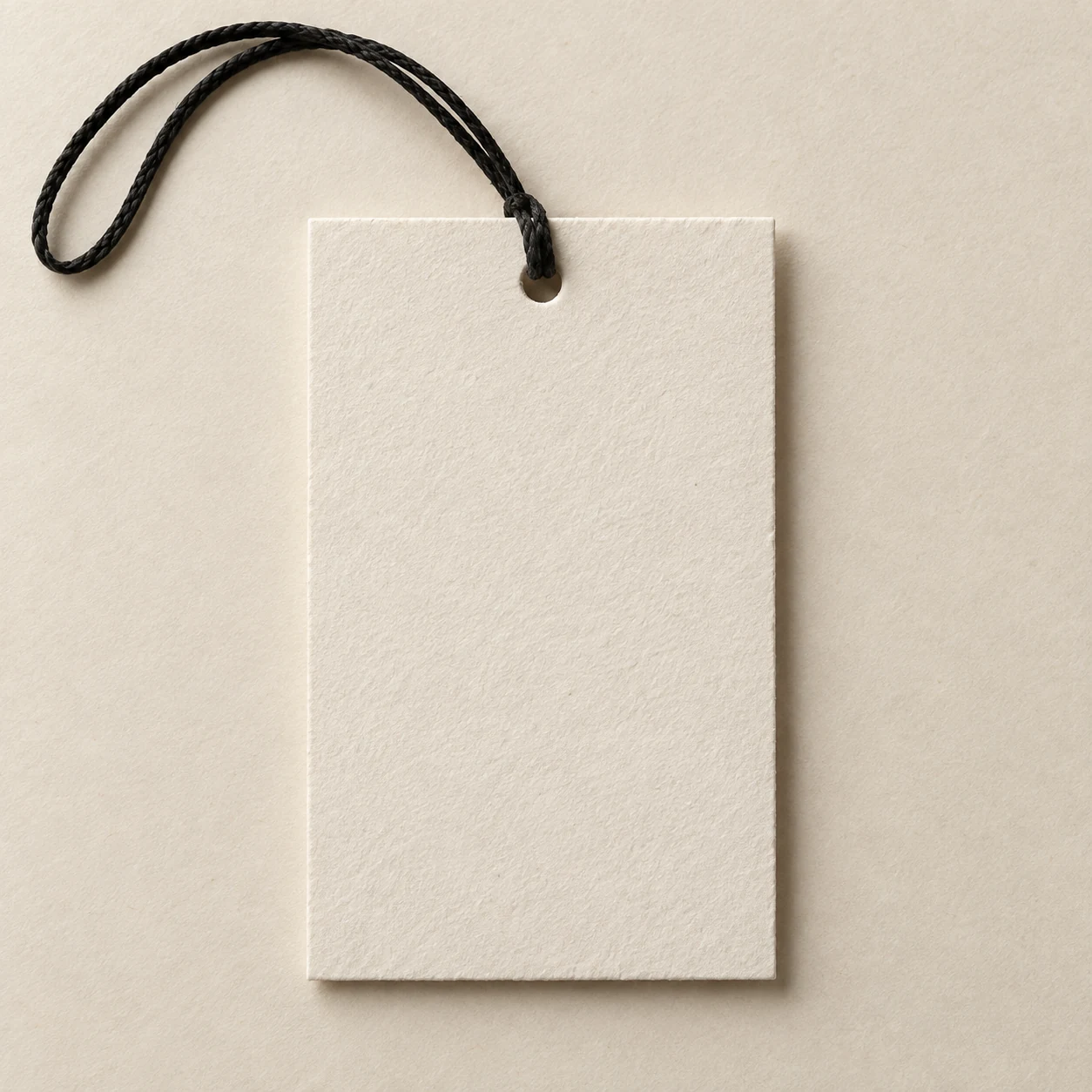
Textured stock · cord attachment
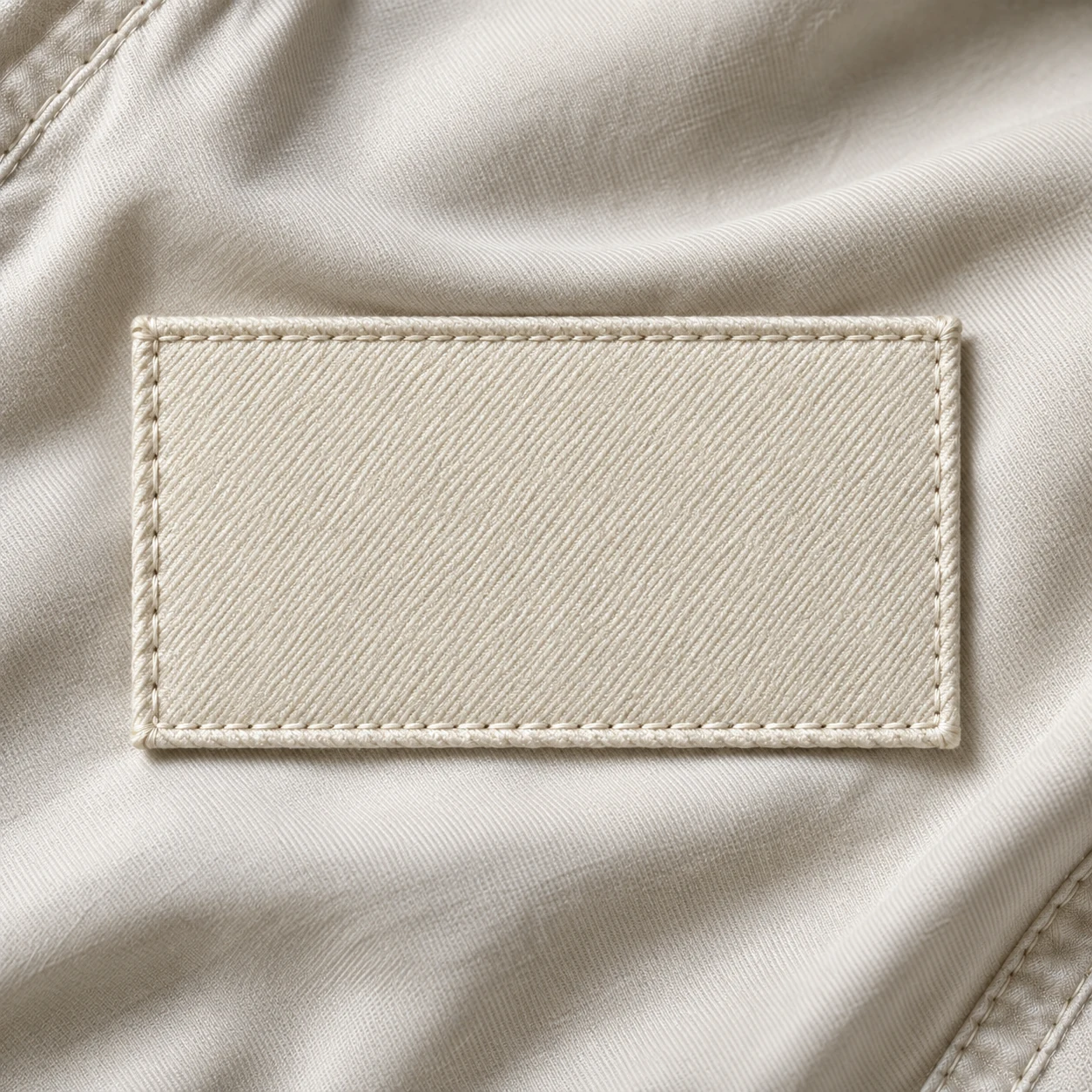
Raised edge · stitched placement
Material mockups with a live wordmark study. Print, weave, colour matching and placement are confirmed on your physical sample.
Quilt architecture
Choose horizontal, diamond or body-mapped channels with exact spacing and fill instructions; preserve stable panels for embroidery or transfers.
Side stretch
Specify panel width, insulation, colour relationship and recovery according to desired silhouette and layering role, then fit it mounted.
Team branding
Map chest, back and sponsor marks around quilt seams, pockets and zips; provide embroidery backing and appearance approval on the actual shell.
Hood decision
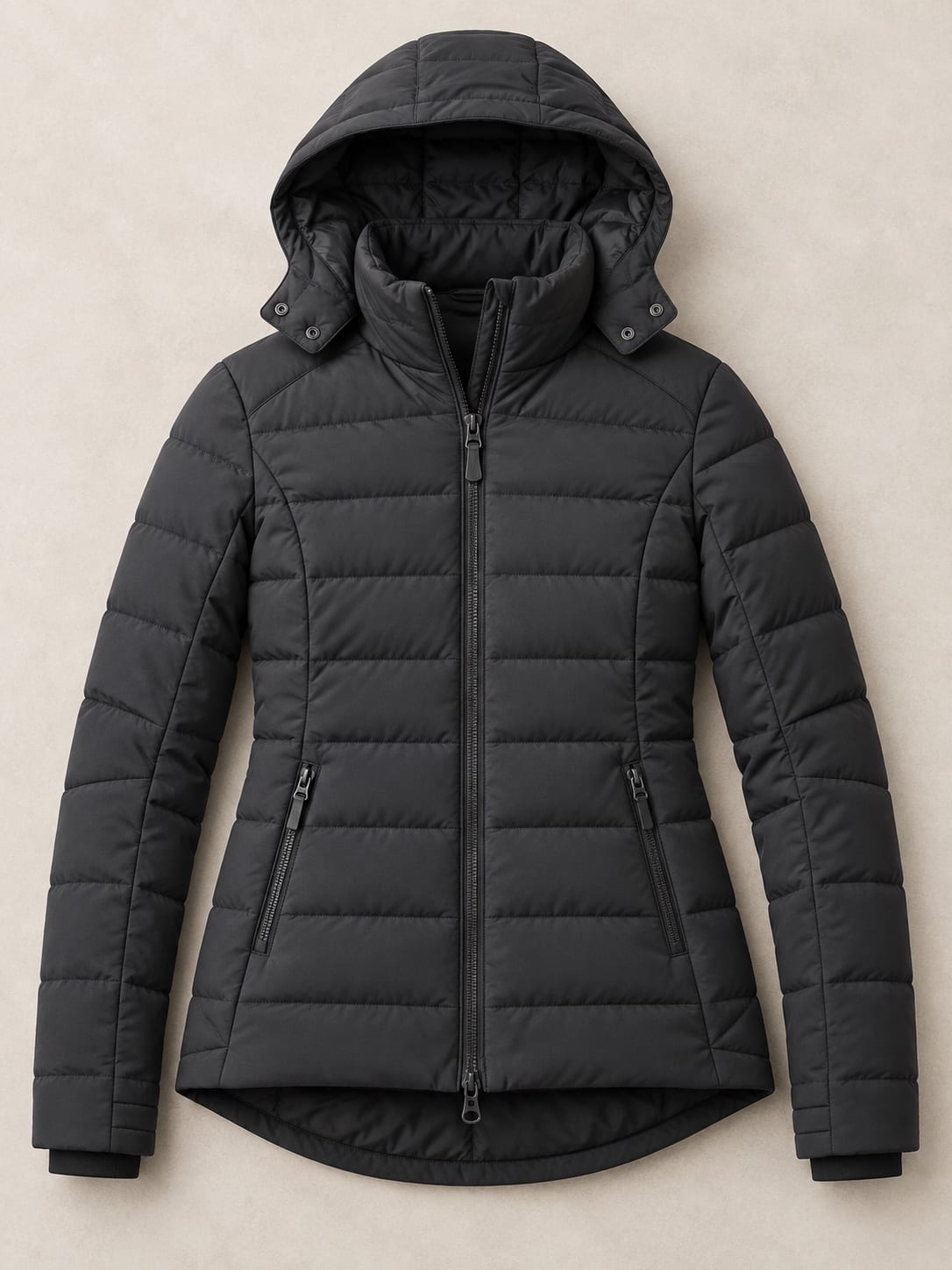
Add detachable, fixed or no hood based on layer system and riding safety preferences, documenting attachment security and collar bulk.
APPROVE THE DETAIL.
THEN THE ORDER.
The first sample helps you make decisions. Define review conditions and acceptance criteria before you compare the result.
Review the quilted riding gilet sample
Sampling takes 7–10 working days from the agreed start. Record each decision against the dated sample before bulk approval.
Rider, material direction, measurements and artwork.
DEFINE THE STARTTurn the agreed direction into a garment to review.
7–10 WORKING DAYSReview fit, finish and changes. Confirm the final specification.
REVISE IF NEEDEDProceed with agreed quantities, colours, labels and packing.
30–45 WORKING DAYSA shared development direction
Bring reference garments, your rider profile, target colours and any artwork. We turn these into the measurements, materials and construction questions that the sample needs to resolve.
Sample feedback can return to development. Revisions and transit are planned separately; timing begins from the agreed specification and start date.

KEEP THE APPROVAL.
WITH THE ORDER.
One agreed reference for the workroom: the dated sample, its specification and your confirmed order breakdown.
Sample decisions
- Mounted hem
Ride with both zip sliders in intended positions, checking pommel contact, front folding, back coverage and saddle scratches.
- Layer-system fit
Wear over the thickest planned base layer and beneath the reference shell, testing reach, armhole pressure and collar stacking.
- Fill distribution
Inspect every channel before and after compression and care, looking for thin zones, clumps, migration and uneven loft.
Style, colour & size allocation
Confirm each style and colour separately, with the size allocation attached. The minimum is 100 pieces per style, per colour.
Labels, packing & timing
Agree label artwork, packing instructions and the production start. Bulk production takes 30–45 working days from the confirmed start; revisions and transit are planned separately.
A CLEARER BRIEF.
A MORE USEFUL QUOTE.
Price follows an agreed product, quantity and delivery scope. Use these inputs to compare proposals on the same basis.
Insulation type and weight
Fill specification, documentation and volume influence material, shipping bulk and quilting process.
Quilt complexity
Small channels, shaped mapping and fill control increase stitching, handling and inspection time.
Two-way hardware
Quality zips, custom pullers, guards and garages add trim and assembly cost.
Team decoration
Multiple embroidered or transferred marks require digitizing, placements, backing and approval samples.
Bring these six things
Planning baseline: 100 pieces minimum per style, per colour. Sampling takes 7–10 working days; bulk production takes 30–45 working days from the agreed start.
100 pieces minimum per style, per colour. State each colour quantity separately; confirm your proposed size allocation.
GOOD QUESTIONS.
BETTER DECISIONS.
Product-specific sourcing questions to resolve before sampling.
Opening from the hem can reduce bunching and pommel contact when seated. It still needs correct slider position, tape flexibility and guards. Test the complete hardware in the saddle rather than treating two-way operation as automatic suitability.
Not from this brief alone. Define insulation, layer system, intended conditions and the evidence needed for any claim. Until supported, describe the fill direction, construction and planned seasonal use without a guaranteed temperature rating.
Sample the exact stitch file, size, backing and location on the actual quilted panel. Review puckering, fill compression, needle holes, interior finish and wash response. Large dense marks may need a dedicated unquilted logo zone.