 REINFORM
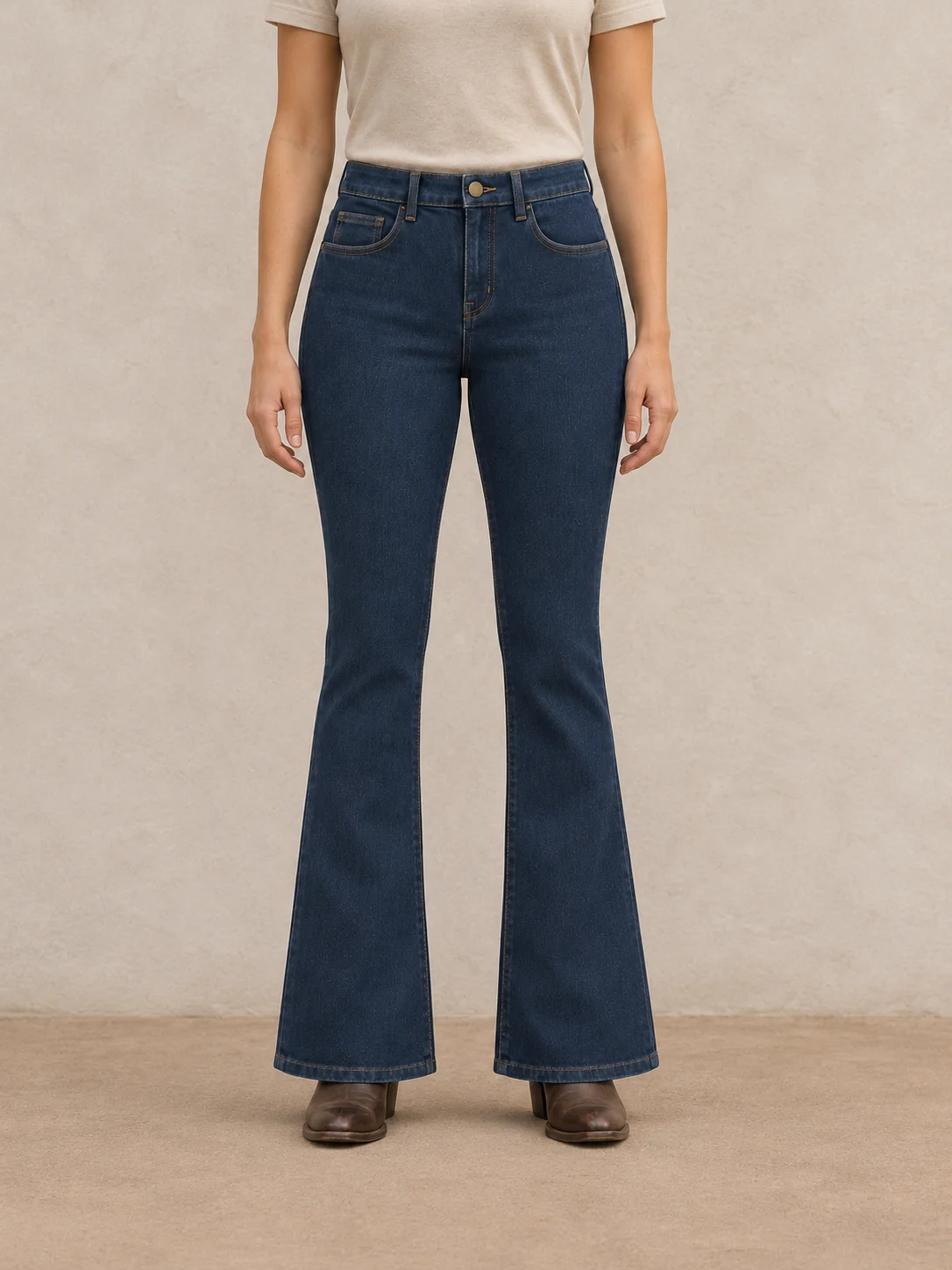
Fit the jeans to the boot.
Jeans Manufacturer for Five-Pocket Western Riding Jeans
Brief a jeans manufacturer on women's Western riding jeans. Specify a five-pocket pattern, stock stretch denim, back yoke and boot clearance before bulk.
PUBLICATION /
CONTENT REVIEW /
A development direction for your brand. Final material, construction and performance by specification and sample approval.START WITH
THE RIDER.
For equestrian brands and trade buyers developing a private label Western denim style. Bring the boot reference, an adult women's fit block and the intended size and inseam allocation. The first sample should show where the hem sits over that boot and how the back waist and inside leg sit in a riding posture.
Product development context
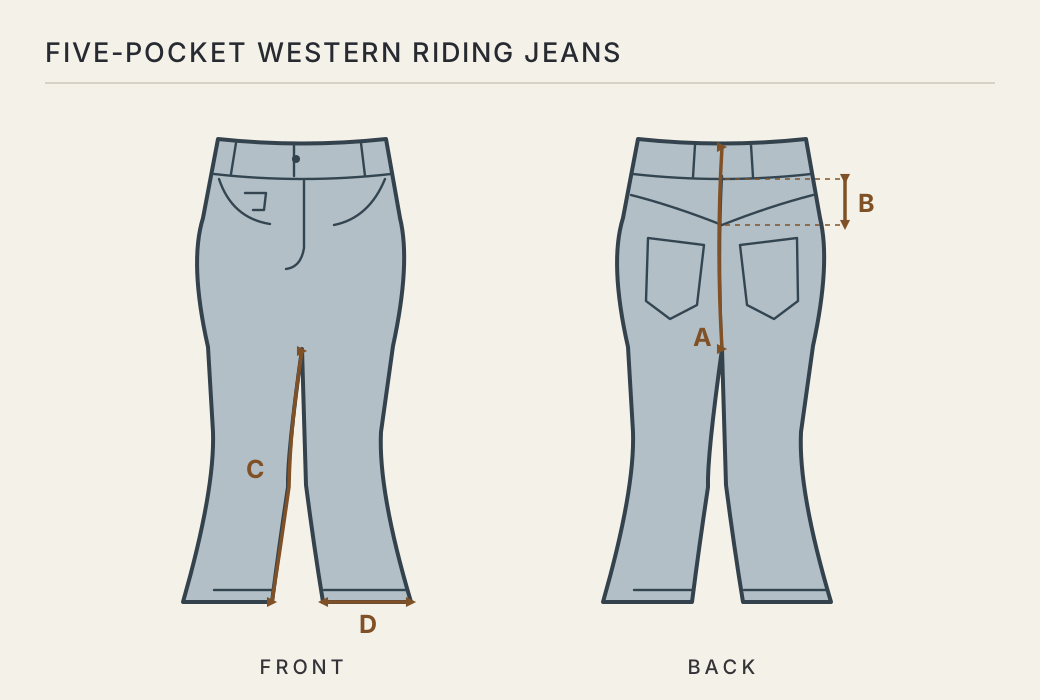
Develop one complete adult women's jean in clean, medium-dark indigo stretch denim. The proposed finish is even and dry-looking, using stock fabric already finished by the mill. The front has a button and zip fly, two scoop pockets and a small coin pocket inside the wearer's right scoop. A curved V-shaped yoke and two plain sewn patch pockets define the back. The long bootcut opens below the knee, with a smooth rear seat and low-profile hardware at the front. Approve the jean against a named Western boot and repeat the fit checks after the agreed care procedure.
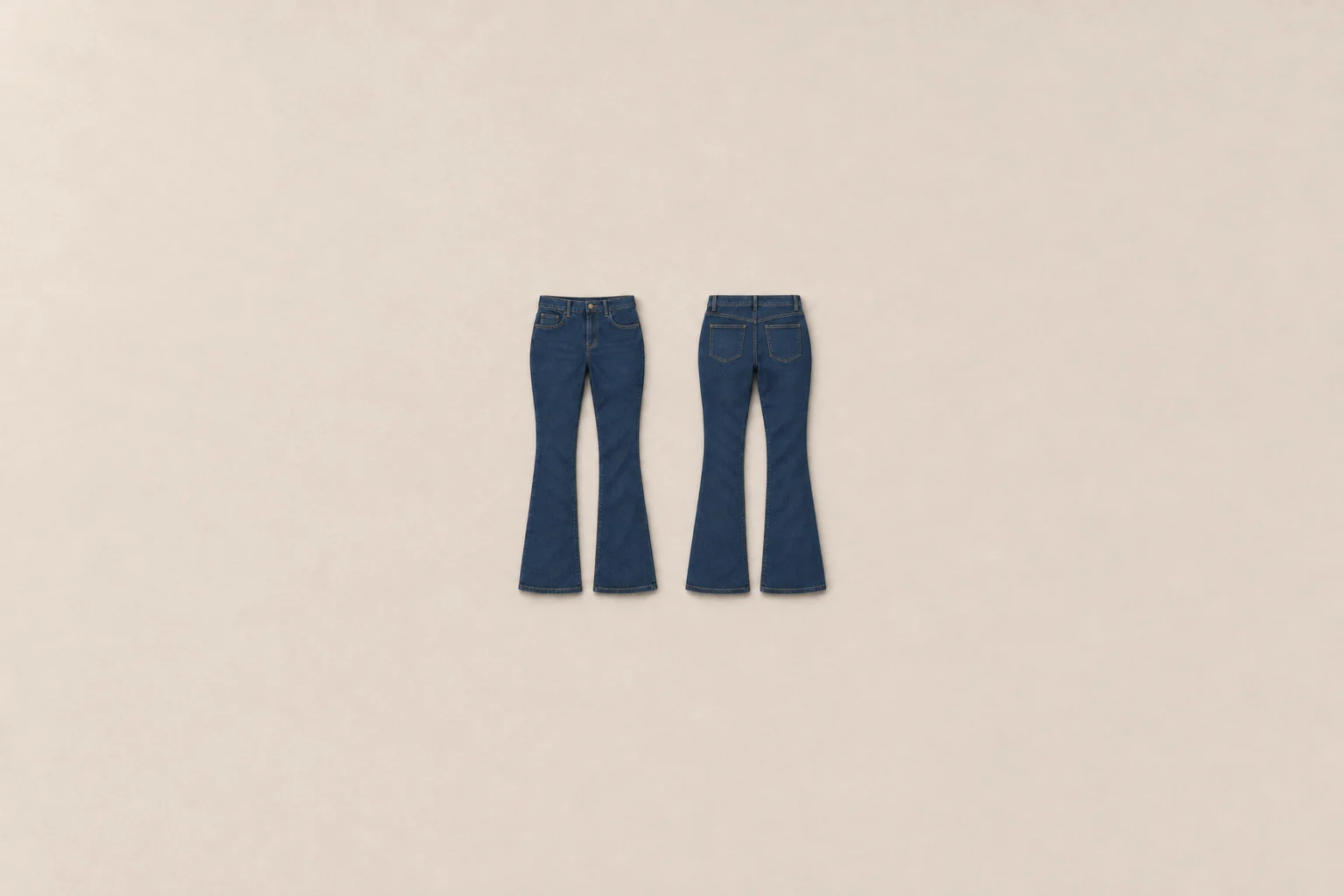
Approve the five-pocket block
Use complete front and back drawings to fix the pocket layout, back rise, yoke and leg line. Identify the fit size and the boot style on the same revision. The yoke and rear pocket positions should be approved on the sewn jean with the waistband sitting in its intended position.
Check the inseam and hem
Pair the finished inseam and flat hem opening with the widest point of the named boot shaft. Review whether the hem clears the shaft as the knee bends, then check the inside seam and folded hem where the seams meet. If the leg catches, record where before changing the opening or length.
Set the front trim and seam bulk
Check the low-profile waist button, zip fly and layered denim on sewn trials. Compare the thickness where the scoop, coin pocket and waistband meet, and where the inside-leg seam ends at the hem. Keep the rear patch pockets plain, with sewn reinforcement and a smooth seat free of exposed hardware or grip.
THE FABRIC
SETS THE FEEL.
Compare material directions against your rider, climate and care expectations. Request the actual fabric specification and evidence for any performance claim.
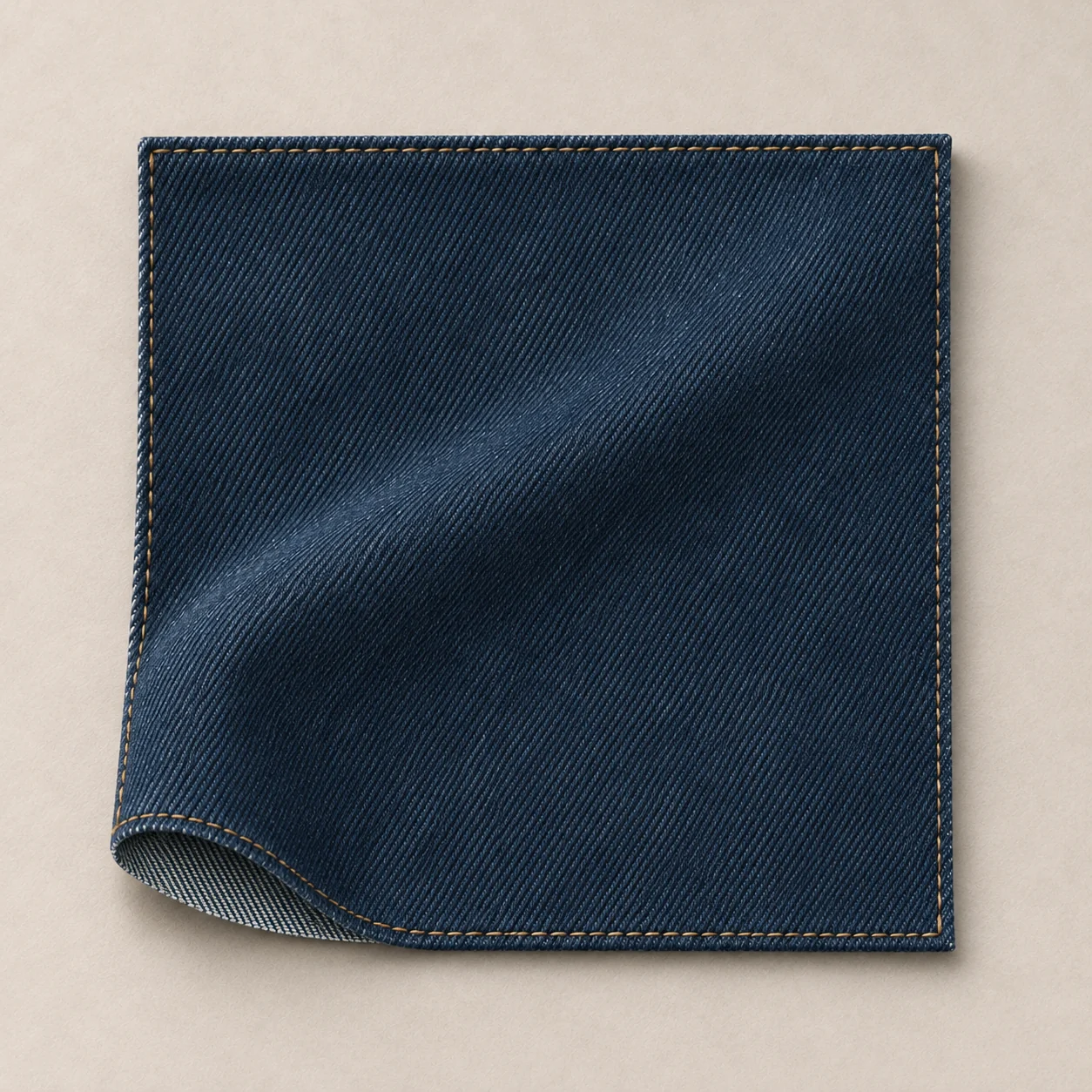
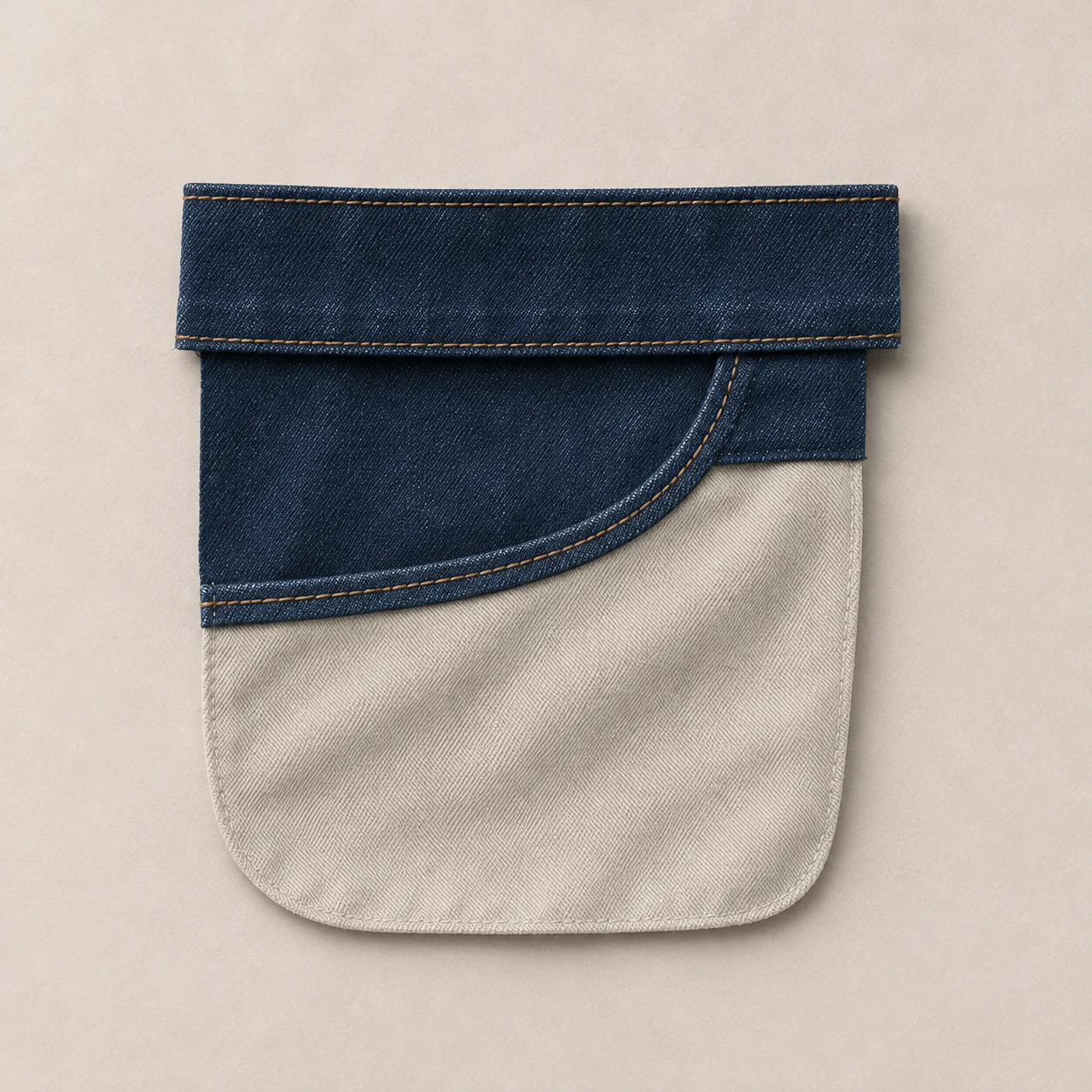
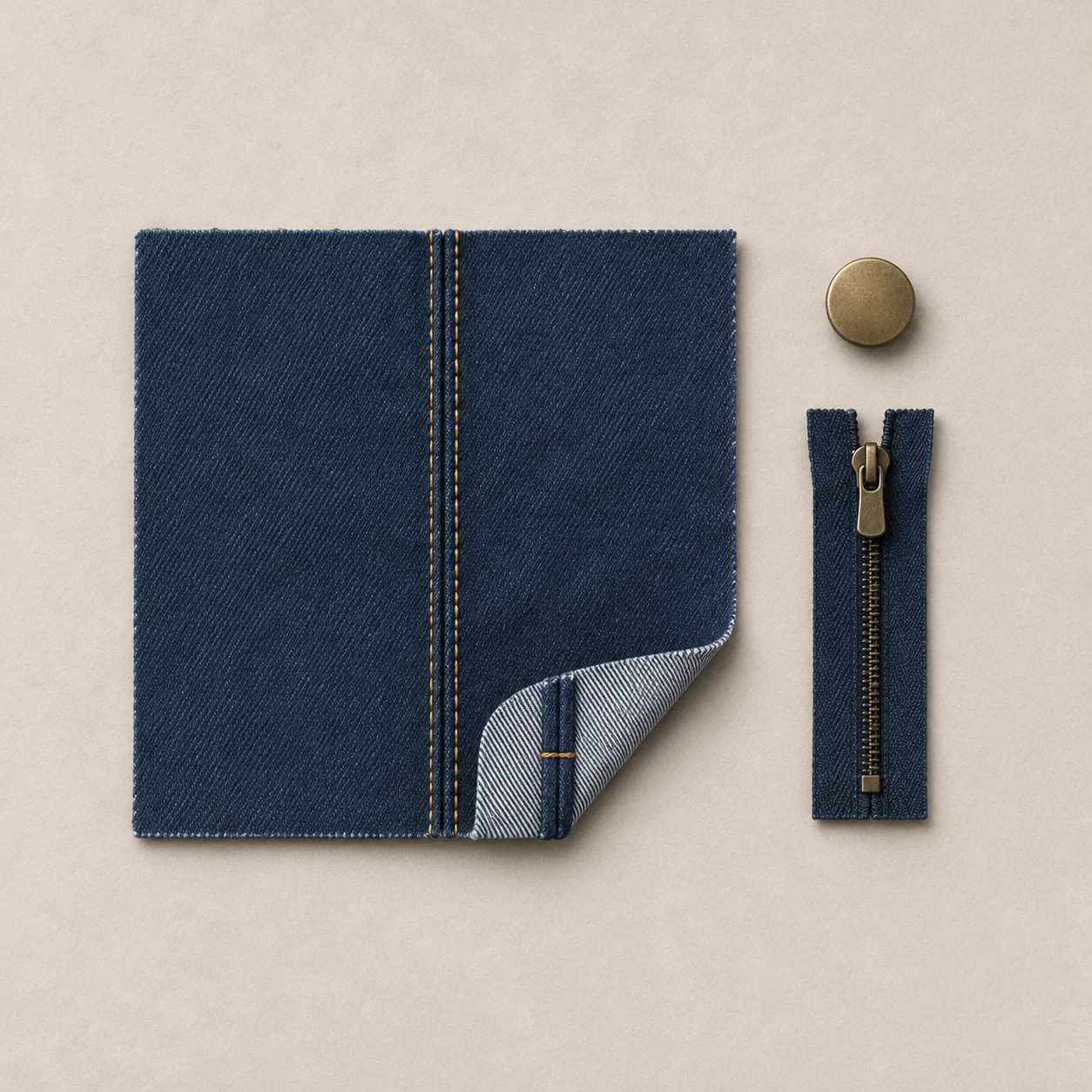
| Material direction | Why consider it | What to verify |
|---|---|---|
| Already-finished indigo stretch denim | A mill-finished stock denim provides the target clean, dry-looking indigo face for this cut-and-sew brief. The amount and direction of stretch affect the waist, seat and knee during fit review. | Record the fabric reference, available shade lot, usable width, composition, weight and stretch direction from the supplier. Compare the actual swatch and sewn sample for shade, recovery, dimensional change and colour transfer under the agreed care and contact conditions. |
| Low-bulk front pocketing | A separate pocket bag forms each front scoop while the coin pocket is sewn into the wearer's right opening. A compact bag and attachment keep the stacked seam at the waist easier to assess. | Open the sewn pocket to check bag depth, bag attachment, reach and whether the bag edge shows through. Compare pocketing behaviour against the indigo shell after care. |
| Front trim and sewn assembly trial | The waist button and covered zip form the entry. Review those components alongside a sewn inside-leg and hem trial because trim profile and stacked seam allowances each affect the contact points of the complete jean. | Record the proposed button, backing and zip references. Inspect the inside face for hard edges, work the fly and compare the feel of the finished seam stack at the knee and hem. |
These are sourcing comparisons, not a list of stocked or certified fabrics. Confirm composition, weight, finish, availability and testing with the material selected for your project.
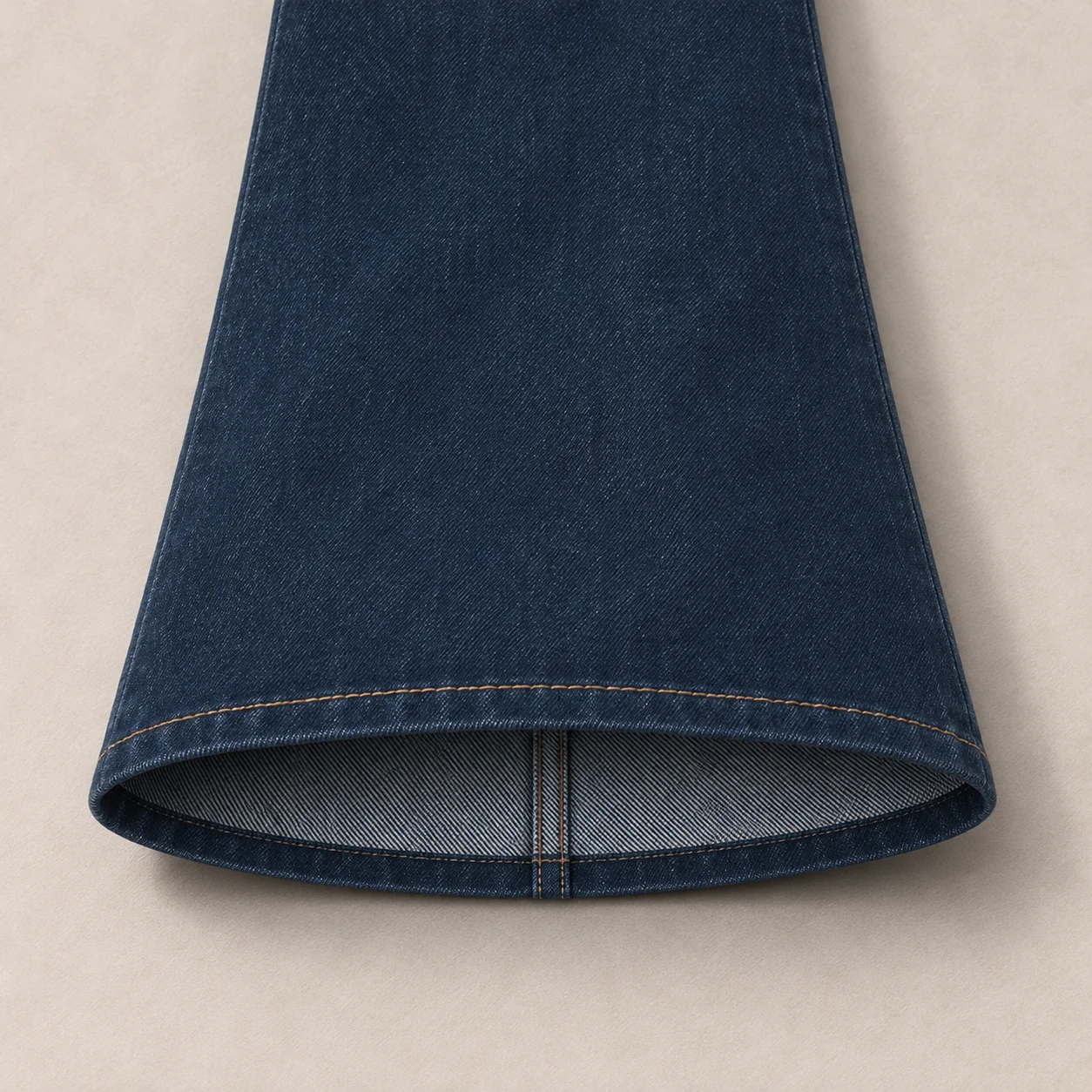 DEVELOPMENT DETAIL / INSIDE LEG SEAM AND TURNED HEM
IT’S IN
THE DETAILS.
Back rise, yoke and patch pockets
Draw the curved V-shaped rear yoke as a separate pattern piece and set its centre-back depth from the waistband join. Position the two plain back patches from repeatable seam landmarks, with sewn reinforcement at their upper corners and a smooth rear face.
Front pockets and fly
Mark two front scoop openings and the wearer's right coin pocket on the drawing. Show the pocket bags, waistband button, covered zip fly and stitch reinforcement. Review the inside of the button and pocket junction against the selected denim thickness.
Inside-leg seam and bootcut hem
Agree the inside seam finish and allowance stack on a sewn trial before approving topstitching. On the complete jean, check the crotch junction, the flare from below the knee and the turned hem where the inseam crosses it. Record the right and left finished leg measurements.
Grain direction and shade pairing
Show grain direction on the leg pieces and agree the cutting direction for the selected stock cloth. Pair leg and pocket pieces by approved shade lot. Compare the hanging side and inside seams before and after the agreed care procedure to identify rotation.
FROM THE BRIEF.
INTO THE WORKROOM.
Develop the five-pocket block, curved V back yoke and full bootcut in the selected already-finished stretch denim. Review the named boot, inside-leg seam and low-profile front trim on one sample. The component studies show proposed pocketing, trim and assembly for specification and fit review.
Explore our factory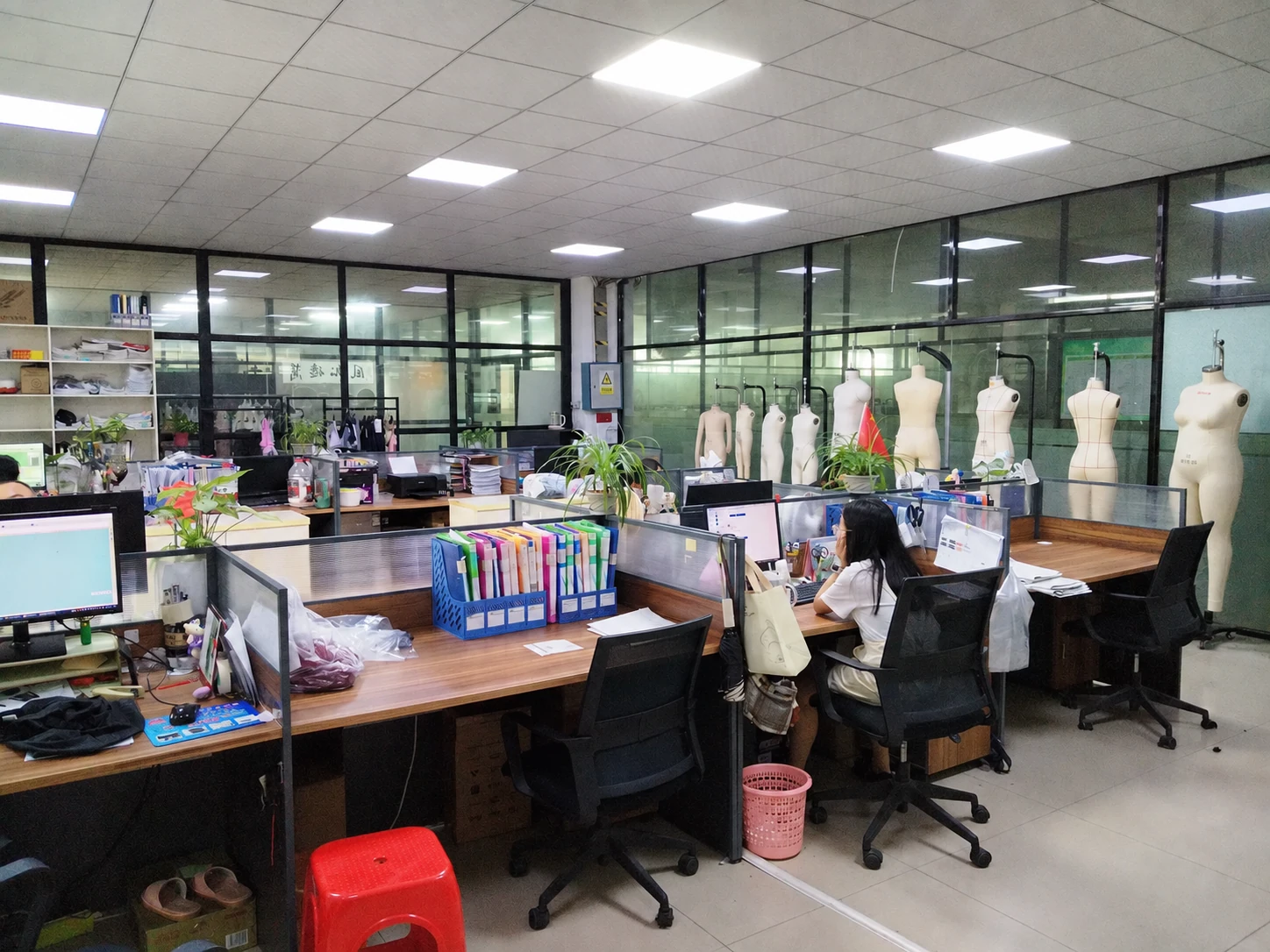
Back rise, yoke and patch pockets
Draw the curved V-shaped rear yoke as a separate pattern piece and set its centre-back depth from the waistband join. Position the two plain back patches from repeatable seam landmarks, with sewn reinforcement at their upper corners and a smooth rear face.
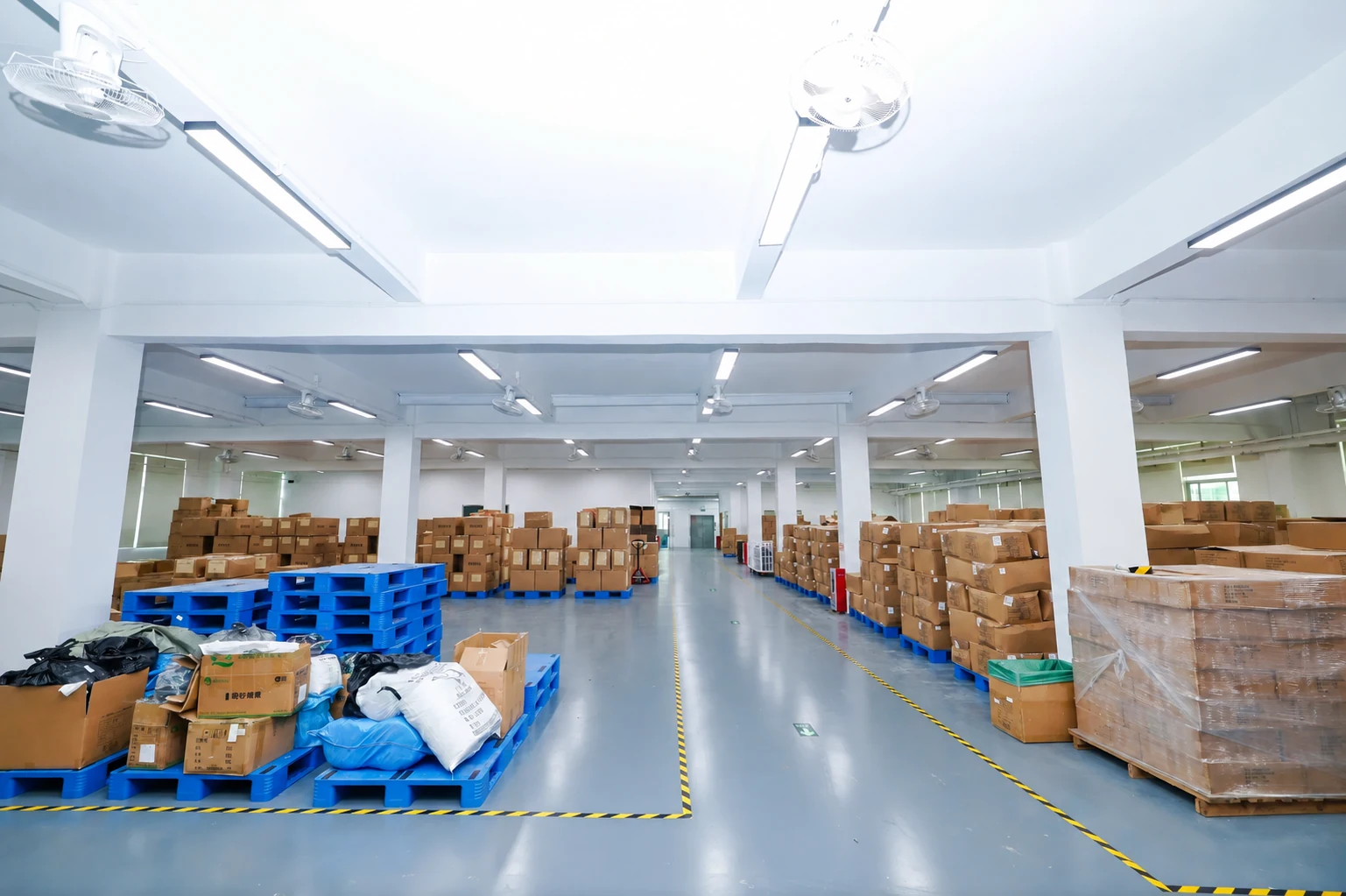
Carry this into approval Factory views show our working environment. Your garment follows its agreed specification and sample.GET THE
RIGHT FIT.
A size label is only the beginning. Agree the measurement method, review the garment in use and keep the approved fit record with your specification.
Your fit-session checklist
Record the size worn, body measurements, intended underlayers and every proposed correction with the dated sample.
Note the size worn, body measurements, intended underlayers and each proposed correction. Recheck the affected measurement after a revision; confirm the size breakdown for each style and colour before bulk.
MAKE IT
RECOGNISABLY YOURS.
Use the product’s construction to guide decoration and finishing. Ask for placement, colour and material approval on the relevant sample.
Small details.
One identity.
Folded edges · fine weave
Textured stock · cord attachment
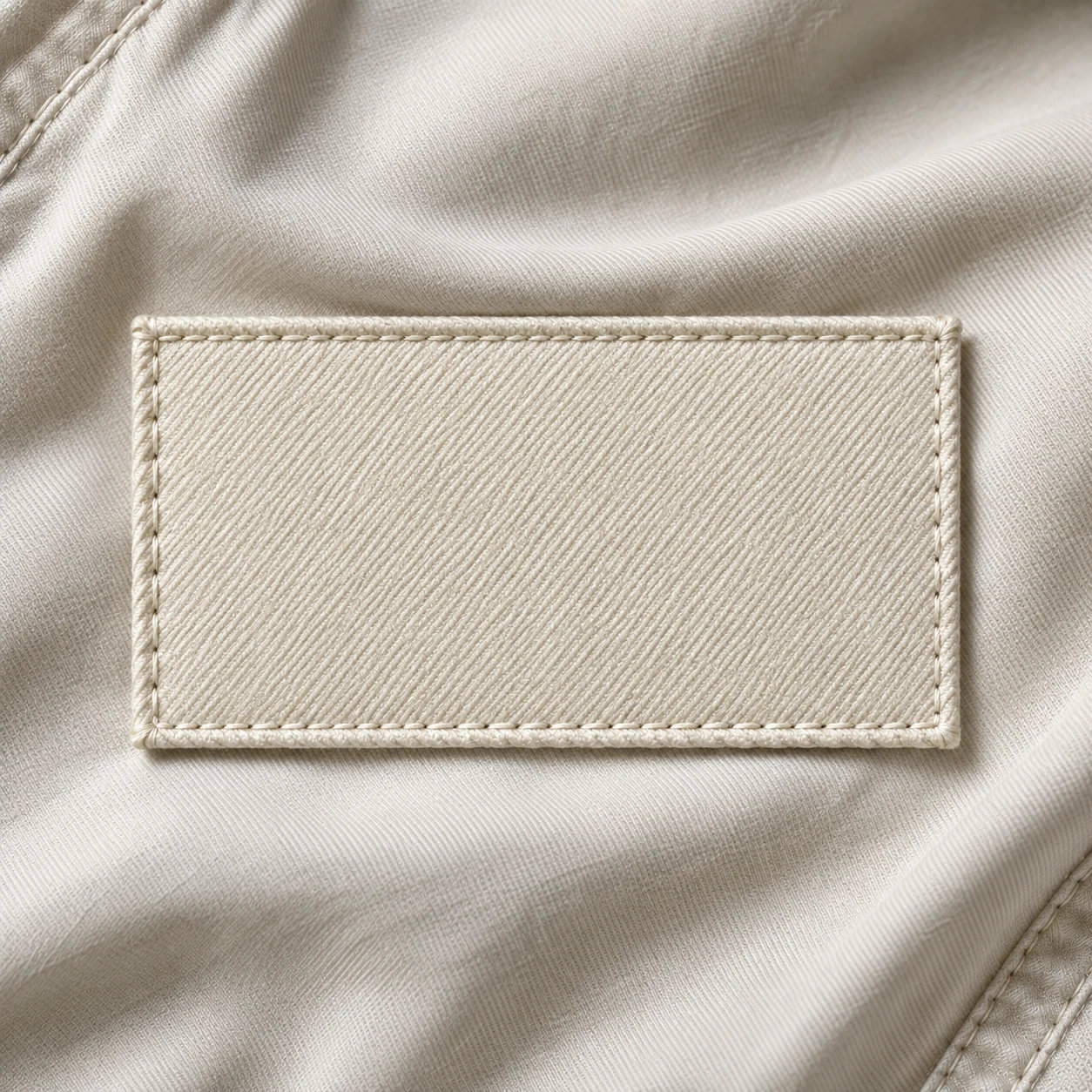
Raised edge · stitched placement
Material mockups with a live wordmark study. Print, weave, colour matching and placement are confirmed on your physical sample.
Indigo shade and thread
Approve a physical stock denim swatch and sewn topstitching in the planned light. Record the denim and thread references together so a change of shade or stitch contrast can be reviewed before cutting.
Bootcut and length options
Choose the knee landmark, flare and finished inseam options against the nominated boot. Mark the waist sizes and lengths that need physical checks, especially the shortest and longest combinations in the planned range.
Plain rear pockets and labels
Set the rear patch shape and pocket distance from the yoke and centre back. Keep the outside face plain and place branding inside the waist or on the hangtag. Check label feel, stitch placement and care information on the sewn sample.
Front hardware specification
Choose the finish for a low-profile front button and the zip tape colour. Review attachment and inside backing in the chosen fabric, and note which appearance changes can be made without altering the approved assembly.
APPROVE THE DETAIL.
THEN THE ORDER.
The first sample helps you make decisions. Define review conditions and acceptance criteria before you compare the result.
Review the five-pocket western riding jeans sample
Sampling takes 7–10 working days from the agreed start. Record each decision against the dated sample before bulk approval.
Rider, material direction, measurements and artwork.
DEFINE THE STARTTurn the agreed direction into a garment to review.
7–10 WORKING DAYSReview fit, finish and changes. Confirm the final specification.
REVISE IF NEEDEDProceed with agreed quantities, colours, labels and packing.
30–45 WORKING DAYSA shared development direction
Bring reference garments, your rider profile, target colours and any artwork. We turn these into the measurements, materials and construction questions that the sample needs to resolve.
Sample feedback can return to development. Revisions and transit are planned separately; timing begins from the agreed specification and start date.
KEEP THE APPROVAL.
WITH THE ORDER.
One agreed reference for the workroom: the dated sample, its specification and your confirmed order breakdown.
Sample decisions
- Match the cloth and pocket plan
Compare the full jean with the dated drawings and selected denim. Count two scoop pockets, the wearer's right coin pocket and two plain rear patches. Check yoke symmetry and shade differences between the panels under agreed lighting.
- Compare standing and seated fit
Record the fit wearer, sample size and boot. Compare the back waist, seat, knee bend and inside-leg contact during a step and on a static seated rig. Record the position of any pressure or pulling for the next pattern revision.
- Review both boots and both hems
Check how the finished openings pass over both boot shafts and where the hems fall during walking and seated knee bend. Mark any catching, uneven stacking or contact at the heel and remeasure the corresponding leg.
Style, colour & size allocation
Confirm each style and colour separately, with the size allocation attached. The minimum is 300 pieces per style, per colour.
Labels, packing & timing
Agree label artwork, packing instructions and the production start. Bulk production takes 30–45 working days from the confirmed start; revisions and transit are planned separately.
A CLEARER BRIEF.
A MORE USEFUL QUOTE.
Price follows an agreed product, quantity and delivery scope. Use these inputs to compare proposals on the same basis.
Usable denim width and cutting direction
Long legs, flare and a directional layout affect how pieces fit on the usable width. Ask for the assumed width, size and length mix, and whether panels are separated by shade lot.
Pocket and yoke operations
Five pocket openings or attachments, yoke alignment and separate topstitch passes add handling. Compare quotations against the same reinforcement and stitch schedule.
Front trim and pocketing
Button, zip, pocketing and label references affect the material breakdown. Ask the supplier to identify what is included and flag any item subject to a separate quantity or availability check.
Size, length and sample scope
A longer size and inseam matrix changes the cutting mix and review workload. Ask which samples, care checks and revisions the quotation covers and confirm quantity for each colour.
Bring these six things
Planning baseline: 300 pieces minimum per style, per colour. Sampling takes 7–10 working days; bulk production takes 30–45 working days from the agreed start.
300 pieces minimum per style, per colour. State each colour quantity separately; confirm your proposed size allocation.
GOOD QUESTIONS.
BETTER DECISIONS.
Product-specific sourcing questions to resolve before sampling.
What should a jeans manufacturer receive for a Western riding brief?
Send the five-pocket front and back drawings, the stock denim reference, the waistband and fly details, and a finished size and inseam chart. Include the named Western boot and a sample review plan so the yoke, inside-leg seam and hem can be assessed together.
How is the clean indigo appearance specified?
Approve an already-finished stock denim swatch for shade and surface, then compare a cut-and-sewn sample to that swatch under agreed lighting. This development uses the mill's finished cloth. Record the agreed garment care procedure and any change in shade, size or leg alignment.
What quantity and timing should a brand plan for?
REINFORM's MOQ is 300 pieces per style, per colour. Sampling takes 7–10 working days and bulk production takes 30–45 working days. Confirm start dates against the agreed materials, specification and order details, and allow separately for revisions and shipping.